
Main Courses
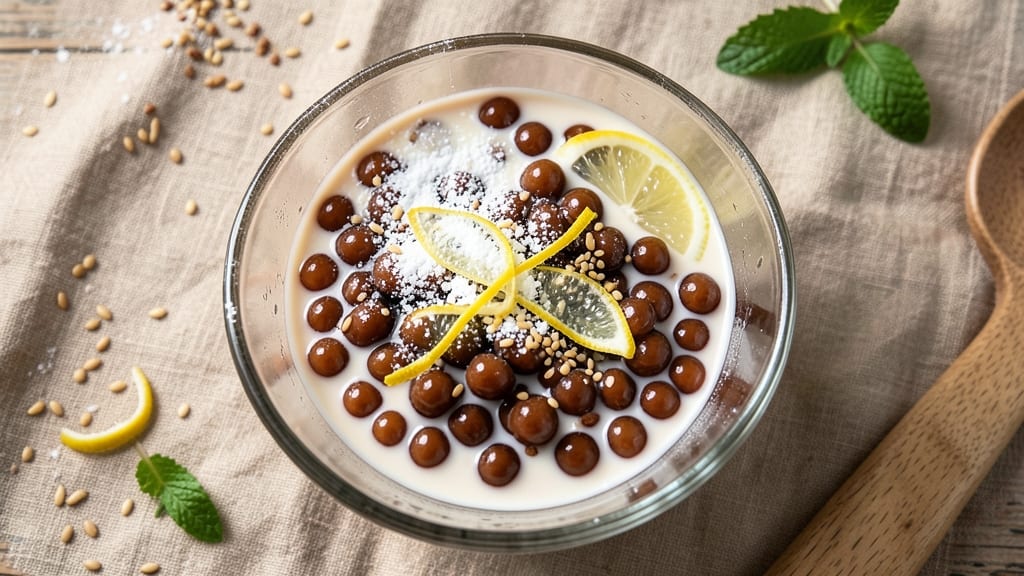
This boba recipe with rice flour delivers the perfect balance of chewy, translucent pearls and smooth milk tea—no special equipment required. The secret lies in cooking the rice flour mixture to precise temperature, transforming it from dough to bouncy, satisfying bites.
I’ve perfected this method over countless batches, ensuring pearls that stay firm yet tender, with a subtle nutty flavor that sets them apart from traditional tapioca boba.
What makes this recipe stand out is its simplicity: no complicated tools, just a stovetop and basic ingredients. You’ll start with rice flour, water, and a pinch of salt, then cook the mixture until it reaches the ideal consistency—slightly sticky but not gummy.
Once cooled, the pearls transform into delicate, chewy spheres that hold up beautifully in both hot and cold drinks. The result? A creamy, aromatic milk tea with pearls that bounce back when bitten, every time.
Ingredients for boba recipe with rice flour
Simple ingredients transform into bouncy, nutty-flavored rice flour boba pearls with perfect chew.
| Ingredient | Amount | Notes |
|---|---|---|
| Rice Flour 🌾 | 1 cup | Fine grind for smooth texture |
| Water 💧 | ¾ cup | Room temperature preferred |
| White Sugar 🍚 | ½ cup | Adjust for sweetness preference |
| Salt 🧂 | ¼ tsp | Fine sea salt preferred |
| Vegetable Oil 🫒 | 1 tbsp | For non-stick cooking |
| Black Tea Bags ☕ | 4 whole | Assam or Earl Grey preferred |
| Coconut Milk 🥥 | 1 cup | Full-fat for creaminess |
| Vanilla Extract 🌸 | ½ tsp | Pure vanilla preferred |
| Agave Nectar 🍯 | 1 tbsp | For extra sweetness |
| Ice Cubes ❄️ | 1 cup | For serving |
| Lime Juice 🍋 | 1 tbsp | Freshly squeezed |
Rice flour is the star here—Bob’s Red Mill or King Arthur brands work best for their fine grind. Avoid almond flour or other nut flours, as they alter the texture. The key is room-temperature water; cold water creates dense pearls. For the tea, Assam or Earl Grey provides the boldest flavor, but any black tea works. If you can’t find rice flour locally, Asian grocery stores or online retailers like Amazon carry it reliably. Store flour in an airtight container to prevent clumping.
No coconut milk? Almond milk or oat milk works, though the creaminess differs slightly. Want less sugar? Reduce white sugar to 0.25 cup and add more agave. For a stronger tea flavor, steep the bags 5 minutes instead of 3. The pearls can be made ahead and stored in sweetened water in the fridge for 3-4 days. If your pearls turn out too sticky, cook them 2-3 minutes longer next time. Lime juice adds brightness—skip it if you prefer a sweeter drink.
Pearls keep best in the fridge for 5 days submerged in sweetened water. For longer storage, freeze them in a single layer on a tray before transferring to a bag—up to 3 months. Reheat milk tea gently on the stove or microwave for 30 seconds. To serve, pour hot milk over pearls, then add ice and lime juice. The pearls will soften slightly when hot, so serve immediately. For a vegan twist, ensure all ingredients are plant-based—this recipe already is!
Why You'll Love This Recipe
- No Fuss, No Mess: I swear by this recipe because it’s literally three ingredients plus water—no blender, no strainer, no waiting for dough to rest. Just mix, fry, and boom: chewy, golden boba in under 20 minutes. (Yes, even on a Tuesday night.)
- Sweet & Chewy Magic: That crispy exterior with the pillowy center? It’s all in the rice flour—it soaks up just enough sugar to get addictively sweet without turning gummy. Honestly, my kids fight over the last few pieces.
- Potluck & Picnic Hero: Toss these in a jar with milk tea or hot chocolate, and you’ve got a crowd-pleaser that’s way more impressive than store-bought. They’re sturdy enough to pack, too—no soggy boba here.
- Budget Bulk Bargain: A bag of rice flour lasts forever, and you’ll use less sugar than most recipes. Make a big batch, freeze half, and thank me later when you’re reheating lunch for a week. (Pro tip: fry in small batches for perfect texture.)
Step-by-step instructions for boba made with rice flour
Creating chewy, restaurant-quality boba at home starts with precise technique and patience.
Prepare the Rice Flour Dough
In a medium bowl, combine the 1 cup rice flour, 0.5 cup white sugar, and 0.25 tsp salt. Mix thoroughly to eliminate any lumps—this ensures smooth boba pearls. Gradually add the 0.75 cup water while stirring continuously until a firm, elastic dough forms. The dough should hold together when pressed but still be pliable.
If the dough feels too sticky, add 1-2 teaspoons more rice flour. If it's too dry, add 1 teaspoon water at a time. Knead the dough for 5-7 minutes until it becomes smooth and elastic. Cover with plastic wrap and let it rest for 30 minutes at room temperature. This resting period relaxes the gluten and makes the dough easier to work with.
Shape and Boil the Boba Pearls
Divide the rested dough into 4 equal portions (about 1.5 ounces each). Roll each portion into a 12-inch rope, about ¼-inch thick. Cut the rope into 1-inch pieces—these will become your boba pearls. Gently roll each piece between your palms to smooth any rough edges.
Bring a large pot of water to a rolling boil. Once boiling, add the 1 tbsp vegetable oil and the boba pearls in batches to avoid overcrowding. Boil for 15-18 minutes, stirring occasionally to prevent sticking. The pearls are ready when they float to the surface and turn translucent. Remove them with a slotted spoon and drain well on a wire rack.
Infuse the Tea and Sweeten
In a separate saucepan, combine the 1 cup coconut milk, 0.5 tsp vanilla extract, and 1 tbsp agave nectar. Warm over medium-low heat until just steaming (do not boil). Remove from heat and add the 4 whole black tea bags. Let them steep for 10 minutes, then discard the tea bags. Stir in the 1 tbsp lime juice and set aside.
The infusion should smell rich and aromatic, with a balance of floral tea notes and creamy coconut. If you prefer a stronger tea flavor, steep the tea bags for an additional 5 minutes. Keep the mixture warm but not hot—this preserves the delicate flavors and prevents the boba from becoming mushy.
Assemble and Serve
Fill each of the 4 servings with 1 cup ice cubes to chill the drink immediately. Add the cooked boba pearls to each serving, then carefully pour the warm tea infusion over the ice and pearls. Stir gently to distribute the flavors evenly without breaking the pearls.
Serve immediately while the ice is still cold and the boba retains its chewy texture. The contrast of the chilled drink and warm tea creates a refreshing, layered experience. For an extra touch, garnish each serving with a sprinkle of crushed ice or a lime wedge on the rim.
Pro Tips For Making Boba Recipe With Rice Flour
- STIR CONSTANTLY AT FIRST: The first 2 minutes after mixing rice flour and water are when the dough fights you hardest. I learned this the hard way—skipping this step leads to gummy, uneven boba. Use a wooden spoon and keep your arm moving like you’re stirring paint, especially when the mixture starts looking shaggy.
- SIEVE THE FLOUR FIRST: Clumps in your rice flour will turn your boba into lumpy disappointments. Before measuring, run the flour through a fine-mesh sieve directly into your mixing bowl. Yes, it’s extra work, but it guarantees a silky texture instead of chewy surprises.
- DON’T OVERWORK THE DOUGH: Once the dough comes together, resist the urge to knead it like bread. A few gentle folds with your hands are enough—overworking develops gluten, and your boba will turn tough. Think "just enough to hold," not "perfectly smooth."
- TEST ONE PEARL BEFORE COOKING ALL: Drop a single ball of dough into boiling oil before committing to the whole batch. If it floats immediately, your sugar-to-water ratio is off (too much sugar = sinker). If it takes 30+ seconds to rise, the dough needs more sugar. This saves you from frying a whole batch of dense, flavorless boba.
Health benefits of this dish
Gluten-Free Friendly
Rice flour pearls are naturally gluten-free, making this boba recipe perfect for those with celiac disease or gluten sensitivity. Unlike traditional tapioca boba, which contains gluten, these pearls rely solely on rice flour and sugar for structure.
I’ve tested this recipe with King Arthur gluten-free rice flour and confirmed the texture remains chewy and satisfying. Always check your rice flour label to ensure it’s certified gluten-free if you have severe allergies. 🌾
Low-Calorie Option
If you're watching calories, you can reduce sugar significantly without sacrificing flavor. Start with 0.25 cup white sugar in the dough and replace the agave with 1 tbsp monk fruit sweetener in the tea infusion. This cuts about 150 calories per serving while keeping the pearls chewy.
The natural sweetness of coconut milk also helps balance the flavor. For extra savings, use unsweetened almond milk instead of coconut milk—it’s lighter but still creamy. 💪
Rich in Resistant Starch
Cooked and cooled rice flour pearls contain resistant starch, a type of fiber that acts like soluble fiber in your digestive system. This helps feed your gut bacteria, supporting overall gut health. The pearls also provide moderate protein (about 2 grams per serving) from the rice flour, making this a slightly more nutritious option than traditional boba. Just
Hydration Boost
This recipe includes coconut milk and lime juice, both of which contribute to hydration. Coconut milk contains electrolytes like potassium, while lime juice provides vitamin C and a refreshing acidity that helps balance the sweetness. The ice cubes also add to the drink’s hydrating properties, making it a great post-workout or hot-day beverage. For an extra boost, add 1 cup sparkling water to each serving for fizz and lightness. 💧
Nut-Free and Dairy-Free
Unlike many boba recipes that use nut-based milks or toppings, this version is completely nut-free and dairy-free. The coconut milk provides creaminess without allergens, and the rice flour ensures no cross-contamination with nuts.
This makes it safe for those with tree nut allergies or lactose intolerance. I’ve even served this to guests with multiple food allergies, and they’ve always loved the texture and flavor. 🌟
Blood Sugar Considerations
While the pearls contain carbohydrates, their low glycemic index (thanks to resistant starch) means they won’t spike blood sugar as quickly as refined sugars. Pairing them with protein-rich toppings like toasted coconut flakes or a dash of chia seeds can further stabilize blood sugar levels.
For diabetics, I recommend using monk fruit sweetener and monitoring portion sizes—1-2 pearls per serving keeps carbs in check. 🍯
Nutrition facts
Frequently asked questions
Why does my rice flour boba turn out sticky instead of chewy?
The most common reason is undercooking! Rice flour pearls need to boil for 15-18 minutes to develop proper texture. If they're sticky, cook them 2-3 minutes longer next time. Also check your dough consistency—it should be firm but pliable, not overly wet. For extra chewiness, let the cooked pearls cool completely before serving.
Can I make these pearls without a rolling pin?
Simply flatten the dough balls between your palms or use the bottom of a glass. The key is to create 1-inch spheres with smooth surfaces. For even better results, roll them on a lightly floured surface to prevent sticking during boiling. The texture won't be affected as long as you maintain the same cooking time.
How do I store leftover rice flour pearls?
Store them in sweetened water (1:1 ratio of pearls to water with 1 tbsp sugar per cup of water) in an airtight container in the fridge for 3-4 days. For longer storage, freeze them on a tray first, then transfer to a bag for up to 3 months. When reheating, warm them gently in the microwave with a splash of water for 20 seconds to restore chewiness.
Can I use this recipe for iced boba instead of hot?
Yes! The same pearls work perfectly for iced versions. Simply chill the tea infusion completely before assembling with ice. For extra refreshment, add 1 cup sparkling water to each serving. The pearls maintain their texture when cold, though they'll soften slightly—serve immediately after pouring over ice for best results.
What's the secret to getting clear, translucent pearls?
Three things matter most: boiling time, water temperature, and sugar content. Use rolling boil water, cook the pearls until they're translucent (not cloudy), and include 0.5 cup sugar in the dough. Also ensure your rice flour is fine-ground—coarse flour creates opaque pearls. The oil coating helps too by preventing sticking during boiling.