
Main Courses
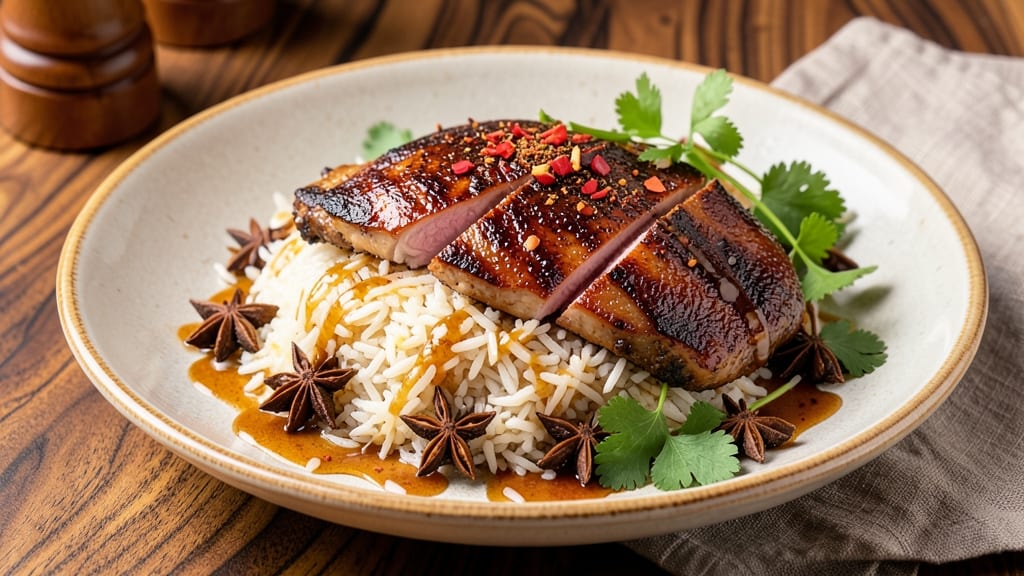
Braised duck rice transforms simple ingredients into a restaurant-worthy dish where tender duck shards melt over fragrant five-spice rice, all topped with a crispy golden crust. The secret lies in slow-braising the duck until fall-apart tender while infusing the rice with aromatic spices that elevate every bite—no shortcuts, just layered flavor built over time.
Start with a proper duck marinade (soy, honey, and star anise) to develop deep umami, then sear the duck until caramelized before slow-cooking in a Dutch oven until fork-tender.
Meanwhile, jasmine rice cooks in a flavorful broth infused with the same spices, creating a fragrant base that absorbs the duck's rich juices. The final touch—a crispy rice crust achieved with a quick broil—ties everything together into a dish that's both comforting and impressive.
Ingredients for braised duck rice
Fragrant spices, tender duck, and crispy rice crust—this dish delivers restaurant-quality flavor at home.
| Ingredient | Amount | Notes |
|---|---|---|
| Duck Breast 🦆 | 2 lb | Skin-on, bone-in preferred |
| Jasmine Rice 🌾 | 1 ½ cups | Long-grain, uncooked |
| Soy Sauce 🍶 | ½ cup | High-quality, reduced |
| Honey 🍯 | ¼ cup | Wildflower preferred |
| Star Anise 🌿 | 2 whole | Whole pods, crushed |
| Five-Spice Powder 🌶️ | 1 tbsp | Authentic blend |
| Garlic Cloves 🧄 | 6 cloves | Fresh, minced |
| Ginger Root 🌿 | 1 tbsp | Fresh, grated |
| Chicken Broth 💧 | 1 ½ cups | Low-sodium preferred |
| Sesame Oil 🫒 | 1 tbsp | Toasted, for finishing |
| Green Onions 🧅 | ¼ cup | Sliced, for garnish |
| Salt 🧂 | 1 ½ tsp | Kosher or sea salt |
| Black Pepper 🌶️ | ½ tsp | Freshly ground |
| Vegetable Oil 🫒 | 2 tbsp | High smoke point |
The duck breast is the foundation. Look for skin-on, bone-in cuts—they render more fat for flavor and stay juicier. Whole Foods or specialty butchers often carry the best quality. If you can't find bone-in, skin-on, use boneless but leave the skin on. Star anise and five-spice powder are non-negotiable for that authentic aroma—Penzeys or Spicewalla carry excellent blends. For the rice, jasmine is essential; basmati won't give the same fragrant, sticky texture. Rinse it thoroughly before cooking to remove excess starch.
No star anise? 1 tsp cinnamon plus 0.5 tsp fennel seeds is a decent substitute, though the flavor won't be identical. Five-spice powder can be omitted if needed, but the dish loses its signature depth. For the soy sauce, Kikkoman or Pearl River Bridge are reliable choices—avoid the low-sodium versions unless you add extra salt. The honey should be wildflower or clover; avoid processed honey with added corn syrup. If you're short on time, pre-minced garlic and ginger from the freezer aisle work in a pinch, though fresh is always better.
Store cooked duck in an airtight container for 3-4 days—it actually tastes better reheated as the flavors meld. The rice crust loses crispiness when reheated, so make it fresh or broil for 2-3 minutes before serving. For make-ahead prep, marinate the duck overnight and prep all spices the day before. The rice should be cooked just before serving to maintain its texture. Leftovers keep for 2 days in the fridge, though the crust won't be as crispy.
Why You'll Love This Recipe
- One-Pan Wonder: The duck breast sears right in the same pot where the rice cooks—no fussing with multiple dishes. Honestly, I’ve made this on nights when I didn’t even want to load the dishwasher.
- Sweet-Savory Magic: That honey and soy glaze? It caramelizes into something dangerously addictive—rich, sticky, and just enough star anise to make it feel special without tasting like a spice rack exploded.
- Weeknight to Dinner Party: Same recipe, totally different vibes: toss it together for a lazy night or dress it up with quick greens and a drizzle of sesame oil for guests. My in-laws think I’m a fancy chef now.
- Leftovers That Don’t Suck: Between us, braised duck gets better the next day—more tender, flavors melded perfectly. I make a double batch on Sundays and eat it for lunch all week. (Yes, even on a Tuesday night.)
Step-by-step instructions for braised duck rice
Master this aromatic technique for tender duck and fragrant rice crust.
Prepare and Sear the Duck Breast
Pat the 2 lb duck breast completely dry with paper towels, removing any excess moisture from the skin. Season both sides generously with 1.5 tsp salt and 0.5 tsp black pepper, pressing the seasoning into the meat. Let it sit at room temperature for 30 minutes while you prepare the remaining ingredients.
Heat 2 tbsp vegetable oil in a large Dutch oven over medium-high heat until shimmering. Place the duck breast skin-side down and cook undisturbed for 8-10 minutes until the skin is deep golden brown and crispy. You'll see the fat rendering out and sizzling vigorously—this is normal. Flip the duck and cook for another 4-5 minutes until the internal temperature reaches 145°F. Remove the duck from the pot and set aside on a plate.
Build the Five-Spice Braising Base
In the same Dutch oven, reduce heat to medium and add 6 cloves minced garlic cloves and 1 tbsp grated ginger root. Cook for 1-2 minutes until fragrant and just beginning to color. Add the 2 whole crushed star anise and 1 tbsp five-spice powder, stirring constantly for 30 seconds to toast the spices and release their aromatic oils.
Pour in 0.5 cup soy sauce and 0.25 cup honey, scraping up any browned bits from the bottom of the pot. Add 1.5 cups chicken broth and bring to a gentle simmer. The sauce should be glossy and slightly thickened—this will form the rich braising liquid for the duck.
Braise the Duck Until Tender
Return the duck breast to the Dutch oven, skin-side up, and carefully pour enough liquid to cover about 75% of the duck. Bring to a gentle simmer, then reduce heat to low, cover tightly with a lid, and transfer to a preheated 325°F oven. Braise for 1 hour 15 minutes, or until the duck is fork-tender and the internal temperature reaches 165°F.
Here's the thing—don't peek or lift the lid during braising. Every time you do, you lose heat and moisture, potentially drying out the duck. The skin should remain crispy while the meat becomes silky and easily shreds with two forks. Remove the duck from the pot and let it rest on a cutting board for 10 minutes before shredding.
Prepare the Jasmine Rice Crust
While the duck rests, rinse the 1.5 cups jasmine rice under cold water until the water runs clear. Drain well and spread the rice in an even layer on a baking sheet. Toast in a 375°F oven for 8-10 minutes, stirring once halfway, until the rice is fragrant and slightly golden. This step creates the signature crispy rice crust.
Transfer the toasted rice to a large bowl and mix in 1 tbsp five-spice powder. Add the shredded duck and its braising liquid to the bowl, tossing gently to combine. The rice should absorb the rich, aromatic duck flavors while maintaining its crispy texture.
Assemble and Finish
Transfer the duck and rice mixture to a serving platter or individual bowls. Drizzle with 1 tbsp sesame oil and garnish with 0.25 cup sliced green onions. Serve immediately while the rice crust remains crispy and the duck stays juicy.
Each bite should deliver a perfect balance of crispy rice crust, tender duck meat, and aromatic five-spice flavors. The honey-soy braising liquid adds depth, while the toasted rice provides satisfying texture contrast. This dish tastes even better the next day as the flavors meld further.
Pro Tips For Making Braised Duck Rice
- CRISP THE DUCK FIRST: I learned this the hard way—skipping the sear makes the duck turn rubbery instead of tender. Heat a dry pan until it’s screaming hot, then sear the duck skin-side down for 8-10 minutes without moving it. The skin should be deep golden, almost black in spots—this locks in flavor and keeps the meat juicy.
- SALT THE DUCK 24 HOURS EARLY: Don’t wing it with salt. Pat the duck dry, then rub it with 1 tablespoon of kosher salt per pound and let it sit uncovered in the fridge. This seasons the meat deeply and helps render fat, so when you braise it, the sauce stays glossy instead of greasy. (Yes, even if you’re impatient like me.)
- STAR ANISE: CRUSH IT: Whole star anise just sits there like a decorative rock. Lightly crush it with a rolling pin or mortar before adding it to the braising liquid—this releases its aroma and makes the sauce taste like it actually has the spice in it. I used to skip this, and the dish always felt… flat.
- COOK THE RICE IN DUCK FAT: After removing the duck, don’t toss that rendered fat—use it to toast the rice. Heat 1 tablespoon in the same pan until shimmering, then add the rice and stir for 30 seconds before adding water. The fat adds a nutty depth the rice won’t get from plain oil, and it cuts through the sweetness of the honey-soy glaze. (Your future self will thank you.)
Dietary considerations for these flavors
Gluten-Free Adaptations
This recipe is naturally gluten-free if you use certified gluten-free soy sauce like Tamari or San-J Tamari. Regular soy sauce contains wheat, so always check labels—Kikkoman and Pearl River Bridge are not gluten-free.
The five-spice powder and other spices are typically safe, but verify they're processed in gluten-free facilities. For extra caution, toast your own spices at home. 🌾
Dairy-Free Considerations
This dish requires no dairy, making it inherently dairy-free. However, if you're serving with sides like coleslaw or a creamy sauce, opt for dairy-free alternatives. For example, use coconut milk yogurt or almond milk-based dressings instead of traditional mayo or sour cream. The duck and rice remain completely dairy-free throughout.
Low-Sodium Options
To reduce sodium, use low-sodium chicken broth and cut the soy sauce in half, adding extra honey or a splash of rice vinegar for balance. I find Imagine brand low-sodium soy sauce works well—it still delivers umami without overwhelming saltiness.
Taste as you go and adjust seasoning with black pepper or a pinch of white pepper for depth. 🧂
Vegetarian Substitutions
For a vegetarian version, replace the duck with extra-firm tofu or mushrooms (like shiitake or oyster). Press tofu for 30 minutes to remove moisture, then marinate in soy sauce, honey, and five-spice powder.
Sear and braise as directed, but reduce cooking time to 20-25 minutes. Mushrooms should be sliced thickly and braised until tender. The rice crust remains the same!
Allergen-Friendly Tips
For nut allergies, avoid sesame oil (use avocado oil instead) and check five-spice blends for cross-contamination. Egg allergies aren't an issue here, but always confirm spice brands are processed in allergen-free facilities.
If you're avoiding honey, substitute with maple syrup or agave nectar—just reduce the amount slightly since these are sweeter. 💡
Nutrition facts
Frequently asked questions
Can I use bone-in duck legs instead of duck breast for this recipe?
Yes! Bone-in duck legs work beautifully and add extra flavor to the braising liquid. Increase cooking time to 2-2.5 hours at 325°F until the meat is fork-tender. The skin will crisp up during braising, so no need for extra searing. Just be sure to use a larger Dutch oven to accommodate the extra volume.
How do I prevent the rice from becoming mushy when mixing with the duck?
Toast the rice thoroughly before mixing it with the duck—this creates a protective crust that resists absorbing too much liquid. Also, use just enough braising liquid to lightly moisten the rice (about 1/3 cup), not drown it. For extra insurance, spread the mixed duck and rice on a baking sheet and broil for 2-3 minutes before serving to crisp up the surface.
What's the best way to reheat leftovers without drying out the duck?
Reheat gently in a skillet with a splash of water or broth over low heat for 5-7 minutes, stirring occasionally. Never microwave—it makes the duck rubbery. For the rice crust, broil for 1-2 minutes at the end to restore crispiness. Leftovers actually improve as flavors meld, but the crust will be softer.
Can I make this dish ahead of time for a dinner party?
Prepare everything up to the final assembly, then refrigerate the shredded duck and braising liquid separately. Cook the rice fresh before serving and mix everything together just before plating. Reheat the duck gently in the oven (300°F for 10 minutes) while you toast the rice. This keeps the textures perfect for serving.
What if I don't have a Dutch oven? Can I use a regular pot?
A heavy-bottomed pot works, but a Dutch oven is ideal for even heat distribution and retaining moisture during braising. If using a regular pot, reduce the oven temperature to 300°F** and monitor closely—you may need to add a splash of broth if it dries out. For searing, use a skillet and transfer the duck to the pot for braising.