
Main Courses
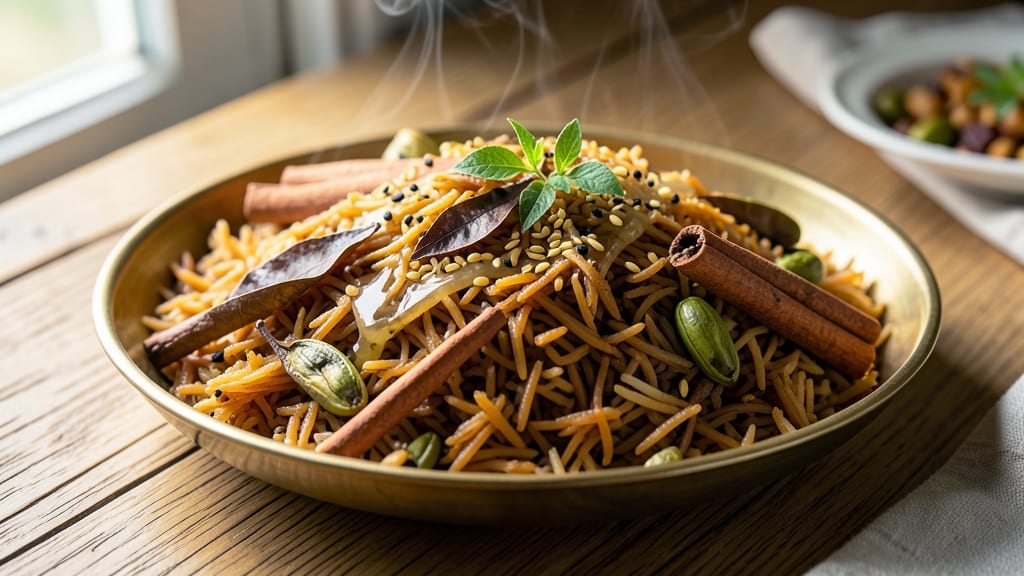
This brown basmati rice Indian recipe transforms simple grains into fragrant, spice-infused perfection in just 20 minutes—no long soaking required. The secret lies in toasting whole spices until they sing, then layering them with rice and aromatics for a dish that pairs beautifully with curries or grilled meats.
Every bite delivers nutty richness and subtle warmth from cumin, cardamom, and cinnamon.
Unlike white basmati, brown retains its nutty depth while absorbing flavors effortlessly. We’ll use a one-pot method with minimal water and low heat to achieve tender, separate grains that stay firm yet fluffy.
Perfect for weeknight dinners or special occasions, this recipe delivers restaurant-quality results without the fuss—just simple ingredients, precise timing, and traditional techniques.
Ingredients for brown basmati rice recipe indian
Transform simple grains into aromatic, spice-infused perfection with these twelve essential ingredients.
| Ingredient | Amount | Notes |
|---|---|---|
| Brown Basmati Rice 🌾 | 1 ½ cups | Uncooked, long-grain variety |
| Whole Cumin Seeds 🌿 | 1 tbsp | Toasted until fragrant |
| Green Cardamom Pods 🌿 | 6 whole | Lightly crushed, seeds only |
| Cinnamon Sticks 🌿 | 2 whole | 1-inch pieces preferred |
| Bay Leaves 🌿 | 2 whole | Fresh preferred, dried acceptable |
| Ghee or Vegetable Oil 🫒 | 3 tbsp | Ghee adds authentic flavor |
| Water 💧 | 3 cups | Room temperature preferred |
| Salt 🧂 | ¾ tsp | Diamond Crystal preferred |
| Fresh Ginger 🌿 | 1 tbsp | Grated, aromatic variety |
| Garlic Cloves 🧄 | 2 cloves | Minced, aromatic variety |
| Lemon Juice 🍋 | 1 tbsp | Freshly squeezed |
| Fresh Cilantro 🌿 | ¼ cup | Chopped, for garnish |
The spices are the heart of this recipe—whole cumin seeds, cardamom pods, and cinnamon sticks deliver layers of warmth. For authentic flavor, source spices from Penzeys or local Indian markets where they're often sold whole. Fresh bay leaves and ginger elevate the aroma, while ghee (if available) adds a rich, nutty depth that vegetable oil can't replicate. Brown basmati rice is non-negotiable here; avoid pre-washed varieties as they lose their nutty essence. The room-temperature water ensures even cooking without steam buildup.
No whole spices? Ground cumin and cinnamon work in a pinch, but reduce to half the amount—whole spices toast beautifully and release flavor gradually. Fresh ginger and garlic can be swapped for paste versions at one-third the quantity, though fresh is preferred. Out of ghee? Butter or coconut oil maintains richness, though flavor will differ slightly. For a quicker prep, pre-toast the spices in a dry pan before adding oil. The lemon juice brightens the dish at the end—bottled works but fresh is ideal.
Store uncooked rice in an airtight container in a cool, dark place for up to 6 months. Whole spices keep for 1 year in sealed containers, while fresh ginger and garlic last 2 weeks in the fridge. Cooked rice reheats beautifully—steam with a splash of water for 2-3 minutes to restore fluffiness. Garnish with cilantro just before serving to preserve its vibrant color and fresh aroma.
Why You'll Love This Recipe
- No-Soaking Needed: I swear by this trick—just rinse the brown basmati, toss it in with the whole spices (cumin, cardamom, cinnamon, bay leaves) and simmer. No overnight prep, no fuss. Honestly, the rice still turns out fluffy and fragrant every time, like it’s been simmering all day.
- Spice Magic Unlocked: That first whiff of toasted cumin and cardamom hitting the pot? Chef’s kiss. The spices infuse the rice so deeply it’s like every grain carries a little burst of warmth. Between us, my picky-eater husband actually asks for seconds—something I never thought I’d hear.
- Weeknight to Wedding: Same base, endless twists. Use it for a quick dal dinner or dress it up with saffron and fried onions for a special meal. I’ve even packed it in lunches—stays fresh for days and tastes just as good cold as it does hot. (Yes, even on a Tuesday night.)
- Budget-Friendly Staple: Brown basmati’s already a steal, but this method stretches it further. A single batch feeds my family for three meals, and the spices? You’ll use them again and again. I’ll be real: my grocery bill dropped after I started making this my default rice. No wasted grains here.
Step-by-step instructions for fragrant spice-infused basmati rice
Master this aromatic technique for restaurant-quality rice every time.
Toast Whole Spices for Maximum Flavor
Heat a dry heavy-bottomed pot over medium-low heat. Add the 1 tablespoon whole cumin seeds and toast for 30 seconds until they begin to sizzle and release their aroma. Immediately add the 6 whole green cardamom pods, 2 whole cinnamon sticks, and 2 whole bay leaves.
Toast the spices together for 1-2 minutes until the cumin seeds darken slightly and the cardamom pods begin to pop open. Watch carefully—they burn quickly. The goal is to awaken their flavors without charring. Remove the pot from heat and set aside, leaving the spices in the pot for now.
Bloom the Ghee and Sauté Aromatics
Return the pot to medium heat and add the 3 tablespoons ghee or vegetable oil. Let it heat until it shimmers slightly but doesn't smoke. Add the 1 tablespoon grated fresh ginger and 2 minced garlic cloves, stirring constantly for 30 seconds until fragrant.
Here's the thing—ginger and garlic should never burn. If they darken too quickly, reduce the heat to medium-low. The aroma should be vibrant and fresh, not bitter. Add the 1.5 cups brown basmati rice and stir to coat the grains completely with the aromatic oil.
Toast the Rice for Nuttiness and Separation
Increase heat to medium-high and toast the rice for 2-3 minutes, stirring frequently. You're looking for grains that develop a slight golden color at the edges and release their nutty aroma. This step prevents clumping and develops deeper flavor.
I press down gently on the rice with a wooden spoon during the first minute—this prevents it from curling and ensures even contact with the hot oil. When the rice begins to smell distinctly toasted, it's ready for the next step.
Add Liquid and Simmer Gently
Pour in the 3 cups room temperature water and add the 0.75 teaspoon salt. Stir once to distribute the grains evenly, then bring to a gentle boil. Once boiling, reduce heat to low and maintain a bare simmer—you should see just a few tiny bubbles at the edges.
This is where patience pays off. Cover the pot with a tight-fitting lid and cook for 15 minutes without disturbing it. The rice should absorb all the liquid while developing a delicate, fragrant texture. If you peek, steam will escape and the cooking time will increase.
Finish with Acid and Garnish
After 15 minutes, remove from heat and let the rice sit covered for 5 minutes. Then stir in the 1 tablespoon freshly squeezed lemon juice and 0.25 cup chopped fresh cilantro. The acid brightens the flavors while the cilantro adds freshness.
Fluff the rice gently with a fork to separate the grains. Serve immediately while still warm, garnished with additional cilantro if desired. Each grain should be tender yet distinct, infused with warm spice notes and bright citrus finish.
Pro Tips For Making Brown Basmati Rice Recipe Indian
- Toast the Spices First: Brown basmati needs those whole spices—cumin, cardamom, cinnamon—to sing, not just sit. Dry-toast them in the same pot for 30 seconds until the cumin sizzles and the kitchen smells like a spice shop. This releases their oils and flavors way more than just tossing them in raw.
- Use Double the Water: I learned this the hard way—brown basmati absorbs moisture differently than white. For 1 cup of rice, use 2.5 cups of water instead of 2. The extra liquid accounts for the bran’s thirstiness and prevents a dry, crunchy result. Yes, it sounds like a lot, but trust the process.
- Don’t Stir After Adding Rice: Once the rice hits the pot, leave it alone. Stirring after adding it can break the grains and turn your perfect rice into a mushy pile. Just give the pot a gentle shake if needed—no need to poke around like you’re checking for gold.
- Soak the Bay Leaves: Bay leaves in Indian rice? They’re not just for soup. Tear them slightly before adding to the pot—this lets their earthy flavor infuse faster. If you’re short on time, just crush them lightly with the back of a knife. Small effort, big difference in depth.
Regional styles of this dish
Hyderabadi Biryani Style
In Hyderabad, brown basmati rice becomes the star of layered biryani, where whole spices are cooked with meat or vegetables before being layered with partially cooked rice. For this adaptation, use 2 tbsp fried onions (sautéed in ghee until golden) and 1 tbsp yogurt mixed with the rice before cooking.
After the initial simmer, fold in ½ cup cooked chickpeas or paneer cubes, then cover with a tight lid and cook on low heat for 10 minutes.
The key is the dum cooking method: seal the pot with foil and a tight lid, then place it in a preheated oven at 350°F for 15 minutes to steam the rice perfectly. Garnish with fried cashews and saffron-infused milk for luxury. 🌶️
Punjabi Jeera Rice
This classic Punjabi dish highlights cumin's earthy warmth. After toasting the rice, add 1 tsp ground coriander and ½ tsp turmeric to the ghee before cooking. Use 3.5 cups water for a slightly firmer texture, and finish with 1 tbsp chopped mint leaves instead of cilantro.
For extra richness, stir in 2 tbsp melted butter at the end. Serve with dal makhani or tandoori chicken—the cumin's aroma pairs beautifully with creamy curries. 🥘
South Indian Lemon Rice
Transform this into a tangy, spicy side dish by adding 1 tsp mustard seeds, 1 dried red chili, and 1 tbsp urad dal to the tempering (toasted spices).
After cooking the rice, mix in ½ cup grated coconut and 2 tbsp tamarind pulp (or 1 tbsp lemon juice + ½ tsp sugar). Garnish with curry leaves and roasted peanuts for crunch. This version is lighter and perfect with fish curry or dosa. The secret?
Cook the rice with 3.25 cups water for a slightly drier texture that holds up to the tangy sauce. 🍋
Kashmiri Saffron Rice
Elevate this dish with ½ tsp saffron strands soaked in 2 tbsp warm milk, added during the final 5 minutes of cooking. Use 1 tsp shahi jeera (caraway seeds) instead of cumin and add ½ cup chopped almonds while toasting the rice.
Finish with 1 tbsp rose water and 1 tbsp chopped pistachios. This fragrant version pairs perfectly with yakhni (Kashmiri lamb stew) or rajma. The saffron infuses the rice with a delicate floral note that balances the warmth of the spices. ✨
North Indian Vegetable Pulao
For a hearty one-pot meal, add 1 cup mixed vegetables (carrots, peas, and French beans) to the pot after adding water. Use 1 tsp garam masala and ½ tsp black pepper while toasting the spices.
Cook the rice with 3.25 cups water and stir in the veggies after 5 minutes of simmering. Cover and cook for 12 minutes total. Garnish with fried onions and a pinch of chaat masala for a restaurant-style finish. This pulao is a crowd-pleaser with dal or raita. 🥕
Modern Fusion Spiced Rice
Give this a global twist by adding 1 tsp smoked paprika and ½ tsp chipotle powder to the ghee while sautéing the aromatics. Use 1 cup diced bell peppers and ½ cup corn kernels with the rice.
After cooking, mix in 2 tbsp lime zest and ¼ cup chopped cilantro and mint. This fusion version works as a side for grilled shrimp or blackened chicken. The smoky-sweet profile adds depth while keeping the dish light and vibrant. 🌎
Nutrition facts
Frequently asked questions
Why does brown basmati rice need less water than white?
Brown basmati retains its bran layer, which absorbs more moisture than polished white rice. The 3 cups water for 1.5 cups rice ratio ensures perfect texture without mushiness. Overcooking turns it gluey—watch for a gentle simmer after boiling, then cover and let steam work its magic!
Can I substitute ghee with regular oil?
Yes! While ghee adds authentic flavor, use vegetable or coconut oil (3 tbsp) for a neutral base. For extra richness, add 1 tbsp butter at the end. The spices will still infuse beautifully—just expect slightly less depth of flavor.
What if my rice turns out mushy?
Mushy rice usually means too much water or heat. Next time, use 1.5 cups water per cup of rice and simmer on low heat after boiling. For rescue: spread cooked rice on a tray, cover loosely, and bake at 300°F for 10 minutes to dry it out.
How do I make this spicier?
Add ½ tsp red chili powder or 1 tsp Kashmiri chili with the spices, or stir in 1 tbsp minced green chilies while sautéing aromatics. For heat lovers, finish with ½ tsp cayenne pepper and a squeeze of lime. Adjust to taste!
Can I cook this in a rice cooker?
Toast spices and rice in a pan first, then transfer to the cooker with 3 cups water. Use the white rice setting (brown takes slightly longer). Add lemon juice and cilantro after cooking. The cooker's even heat prevents burning—just don't peek!