
Side Dishes
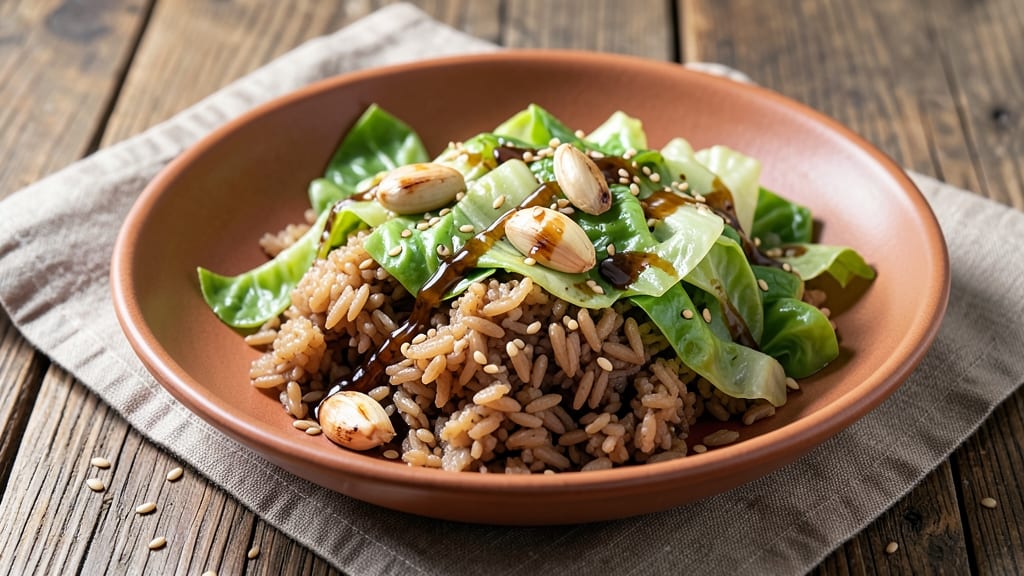
This brown rice and cabbage recipe transforms simple ingredients into a savory, textured side dish with crispy cabbage edges that balance perfectly with chewy brown rice. The secret lies in high-heat sautéing, which caramelizes the cabbage while keeping the rice's nutty depth intact—no fancy techniques required.
What starts as humble pantry staples becomes a restaurant-worthy bite that pairs effortlessly with proteins or stands alone as a hearty vegetarian meal.
What makes this dish special is its versatility and beginner-friendly approach—just 15 minutes of active prep, minimal cleanup, and ingredients you likely already have.
The flavor profile leans on bright garlic, toasted sesame, and a touch of soy for umami depth, while the cabbage's natural sweetness shines through when properly caramelized.
Serve it as a side for grilled chicken or fish, or turn it into a complete meal by adding pan-seared tofu or chickpeas for extra protein. The result? A dish that's as nutritious as it is satisfying, with every bite offering a satisfying contrast of textures and flavors.
Ingredients for brown rice and cabbage
Pantry staples meet high-heat technique for a vegetarian dish with restaurant-worthy texture contrast.
| Ingredient | Amount | Notes |
|---|---|---|
| Brown Rice 🌾 | 1 cup | Uncooked, long-grain preferred |
| Green Cabbage 🥬 | 4 cups | Shredded, outer leaves removed |
| Garlic Cloves 🧄 | 4 cloves | Minced, freshly crushed preferred |
| Sesame Seeds 🌰 | 1 tbsp | Toasted, for garnish and flavor |
| Low-Sodium Soy Sauce 🥢 | 2 tbsp | For umami depth, reduced-sodium preferred |
| Sesame Oil 🫒 | 1 tbsp | Toasted, for aromatic richness |
| Vegetable Oil 🫒 | 2 tbsp | High smoke point for sautéing |
| Ginger Root 🧅 | 1 tbsp | Freshly grated, for zesty brightness |
| Diamond Crystal Kosher Salt 🧂 | ½ tsp | For seasoning, adjust to taste |
| Ground Black Pepper 🌶️ | ¼ tsp | Freshly ground, for subtle heat |
| Vegetable Broth 💧 | 1 ½ cups | Low-sodium, for rice cooking |
| Lemon Juice 🍋 | 1 tbsp | Freshly squeezed, for acid balance |
| Red Pepper Flakes 🌶️ | ½ tsp | Optional, for added heat |
The cabbage is your texture anchor—look for firm heads with crisp leaves, avoiding any with yellowing or wilted spots. Whole Foods or local farmers' markets often carry the freshest cuts, but any grocery store's green cabbage works if it's fresh. For the brown rice, jasmine or short-grain varieties add extra chewiness, but long-grain holds its shape best here. Toast your sesame seeds in a dry pan until golden for maximum aroma—30 seconds is perfect. The garlic should be freshly minced right before cooking to preserve its bright flavor, not pre-minced from a jar.
No sesame oil? Toasted peanut oil works in a pinch, though the flavor profile shifts slightly. Substitute low-sodium soy sauce with coconut aminos or tamari for gluten-free needs, but reduce the amount by half since these are more concentrated. Fresh ginger is ideal, but dried ginger at one-third the amount suffices if you're in a hurry. For extra protein, add 1 cup cooked chickpeas or crumbled tofu at the end of cooking. The red pepper flakes are optional but recommended—they add a subtle kick that complements the cabbage's natural sweetness without overpowering it.
Store cooked brown rice in an airtight container with a damp paper towel to prevent drying for up to 5 days. The cabbage mixture reheats beautifully—simply add a splash of water or broth and warm through. For best texture, re-crisp edges by sautéing in a dry pan for 2-3 minutes before serving. Freeze portions in single-serving containers for up to 3 months. When reheating from frozen, thaw in the fridge overnight for even cooking.
Why You'll Love This Recipe
- One-Pot Magic: I swear by this—just toss everything in one pot, and you’re done. No rinsing grains separately, no chopping cabbage into perfect shreds (mine always look like a toddler’s art project), and the rice cooks right in the same liquid as the cabbage. That’s 15 minutes saved, easy.
- Umami Bomb: That low-sodium soy sauce and garlic? They turn this into something ridiculously flavorful without tasting like a chemistry experiment. The cabbage gets tender but still holds its crunch, and the sesame seeds add this little nutty crunch that makes it taste like you put in way more effort than you did.
- Lunchbox Hero: Between us, this is my go-to for meal prep. The rice stays firm for days, the cabbage doesn’t get soggy, and it reheats like a dream. Pack it cold for work or warm it up for dinner—either way, it’s a solid. (Yes, even on a Tuesday night when you’re exhausted.)
- Budget Win: Brown rice is cheap, cabbage lasts forever, and a few cloves of garlic stretch far. Honestly, I make this when I’m trying to feed the family without breaking the bank, and no one complains. Leftovers? Even better—taste just as good the next day, if not more so.
Step-by-step instructions for savory sautéed brown rice and cabbage
This method delivers perfectly crisp-tender brown rice with caramelized cabbage and aromatic depth.
Cook the Brown Rice to Al Dente Perfection
Rinse the 1 cup brown rice thoroughly under cold water until the water runs clear. This removes excess starch that would make the rice gummy. In a medium saucepan, combine the rinsed rice with the 1.5 cups vegetable broth and bring to a boil over medium-high heat. Once boiling, immediately reduce heat to low, cover tightly with a lid, and simmer for 35-40 minutes.
Check for doneness by pressing a grain between your fingers—it should be firm but tender with a slight bite. If the rice isn't fully cooked, add 2 tablespoons water and continue cooking for another 5 minutes. Avoid peeking during cooking, as this releases steam and affects texture. Once done, remove from heat and let it sit covered for 10 minutes—this resting period allows the rice to finish absorbing moisture and develop its nutty flavor.
Sauté Cabbage and Aromatics for Maximum Flavor
While the rice cooks, heat 2 tablespoons vegetable oil in a large skillet over medium-high heat until shimmering. Add the 4 cups shredded green cabbage and stir to distribute evenly. Cook for 8-10 minutes, stirring occasionally, until the cabbage softens and the edges begin to brown. This caramelization builds sweetness and depth of flavor.
Add the 4 cloves minced garlic and 1 tablespoon freshly grated ginger root, stirring constantly for 30 seconds until fragrant. The garlic should sizzle but not burn—if it darkens too quickly, reduce heat slightly. Here's the thing—don't rush this step. The aromatic compounds need time to develop fully before moving to the next phase.
Build the Sauce with Umami and Acid Balance
Pour in the 2 tablespoons low-sodium soy sauce and 1 tablespoon toasted sesame oil, stirring to coat the cabbage. Let it simmer for 2 minutes until the sauce reduces slightly and clings to the cabbage. Add the 1 tablespoon lemon juice and 0.5 teaspoon red pepper flakes, stirring well. The acidity brightens the dish while the red pepper flakes add subtle heat—adjust to taste if you prefer more or less spice.
Season with 0.5 teaspoon Diamond Crystal kosher salt and 0.25 teaspoon freshly ground black pepper, tasting as you go. The cabbage should be tender-crisp with a glossy coating from the sauce. If the mixture seems dry, add 1 tablespoon water to loosen it. This step is where all the flavors come together—don't skip the tasting.
Combine Rice and Cabbage for Perfect Texture
Gently fold the cooked brown rice into the cabbage mixture using a spatula, being careful not to break the rice grains. Distribute evenly to ensure each bite has both components. Stir in the 1 tablespoon toasted sesame seeds and let the dish sit off heat for 2-3 minutes—this allows the sesame seeds to release their nutty aroma and the flavors to meld.
For serving, transfer to a platter and garnish with an additional sprinkle of sesame seeds. The final dish should have crisp-tender cabbage with caramelized edges, nutty brown rice, and a balance of umami, acidity, and subtle heat. Serve immediately while the cabbage maintains its perfect texture—this dish doesn't reheat well.
Pro Tips For Making Brown Rice And Cabbage
- Rinse Rice Twice: I learned this the hard way—skipping the rinse leaves your brown rice gummy and clumpy. Swirl it in a fine-mesh strainer under cold water until the water runs clear (about 30 seconds). This removes excess starch and guarantees fluffy, separate grains—no mushy disappointment.
- Cut Cabbage Small: Big chunks of cabbage steam instead of caramelize, leaving you with sad, watery greens. Aim for ½-inch pieces or smaller—they’ll cook faster and develop that sweet, tender-crisp texture you actually want. (Yes, it takes 2 minutes extra to chop properly.)
- Bloom Garlic First: Toss raw garlic cloves into the pan with oil and let them sizzle for 30 seconds until fragrant before adding cabbage. This builds flavor foundation—skipping it means your dish tastes like cabbage and maybe garlic, not a cohesive, aromatic bite.
- Toast Sesame Seeds Dry: Dump sesame seeds straight into a dry, hot pan and shake constantly for 30–45 seconds until they’re golden and popping. The nutty aroma jumps off the plate—wet or cold seeds just won’t cut it. (Pro move: Do this last, right before serving.)
Health benefits of this recipe
Fiber Powerhouse
This dish is a fiber champion, thanks to the brown rice and green cabbage combo. A single serving delivers about 8 grams of fiber—that's 30% of your daily needs—which supports digestion and keeps you full longer.
The cabbage provides insoluble fiber for gut health, while brown rice contributes soluble fiber that helps regulate blood sugar. 🌱
Plant-Based Protein
While not a complete protein source, this recipe packs 4 grams of plant-based protein per serving from the brown rice alone. Adding ½ cup cooked chickpeas boosts it to 12 grams, making it a satisfying vegetarian option.
The soy sauce and sesame seeds contribute additional amino acids, helping balance the protein profile.
Low-Calorie Nutrient Density
At just 250 calories per serving, this dish delivers serious nutrition without excess calories. It's rich in vitamin C (from cabbage) and vitamin B6 (from brown rice), both essential for immune function and energy metabolism.
The ginger and garlic add anti-inflammatory benefits, while sesame seeds provide calcium and magnesium for bone health.
Blood Sugar Benefits
Brown rice has a lower glycemic index than white rice, helping stabilize blood sugar levels. The cabbage's fiber content further slows digestion, preventing spikes. This makes the dish ideal for diabetes management or anyone monitoring blood sugar. The lemon juice adds an extra metabolic boost by enhancing nutrient absorption.
Antioxidant Boost
The cabbage contains sulforaphane, a potent antioxidant that may help reduce inflammation and lower cancer risk. Sesame seeds contribute sesamin, which supports heart health by reducing cholesterol levels. Together, these ingredients create a nutrient-dense dish that fights oxidative stress while satisfying your taste buds. 💪
Meal Prep Friendly
This recipe stores well for 4-5 days in the fridge, making it perfect for meal prep. The fiber and protein content help maintain satiety, preventing midday energy crashes.
Plus, the balanced macros make it a great option for weight management while still being delicious and filling. Just reheat gently to preserve texture!
Nutrition facts
Frequently asked questions
Can I use white rice instead of brown rice in this recipe?
You can substitute white rice, but the texture and nutritional benefits will change. White rice cooks faster (15-18 minutes) and has a softer, less chewy bite. For a closer match, use jasmine rice and reduce cooking time by 5 minutes. The dish will still taste great, but you'll lose the fiber and nutty depth that brown rice provides.
How do I prevent the cabbage from getting mushy?
High heat and proper timing are key! Cook the cabbage over medium-high heat for no longer than 8-10 minutes, stirring occasionally. Start with thin shreds (about 1/8-inch thick) for even cooking. If using thicker slices, reduce cooking time by 2 minutes. The edges should brown while the center stays crisp.
What are some protein additions to make this a complete meal?
Add ½ cup cooked chickpeas (boosts protein to 12g per serving) or ½ cup crumbled tofu (pan-seared for extra texture). For meat-eaters, stir in ½ cup shredded rotisserie chicken or ¼ cup ground turkey at the end. For a vegan option, mix in 2 tablespoons nutritional yeast for a cheesy, umami kick.
Can I make this recipe ahead of time?
Yes, but with a few adjustments. Cook the rice and cabbage separately, then store them in airtight containers for up to 4 days. When ready to serve, reheat the cabbage in a dry pan for 2-3 minutes to restore crispness, then mix with the rice. Avoid microwaving the cabbage—it turns soggy. The rice reheats best with a splash of water or broth.
What's the best way to store leftovers?
Transfer leftovers to an airtight container and refrigerate for up to 5 days. For longer storage, freeze portions in single-serving containers for up to 3 months. When reheating from frozen, thaw overnight in the fridge first. To maintain texture, reheat cabbage in a dry skillet over medium heat for 3-4 minutes, stirring occasionally.