
Main Courses
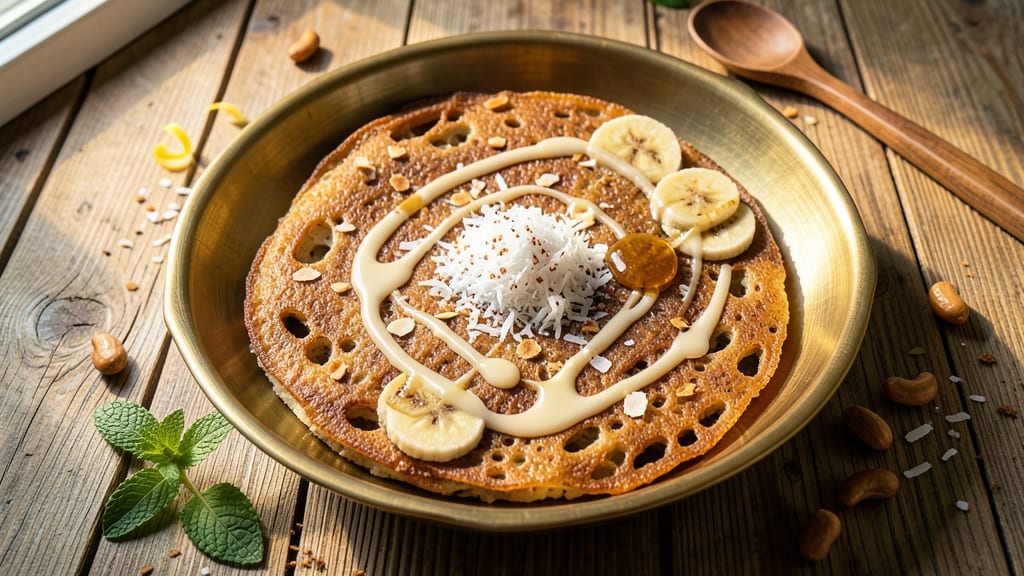
This brown rice appam recipe transforms simple ingredients into fluffy, crisp-edged South Indian pancakes with a fragrant coconut curd filling—perfect for breakfast or brunch. The secret lies in fermenting the batter overnight, creating a light, airy texture that's both satisfying and nutritious.
Unlike traditional appam, this version uses whole-grain brown rice for added fiber and protein, making it a wholesome yet indulgent treat.
What makes these appam truly special is their delicate balance of crispy edges and soft centers, achieved through precise pan-frying. The coconut curd filling adds a creamy contrast, while optional toppings like sugar, grated coconut, or ghee elevate them into a restaurant-worthy dish.
Whether you're serving a crowd or treating yourself to a comforting meal, this recipe delivers authentic South Indian flavors with minimal effort.
Ingredients for brown rice appam
Whole grains and tropical flavors come together for these nutritious South Indian pancakes.
| Ingredient | Amount | Notes |
|---|---|---|
| Brown Rice 🌾 | 1 cup | Uncooked, rinsed thoroughly |
| All-Purpose Flour 🌾 | ½ cup | For structural integrity |
| Grated Coconut 🥥 | ½ cup | Freshly grated, unsweetened |
| Coconut Milk 🥛 | ½ cup | Full-fat, canned preferred |
| Yogurt 🍶 | ¼ cup | Plain, unsweetened, live cultures |
| Sugar 🍚 | 2 tbsp | White granulated or jaggery |
| Salt 🧂 | ½ tsp | Fine sea salt preferred |
| Baking Powder 🍞 | ½ tsp | Aluminum-free for best results |
| Ghee 🧈 | 2 tbsp | For frying, clarified butter |
| Cardamom Powder 🌿 | ¼ tsp | Ground, aromatic variety |
| Water 💧 | 1 ½ cups | Room temperature preferred |
| Coconut Oil 🫒 | 1 tbsp | For filling preparation |
| Sugar 🍚 | ¼ cup | Fine granulated, for filling |
The brown rice is the foundation here—Bob's Red Mill or Lundberg brands work best for consistent texture. Fermentation is key, so use live-culture yogurt from the refrigerated section, not the shelf-stable kind. Freshly grated coconut makes all the difference; Trader Joe's or Whole Foods carry the best quality in the frozen section. For the ghee, Gowardhan or Kerala brand ghee adds authentic flavor, though any high-quality ghee will work. Cardamom should be ground fresh if possible, but pre-ground works in a pinch—just measure carefully.
No cardamom? Cinnamon at half the amount adds warmth, though it won't be identical. Substituting coconut milk with cashew cream (blend soaked cashews with water) works for those avoiding dairy. For the filling, if you can't find fresh grated coconut, unsweetened desiccated coconut from the baking aisle will do. The sugar can be swapped for jaggery or palm sugar for a more traditional touch. For those avoiding gluten, increase the brown rice to 1.25 cups and reduce flour to 0.25 cup, but expect slightly denser appam.
The batter ferments best at 80-85°F—place it in a warm spot like near the oven with the light on. Once fermented, use within 12 hours for optimal texture. The coconut filling can be made 2 days ahead and stored in the fridge. For leftovers, reheat in a dry pan over medium heat for 2-3 minutes per side—they crisp up beautifully. Freezing isn't recommended as it alters the delicate texture, but you can freeze the batter for up to 1 month before fermenting.
Why You'll Love This Recipe
- Here’s what sold me: I already had all the ingredients. Brown rice, flour, coconut—none of those fancy imports. The batter keeps well in the fridge for up to 3 days, so I can make a big batch and reheat them on busy mornings. No waste, no stress.
- No Soaking Needed: I’ll admit, I was skeptical at first—no overnight soak for the brown rice? But the trick is pre-cooking it until it’s just tender, then blending it into the batter. The texture stays perfect, no gummy surprises, and honestly, it cuts prep time in half. Just 15 minutes of simmering, then you’re mixing.
- Coconut Magic: Between us, the grated coconut and coconut milk in this batter make it ridiculously good. That nutty, slightly sweet depth from the brown rice? It pairs with the coconut like a match made in heaven. Plus, the yogurt keeps it light—no heavy, greasy feeling here.
- Breakfast or Snack: I make these for lazy Sundays, but they’re also my go-to for quick lunches. Serve them with a simple coconut chutney and a side of sambar, or just dip them in sugar and milk for a dessert-like treat. The same batter works for both—no need for separate recipes.
Step-by-step instructions for brown rice appam
Here's the precise method to achieve perfectly fluffy, lacy-edged appam with a tender coconut filling.
Soak and Grind the Brown Rice Batter
Rinse the 1 cup brown rice thoroughly under cold water until the water runs clear. Soak it in 1.5 cups water for at least 6 hours or overnight. This long soak ensures the rice softens completely and develops that signature fluffy texture.
Drain the soaked rice and transfer it to a blender with 0.5 cup grated coconut, 0.5 cup coconut milk, 0.25 cup yogurt, 2 tbsp sugar, 0.5 tsp salt, 0.5 tsp baking powder, and 0.25 tsp cardamom powder. Blend until completely smooth, scraping down the sides as needed. The batter should be thin but cohesive—like heavy cream. If it's too thick, add 1-2 tablespoons water at a time until it reaches the perfect pouring consistency.
Prepare the Coconut Filling
In a small bowl, mix together 1 tbsp coconut oil and 0.25 cup sugar until the sugar dissolves completely. Add 0.5 cup grated coconut and stir until fully combined. The mixture should be smooth and slightly glossy. This filling will create the signature sweet contrast when sandwiched between the appam layers.
Set the filling aside while you prepare the batter for frying. The coconut should be at room temperature for even distribution later. If the mixture feels too dry, add 1 teaspoon coconut milk to help it bind properly when assembling.
Heat Ghee and Fry the Appam
Heat 2 tbsp ghee in a non-stick skillet over medium-low heat until it shimmers but doesn't smoke. The ghee should be hot enough to sizzle gently when the batter touches it—this creates those beautiful lacy edges. Pour a ladleful of batter into the center of the skillet and immediately swirl it gently in circular motions to form a thin, even layer.
Cook for 2-3 minutes until the edges turn golden brown and the top develops small bubbles. The center should still look slightly undercooked—this is normal. Flip the appam carefully using a spatula and cook for another 1-2 minutes until the second side is lightly browned. Remove to a plate and cover with a clean cloth to keep warm. Repeat with the remaining batter, adding more ghee as needed to maintain the proper heat level.
Assemble and Serve
Once all appam are cooked, spread 1 teaspoon of the coconut filling onto one half of each appam. Press gently but firmly to create a neat sandwich. The filling should be evenly distributed between the layers without leaking out.
Serve immediately while still warm. The appam should be light and airy with a delicate crispness at the edges, while the coconut filling adds a sweet, creamy contrast. For best results, serve with a side of coconut milk or your favorite chutney. These pancakes are best enjoyed fresh—they lose their fluffiness as they cool.
Pro Tips For Making Brown Rice Appam
- SOAK THE RICE LONG ENOUGH: I learned this the hard way—skipping the overnight soak (or worse, just a few hours) leaves your batter gummy and uneven. Aim for 12-14 hours in water with a pinch of salt; the rice should swell and soften completely. Drain just before blending—no need to rinse, or you’ll dilute the flavor.
- GRATE COCONUT FRESH (OR FREEZE): Store-bought grated coconut loses moisture fast, making your appam dry. If you’re not grating fresh, toss frozen shredded coconut in warm water for 5 minutes to revive it—it’ll soak up just enough to mimic fresh texture. (Yes, even if you’re impatient like me.)
- TEST BATTER CONSISTENCY: Too thick? Your appams will be dense. Too thin? They’ll spread like pancakes. The right batter should just coat the back of a spoon—thicker than dosa but not gluey. If it’s stubborn, add a splash of coconut milk (not water) to loosen it gradually.
- USE A WELL-HEATED, DRY PAN: A cold or damp pan is the fastest way to greasy, uneven appams. Heat your skillet on medium-high until a drop of water sizzles instantly, then add 1 tsp coconut oil per appam—just enough to coat the base, not drown it. (Your future self will thank you.)
Storing and reheating this brown rice appam
Refrigerator Storage
Store leftover appam in an airtight container lined with parchment paper to prevent sticking. Keep them in the fridge for up to 3 days, but I recommend reheating within 24 hours to preserve that signature fluffiness.
The coconut filling can separate slightly, so give it a quick stir before reheating. 🥥
Reheating for Crispy Edges
For best results, reheat appam in a non-stick skillet over medium heat for 1-2 minutes per side. Add a tiny drizzle of ghee or coconut oil to restore that crispy edge and prevent drying.
Avoid microwaving—it turns the appam rubbery. Cover the pan loosely with a lid to trap steam and revive the texture.
Freezing the Batter
You can freeze the batter before fermentation for up to 1 month in a freezer-safe container. Thaw overnight in the fridge, then proceed with fermentation as directed. The texture will be slightly denser, but still delicious. Never freeze the cooked appam—they won't recover their signature lightness. ❄️
Filling Preservation
The coconut filling stays fresh in the fridge for 2 days in an airtight jar. If it thickens, whisk in 1 teaspoon coconut milk to restore its smooth consistency.
For longer storage, freeze the filling in 1-tablespoon portions—thaw at room temperature before using. This prevents waste if you're making multiple batches.
Reviving Stale Appam
If your appam have lost their fluffiness, don't toss them! Warm them in a toaster oven at 350°F for 3-4 minutes to crisp up the edges. Sprinkle with a pinch of sugar or cardamom powder to revive the flavors.
They'll never be as light as fresh, but they make great toast or dessert toppings. 💡
Nutrition facts
Frequently asked questions
Why does my brown rice appam batter look too thick?
Brown rice absorbs more liquid than white rice, so your batter might need adjustment. Thin it gradually with 1 tablespoon water at a time until it reaches a pourable consistency—like heavy cream. Over-thinning can make the edges too soft, so aim for a smooth but slightly viscous texture. If using extra-firm coconut, blend it longer to release more moisture.
Can I make appam without fermentation?
Fermentation creates the signature fluffiness, but you can make a quick version by replacing 0.25 cup yogurt with 0.25 cup buttermilk or lemon juice mixed with milk. Add 0.5 tsp baking soda to the batter for lift. The texture will be denser but still delicious—ideal for busy mornings. Fermented appam taste more complex, though!
How do I prevent appam from sticking to the pan?
Use a non-stick skillet (preferably cast iron or stainless steel with a non-stick coating) and ensure it's hot enough—ghee should sizzle when poured. Lightly coat the pan with ghee before each batch, and avoid overcrowding. A well-seasoned pan helps too! If sticking occurs, reduce heat slightly and let the appam cook longer on each side.
What's the best way to adjust sweetness for kids?
For little ones, reduce the sugar in the batter to 1 tbsp and add 1 extra tbsp sugar to the coconut filling. You can also sprinkle powdered sugar on top after serving. For a healthier option, use mashed banana or dates instead of sugar—both add natural sweetness and moisture. Always taste the filling before assembling!
Can I make gluten-free brown rice appam?
Yes! Replace the 0.5 cup all-purpose flour with 0.5 cup gluten-free flour blend (like Bob's Red Mill 1:1). For best texture, increase the brown rice to 1.25 cups and reduce water slightly. The appam will be slightly denser but still delicious. Test small batches first to adjust consistency.