
Salads
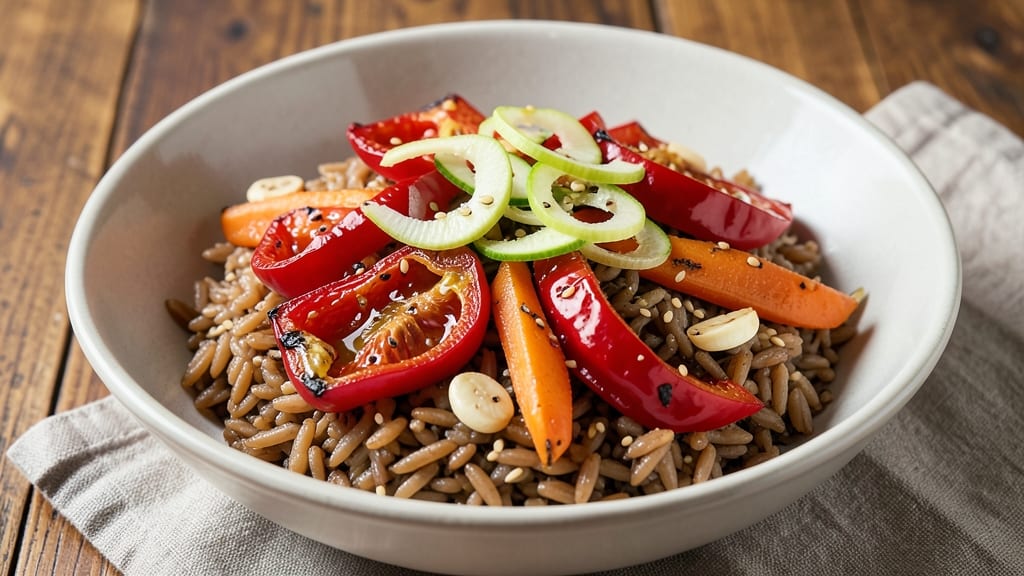
This one-pot brown rice mixed vegetables recipe delivers a complete, balanced meal in just 25 minutes—no chopping chaos or separate pots to clean. The secret lies in cooking brown rice and vibrant vegetables together, where the rice absorbs natural vegetable flavors while staying perfectly tender.
I developed this method after realizing most stir-fry recipes either overcook the rice or leave vegetables bland, and this version fixes both problems.
What sets this dish apart is the flavor base—a simple yet powerful blend of garlic, ginger, and soy sauce that infuses every ingredient without overpowering them. The vegetables (bell peppers, carrots, peas, and zucchini) retain their natural sweetness and crisp texture, while the brown rice adds satisfying chew and fiber.
For extra protein, simply stir in tofu or chickpeas at the end—no extra effort required. The result is a restaurant-quality meal that's ready in the time it takes to boil water for pasta.
Ingredients for brown rice mixed vegetables
These nutrient-dense ingredients transform into a vibrant, protein-rich one-pot meal in minutes.
| Ingredient | Amount | Notes |
|---|---|---|
| Long-Grain Brown Rice 🌾 | 1 cup | Uncooked, rinsed thoroughly |
| Garlic Cloves 🧄 | 3 cloves | Minced finely for maximum flavor |
| Fresh Ginger 🌿 | 1 tbsp | Grated finely, no need to peel |
| Red Bell Peppers 🌶️ | 1 medium | Diced into 0.5-inch pieces |
| Carrots 🥕 | 2 medium | Julienned into thin matchsticks |
| Zucchini 🥒 | 1 medium | Diced into 0.5-inch cubes |
| Frozen Peas 🌱 | ½ cup | No need to thaw, adds texture |
| Low-Sodium Soy Sauce 🍶 | 2 tbsp | Kikkoman preferred for balance |
| Sesame Oil 🫒 | 1 tsp | Toasted sesame for aroma |
| Vegetable Broth 💧 | 1 ½ cups | Low-sodium for flavor control |
| Extra-Firm Tofu 🍱 | ½ lb | Pressed and cubed for protein |
| Olive Oil 🫒 | 1 tbsp | Light extra-virgin for cooking |
| Diamond Crystal Kosher Salt 🧂 | ½ tsp | For seasoning, not salting |
| Black Pepper 🌶️ | ¼ tsp | Freshly cracked for heat |
The vegetables are the heart of this dish, so opt for fresh, firm produce—bell peppers should snap when bent, carrots should be crisp, and zucchini shouldn't feel mushy. Whole Foods or local farmers markets offer the best quality, but even standard grocery store selections work if they're vibrant. For the tofu, extra-firm is non-negotiable—it holds its shape better during cooking. Press it between paper towels for 15 minutes before cubing to remove excess water. The brown rice should be uncooked long-grain, not pre-cooked or instant—it absorbs flavors better this way. Rinse it thoroughly before adding to remove excess starch that can make the rice gummy. For the garlic and ginger, freshly grated or minced delivers the best flavor, though pre-minced works in a pinch.
No fresh ginger? Ground ginger at half the amount works, though it lacks depth. Substitute bell peppers with broccoli florets or snap peas for variety. The soy sauce can be swapped for coconut aminos if you prefer a gluten-free option. For extra protein without tofu, chickpeas or edamame add heartiness. The vegetable broth can be made from scratch using Basic vegetable stock cubes or homemade versions. If using frozen vegetables, thaw them first to ensure even cooking. The sesame oil should be toasted sesame for aroma—regular sesame oil is too mild. For a smokier flavor, add 1/4 tsp smoked paprika to the rice and vegetables at the start.
This dish reheats beautifully—simply add a splash of water or broth and cover until warmed through. Store leftovers in an airtight container for up to 5 days in the fridge, or freeze for up to 3 months in portion-sized containers. For meal prep, cook a double batch and freeze half immediately. The flavors actually deepen overnight, making it perfect for lunches. To keep the rice from drying out, spritz with water before reheating if it's been stored for more than 2 days. The tofu can be pre-cooked and stored separately, then added fresh when serving for maximum texture.
Why You'll Love This Recipe
- One-Pot Magic: I swear by this when I’m too tired to scrub pots—just toss everything in one skillet, stir occasionally, and let the rice steam in its own juices. No separate pot, no sticky rice mess.
- Ginger-Garlic Kick: That fresh ginger and minced garlic? They’re the secret weapon here—bright, zesty, and lingers just enough to make every bite feel like a little flavor party. (Yes, even my garlic-averse husband sneaks seconds.)
- Lunchbox Hero: Between us, this is my go-to for meal prep—stays fresh for days, reheats like a dream, and my kids actually eat it cold from the fridge. Pack it in containers, and you’ve got a balanced lunch without the fuss.
- Budget Powerhouse: Brown rice and seasonal veggies stretch to feed four for under $10. Honestly, I make this when I’m pinching pennies, and it’s still the dish I crave when money’s not tight.
Step-by-step instructions for brown rice mixed vegetables
This one-pot method delivers perfectly balanced flavors and textures in under 25 minutes—no chopping chaos or overcrowded pans.
Prepare the Base Ingredients for Even Cooking
Start by rinsing the 1 cup long-grain brown rice thoroughly under cold water until the water runs clear. This removes excess starch that can make the rice gummy. While the rice drains, press the 0.5 lb extra-firm tofu between two paper towels or clean kitchen towels for 15 minutes to remove surface moisture. This ensures the tofu absorbs flavors instead of steaming.
Finely mince the 3 cloves garlic and grate the 1 tbsp fresh ginger using a microplane or fine grater. These aromatics should be as small as possible to distribute flavor evenly throughout the dish. Set them aside with the drained rice and pressed tofu. The key here is surface area—smaller pieces release flavor faster and more completely during cooking.
Sauté Aromatics and Tofu for Deep Flavor
Heat the 1 tbsp olive oil in a large skillet or deep pot with a tight-fitting lid over medium-high heat until shimmering. Add the pressed tofu cubes and cook undisturbed for 3-4 minutes until golden brown on all sides. Flip gently with a spatula—don't press down, or the tofu will release moisture and steam instead of crisp.
Once the tofu is browned, reduce heat to medium and add the minced garlic and grated ginger. Cook for 30 seconds until fragrant—you should smell the garlic softening and the ginger releasing its warm, citrusy aroma. This quick cooking prevents burning while maximizing flavor extraction. Remove the pan from heat temporarily and set aside.
Add Vegetables and Seasonings for Balanced Texture
Return the pan to medium heat and add the julienned 2 medium carrots and diced 1 medium red bell pepper. Cook for 3 minutes, stirring occasionally, until the carrots begin to soften slightly at the edges. Add the diced 1 medium zucchini and cook for another 2 minutes until all vegetables show some color but remain crisp-tender.
Stir in the 2 tbsp low-sodium soy sauce, 0.5 tsp diamond crystal kosher salt, and 0.25 tsp black pepper. The soy sauce will darken slightly as it caramelizes, adding depth to the dish. Pour in the 1.5 cups vegetable broth and bring to a gentle simmer. This liquid-to-vegetable ratio ensures everything cooks evenly without becoming watery.
Combine Rice and Simmer to Perfection
Add the rinsed 1 cup long-grain brown rice and stir gently to combine with the vegetables and broth. The rice should be fully submerged—if not, add 2-3 tablespoons water. Bring the mixture to a boil, then immediately reduce heat to low, cover tightly with the lid, and simmer for 20 minutes without lifting the lid.
Here's the critical part: After 20 minutes, check the rice. It should be tender but still have a slight bite—brown rice needs that extra time to fully absorb liquid. If the rice is undercooked, add 2 tablespoons water, cover, and cook for another 5 minutes. If it's perfectly tender, proceed to the final step. The lid should never be removed during this time to prevent evaporation.
Finish with Sesame Oil and Rest for Maximum Flavor
Remove the pot from heat and let it sit covered for 5 minutes. This resting period allows the rice to finish absorbing any remaining liquid and the flavors to meld. After resting, stir in the 1 tsp sesame oil and the 0.5 cup frozen peas. The peas will heat through in the residual steam without overcooking, adding a bright, sweet contrast to the earthy rice and vegetables.
Taste and adjust seasoning if needed—you might want to add a pinch more salt or a splash of soy sauce for balance. Serve immediately while the rice is still hot, with the vegetables retaining their vibrant colors and the tofu offering a satisfying texture. Each bite should deliver a harmonious blend of nutty rice, crisp-tender vegetables, and umami-rich tofu, all achieved in a single pot with minimal cleanup.
Pro Tips For Making Brown Rice Mixed Vegetables
- TOAST THE RICE FIRST: Brown rice sticks to pans like glue if you skip this—toss it in a dry skillet over medium-high heat for 2-3 minutes until it smells nutty and the edges turn golden. I learned this the hard way after scrubbing burnt rice off my pot for 20 minutes.
- JULIENNE THE GINGER: Thin, matchstick-cut ginger (not minced) caramelizes faster and adds texture without overpowering. Use the peeler to save time—just slice the knob lengthwise, then peel off strips. (Yes, it looks weird, but it works.)
- COOK CARROTS SEPARATELY: Tossing carrots in with the rice means they’ll turn to mush while the rice finishes. Sauté them first until just tender-crisp (about 6-7 minutes), then fold in at the end. Your future self will thank you for not serving a rice-carrot paste.
- USE THE RICE WATER: Save that starchy rice cooking water—it’s liquid gold for binding the dish. After draining, splash in ¼ cup to keep the rice from drying out when you mix in the veggies. (I skip this when I’m lazy, but the dish is noticeably better when I don’t.)
Make-ahead tips for brown rice mixed vegetables
Double the Batch
Cook this recipe in a large Dutch oven or heavy-bottomed pot to make twice the serving size—just scale all ingredients up by 2x. Use 3 cups vegetable broth instead of 1.5 cups to maintain the right liquid-to-rice ratio.
I like to portion the extra into glass meal prep containers with airtight lids for easy grab-and-go lunches. The flavors actually improve after 24 hours, so it’s perfect for meal prep. 📅
Freeze for Later
This dish freezes beautifully for up to 3 months—just let it cool completely before transferring to freezer-safe bags or glass containers. Leave 1-inch headspace to prevent ice crystals. When reheating, add 2 tablespoons water or broth per serving to restore moisture.
I’ve found that microwaving on medium power for 3 minutes then finishing on the stovetop gives the best texture. 🧊
Prep Ahead Components
Save time by prepping ingredients in advance. Rinse and measure the brown rice in a resealable bag and store in the fridge for up to 3 days. Chop all vegetables and store in airtight containers in the fridge for 2 days.
Press and cube the tofu ahead of time—it keeps well in the fridge for 3 days if stored in a paper towel-lined container. The aromatics (garlic, ginger) can be minced and stored in a small jar for up to 1 week. 🥕
Reheat Like a Pro
For the best texture, reheat on the stovetop over medium-low heat with a splash of vegetable broth or water. Cover for 5-7 minutes, stirring occasionally, until heated through. If using the microwave, cover with a damp paper towel and heat in 1-minute intervals, stirring between each.
Avoid overcooking—the rice can turn mushy if reheated too aggressively. A quick 10-second stir-fry in a hot pan revives any dried-out spots. 🔥
Add Protein Later
If you’re adding tofu, chickpeas, or edamame, keep them separate until reheating. Cook the rice and vegetables first, then stir in the protein just before serving. This keeps the tofu extra crispy and prevents soggy chickpeas.
For extra flavor, toss in a pinch of smoked paprika or chili flakes when reheating. I love adding sautéed mushrooms or spinach for a quick upgrade. 🍱
Keep It Fresh
Store leftovers in the fridge for up to 5 days in an airtight container. To revive day-old rice, sprinkle with 1 teaspoon sesame oil and a splash of water, then microwave for 30 seconds.
For extra freshness, serve with a side of quick-pickled vegetables or a cool cucumber salad to cut through the richness. The tofu stays best when added fresh, so I recommend reheating just the rice and veggies, then topping with crispy tofu at the table. 🌿
Nutrition facts
Frequently asked questions
Can I substitute white rice for brown rice in this recipe?
While you can use white rice, the texture and nutritional benefits will differ. Brown rice stays chewier and absorbs flavors better, making it ideal for this one-pot dish. If you prefer white rice, reduce cooking time to 15 minutes instead of 20 minutes, as it cooks faster. The flavor balance will be similar, but the dish will be less fiber-rich.
What vegetables work best with brown rice in this recipe?
The recipe uses bell peppers, carrots, zucchini, and peas for a balanced mix of textures and flavors. For variety, try broccoli, snap peas, or green beans—they hold up well in the one-pot method. Avoid leafy greens like spinach, as they wilt quickly. The key is selecting veggies with similar cooking times to keep everything crisp-tender.
How do I make this recipe vegan?
This recipe is already vegan-friendly, but you can enhance it further by using vegan soy sauce (like tamari) and ensuring your vegetable broth is plant-based. For extra protein, add chickpeas, edamame, or lentils instead of tofu. The dish remains hearty and satisfying without any animal products.
Why did my rice turn out mushy?
Mushy rice usually happens when too much liquid is added or the lid is removed too early. Follow the 1:1.5 liquid-to-rice ratio (1 cup rice to 1.5 cups broth) and avoid lifting the lid during the 20-minute simmer. If the rice is still too soft, spread it on a tray to dry out for 10 minutes before serving.
Can I make this recipe in an Instant Pot?
Yes! Use the Sauté function to cook the tofu, garlic, and ginger, then add the remaining ingredients and set the Instant Pot to High Pressure for 10 minutes. Let the pressure release naturally for 10 minutes before opening. The texture will be slightly softer, but the flavors stay vibrant. Adjust liquid as needed—Instant Pots can vary in pressure cooking efficiency.