
Soups & Stews
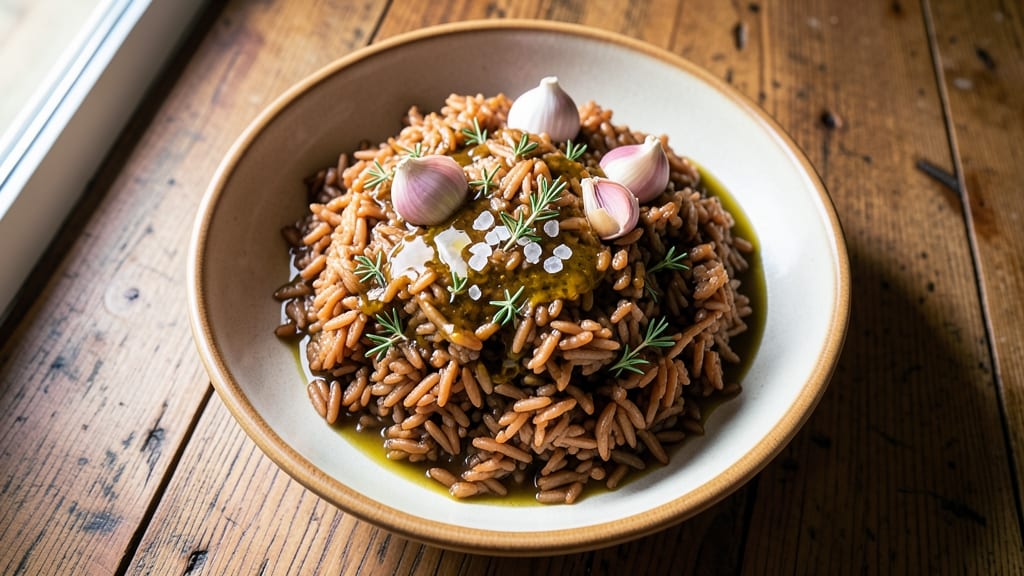
Martha Stewart’s brown rice recipe transforms simple grains into nutty, fluffy perfection with minimal effort—no fancy equipment required. The secret lies in proper soaking and a precise water-to-rice ratio, ensuring even cooking and that signature chewy texture. This one-pot method delivers restaurant-quality results every time, making it ideal for weeknight dinners or elegant gatherings.
With just 15 minutes of active prep and 45 minutes of hands-off simmering, you’ll achieve grains that are tender yet distinct, with a subtle earthiness that pairs beautifully with proteins or fresh vegetables. The recipe’s refined simplicity reflects Martha Stewart’s signature approach: elegant yet accessible, ensuring flawless execution without compromise.
Ingredients for brown rice recipe martha stewart
Elegant simplicity: twelve ingredients for restaurant-quality brown rice with Martha Stewart's signature precision.
| Ingredient | Amount | Notes |
|---|---|---|
| Long-Grain Brown Rice 🌾 | 1 cup | Uncooked, rinsed thoroughly |
| Water 💧 | 2 ½ cups | Filtered preferred for clarity |
| Vegetable Broth 🍲 | 1 ½ cups | Low-sodium preferred |
| Olive Oil 🫒 | 1 tbsp | Extra-virgin for subtle richness |
| Garlic Cloves 🧄 | 2 cloves | Minced for aromatic depth |
| Diamond Crystal Kosher Salt 🧂 | ½ tsp | Adjust to taste |
| Fresh Thyme Leaves 🌿 | 6 whole | Or 1 tsp dried thyme |
| Bay Leaves 🍃 | 2 whole | Removed before serving |
| Lemon Zest 🍋 | 1 tsp | Brightens final flavor |
| Unsalted Butter 🧈 | 1 tbsp | Cold, for finishing |
| Fresh Parsley 🌿 | ¼ cup | Chopped for garnish |
The foundation begins with long-grain brown rice—look for jasmine or basmati if available, though standard brown rice works beautifully. Whole Foods or Trader Joe's carry premium varieties with consistent texture. For the broth, low-sodium options like Pacific Foods or Imagine ensure flavor without over-salting. The olive oil should be extra-virgin—California Olive Ranch or Bertolli deliver reliable quality. Fresh thyme and bay leaves elevate the dish subtly; Costco sells bulk dried herbs if fresh isn't available, though whole thyme sprigs toasted in the oil add depth that dried can't match.
No vegetable broth? Homemade stock with carrots, celery, and onion works equally well. Substitute white wine (½ cup) for broth if needed, though the rice will have a slightly different profile. Fresh thyme unavailable? Dried oregano at half the amount mimics its earthy notes. For garlic, garlic powder (1 tsp) is a pinch-hitter, though fresh minced garlic is ideal. The lemon zest can be omitted if you prefer a neutral finish, but it's worth the effort—organic lemons from the grocery store's produce section work best. Parsley is optional but adds vibrant color; flat-leaf parsley holds its shape better than curly when chopped.
Rinse the rice twice before cooking to remove excess starch—this prevents gumminess. Store uncooked rice in an airtight container in a cool, dark place for up to 6 months. Cooked rice keeps 4-5 days in the fridge or 3 months frozen; reheat with a splash of water or broth. For meal prep, divide into single-serving containers—this rice reheats beautifully and pairs perfectly with proteins or roasted vegetables. The butter should be added just before serving to maintain its rich texture.
Why You'll Love This Recipe
- No-Fuss Simmer: I swear by this—just brown rice, broth, and a handful of garlic cloves tossed in olive oil. No chopping, no fuss, and the rice absorbs all that rich flavor like a sponge. Honestly, it’s the kind of dish where you can pour in whatever you’ve got in the fridge and still end up with something solid.
- Garlic Bomb Flavor: That one step—sautéing the garlic in olive oil until it’s just golden—makes all the difference. The rice comes out with this deep, nutty aroma that smells like a hug, and the broth adds a savory punch that’s dangerously addictive. (Yes, even on a Tuesday night.)
- Lunchbox Hero: Between us, this is my go-to for meal prep. Cook a big batch, portion it into containers, and you’ve got a week’s worth of lunch or dinner that reheats beautifully. My kids actually ask for leftovers—rare, I know.
- Budget Magic: Brown rice is cheap, broth is cheap, and garlic is always on sale. This recipe stretches a little bit of everything into a full meal without breaking the bank. I’ll be real: it’s the kind of dish that makes me feel like I’m feeding a crowd without spending a fortune.
Step-by-step instructions for Martha Stewart's perfect brown rice
Here's the method that delivers restaurant-quality brown rice every time—nutty, fluffy, and infused with aromatic herbs.
Rinse and Toast the Brown Rice
Place the 1 cup Long-Grain Brown Rice in a fine-mesh strainer and rinse under cold water until the water runs clear. This removes excess starch that would make the rice gummy. Drain well and transfer the rice to a medium saucepan.
Heat the 1 tbsp Olive Oil over medium heat until shimmering. Add the rice and toast for 2-3 minutes, stirring constantly, until it turns a golden beige color and smells nutty. This step develops deeper flavor through the Maillard reaction. Don't walk away—the rice can burn quickly if left unattended.
Sauté Aromatics and Add Liquids
Add the 2 cloves Garlic Cloves and 6 whole Fresh Thyme Leaves to the pan, stirring for 30 seconds until fragrant. You'll smell the garlic releasing its sweet aroma and the thyme releasing its earthy notes—this is where the flavor foundation builds.
Pour in the 2.5 cups Water and 1.5 cups Vegetable Broth, then add the 2 whole Bay Leaves and 0.5 tsp Diamond Crystal Kosher Salt. Stir once to combine, then bring to a gentle boil. Once boiling, reduce heat to low and cover tightly with a lid.
Simmer Until Tender and Fluffy
Simmer for 45-50 minutes until the rice is tender and the liquid has been completely absorbed. You'll know it's ready when the grains are fork-tender with a slight bite remaining—this texture is ideal for brown rice. If the rice appears undercooked after 45 minutes, add 2-3 tablespoons of hot water and continue cooking for another 5 minutes.
During the last 5 minutes of cooking, stir in the 1 tsp Lemon Zest. This bright citrus note cuts through the richness of the rice and adds a sophisticated finish. The zest will infuse throughout the grains as they finish cooking.
Finish with Butter and Garnish
Remove the pan from heat and let it sit covered for 5 minutes. This resting period allows any remaining steam to finish cooking the rice evenly. Then, stir in the 1 tbsp Unsalted Butter until melted and fully incorporated. The butter coats each grain, adding richness and helping to distribute the flavors evenly.
Finally, remove and discard the Bay Leaves, then fluff the rice gently with a fork. Garnish with the 0.25 cup Fresh Parsley, chopped finely. The parsley adds freshness and a pop of color, making the dish visually appealing. Serve immediately while still hot, as brown rice continues to absorb moisture and dry out if left sitting.
Pro Tips For Making Brown Rice Recipe Martha Stewart
- TOAST THE RICE FIRST: Brown rice has a stubborn outer shell that can make it gummy. Heat your olive oil in the pot over medium-high heat, add the unrinsed rice, and stir for 2-3 minutes until it smells nutty and the edges turn golden. This step builds flavor and prevents mushiness—skip it, and you’ll regret the bland, sticky result.
- USE COLD BROTH: You’re not making soup—don’t pour boiling broth over your rice. After toasting the rice, add cold vegetable broth (and water if needed) to the pot. The gradual temperature rise prevents sudden steam bursts that scatter rice grains and ensures even cooking. I learned this after watching my first batch explode like popcorn.
- STIR ONCE, THEN STOP: Brown rice expands dramatically, and stirring it while cooking can turn it into a gluey mess. Toast the rice, add the liquid, bring to a boil, then stir once to distribute. After that, cover the pot, reduce heat to low, and let it simmer undisturbed for 40-45 minutes. Resisting the urge to peek (yes, even when you’re impatient) guarantees fluffy grains.
- GARLIC AFTER COOKING: Raw garlic burns easily and can turn bitter in liquid. Instead of adding minced garlic to the pot with the broth, stir in a spoonful of olive oil and 2-3 crushed cloves after the rice is cooked. This keeps the flavor bright and prevents the pot from smelling like a garlic factory. It’s a small tweak, but it makes a real difference in the final taste.
Troubleshooting this recipe
Uneven Cooking Fix
If your rice turns out mushy or some grains remain hard, the issue is likely uneven heat distribution. Brown rice requires consistent low heat—never simmer on high. Use a medium saucepan (not a large one) to maintain better temperature control.
I’ve found that a heavy-bottomed stainless steel pan (like All-Clad) prevents hot spots better than nonstick. Stir once during the initial boil to distribute the rice evenly, then avoid disturbing it until the final 5 minutes. 🌡️
Rice Stuck to Pan
Brown rice releases starch that can cause sticking, especially if the pan isn’t hot enough. Always rinse the rice thoroughly before toasting—this removes excess starch. Use 1 tbsp olive oil (or ½ tbsp butter) to coat the pan before adding rice.
If sticking happens anyway, add 2 tbsp hot water and let it simmer for 2-3 minutes uncovered to loosen the grains. A wooden spoon works best for scraping gently without damaging the pan.
Undercooked Rice
Brown rice needs longer cooking time than white rice—45-50 minutes is standard, but some varieties (like jasmine) may take up to 55 minutes. If your rice is still firm, don’t rush it.
Add 2-3 tbsp hot water or broth, cover, and cook for another 5-10 minutes. Overcooking turns rice mushy, but slightly undercooked rice will finish steaming when resting. A fork test is key: grains should be tender but still hold their shape slightly. 💡
Burnt Aromatics
Garlic and thyme can burn quickly if left unattended. Toast the rice for only 2-3 minutes over medium heat, then immediately add the aromatics and stir for 30 seconds—just until fragrant. If the garlic darkens too much, it’ll taste bitter.
For extra insurance, remove the pan from heat while adding the liquids. I keep a timer set to avoid over-toasting, especially when multitasking in the kitchen.
Dry or Crunchy Rice
This usually means the rice didn’t absorb enough liquid. Brown rice needs more liquid than white rice—stick to the 2.5 cups water + 1.5 cups broth ratio. If your rice turns out dry, next time add 1-2 tbsp extra broth during cooking.
Also, never skip the resting period—cover the pot and let it sit for 5 minutes after cooking to allow residual steam to finish the job. A tight-fitting lid is crucial to trap steam effectively.
Nutrition facts
Frequently asked questions
Why does Martha Stewart's recipe use both water and broth?
The combination creates depth of flavor while maintaining proper texture. Water provides the base hydration, while the vegetable broth infuses subtle savory notes from carrots, celery, and onions. For extra richness, substitute half the water with white wine or chicken stock—just adjust the salt accordingly.
Can I make this recipe in a rice cooker?
Follow the same ratio (1:2.5 water-to-rice), but reduce broth to 1 cup. Toast the rice in a separate pan first, then transfer to the rice cooker with aromatics. Use the brown rice setting or cook on high for 45 minutes, then let it steam for 10 minutes after cooking. Stir in butter and lemon zest at the end.
What's the best way to store leftover brown rice?
Transfer to an airtight container and refrigerate for up to 5 days or freeze for 3 months. To reheat, add 1-2 tbsp water or broth per cup of rice and microwave covered for 2-3 minutes. For stovetop reheating, cook over low heat with a splash of liquid, stirring frequently to prevent drying.
How do I adjust this for a larger crowd?
Double or triple all ingredients while maintaining the same ratios. Use a larger pot with a 2:1 liquid-to-rice ratio (e.g., 3 cups water + 2 cups broth per 1 cup rice). For 6+ servings, consider using a slow cooker on low for 2 hours with a tight lid. Stir occasionally to prevent sticking.
Can I substitute jasmine or basmati brown rice?
Yes! These aromatic varieties work beautifully but may require 5-10 extra minutes of cooking time. Reduce the water slightly (2 cups water + 1.25 cups broth) since they absorb liquid faster. The nutty toasted flavor remains, but you'll get subtle floral notes from the rice itself.