
Desserts
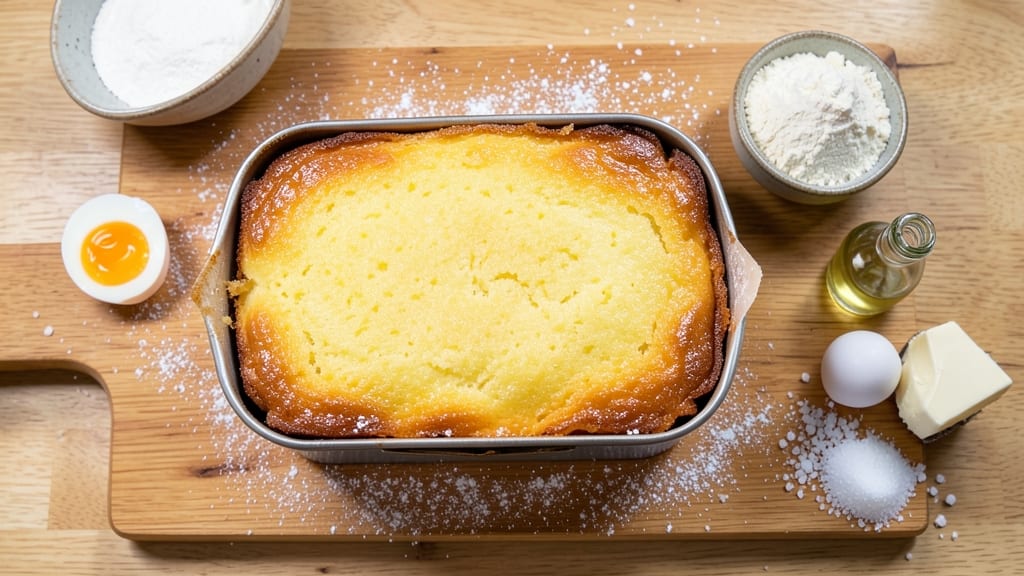
This castella cake recipe transforms your rice cooker into a tool for creating impossibly tender, pull-apart perfection—no oven required. The secret lies in precise ingredient ratios and understanding how rice cookers regulate heat differently than traditional ovens.
What makes this version special is its signature moist yet delicate crumb, achieved through a gentle cooking process that mimics traditional methods while adapting to modern appliances.
By the end, you'll have a cake with a delicate, almost custard-like texture that's light enough to melt in your mouth yet sturdy enough to slice cleanly. The rice cooker's even heat distribution ensures no dry edges or overbaked centers, delivering restaurant-quality results with minimal effort.
Here's how to achieve that signature pull-apart tenderness without a single pan in sight.
Ingredients for castella cake recipe rice cooker
Transform your rice cooker into a tool for restaurant-quality castella perfection with these precise ingredients.
| Ingredient | Amount | Notes |
|---|---|---|
| Japanese Castella Flour 🌾 | 3 cups | High-quality, low-protein preferred |
| Granulated Sugar 🍚 | 2 ½ cups | Superfine for smooth texture |
| Unsalted Butter 🧈 | 1 ½ cups | Room temperature, European-style preferred |
| Large Eggs 🥚 | 6 whole | Room temperature, separated |
| Rice Vinegar 🍶 | ½ cup | White vinegar substitute |
| Baking Powder 🧂 | ½ tsp | Aluminum-free preferred |
| Salt 🧂 | ¼ tsp | Fine sea salt |
| Vanilla Extract 🌿 | 1 tbsp | Pure Madagascar preferred |
| Honey 🍯 | ¼ cup | Light variety for subtle flavor |
| Water 💧 | ¾ cup | Room temperature |
| Cornstarch 🌾 | 1 tbsp | For tender crumb |
| Matcha Powder 🍵 | 1 tbsp | Ceremonial grade preferred |
The flour is non-negotiable here—Japanese castella flour gives that signature tender crumb. Amazon or specialty Asian markets carry it, but if you can't find it, substitute with a 1:1 blend of cake flour and cornstarch (though texture won't be identical). Butter matters too—European-style has higher fat content for that melt-in-your-mouth quality. I always grab mine from Whole Foods or Costco when they have it on sale. For eggs, room temperature is key—they'll emulsify better with the butter. Pro tip: Separate them ahead of time so you're not scrambling during mixing.
No rice vinegar? White vinegar or apple cider vinegar works in a pinch, though the flavor won't be identical. Matcha powder giving you trouble? Substitute 1 tsp instant espresso powder for a similar earthy note. The honey should be light—avoid dark varieties like buckwheat, which can overpower. For the baking powder, Diamond Crystal is my go-to (it's double-acting, which helps with rise). If you're using regular baking powder, add an extra 1/8 tsp. The cornstarch isn't just a thickener—it's what gives castella its signature delicate texture. Don't skip it.
Store-bought castella flour keeps for 6-12 months in a cool, dry place, but once mixed, this batter needs to be used within 2 days for best results. The rice cooker does all the work—just pour in the batter, set to cook, and let it do its magic. Once cooled, it'll keep for 3-4 days wrapped tightly at room temperature. For longer storage, slice and freeze portions between parchment paper for up to 3 months. Reheat slices in the microwave for 10-15 seconds to restore that fresh-baked warmth.
Why You'll Love This Recipe
- Rice Cooker Magic: The moment I realized this cake steams to golden perfection without an oven—just butter, eggs, and that delicate Castella flour—my Sunday mornings changed forever. No preheating, no fuss, just set-and-forget simplicity.
- Moisture Locked In: That tender crumb? All thanks to the rice cooker’s gentle steam and the rice vinegar’s subtle tang cutting through the sugar’s sweetness. It’s the kind of cake that stays soft for days, not the dry, sad loaf that’s ruined by afternoon three.
- Gift-Worthy Effortless: Between us, I’ve brought this to potlucks and it’s always the first to disappear—people assume it took hours. Honestly, the rice vinegar’s brightness makes it feel fancy, even though the hardest part was whisking the eggs properly.
- Budget-Friendly Luxury: A single batch uses just four eggs and a stick of butter, yet tastes like a bakery’s finest. The Castella flour’s lightness stretches further than cake mix, and leftovers? Perfect for toast the next morning—crispy edges, all buttery inside.
Step-by-step instructions for castella cake in a rice cooker
Here's how to transform your rice cooker into a castella cake maker—no special pans needed.
Prepare the Matcha-Infused Batter
In a large mixing bowl, whisk together the 3 cups Japanese Castella Flour, 0.5 tsp Baking Powder, 0.25 tsp Salt, and 1 tbsp Cornstarch. This dry blend forms the foundation of our tender crumb. In a separate bowl, gently combine the 1.5 cups Unsalted Butter (softened but not melted), 2.5 cups Granulated Sugar, 6 whole Large Eggs, 1 tbsp Vanilla Extract, 0.25 cup Honey, and 0.75 cup Water. I like to use a whisk for this to avoid overmixing the eggs.
Next, create the matcha paste by whisking the 1 tbsp Matcha Powder with 2 tablespoons of the rice vinegar until smooth. This ensures even distribution of that vibrant green color. Gradually add the dry ingredients to the wet mixture, alternating with the remaining 0.5 cup Rice Vinegar, mixing just until combined. The batter should be smooth but slightly thicker than cake batter—think of it like a dense, velvety pudding. Here's the thing—don't overmix or you'll develop gluten, which makes the cake tough instead of tender.
Layer and Prepare the Rice Cooker
Lightly grease your rice cooker's inner pot with a thin layer of butter or nonstick spray. This prevents sticking and makes removal easier later. Pour half of the batter into the rice cooker, spreading it evenly to create the first layer. The rice cooker's shape will create natural ridges—don't worry about making it perfectly smooth. Sprinkle half of the matcha paste evenly over this layer, tilting the pot to distribute it.
Now pour the remaining batter over the matcha layer, again spreading it evenly. The top should be smooth but slightly uneven—this is perfect for that classic castella texture. Here's a pro tip: Gently tap the rice cooker on the counter 2-3 times to help remove any air bubbles that might have formed during pouring. This ensures even baking and prevents cracks in the final cake.
Cook with Precision
Place the rice cooker lid on and select the "bake" function if available, or use the "steam" setting for 1 hour and 15 minutes. If your rice cooker doesn't have these options, use the "white rice" setting for 1 hour and 30 minutes—the residual heat will finish the cooking process. The key here is patience; castella needs time to develop that signature moist texture and subtle crackle on top.
About 45 minutes into cooking, you'll notice the cake start to pull away from the sides slightly and develop a few small cracks. This is normal and actually desirable—it indicates proper moisture content. If the top looks too dry after the initial cooking time, cover with a clean kitchen towel and let it steam for an additional 10-15 minutes. The internal temperature should reach 200-205°F when done—this ensures it's fully set but still moist.
Rest and Serve for Maximum Tenderness
Once the cooking cycle completes, let the castella rest in the rice cooker for 15 minutes before attempting to remove it. This resting period allows the internal structure to set properly, making it easier to release from the pot. Here's where it gets interesting—run a thin, flexible spatula around the edges to loosen the cake, then invert it onto a wire rack. The cake should release cleanly if properly cooked.
Let it cool completely at room temperature for at least 2 hours before slicing. I know it's tempting to cut into it warm, but this waiting period is crucial for that perfect pull-apart texture. The longer it rests, the more tender and moist each slice will be. When ready, cut into 8 equal portions—each slice should have that signature layered appearance with visible matcha flecks throughout. Serve at room temperature with a dusting of powdered sugar for that authentic touch.
Pro Tips For Making Castella Cake Recipe Rice Cooker
- Whisk Eggs Like a Pro: Beat the eggs with sugar until they’re pale, thick, and ribbon-like—about 3-5 minutes with a hand mixer. I used to rush this, and the cake turned dense; patience here makes all the difference for that signature fluffy texture.
- Butter Must Melt Slow: Warm the butter with the rice vinegar over low heat until just melted—no boiling. After burning two batches, I learned this: too much heat = burnt flavor, and you’ll taste it in every slice.
- Don’t Overmix the Batter: Fold in the flour and melted butter just until combined—lumps are fine. Overmixing = tough cake, and nobody wants that. Stop when the dry bits disappear, and resist the urge to stir like you’re making pancakes.
- Rice Cooker Needs a Crust First: Let the batter rest 10 minutes after mixing, then spread it in the rice cooker pan with a wet spatula for an even layer. No crust? Your castella will steam instead of bake—skip this, and you’ll end up with a sad, dense sponge.
Troubleshooting great castella cake recipe rice cooker
Uneven Cooking
If your castella cake emerges with dry edges or an undercooked center, it's likely due to uneven heat distribution in your rice cooker. Most rice cookers have hot spots—usually near the heating element.
To fix this, I recommend placing a heat-resistant silicone mat on the bottom of the pot before adding the batter. This helps diffuse heat more evenly. Also, avoid overfilling the pot—leave at least 1 inch of space between the batter and the lid to allow steam to circulate properly. 🌡️
Cracked Top
A cracked top is actually desirable in traditional castella, but excessive cracking can mean the cake dried out too quickly. If you see deep cracks or a completely dry surface, your cook time was too long or the heat was too high.
For future attempts, reduce cook time by 10-15 minutes and cover the cake with a damp kitchen towel during the last 30 minutes of cooking. This traps moisture and prevents over-browning. The ideal cake should have a few shallow cracks but still feel moist to the touch.
Stuck to the Pot
When castella sticks to the rice cooker pot, it's usually because the batter wasn't properly greased or the pot wasn't clean. Always use high-heat cooking spray (like Misto) or a thin layer of melted butter to coat the pot thoroughly.
For stubborn cases, run the pot under hot water immediately after cooking to loosen the cake, then invert it onto a wire rack. If it still won't release, place the pot in the freezer for 10 minutes to contract the cake slightly before trying again.
Too Dense Texture
A dense castella often results from overmixing the batter or using the wrong flour. Japanese castella flour is specifically designed for this recipe—substituting with all-purpose flour will make the cake tough.
If your cake turns out dense, try adding an extra 1 tablespoon of cornstarch to the dry ingredients next time. Also, be gentle when mixing the wet ingredients; use a spatula to fold in the dry ingredients just until combined.
Overmixing develops gluten, which is the enemy of that signature tender crumb. 💡
No Rise
If your castella doesn't rise at all, it's likely due to stale baking powder or insufficient mixing of the matcha paste. First, check your baking powder—it should be fresh (within 6 months).
For the matcha paste, make sure it's fully dissolved in the vinegar before adding it to the batter. Another common issue is not giving the cake enough time to set after cooking. Let it rest in the rice cooker for the full 15 minutes before removing it.
If it still doesn't rise, try adding an extra ¼ teaspoon of baking powder next time.
Burnt Bottom
A burnt bottom is a classic rice cooker issue, especially if your model has a strong heating element. To prevent this, place a thin layer of parchment paper on the bottom of the pot before adding the batter.
If you notice the bottom starting to brown too quickly, reduce the heat setting by one level if possible. For rice cookers without adjustable heat, cover the cake with a clean kitchen towel after the first 30 minutes of cooking to slow the browning process.
The top should be golden but not dark brown when done.
Nutrition facts
Frequently asked questions
Can I make castella cake in any rice cooker?
Most modern rice cookers with bake or steam settings work well, but avoid older models with weak heating elements. Look for pots that are at least 6-quart capacity to accommodate the batter properly. If your rice cooker lacks specific settings, use the white rice function for 1 hour 30 minutes—the residual heat will finish cooking. For best results, choose a model with even heat distribution to prevent dry spots.
Why does my castella cake turn out dense?
Density usually comes from overmixing the batter or using the wrong flour. Japanese castella flour is key—it has a low protein content for that signature tender crumb. If you can't find it, blend 1 cup cake flour + 1 tbsp cornstarch as a substitute. Also, mix just until combined (no more than 20 strokes) to avoid developing gluten. The rice cooker's gentle heat should create a moist, pull-apart texture if the batter is right.
How do I know when the castella is fully cooked?
Your cake is done when it pulls away slightly from the sides and develops a few shallow cracks on top. The internal temperature should reach 200-205°F—use a thermometer inserted into the center. If the top looks dry but the center is still moist, cover with a damp towel for 10-15 minutes to redistribute steam. Never overcook—castella should feel moist but firm to the touch when done.
Can I add other flavors besides matcha?
Swap the matcha for 1 tbsp vanilla bean paste, 1 tsp almond extract, or even ½ cup finely chopped dried fruit (like apricots or cherries). For citrus lovers, try 1 tbsp lemon zest infused in the butter. Just reduce the rice vinegar by 1 tbsp to balance flavors. The key is keeping the batter's moisture level consistent—adjust liquid ingredients as needed when substituting.
How should I store leftovers?
Wrap cooled slices tightly in plastic wrap or store in an airtight container at room temperature for up to 3 days. For longer storage, freeze slices between parchment paper for 3 months. To revive frozen castella, thaw at room temperature for 1 hour before reheating in the microwave for 10-15 seconds (covered) until warm. The texture stays moist if properly wrapped—just avoid freezing the whole cake to prevent freezer burn.