
Side Dishes
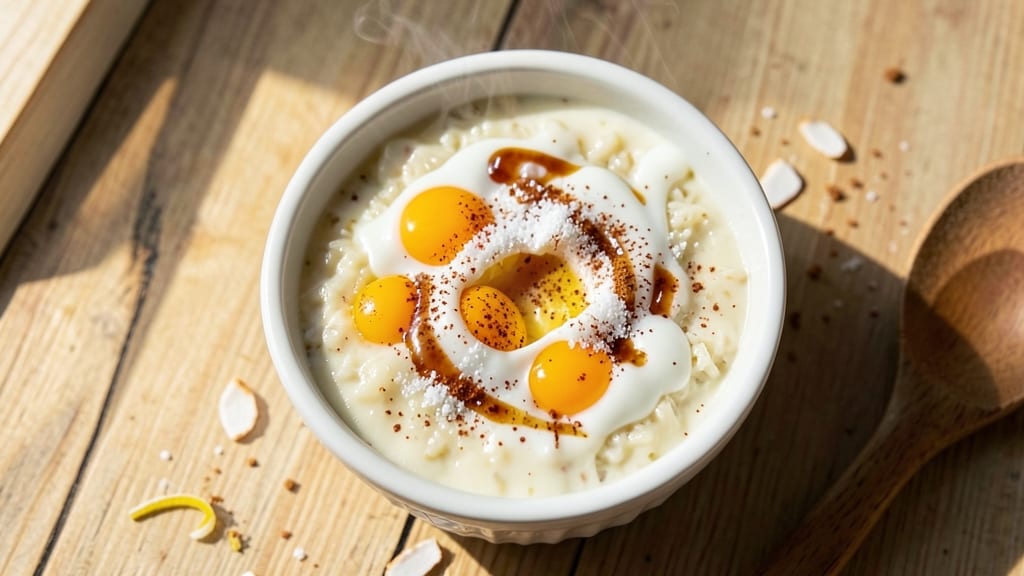
This cauliflower rice pudding transforms a humble vegetable into a velvety, vanilla-spiced dessert that rivals traditional rice pudding—without a single grain in sight.
The secret lies in blending cauliflower rice with coconut milk, eggs, and a touch of cinnamon for warmth, creating a texture that’s creamy yet light, perfect for those seeking a guilt-free indulgence.
What sets this recipe apart is its versatility—it works as a comforting side dish for dinner or a light dessert after a holiday meal.
The natural sweetness of the cauliflower pairs beautifully with vanilla and warm spices, while optional toppings like toasted nuts or fresh berries add crunch and brightness. Ready in under 45 minutes, it’s the ideal solution for satisfying cravings without the heaviness.
Ingredients for cauliflower rice pudding
Four cups of cauliflower rice transform into velvety pudding with just coconut milk, eggs, and warm spices.
| Ingredient | Amount | Notes |
|---|---|---|
| Fresh Cauliflower Rice 🥬 | 4 cups | Frozen or fresh, finely grated |
| Full-Fat Coconut Milk 🥥 | 13 ½ oz | Canned, well-shaken |
| Large Eggs 🥚 | 4 whole | Room temperature for blending |
| Granulated Sugar 🍚 | ½ cup | Adjust to taste |
| Pure Vanilla Extract 🌿 | 1 tbsp | High-quality preferred |
| Ground Cinnamon 🌶️ | 1 tsp | Freshly ground preferred |
| Ground Nutmeg 🌶️ | ¼ tsp | Freshly grated nutmeg |
| Unsalted Butter 🧈 | 2 tbsp | Cold, cubed for texture |
| Sea Salt 🧂 | ¼ tsp | Diamond Crystal preferred |
| Toasted Almond Slices 🥜 | ¼ cup | Optional topping |
| Fresh Blueberries 🫐 | ¼ cup | Optional topping |
The cauliflower rice is the foundation—fresh yields the best texture, but frozen works perfectly if you're short on time. Trader Joe's sells pre-riced cauliflower that's ideal for this recipe, saving you the grating step. For coconut milk, full-fat canned brands like Thai Kitchen deliver the richest creaminess; avoid the light versions. Eggs should be at room temperature to blend smoothly into the mixture, creating that signature silky texture. If you're using organic eggs, the yolks will be deeper in color, adding to the pudding's natural richness.
No vanilla extract? Seeds from a vanilla bean steeped in warm milk for 20 minutes work beautifully, though they require a bit more effort. Substituting maple syrup for sugar at a 1:1 ratio maintains the same sweetness profile, though it may slightly alter the texture. For nutmeg, if you can't find freshly grated, pre-ground works fine—just add a pinch extra. The butter adds a luxurious finish, so don't skip it, but if you're avoiding dairy, vegan butter or coconut oil maintains the same creamy mouthfeel. The optional toppings can be swapped: toasted pecans or fresh raspberries both pair wonderfully with the vanilla-spiced pudding.
This pudding keeps beautifully in the fridge for up to 5 days, though it tastes best within the first 24 hours as the flavors meld. For longer storage, portion into airtight containers and freeze for up to 3 months. When reheating, warm gently in a saucepan with a splash of coconut milk to restore its creamy texture. The toppings should be added fresh after reheating to maintain their crispness and brightness. Double the recipe if you're serving a crowd—it reheats just as well and makes for perfect make-ahead dessert portions.
Why You'll Love This Recipe
- No Chopping Needed: I swear, the only prep is rinsing the cauliflower rice—no dicing, no peeling, just dump and stir. That’s 10 minutes I’d rather spend scrolling than standing at the counter.
- Creamy Without Guilt: Full-fat coconut milk makes this pudding rich in the best way—silky, slightly sweet, with that vanilla warmth that hits like a hug. Honestly, my kids ask for seconds before I even finish serving.
- Meal Prep Magic: Make a big batch on Sunday, and you’ve got breakfast, dessert, or a snack covered all week. The eggs give it structure, so it reheats beautifully—no soggy mess here.
- Budget-Friendly Luxury: Cauliflower rice stretches the coconut milk and sugar further than regular rice ever could. I’ve served this at potlucks as a fancy dessert, and no one bats an eye at the price tag.
Step-by-step instructions for cauliflower rice pudding
Transform simple ingredients into a velvety, spiced dessert that satisfies without the grains.
Prepare the Cauliflower Base
In a large mixing bowl, combine the 4 cups fresh cauliflower rice with the 13.5 oz full-fat coconut milk. Use a whisk or your hands to break up any large clumps, ensuring an even distribution. This step creates the foundation for your pudding's texture—don't skip blending thoroughly, as lumps will remain even after cooking.
Add the 4 whole large eggs and whisk vigorously for 2-3 minutes until the mixture thickens slightly and becomes pale yellow. This process incorporates air, which will help create a light, airy pudding rather than a dense one. The eggs act as both a binder and leavening agent in this recipe.
Sweeten and Spice the Mixture
In a separate small bowl, combine the 0.5 cup granulated sugar, 1 tbsp pure vanilla extract, 1 tsp ground cinnamon, 0.25 tsp ground nutmeg, and 0.25 tsp sea salt. Whisk until the sugar dissolves completely. This spiced sweetener blend is the heart of your pudding's flavor profile—don't substitute with pre-mixed spices, as the balance of cinnamon and nutmeg is crucial.
Gradually pour the spiced mixture into the cauliflower-coconut milk-egg combination while whisking continuously. This gradual addition prevents curdling and ensures even distribution of flavors. The mixture should be smooth and homogeneous, with no visible streaks of spice.
Cook the Pudding to Perfection
Transfer the mixture to a heavy-bottomed saucepan and place it over medium-low heat. Stir constantly with a wooden spoon or silicone spatula, scraping the bottom to prevent sticking. The pudding will begin to thicken after 5-7 minutes, but don't rush this process—cooking too quickly can cause the eggs to scramble.
Continue cooking for an additional 5-7 minutes until the mixture reaches a custard-like consistency that coats the back of a spoon. It should be thick enough to hold its shape when dropped from a spoon but still slightly fluid. Remove from heat immediately once it reaches this stage—overcooking will make it grainy.
Finish with Butter and Texture
Reduce the heat to low and stir in the 2 tbsp cold unsalted butter, cut into small cubes. The butter will melt slowly, adding richness and preventing the pudding from becoming too heavy. Let the mixture sit for 1-2 minutes to allow the butter to fully incorporate and the flavors to meld.
Taste and adjust sweetness if needed—add more sugar if the pudding tastes under-sweetened, but remember that the spices will enhance the perceived sweetness. The final texture should be smooth, creamy, and just set enough to hold its shape when chilled.
Chill and Serve with Toppings
Transfer the pudding to four 4-ounce ramekins or a single serving dish. Cover with plastic wrap pressed directly against the surface to prevent a skin from forming. Refrigerate for at least 4 hours, preferably overnight, to allow the flavors to fully develop and the texture to set properly.
Before serving, garnish each portion with 0.25 cup toasted almond slices and 0.25 cup fresh blueberries. The contrast of crunchy almonds and juicy berries against the creamy pudding creates a perfect balance of textures. Serve slightly chilled—this dessert is best enjoyed at room temperature for optimal creaminess.
Pro Tips For Making Cauliflower Rice Pudding
- Sauté Cauliflower First: Toss the fresh cauliflower rice in a dry skillet over medium-high heat for 2-3 minutes before adding liquids—it removes excess moisture and prevents a watery pudding. (Yes, even if it looks like you’re just breathing on it, this step matters.)
- Whisk Eggs Cold: Crack the eggs straight from the fridge into a chilled bowl, then whisk with the coconut milk and sugar—this keeps the custard silky instead of rubbery. I learned this the hard way after a batch turned out like overcooked glue.
- Skip the Boil: Resist the urge to bring the mixture to a full boil; gentle simmering (small bubbles, not rolling) is what creates a creamy texture. After burning two batches, I finally got it right—low and slow wins.
- Toast the Vanilla: Warm the vanilla extract with a pinch of sugar in the microwave for 10 seconds before adding it to the pudding—it deepens the flavor without overpowering. (Your future self will notice the difference.)
Essential equipment for this recipe
Mixing Essentials
Start with a high-quality whisk—I recommend the OXO Good Grips—to blend your cauliflower rice and coconut milk into a smooth base. The whisk's angled wires create tiny air pockets that lighten the texture, just like whisking egg whites for meringues.
For the eggs, use a stainless steel mixing bowl (like Ziploc brand) to prevent any metallic flavors from transferring. The bowl should be large enough to hold all ingredients without overflowing when whisking vigorously. 🥣
Cooking Tools
A heavy-bottomed saucepan is non-negotiable here—I swear by All-Clad's 3-quart stainless steel for even heat distribution. The thick base prevents hot spots that can cause the eggs to scramble or the pudding to stick.
Use a wooden spoon or silicone spatula (like OXO's Good Grips) to stir constantly—metal utensils can scratch the pan and introduce unwanted flavors. A fine-mesh strainer also comes in handy if you're using fresh cauliflower to remove any fibrous bits before mixing. 🍲
Chilling Gear
For chilling, ramekins are ideal—I love Le Creuset's 4-ounce stoneware for their even heat distribution and elegant presentation. If you don't have ramekins, any glass or ceramic dish with a lid works. Press plastic wrap directly onto the surface of the pudding to prevent a skin from forming.
For storage, glass containers with airtight lids (like Pyrex) are best—they maintain freshness longer than plastic. 🧊
Optional Extras
Toasting almonds requires a light-colored baking sheet (I use USA Pan's non-stick) and a wire rack to prevent burning. For fresh blueberries, a small bowl with a fine-mesh sieve helps remove stems quickly.
If you're using vanilla bean seeds, a small saucepan for steeping and a fine-mesh strainer ensures smooth incorporation. These tools elevate the final presentation without being essential. ✨
Nutrition facts
Frequently asked questions
Can I make this cauliflower rice pudding without eggs?
Yes! For a vegan version, replace the eggs with a 2-tablespoon cornstarch slurry (mixed with 2 tablespoons water) or 1/4 cup aquafaba (chickpea brine) whipped to soft peaks. Add 1 teaspoon agar-agar powder to the coconut milk mixture and simmer for 5 extra minutes to thicken properly. The texture will be slightly firmer but still creamy.
Why does my cauliflower rice pudding taste bitter?
Bitterness usually comes from overcooking the cauliflower or using old spices. To fix it, reduce the heat immediately and stir in 1/4 teaspoon more sugar or 1/2 teaspoon vanilla extract to balance the flavors. For prevention, use fresh cauliflower rice (not overcooked) and store spices in airtight containers away from light. Freshly ground nutmeg is especially important—pre-ground can lose potency quickly.
How can I make this pudding lower in sugar?
Start with 1/4 cup sugar instead of 1/2 cup and enhance natural sweetness with 1 teaspoon maple syrup or 1/2 teaspoon stevia. Boost flavors by increasing spices to 1.5 teaspoons cinnamon and 1/4 teaspoon cardamom. The caramelized notes from the coconut milk will also add depth. For a fruity twist, stir in 1/2 cup mashed banana or 1/4 cup unsweetened applesauce during cooking.
Can I bake this pudding instead of stovetop cooking?
Preheat oven to 350°F and transfer the mixture to a greased 8x8-inch baking dish. Bake for 30-35 minutes until set (center should jiggle slightly). For individual portions, use 4-ounce ramekins and bake for 20-25 minutes. The baked version has a slightly denser texture but works well for make-ahead meals. Cover tightly with foil if baking ahead.
What's the best way to reheat leftover pudding?
Gently reheat in a small saucepan over low heat with 1-2 tablespoons coconut milk to restore creaminess. Stir constantly to prevent scorching. For microwave reheating, use 30-second intervals on 50% power, stirring between each interval. Never reheat to a boil—this will make the texture grainy. Add fresh toppings after reheating for maximum freshness.