
Side Dishes
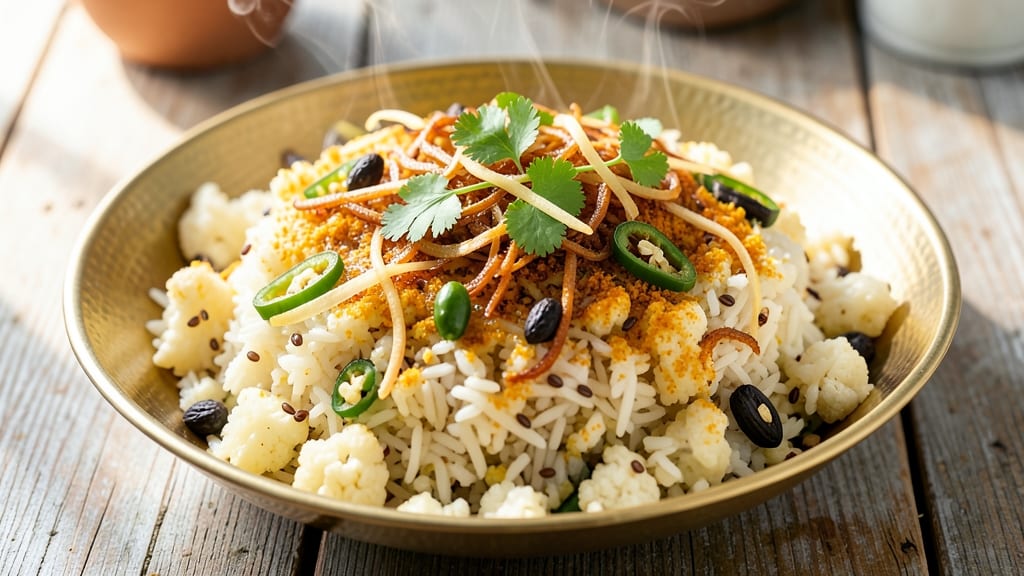
This cauliflower rice pulao recipe delivers all the fragrant, saffron-infused flavors of traditional basmati rice—but with 90% fewer carbs and the same satisfying texture. The secret lies in proper spice blooming and gentle simmering, which transforms riced cauliflower into a dish that’s light yet hearty, perfect for low-carb diets or as a side that steals the show.
Start with toasted whole spices—cumin, cardamom, and cinnamon—that release their aromatic oils before gently cooking the cauliflower rice until tender yet still holding its shape. Layering in saffron-infused milk and fresh herbs at the end ensures each grain absorbs the rich, golden flavor without becoming mushy.
The result? A dish that’s fragrant, fluffy, and packed with authentic pulao taste—just without the carb overload.
Ingredients for cauliflower rice pulao
Toasted spices, saffron-infused milk, and perfectly riced cauliflower create this aromatic vegetarian pulao.
| Ingredient | Amount | Notes |
|---|---|---|
| Fresh Cauliflower 🥬 | 1 lb | Riced using food processor |
| Basmati Rice 🍚 | 1 cup | Uncooked, long-grain preferred |
| Whole Cumin Seeds 🌿 | 1 ½ tsp | Toasted until fragrant |
| Green Cardamom Pods 🌿 | 6 whole | Lightly crushed |
| Cinnamon Sticks 🌿 | 1 piece | Lightly toasted |
| Black Cardamom Pods 🌿 | 2 whole | Optional, for depth |
| Saffron Threads 🧡 | ⅛ tsp | High-quality, soaked in 2 tbsp warm water |
| Unsalted Butter 🧈 | 3 tbsp | Clarified or regular |
| Fresh Cilantro 🌿 | ¼ cup | Chopped, stems removed |
| Fresh Mint Leaves 🌿 | ¼ cup | Chopped, stems removed |
| Light Coconut Milk 🥥 | ½ cup | Full-fat for creaminess |
| Vegetable Broth 💧 | 1 ½ cups | Low-sodium preferred |
| Diamond Crystal Kosher Salt 🧂 | ¾ tsp | Adjust to taste |
| Extra-Virgin Olive Oil 🫒 | 1 tbsp | For toasting spices |
| Lemon Juice 🍋 | 1 tbsp | Freshly squeezed |
The spices are the soul of this dish. Whole cumin seeds and cardamom pods should be toasted in olive oil until they release their aromatic oils—this step is non-negotiable for authentic flavor. Penzeys Spices or your local Indian market will have the best quality whole spices, but the grocery store bulk section works too. Look for vibrant color and a fresh, earthy scent. Black cardamom adds depth but isn't essential—skip it if you can't find it. The saffron must be high-quality; saffron threads from a reputable spice merchant will give you the best color and flavor, though it's pricey. For a budget-friendly alternative, use saffron powder at one-third the amount—just be aware of the flavor difference.
No fresh herbs? Dried cilantro and mint at one-half the amount will work in a pinch, though fresh is ideal. The coconut milk should be full-fat for that creamy texture—Thai Kitchen brand is widely available and reliable. For the broth, low-sodium vegetable broth is critical; you can reduce it later if needed. The cauliflower rice should be fine-grained, almost rice-like in texture. If you're using a boxed riced cauliflower, pulse it once more in the food processor for better texture. The basmati rice adds a subtle, familiar texture contrast—don't skip it entirely, but you can reduce it to 0.5 cups if you're strictly low-carb.
This dish reheats beautifully—store it in an airtight container for up to 4 days in the fridge. For longer storage, freeze portions for 3 months. The saffron-infused milk can be prepped ahead and stored separately for 2 days. When reheating, add a splash of water or broth to restore moisture. The spices lose potency over time, so if you're making this regularly, buy them in small batches. For a restaurant-quality finish, garnish with extra fresh herbs and a drizzle of olive oil just before serving—that final touch elevates the dish.
Why You'll Love This Recipe
- I swear by this trick: just pulse the cauliflower in a food processor until it looks like rice—no knife skills required. The grains stay intact, so it cooks like a dream, and honestly? That’s half the battle won before you even start.
- No-Chop Struggle: I swear by this trick: just pulse the cauliflower in a food processor until it looks like rice—no knife skills required. The grains stay intact, so it cooks like a dream, and honestly? That’s half the battle won before you even start.
- Warm Spice Magic: Those whole cumin seeds and cardamom pods crackle like fireworks in a pan, filling the kitchen with that just-right aroma. The cinnamon? It’s subtle but adds this cozy, almost dessert-like depth—like a hug in every bite.
- Lunchbox Hero: Between us, this is my go-to for packed lunches. The rice stays fluffy for days, and the cauliflower keeps its texture even after reheating. Toss in some yogurt and cucumber, and suddenly you’ve got a meal that’s as impressive as it is practical.
Step-by-step instructions for cauliflower rice pulao
Transform simple ingredients into an aromatic, saffron-infused pulao with the perfect balance of texture and flavor.
Prepare the Cauliflower Rice and Toast the Spices
Begin by processing the 1 lb fresh cauliflower into rice using a food processor, then transfer it to a colander and rinse thoroughly under cold water. This removes excess starch that could make the pulao gummy. In a small dry skillet, toast the 1.5 tsp whole cumin seeds over medium heat for 30 seconds until fragrant—you'll know they're ready when they begin to pop gently. Immediately transfer them to a spice grinder along with the 6 whole green cardamom pods, 1 piece cinnamon sticks, and 2 whole black cardamom pods. Grind until you achieve a fine powder, about 10-15 seconds. This aromatic blend forms the flavor foundation of your pulao.
In the same skillet, add the 1 tbsp extra-virgin olive oil and toast the ground spice mixture for 30 seconds until the oil shimmers and the spices release their oils. This step unlocks their full potential and prevents bitterness. Remove from heat and set aside—this infused oil will carry the pulao's signature warmth.
Bloom the Saffron and Cook the Basmati Rice
In a small bowl, soak the 0.125 tsp saffron threads in 2 tbsp warm water for 5 minutes to release their vibrant color and delicate flavor. In a medium saucepan with a tight-fitting lid, combine the 1 cup basmati rice with 1.5 cups vegetable broth and bring to a boil over high heat. Once boiling vigorously, reduce heat to low, add the saffron-infused water, and stir gently. Cover immediately and cook for 12 minutes without lifting the lid—this steaming method produces perfectly fluffy grains. The rice should be tender but still slightly firm to the tooth when tested.
While the rice cooks, heat 2 tbsp unsalted butter in a large skillet over medium heat. Add the 0.5 cup light coconut milk and simmer gently for 2 minutes until slightly thickened. Remove from heat and stir in the 0.25 cup chopped fresh cilantro and 0.25 cup chopped fresh mint leaves, reserving a small handful for garnish. This herb-infused coconut cream will add a bright, fresh contrast to the warm spices.
Combine and Finish the Pulao
Drain any excess water from the cooked rice and transfer it to the skillet with the coconut milk mixture. Gently fold everything together, then add the 1 lb cauliflower rice and the remaining 1 tbsp unsalted butter. Stir well to distribute the flavors evenly. Cook over medium-low heat for 5-6 minutes, stirring occasionally, until the cauliflower rice softens slightly but maintains its texture. The mixture should be heated through and fragrant with the spices.
Season with the 0.75 tsp diamond crystal kosher salt and the 1 tbsp freshly squeezed lemon juice. Taste and adjust the salt if needed—the lemon juice brightens the dish and balances the richness. Transfer the pulao to a serving dish, garnish with the reserved herbs, and serve immediately while still warm. The contrast of tender basmati rice, delicate cauliflower, and aromatic spices creates a dish that's both satisfying and light.
Rest and Serve for Optimal Texture
Allow the pulao to rest for 3-5 minutes before serving. This brief resting period lets the flavors meld and the cauliflower rice absorb any remaining moisture, ensuring each bite is perfectly balanced. Serve in shallow bowls with a dollop of yogurt or a side of raita for added creaminess. The dish should be fragrant with the toasted spices, vibrant from the saffron, and offer a satisfying texture contrast between the basmati rice and cauliflower rice.
For best results, serve immediately while the spices are at their peak aroma. The pulao's flavors continue to develop as it sits, so don't wait too long before enjoying. Each spoonful should deliver a harmonious blend of warmth from the spices, brightness from the lemon and herbs, and creaminess from the coconut milk—all without the heaviness of traditional rice pulao.
Pro Tips For Making Cauliflower Rice Pulao
- Pulse, Don’t Grate: I learned this the hard way—grating cauliflower for rice leaves it mushy and waterlogged. Instead, chop into even ½-inch florets, then pulse in a food processor for 3-4 seconds. You want rice-sized chunks, not paste. (Yes, even if you’re impatient like me, resist the urge to over-process.)
- Bloom Spices Low: Whole spices like cumin and cardamom burn faster than you think. Start them in a dry pot on medium-low heat, stirring every 10 seconds, until they smell fragrant (about 30 seconds). High heat turns them bitter—trust me, you’ll taste the difference.
- Parboil Rice Separately: Mixing raw rice with cauliflower rice steams the rice unevenly, leaving some gummy. Parboil the basmati for 5 minutes in salted water, drain, and spread it out to cool—this locks in texture. Then stir it into the pulao at the end for perfect grains every time.
- Sauté Cauliflower First: Skip the "add everything at once" approach. Sauté the cauliflower rice in oil for 4-5 minutes until it softens and releases moisture—this prevents a soggy final dish. The spices will stick to it better, too. (Your future self will thank you.)
Best sauces and condiments for this recipe
Coconut Milk Base
This light coconut milk creates the creamy foundation that mimics the richness of traditional pulao while keeping it light. I recommend using full-fat coconut milk—brands like Thai Kitchen or Goya work perfectly.
For extra depth, simmer the coconut milk with a pinch of turmeric for 2 minutes before adding herbs. This step adds subtle golden color and earthy warmth that complements the saffron beautifully. 🥥
Herb-Infused Finishing Touch
The fresh cilantro and mint are non-negotiable—they brighten the dish with their citrusy notes. For maximum flavor, chop them just before adding to the coconut milk. If you can't find fresh herbs, use ½ the amount of dried cilantro and mint, but know the flavor will be less vibrant.
A quick trick: Pulse the herbs with a pinch of salt in a mortar and pestle for 10 seconds to release their essential oils before mixing. This intensifies their aroma instantly.
Spiced Yogurt Sauce
Serve your pulao with a spiced yogurt sauce to cut through the richness. Mix ½ cup plain Greek yogurt with ½ tsp ground cumin, ¼ tsp black salt (kala namak), and 1 tbsp chopped mint.
The tangy yogurt balances the warm spices perfectly. For extra flair, drizzle with 1 tsp honey and a pinch of red chili powder. This sauce adds a cooling contrast that makes every bite more satisfying. 💛
Lemon-Tahini Drizzle
For a modern twist, prepare a lemon-tahini drizzle by whisking 2 tbsp tahini with 1 tbsp lemon juice, 1 tsp honey, and 1 tbsp warm water. Drizzle lightly over the pulao just before serving. The tahini adds nutty depth while the lemon keeps the dish fresh.
This pairing works especially well if your pulao feels slightly heavy—it lightens the texture beautifully. Store-bought tahini like Sojade or Almas works well, but homemade is even richer.
Pickled Onion Topping
Quick-pickle ¼ cup thinly sliced red onions in 2 tbsp white vinegar, 1 tsp sugar, and ¼ tsp salt for 15 minutes. The sharp, tangy onions add a refreshing crunch that contrasts the creamy pulao.
This topping is optional but elevates the dish to restaurant-quality. For extra heat, add ¼ tsp cayenne pepper to the pickling liquid. The acidity cuts through the coconut milk's richness, making each bite more dynamic. ✨
Garnish with Toasted Nuts
For texture and crunch, sprinkle 1 tbsp toasted slivered almonds or cashews over the pulao just before serving. Toast them in a dry skillet over medium heat for 2-3 minutes until golden.
The nutty flavor complements the coconut milk, while the crunch provides a satisfying contrast to the soft cauliflower rice. For a smoky twist, add ½ tsp smoked paprika to the nuts while toasting. This garnish makes the dish feel more substantial and adds visual appeal.
Nutrition facts
Frequently asked questions
Can I make this cauliflower rice pulao without basmati rice?
While basmati rice adds a subtle texture contrast, you can make this entirely low-carb by omitting it. Simply increase the cauliflower rice to 2 lbs and adjust the broth to 2 cups for proper hydration. For extra fluffiness, stir in 1 tbsp lemon juice at the end—it helps maintain texture. The dish will still be fragrant and satisfying, just with a slightly different mouthfeel.
Why does my cauliflower rice turn mushy?
Overcooking is the most common cause. Cauliflower rice should cook just until tender—about 5-6 minutes—not until all moisture evaporates. Use medium-low heat and stir occasionally to prevent sticking. For extra insurance, rinse the riced cauliflower thoroughly before cooking to remove excess starch. If it's already mushy, try adding 1 tbsp coconut milk and reheating gently to restore creaminess.
Can I prep this pulao ahead of time?
Yes! Store cooked pulao in an airtight container for up to 4 days in the fridge. Reheat gently with a splash of broth or water to restore moisture. For longer storage, freeze portions for 3 months. The saffron-infused milk can be prepped separately and stored for 2 days. Pro tip: Let the pulao sit at room temperature for 10 minutes before reheating to prevent sogginess.
What's the best way to make cauliflower rice?
Use a food processor for the finest texture—pulse the florets until they resemble rice grains. For even better results, pulse once, then spread on a baking sheet and freeze for 1 hour to prevent clumping. Avoid pre-riced cauliflower from boxes if possible, as it often contains anti-caking agents that affect texture. Rinse thoroughly after processing to remove excess starch.
How can I make this dish vegan?
Replace the butter with vegan butter or coconut oil, and use unsweetened almond milk instead of coconut milk. For depth, add ½ tsp turmeric to the spice blend. The saffron and herbs will still shine, though the texture may be slightly lighter without dairy. Consider adding 1 tbsp nutritional yeast for a cheesy note. The dish remains vibrant and flavorful while being completely plant-based.