
Main Courses
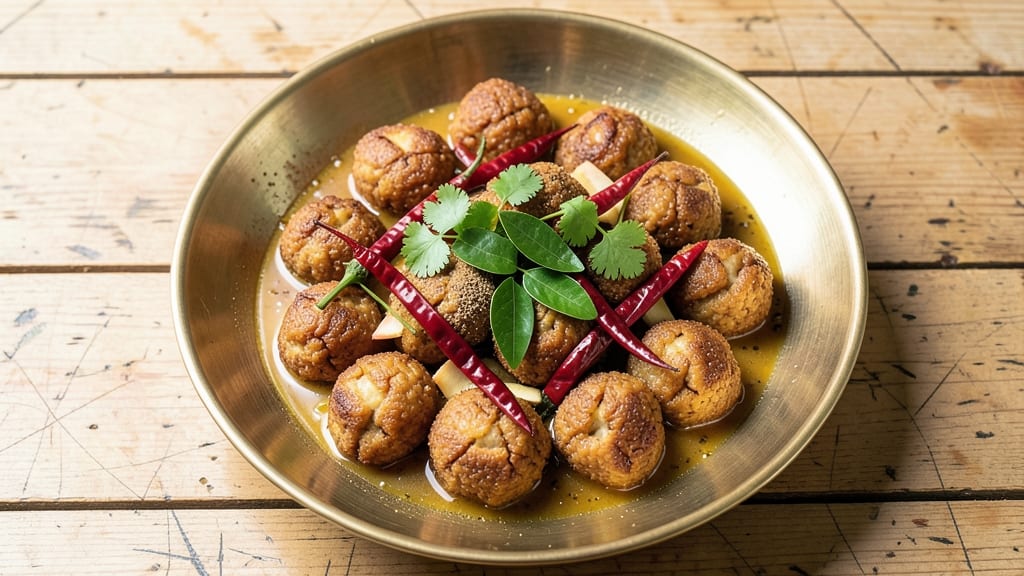
This Chegodilu recipe with rice flour delivers crispy, fragrant dumplings that capture Karnataka’s culinary tradition in every bite. The secret lies in the rice flour batter—light yet sturdy—infused with aromatic spices that create a delicate, golden crust when fried to perfection.
Unlike heavier flour-based fritters, rice flour ensures a crispy exterior that shatters with the first bite while maintaining a tender interior.
What sets this dish apart is the balance of textures and flavors: the crispy exterior gives way to a fragrant, herbaceous center, making it a standout as a snack or side.
Traditionally paired with coconut rice or sambar, these dumplings transform simple ingredients into something extraordinary—all while staying true to their cultural roots. Ready to master this classic?
Ingredients for chegodilu recipe with rice flour
Transform humble ingredients into crispy, fragrant Chegodilu with this authentic Karnataka-inspired rice flour recipe.
| Ingredient | Amount | Notes |
|---|---|---|
| Rice Flour 🌾 | 1 ½ cups | Glutinous rice flour preferred |
| Fresh Cilantro Leaves 🌿 | ½ cup | Chopped finely, stems removed |
| Fresh Curry Leaves 🌿 | ¼ cup | Torn into pieces |
| Fresh Ginger 🧄 | 1 tbsp | Finely grated, fresh preferred |
| Green Chilies 🌶️ | 4 whole | Slit lengthwise, seeds removed |
| Asafoetida Powder 🌶️ | ¼ tsp | Essential for authentic flavor |
| Mustard Seeds 🌱 | 1 tsp | Lightly toasted for aroma |
| Cumin Seeds 🌱 | ½ tsp | Toasted until fragrant |
| Salt 🧂 | 1 tsp | Adjust to taste |
| Potatoes 🥔 | 1 ½ lb | Medium size, peeled |
| Vegetable Oil 🫒 | 2 cups | High smoke point preferred |
| Lemon Juice 🍋 | 1 tbsp | Freshly squeezed |
| Black Salt 🧂 | ¼ tsp | Optional for authentic taste |
| Water 💧 | ½ cup | Room temperature |
The rice flour is non-negotiable—glutinous rice flour creates that signature crispy-yet-light texture. Whole Foods or Indian grocery stores stock it, but if you can't find it, regular rice flour works in a pinch (though texture will differ). Fresh curry leaves are the secret weapon here; substitute 1 tbsp dried curry powder if unavailable, but the flavor won't be identical. For ginger, use the freshest root you can find—the vibrant, pungent kind from the produce section, not the jarred paste. Mustard and cumin seeds should be toasted until they release their aroma—this step is worth the extra minute—as it forms the aromatic base of the batter.
No curry leaves? Fresh thyme or basil at half the amount adds a similar herbal note. For the chilies, green bird's eye chilies (if available) pack more heat, but serrano peppers work too. The asafoetida powder might be tricky to find—look in the international spice aisle—but it's essential for that signature umami depth. Potatoes should be uniformly sized for even cooking; cut them into small, even pieces so they crisp up properly. If your oil isn't high-smoke-point, switch to ghee for better flavor and safety during frying.
Store the dry spice mix (flour, seeds, powders) in an airtight container for up to 6 months—it keeps beautifully. The batter itself should be used within 2 hours of mixing, as the rice flour absorbs moisture quickly. Fried Chegodilu reheats best in a 200°F oven for 10 minutes—they crisp up again like magic. For a restaurant-quality touch, serve immediately after frying while the exterior is still shattering with each bite.
Why You'll Love This Recipe
- No-Fuss Batter: I swear by this recipe because the rice flour batter comes together in minutes—just mix, let it sit, and fry. No rolling, no kneading, no stress. Honestly, the kids can help with the cilantro chopping while I stir.
- Tangy Crunch Magic: That fresh ginger and green chili combo with curry leaves? It’s the kind of flavor that lingers. The rice flour gives it a satisfying crunch, but the cilantro keeps it bright—like a zesty hug in every bite.
- Lunchbox Hero: Between us, this is my go-to for packed lunches. It reheats beautifully, stays crispy, and pairs perfectly with rice or yogurt. (Yes, even on a Tuesday night when I’m too tired to think.)
- Budget-Friendly Staple: Rice flour, spices, and greens—this recipe uses pantry basics and stretches for days. I make a big batch, freeze half, and still have leftovers that vanish faster than I can say “second helping.”
Step-by-step instructions for herbed rice-flour coating
Master this aromatic rice-flour coating technique for perfectly crispy, fragrant chegodilu every time.
Prepare the Herb and Spice Blend
In a small dry skillet over medium heat, toast the 1 teaspoon mustard seeds and ½ teaspoon cumin seeds for 30-45 seconds until fragrant and lightly golden. Immediately transfer to a mortar or small bowl to cool slightly—this preserves their fresh aroma.
While still warm, add the 1 tablespoon finely grated fresh ginger, 4 slit green chilies, ½ cup chopped fresh cilantro leaves, and ¼ cup torn fresh curry leaves. Grind or mash everything together using a pestle or wooden spoon until you achieve a coarse, fragrant paste. The texture should be chunky rather than smooth—this ensures maximum flavor release during frying.
In a separate bowl, whisk together the 1½ cups rice flour, 1 teaspoon salt, ¼ teaspoon asafoetida powder, and ¼ teaspoon black salt. Create a well in the center and pour in the herb paste along with the 1 tablespoon lemon juice and ½ cup room temperature water. Mix thoroughly until you achieve a thick, dough-like consistency that holds together when pressed.
Shape the Potato Dumplings
Peel the 1½ pounds potatoes and cut them into 1-inch chunks. Boil in salted water for 8-10 minutes until fork-tender but not falling apart. Drain immediately and let cool slightly while you prepare the coating.
Using your hands, gently flatten each potato chunk into an oval shape about ½-inch thick. The goal is to create uniform, slightly flattened discs that will crisp evenly. Place them on a clean surface and lightly dust with a little rice flour to prevent sticking.
Take one potato disc and roll it through the herb-rice flour mixture, pressing gently to ensure even coating. Repeat with all potato pieces, working quickly to maintain the dough's moisture. Arrange the coated dumplings on a parchment-lined tray, spacing them about 1 inch apart—they'll expand slightly during frying.
Fry to Crispy Perfection
Heat 2 cups vegetable oil in a deep, heavy-bottomed pot over medium heat until it reaches 350°F (use a thermometer for accuracy). The oil should be hot enough to create gentle bubbles around the dumplings when added, but not smoking.
Working in batches of 6-8 dumplings to avoid overcrowding, carefully slide the coated potato pieces into the hot oil. Fry for 4-5 minutes, turning occasionally with a slotted spoon, until they develop an even golden brown color and the coating becomes crisp. Remove with tongs and drain on a wire rack or paper towels.
For extra crispiness, increase the heat to 375°F for the final 30 seconds of frying. The coating should be firm to the touch and make a crisp sound when tapped. Serve immediately while still hot and crispy, with any remaining herb mixture sprinkled on top for extra flavor.
Pro Tips For Making Chegodilu Recipe With Rice Flour
- Bloom the Rice Flour: Whisk it with cold water first—then add the hot oil. I learned this the hard way after watching my first batch turn into a gluey mess. A smooth batter means lighter, crispier chegodilu that doesn’t stick like a bad pancake.
- Pulse the Chilies: Roughly chop green chilies—don’t blend them into a paste. Whole or slightly crushed chilies distribute heat evenly and keep the texture of your rice flour mixture intact. (Yes, even if you’re impatient like me.)
- Sauté Curry Leaves First: Fry curry leaves in oil until they darken—about 30 seconds—before adding anything else. This unlocks their flavor instead of letting it wilt into the batter. Skip this, and your dish tastes like a sad, underwhelming version of itself.
- Press, Don’t Drop: Use a spoon to gently press each chegodilu into the oil, not toss them in like fries. This ensures even cooking and that signature crispy edge. (Your future self will thank you when they’re not half-raw inside.)
Perfect pairings for chegodilu recipe with rice flour
Traditional Pairings
Serve these crispy Chegodilu with steamed coconut rice—its mild sweetness balances the savory, herby coating. I love using homemade coconut milk rice (simmer 1 cup basmati rice with 2 cups coconut milk and 1 cinnamon stick for 15 minutes) for that authentic Karnataka touch. 🥘
Spicy Sambar
Pair with lentil-based sambar for a complete meal. The tangy, spicy broth cuts through the crispy exterior while complementing the potato's earthiness. I recommend using toor dal and tamarind for the best flavor profile. Serve warm sambar alongside the Chegodilu for a restaurant-quality spread.
Yogurt Dip
A cooling mint-coriander yogurt dip elevates the dish. Mix 1 cup thick yogurt with 2 tbsp finely chopped mint, 2 tbsp cilantro, ½ tsp roasted cumin powder, and 1 tsp lemon juice. This dip balances the crispy heat and adds freshness. 💛
Chai Tea
Finish the meal with masala chai—its warm spices (cardamom, ginger, cinnamon) harmonize with the dish's herbal notes. Brew 2 black tea bags with 2 cups hot water, then add 1 tsp ginger juice and ½ tsp ground spices. Serve in small cups for an authentic touch.
Pickled Vegetables
Add mango or carrot pickles to the plate for a tangy contrast. The acidity brightens the dish's richness, while the crunch adds texture. I recommend homemade mango pickle (simmer 1 cup mango chunks with 1 tsp mustard seeds and 1 tsp turmeric for 20 minutes) for the best results.
Nutrition facts
Frequently asked questions
Why does this recipe use rice flour instead of regular flour?
Rice flour creates a lighter, crispier coating that shatters beautifully when fried—unlike wheat flour which can make the exterior soggy. The gluten-free nature of rice flour also ensures each bite remains tender inside while maintaining that signature crunch. For authentic results, glutinous rice flour works best!
Can I make Chegodilu without potatoes?
Yes! Substitute with 1.5 pounds of cauliflower florets or 1.5 pounds of sweet potatoes cut into chunks. Both work well—cauliflower gives a lighter texture while sweet potatoes add natural sweetness. Just reduce frying time by 30-60 seconds since they cook faster than white potatoes.
How do I fix soggy Chegodilu?
Soggy coating usually means the oil wasn't hot enough or the batter was too wet. For future batches, ensure oil reaches 350°F and fry in small batches. To revive soggy ones, sprinkle with 1 tsp rice flour and reheat in a 400°F oven for 5-7 minutes—they'll crisp back up!
What's the best way to store leftover Chegodilu?
Store in an airtight container at room temperature for up to 3 days. For longer storage, freeze for 1 month—reheat directly from frozen in a 375°F oven for 8-10 minutes to restore crispiness. Never microwave—it makes them rubbery!
Can I make this gluten-free?
This recipe is already gluten-free! The rice flour batter and potato filling contain no wheat. For extra assurance, check your spices (some brands process with wheat) and use certified gluten-free mustard seeds if needed.