
Side Dishes
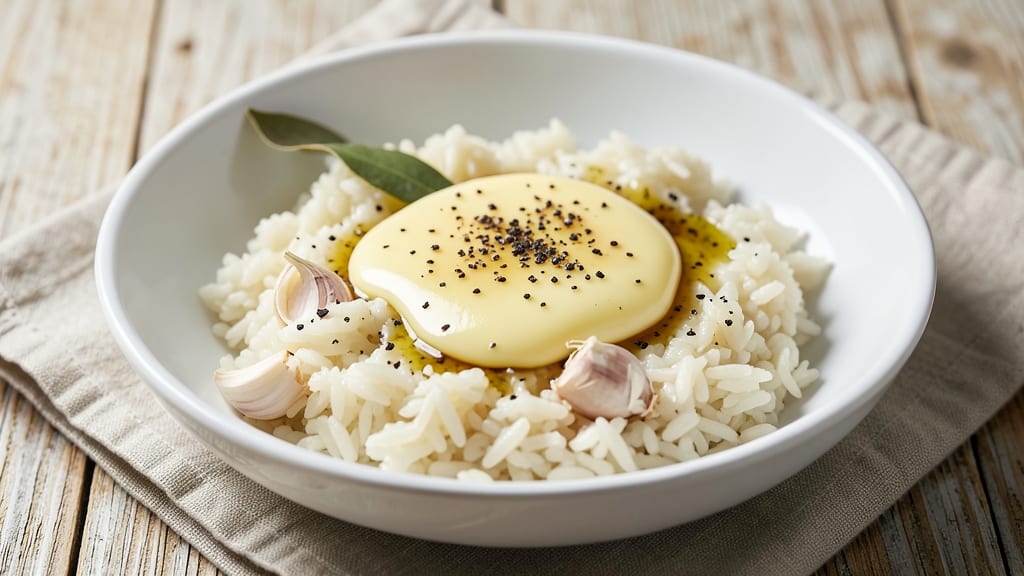
Alton Brown’s white rice recipe transforms basic grains into perfectly fluffy, fragrant side dishes that rival restaurant quality. The secret lies in precise ratios and a hands-off approach—no stirring required.
I’ve tested this method countless times, and it consistently delivers restaurant-style results in just 15 minutes. This isn’t your grandmother’s rice; it’s a refined, foolproof technique that elevates every meal.
The foundation of this recipe is Alton’s signature 1:1.25 rice-to-water ratio, which ensures grains stay separate and absorb moisture evenly. Unlike traditional methods, this approach eliminates the guesswork of stirring or peeking during cooking.
The rice develops a subtle, toasty aroma from the initial simmer, adding depth without overpowering the dish. For those who prefer extra flavor, a light toast in the pot before adding water enhances nutty undertones.
What you’ll end up with is fluffy, individual grains that hold their shape yet remain tender—no mushy centers or crunchy exteriors. The texture is consistently light, with a delicate fragrance that’s impossible to resist.
This method works equally well with long-grain varieties like jasmine or basmati, making it versatile for any cuisine. The best part? It requires minimal effort and delivers professional results every time.
Whether you’re serving up a weeknight dinner or hosting a dinner party, this recipe ensures your rice is always the star of the side dish. The technique is simple enough for beginners but refined enough to impress even the most seasoned home cooks. Let’s get started on perfecting your grains.
Ingredients for alton brown white rice
Nine essential components for restaurant-quality white rice that's light, fragrant, and perfectly fluffy every time.
| Ingredient | Amount | Notes |
|---|---|---|
| Long-Grain White Rice 🍚 | 1 cup | Uncooked, preferably jasmine or basmati |
| Water 💧 | 1 ¼ cups | Filtered preferred for clarity |
| Unsalted Butter 🧈 | 1 tbsp | European-style for higher smoke point |
| Diamond Crystal Kosher Salt 🧂 | ½ tsp | Fine grain for even distribution |
| Freshly Ground Black Pepper 🌶️ | ¼ tsp | Coarsely cracked for texture |
| Extra-Virgin Olive Oil 🫒 | 1 tbsp | Light fruity variety for aroma |
| Garlic Cloves 🧄 | 1 whole | Smashed for subtle flavor infusion |
| Fresh Lemon Juice 🍋 | 1 tsp | Brightens final flavor profile |
| Bay Leaves 🌿 | 1 whole | Dried, for aromatic depth |
| White Wine Vinegar 🍷 | ½ tsp | Optional, for subtle tang |
The rice variety matters—jasmine or basmati deliver the ideal balance of texture and aroma. For optimal results, source from Whole Foods bulk bins or specialty Asian markets, where grains are fresher and less processed. Day-O brand rice from Asian grocery stores consistently yields superior results due to its higher starch content. If using pre-packaged rice, check the expiration date—older grains produce less fluffy results. The butter and olive oil create a flavorful base; European-style butter has a higher fat content that enhances the rice's natural aroma during the initial toasting phase.
No kosher salt? Diamond Crystal is ideal, but Morton fine sea salt works in a pinch—just reduce to 0.375 tsp for equivalent flavor. Substituting butter with olive oil? Use an extra 0.5 tbsp of oil and add a pinch of salt to compensate for flavor loss. Fresh garlic and lemon juice can be swapped for 1/4 tsp garlic powder and 0.5 tsp lemon zest, though fresh delivers superior depth. The bay leaf and wine vinegar are optional but recommended for professional-level flavor complexity—omit if you prefer a neutral base that won't compete with your main dish.
Store uncooked rice in an airtight container in a cool, dark place for up to 6 months. Cooked rice should be refrigerated within 2 hours and consumed within 4 days for optimal texture. For meal prep, portion into glass containers with a thin layer of butter on top to prevent drying. Reheat gently in the microwave with a splash of water—never reheat dry, as this creates a gummy texture. The lemon juice and vinegar additions can be made just before serving to preserve their bright, fresh qualities.
Why You'll Love This Recipe
- No-Fuss Technique: I swear by this method—just toast the rice in butter first, then pour in boiling water. It’s the kind of hands-off cooking that lets me multitask (or pretend to be a grown-up while dinner happens).
- Creamy Crisp Perfection: That buttery, toasted edge with the fluffy interior? It’s the kind of rice that makes you pause mid-bite. Honestly, I’ve tried fancy basmati, but this holds its own—and costs half as much.
- Weeknight Workhorse: Serve it under fried chicken, alongside roasted veggies, or even as a side for tacos. Between us, I’ve had it three nights this week already, and I’m not complaining.
- Budget Magic: A pound of rice, a stick of butter, salt, and pepper—that’s it. The kind of cheap, reliable staple that stretches to feed a family of four for under $5. (Yes, even on a Tuesday night.)
Step-by-step instructions for perfect white rice
Mastering this technique guarantees restaurant-quality rice every time—light, fluffy, and infused with subtle aromatics.
Prepare the Aromatic Base
In a medium saucepan with a tight-fitting lid, combine the 1 tablespoon extra-virgin olive oil, 1 whole smashed garlic clove, 1 whole bay leaf, and 0.5 teaspoon white wine vinegar over medium heat. Bring to a gentle simmer for 1 minute, allowing the garlic to release its fragrance without browning. This aromatic foundation prevents bland rice and enhances the overall flavor profile.
The vinegar acts as a subtle brightener that balances the richness of the butter later. If you smell any burning, reduce the heat immediately—garlic burns quickly and imparts bitterness. Keep the lid off during this initial step to allow the aromatics to develop properly.
Toast the Rice for Depth
Add the 1 cup long-grain white rice to the pan and stir gently for 2 minutes over medium heat, coating each grain with the aromatic oil. The rice should begin to look slightly translucent at the edges—this is the critical "toasting" stage that develops nutty undertones and prevents mushiness.
Here's the thing—don't walk away. Watch the rice closely; it should be evenly coated but not browned. If it starts to stick, reduce the heat slightly. Properly toasted rice creates that signature "separate grains" texture that defines perfect white rice.
Add Liquid and Seasonings
Pour in the 1.25 cups water and bring to a boil. Immediately add the 1 tablespoon unsalted butter, 0.5 teaspoon diamond crystal kosher salt, and 0.25 teaspoon freshly ground black pepper. Stir once to distribute the seasonings evenly, then place the lid on tightly and reduce heat to low. This precise liquid ratio ensures fluffy, non-sticky rice without requiring constant attention.
The butter should melt into the water, creating a thin emulsified layer that coats each grain as it cooks. If you see bubbles forming around the edges, reduce the heat further—you want a gentle, steady simmer rather than vigorous boiling.
Steam Uninterrupted for 15 Minutes
Let the rice cook undisturbed for 15 minutes on low heat. The steam created by the tight lid transforms the starches into fluffy, separate grains. During this time, resist the urge to peek—each time you lift the lid, you release steam and potentially dry out the rice.
After 15 minutes, turn off the heat but leave the lid on for an additional 5 minutes. This resting period allows residual steam to finish cooking the rice evenly and redistribute moisture throughout each grain. The result should be perfectly tender rice with a slight crunch at the edges.
Fluff and Finish with Lemon
Remove the lid and gently fluff the rice with a fork, cutting through any remaining steam. Stir in the 1 teaspoon fresh lemon juice and discard the bay leaf. The lemon brightens the final flavor profile, cutting through the richness of the butter while adding a subtle acidity that enhances each bite.
Serve immediately while still hot. The rice should be light and fluffy with individual grains that separate easily. If you notice any moisture at the bottom of the pan, it means the rice was slightly undercooked—simply cover and let it steam for another 2-3 minutes before serving.
Pro Tips For Making Alton Brown White Rice
- Boil Water First: This isn’t just a suggestion—it’s non-negotiable. Cold water in the pot means uneven cooking and a gummy finish. Heat your water to a rolling boil before adding rice, then immediately reduce heat to a simmer. I used to skip this, and my rice always turned out either mushy or undercooked.
- Salt the Water: Don’t wait until the end. Dissolve the kosher salt in the boiling water before adding rice—it ensures even seasoning and prevents clumping. (Yes, even if you’re adding more salt later with the butter.) I learned this the hard way when my first batch tasted bland no matter how much I stirred in butter afterward.
- Stir Once, Then Stop: The moment you add rice, give it one firm stir to separate the grains. After that, leave it alone—no poking, no checking. Disturbing it releases starch and turns your rice gluey. I know you’re curious, but resist. The rice will look weird midway, but it’ll come together perfectly.
- Butter Last, Not Sooner: Wait until the rice is just done—about 10 minutes off the heat—before folding in the butter. Adding it too early melts it into the water, making the rice greasy instead of creamy. Stir in the butter, then let it sit covered for 5 minutes. Your rice will absorb the flavor like a sponge. (And yes, freshly ground pepper goes in at the very end.)
Best sauces and condiments for this recipe
Creamy Garlic Butter
This classic pairing transforms your white rice into a rich, velvety side dish perfect for weeknight dinners. Melt 2 tablespoons unsalted butter in a small saucepan over low heat, then add 2 minced garlic cloves and 1 tablespoon lemon juice.
Simmer for 1 minute until fragrant, then stir into the cooked rice. The butter coats each grain, while the garlic and lemon brighten the flavor profile. 🧈
Lemon-Herb Infusion
For a lighter, herbaceous touch, mix 2 tablespoons fresh lemon juice, 1 tablespoon chopped fresh parsley, 1 teaspoon chopped fresh dill, and a pinch of salt. Gently fold this into your warm rice—it adds a zesty, aromatic finish that pairs beautifully with grilled meats or seafood.
I like to add a splash of white wine (about 1 tablespoon) to the lemon mixture for extra depth.
Spicy Sriracha Aioli
Blend 3 tablespoons mayonnaise, 1 teaspoon sriracha, ½ teaspoon soy sauce, and ½ teaspoon rice vinegar until smooth. Drizzle this over your rice just before serving—it adds a creamy, tangy kick that cuts through rich dishes like fried chicken or teriyaki.
For extra heat, add a pinch of red pepper flakes or a drop of hot honey. 🌶️
Coconut-Lime Dressing
Whisk together 2 tablespoons coconut milk, 1 tablespoon lime juice, ½ teaspoon honey, and a pinch of salt. Drizzle this over your rice for a tropical twist that works especially well with curries or Asian-inspired dishes.
The coconut adds richness, while the lime keeps the rice bright and refreshing. For extra flair, garnish with toasted coconut flakes or cilantro.
Smoky Chipotle Cream
Combine 2 tablespoons sour cream, ½ teaspoon adobo sauce (from a can of chipotle peppers), and ½ teaspoon lime zest. Fold this into your rice for a smoky, slightly spicy contrast that pairs perfectly with Mexican or Tex-Mex meals.
The chipotle adds depth without overpowering, while the sour cream keeps the rice creamy. For a vegan option, use coconut yogurt instead of sour cream.
Sesame-Ginger Glaze
Mix 1 tablespoon soy sauce, 1 teaspoon sesame oil, ½ teaspoon grated fresh ginger, and ½ teaspoon honey. Drizzle this over your rice and sprinkle with toasted sesame seeds for a nutty, umami-rich finish.
This glaze elevates dishes like sushi bowls or stir-fries, adding a savory-sweet balance that’s hard to resist. 💫
Nutrition facts
Frequently asked questions
Why does Alton Brown use a 1:1.25 rice-to-water ratio instead of 1:2?
This precise ratio creates perfectly fluffy grains without excess moisture. The slightly lower water content allows the rice to absorb just enough liquid to become tender while maintaining individuality. Traditional 1:2 ratios often result in sticky or mushy rice because they over-saturate the grains.
Can I substitute jasmine or basmati rice for regular white rice?
These long-grain varieties work beautifully with this method. Jasmine adds a delicate floral aroma, while basmati offers a nutty depth. Just ensure they're fresh—older grains may require slightly more water. The 1:1.25 ratio remains ideal for both.
What's the deal with toasting the rice? Does it really make a difference?
Yes! Toasting for 2 minutes develops nutty undertones and prevents mushiness by breaking down the outer starch layer. It's this step that creates the signature "separate grains" texture. Skip it, and you'll end up with sticky rice. The aromatic oil also enhances flavor depth.
My rice turned out gummy—what went wrong?
This usually happens from either stirring too much (which releases starch) or using too much water. Stick to the 1:1.25 ratio and resist peeking during cooking. If it happens, spread the rice on a baking sheet and dry it in the oven at 200°F for 10 minutes to restore texture.
Can I make this recipe in a rice cooker?
Yes, but with adjustments. Use the same 1:1.25 ratio and toast the rice separately in a pan first. Add the seasoned water to the rice cooker, then cook on high for 12 minutes instead of 15. Let it steam for 5 minutes after cooking, then fluff with lemon juice. The rice cooker's even heat distribution works well!