
Side Dishes
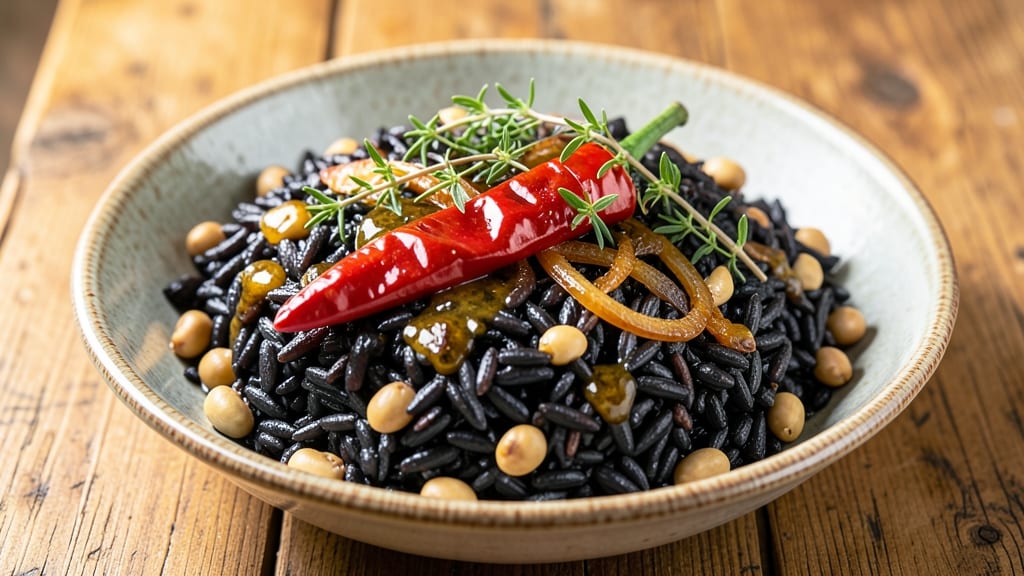
This authentic Haitian black rice recipe brings the bold flavors of Haitian cuisine straight to your kitchen table, where the deep umami and charred grains tell a story of tradition.
Growing up, I’d watch my Haitian neighbors transform simple ingredients into something extraordinary—this dish was always the centerpiece, its smoky aroma filling the air. The secret lies in soaking the black rice overnight, then slow-cooking it with pigeon peas and a blend of spices that create layers of complexity.
What makes this recipe truly special is the balance of textures and flavors—charred rice grains, tender pigeon peas, and the subtle heat from Scotch bonnet peppers. Unlike many rice dishes, this one requires patience: the rice must soak, then simmer for hours to develop its signature depth.
The result is a dish that’s as comforting as it is impressive, perfect for special occasions or weeknight dinners when you want to bring a taste of Haiti home.
The dish is traditionally served with proteins like salted cod, chicken, or shrimp, but it stands strong on its own as a side that steals the show. The grains stay firm yet tender, with a slight crunch from the char, while the pigeon peas add a creamy contrast.
Every bite carries the warmth of Haitian culture, making it more than just a side dish—it’s a celebration on a plate.
Ready to master this recipe? We’ll cover every step, from soaking the rice to achieving that perfect char, so you can recreate this flavorful tradition in your own kitchen. Let’s get started!
Ingredients for authentic haitian black rice
Simple ingredients, deep tradition—this rice transforms with patience and char.
| Ingredient | Amount | Notes |
|---|---|---|
| Black Rice (Forbidden Rice) 🍚 | 1 ½ cups | Uncooked, soaked overnight |
| Dried Pigeon Peas (Gungo Peas) 🌱 | 1 cup | Soaked overnight, peeled |
| Scotch Bonnet Peppers 🌶️ | 2 whole | Seeds removed for mild heat |
| Onion 🧅 | 1 whole | Yellow or red, chopped |
| Garlic Cloves 🧄 | 4 cloves | Freshly minced |
| Fresh Thyme Leaves 🌿 | ¼ cup | Chopped, or 1 tbsp dried |
| Ground Thyme 🌿 | 1 tsp | If fresh thyme unavailable |
| Bay Leaves 🍃 | 2 whole | Fresh preferred |
| Scotch Bonnet Pepper Seeds 🌶️ | 1 tsp | For extra heat (optional) |
| Salt 🧂 | 1 ½ tsp | Kosher or sea salt |
| Black Liquorice (Optional) 🍫 | 1 tbsp | For traditional depth |
| Olive Oil 🫒 | ½ cup | For charring rice |
| Water 💧 | 6 cups | For cooking rice |
| Chicken or Vegetable Broth 🍲 | 1 cup | Low-sodium preferred |
Black rice is the heart of this dish, and forbidden rice from Asian markets delivers the best texture and color. If you can't find it, black rice blends from Bob's Red Mill work too, but they lack the same depth. The pigeon peas need soaking overnight—Trader Joe's sells them pre-soaked if you're in a rush. For the Scotch bonnet peppers, Caribbean markets or Latin grocery stores have the freshest, but if you're using dried, soak them first. The thyme? Fresh is ideal, but dried works at one-third the amount. I always double-check my thyme leaves are vibrant green—wilted ones lose their magic.
No black rice? Wild rice or brown rice can mimic the texture, but the dish loses its signature color. Skip the Scotch bonnet? Habanero or jalapeño at half the amount adds heat, but nothing matches that fruity, smoky kick. The black liquorice is optional, but it's what gives this dish that authentic Haitian depth—find it in baking aisles or online. For the broth, homemade is best, but even store-bought low-sodium works. The onions and garlic can be pre-chopped if you're short on time, but freshly minced garlic makes all the difference. And if you're feeling adventurous, save a few pepper seeds for extra heat later.
This rice needs time—overnight soaking is non-negotiable. Once cooked, it keeps for 4 days in the fridge, but the flavor deepens over time. Freeze portions for up to 3 months if you're making a big batch. The charred grains? That's what makes it special—don't skip it. I always reheat with a splash of water to keep it moist. And trust me, the leftovers taste even better the next day as the flavors meld.
Why You'll Love This Recipe
- One-Pot Magic: I swear by this—just toss the rice, pigeon peas, and peppers into a pot with water, and let it simmer. No fancy layers, no stress, and honestly? The hardest part is waiting for the aroma to fill your kitchen.
- Scotch Bonnet Heat: That little pepper packs a punch, but the best part? It’s balanced by the earthy sweetness of the black rice and the nutty gungo peas. I’ll be real: the first time I made it, I went easy on the pepper—now I add it all in. (Yes, even on a Tuesday night.)
- Leftovers Are Better: This dish actually tastes richer the next day, especially if you store it with a splash of the cooking liquid. I meal prep it for the week, and my kids still fight over the last bite—no sad, dried-out rice here.
- Budget Feast: Black rice might sound fancy, but it’s cheaper than white rice in bulk, and dried gungo peas last forever. For under $10, you feed a crowd with a dish that feels like a restaurant special. My secret weapon for potlucks and lazy Sundays.
Step-by-step instructions for authentic Haitian black rice
Here's how to bring the rich flavors of Haiti to your kitchen with perfectly charred grains.
Prepare the Black Rice and Pigeon Peas
Start by draining the soaked black rice and pigeon peas. I like to rinse them thoroughly under cold water to remove any excess starch—this prevents the rice from becoming gummy. Place the drained black rice in a large pot and cover with fresh 6 cups water. Bring to a boil over medium-high heat, then immediately reduce to a simmer.
While the rice simmers, add the soaked pigeon peas to the same pot. The pigeon peas will cook slowly alongside the rice, absorbing all those deep umami flavors. Keep an eye on the water level—you want enough to maintain a gentle simmer, but not so much that it dilutes the flavors. Simmer uncovered for 20 minutes, stirring occasionally to prevent sticking.
Build the Flavor Base with Aromatics
After 20 minutes, add the chopped 1 whole onion, minced 4 cloves garlic, 0.25 cup fresh thyme leaves, 1 tsp ground thyme, 2 whole bay leaves, and 1.5 tsp salt. Stir gently to combine, letting the aromatics infuse the rice and peas. The kitchen will fill with an intoxicating blend of garlic, thyme, and the natural earthiness of the black rice.
Here's the thing—Haitian black rice relies on slow flavor development. Let everything cook together for another 15 minutes over medium-low heat. You'll see the onion soften and the garlic mellow, releasing their oils into the rice. The rice should be 80% cooked by now—it'll finish in the final step.
Char the Rice for Authentic Depth
Heat 0.5 cup olive oil in a separate skillet over medium-high heat until shimmering. Add the black rice mixture in batches, spreading it out thinly to create a crusty, charred exterior. This step is what gives Haitian black rice its signature smoky depth. Work in batches if needed—don't overcrowd the pan.
Char the rice for 2-3 minutes per side until deeply golden in spots. You're looking for a mix of crispy edges and tender centers. The charred bits will release their smoky flavor into the dish as it finishes cooking. Transfer the charred rice back to the pot and stir in the 1 cup chicken or vegetable broth. If using, add the 1 tbsp black liquorice now for that traditional depth of flavor.
Finish with Heat and Rest
Return the pot to medium heat and cook uncovered for another 10-15 minutes, stirring occasionally. The rice should be tender with a slight bite, and the liquid should be mostly absorbed. Taste and adjust seasoning—you might need a bit more salt to balance the flavors, especially if you used low-sodium broth.
For the signature Haitian kick, add the 1 tsp Scotch bonnet pepper seeds (if using) and the 2 whole Scotch bonnet peppers (seeds removed for mild heat). Stir gently and cook for 2 more minutes to let the heat infuse. Remove the bay leaves before serving. Let the rice rest for 5 minutes off the heat—this allows the flavors to meld and the grains to plump up.
Pro Tips For Making Authentic Haitian Black Rice
- SOAK THE GUNGO PEAS: Dried pigeon peas need a good 8-12 hours in water—don’t cut corners here. I used to skip this and ended up with a mushy, flavorless mess that stuck to the rice. Soak them in warm water with a pinch of salt, then drain and rinse right before cooking.
- TOAST THE BLACK RICE: Lightly toast the forbidden rice in oil for 2-3 minutes before adding liquid—this deepens the nutty flavor and prevents mushiness. I know, it’s an extra step, but trust me: the texture and taste make it worth the 60 seconds.
- CONTROL THE SCOTCH BONNET: Wear gloves when handling Scotch bonnet peppers, and never add the whole pepper to the pot—tear it into tiny pieces first. The heat will seep into the rice evenly, and you won’t end up with one spicy bite and the rest bland.
- STIR THE POT: After the initial boil, stir the rice every 5-10 minutes to prevent sticking—especially when the liquid reduces. I learned this the hard way after scraping a burnt layer off my pot. A wooden spoon works best, and don’t skip this even if it feels tedious.
Best sauces and condiments for this authentic haitian black rice
Scotch Bonnet Pepper Sauce
No Haitian dish is complete without that signature heat. I blend 2 Scotch bonnet peppers (seeds removed) with 2 tbsp olive oil, 1 tbsp lime juice, and a pinch of salt for a vibrant, fruity sauce. For extra depth, add 1 tsp black liquorice to the blend.
This sauce transforms from a simple condiment to the star of the meal—drizzle it over your black rice or serve it on the side for guests to customize their heat level. 🌶️
Pigeon Pea Purée
The creamy pigeon peas deserve their own spotlight. After cooking, blend 1 cup cooked pigeon peas with 2 tbsp coconut milk, 1 tsp garlic powder, and a splash of water until smooth. Spread this purée on toasted bread or use it as a dip for grilled proteins.
The earthy sweetness pairs beautifully with the smoky rice. I love serving it with fried plantains for a full Haitian spread.
Charred Onion Jam
Save those caramelized onion bits from cooking! Toss them with 1 tbsp brown sugar, 1 tsp apple cider vinegar, and a pinch of thyme. Simmer for 5 minutes until sticky. This jam adds a sweet-savory contrast that elevates the rice.
Spread it on grilled chicken or mix it into the rice at the end for extra complexity. It’s the kind of detail that makes a home-cooked meal feel like a restaurant dish.
Citrus-Lime Dressing
A bright citrus dressing cuts through the richness of the black rice. Whisk together 3 tbsp lime juice, 2 tbsp olive oil, 1 tbsp honey, and 1 tsp grated lime zest. Drizzle this over the finished rice or use it to moisten grilled proteins.
The acidity balances the umami and heat, making every bite refreshing. I keep this dressing in the fridge for up to 3 days—it’s versatile enough to use on salads or seafood too.
Spiced Butter Finish
For a luxurious touch, melt 2 tbsp butter with 1 tsp ground thyme, ½ tsp smoked paprika, and a pinch of cayenne. Drizzle this over the hot rice just before serving.
The butter melts into the grains, adding richness while the spices tie everything together. It’s a simple trick that feels like a chef’s kiss—perfect for impressing guests without extra effort. 💛
Pickled Red Onions
Quick-pickle 1 small red onion thinly sliced with ½ cup apple cider vinegar, 1 tbsp sugar, and ½ tsp salt. Let it sit for at least 30 minutes before serving. The tangy crunch contrasts the smoky rice beautifully.
I often scatter these pickled onions over the dish as a garnish, but they’re also great for topping grilled meats or salads. They’re a game-changer for adding freshness and acidity.
Nutrition facts
Frequently asked questions
Why does authentic Haitian black rice need to soak overnight?
The overnight soak removes excess starch and prevents the rice from becoming mushy. Black rice has a tough outer layer that needs time to soften properly, while the soaking also helps develop its signature deep color and nutty flavor. Skipping this step can result in a gummy texture that lacks the traditional firmness.
Can I substitute pigeon peas with another type of bean?
While pigeon peas (gungo peas) are traditional, you can use black-eyed peas or butter beans in a pinch. They won't have the exact same earthy sweetness, but they'll work in a pinch. For best results, soak them overnight just like the pigeon peas to maintain texture. The dish will still be flavorful, just slightly different.
What's the secret to getting the perfect char on the rice?
Work in small batches over medium-high heat and spread the rice thinly in the pan. You want golden-brown spots with crispy edges while keeping the centers tender. The char adds smoky depth that's essential to authentic Haitian rice. If your rice isn't browning, your heat might be too low - try a slightly hotter pan next time.
How do I adjust the heat level in this recipe?
Remove the seeds from Scotch bonnet peppers for milder heat, or use only the pepper flesh. For extra spice, add the seeds back or include a pinch of cayenne. You can also serve the pepper sauce on the side so guests can control their own heat level. Remember, the heat builds as the rice cooks, so taste as you go.
Can I make this dish ahead of time?
This rice actually tastes better the next day as the flavors meld. Store in an airtight container in the fridge for up to 4 days. Reheat gently with a splash of water or broth to restore moisture. For longer storage, freeze portions for up to 3 months. The charred bits will soften slightly but the flavors remain rich.