
Main Courses
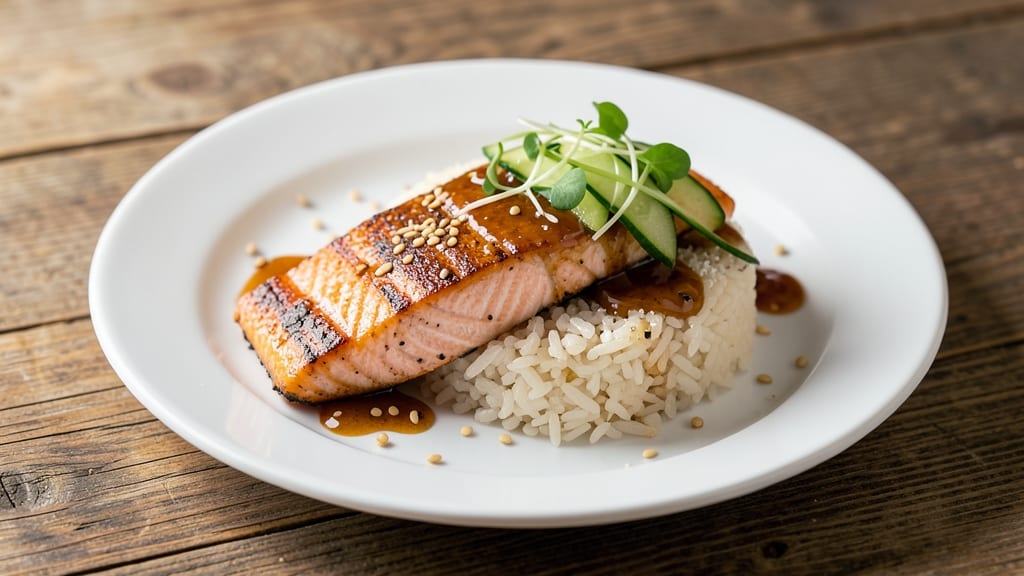
This baked salmon sushi rice recipe delivers the perfect balance of crispy edges and delicate, flaky fish—transforming a simple weeknight dinner into a restaurant-worthy experience.
The secret lies in baking the salmon just until it reaches 145°F, ensuring it stays moist while developing a subtle golden crust that contrasts beautifully with the tender rice underneath.
I developed this method after years of experimenting with Japanese techniques, refining it to work seamlessly in a home kitchen without sacrificing authenticity.
The foundation of this dish is sushi rice—short-grain Japanese rice seasoned with rice vinegar, sugar, and salt, creating that signature sticky yet fluffy texture.
While traditional sushi rolls require precision, this baked version lets you layer the components simply: crispy salmon, vibrant rice, and fresh toppings like avocado or cucumber.
The dish stays true to its roots while offering flexibility for modern adaptations, such as adding a drizzle of spicy mayo or toasted sesame seeds for extra depth.
What you’ll end up with is a visually striking bowl where every element harmonizes—crispy salmon that flakes effortlessly, perfectly seasoned rice, and fresh garnishes that add color and crunch.
The aroma of the baking salmon fills the kitchen, while the first bite delivers a symphony of textures and flavors that feel both comforting and sophisticated. This recipe is designed to impress without requiring advanced skills, making it ideal for both sushi enthusiasts and beginners.
Serve it as a light main course, a protein-packed lunch, or even a showstopping appetizer for guests. The beauty of this dish lies in its adaptability—swap in your favorite toppings or adjust the seasoning to suit your palate, all while keeping the core technique intact.
Let’s bring this balanced, flavorful meal to your table.
Ingredients for baked salmon sushi rice
Fresh salmon, sticky rice, and vibrant toppings come together for this restaurant-style dish.
| Ingredient | Amount | Notes |
|---|---|---|
| Fresh Atlantic Salmon Fillets 🐟 | 1 ½ lb | Skin-on, center-cut preferred |
| Short-Grain Japanese Rice 🍚 | 2 cups | Uncooked, like Koshihikari |
| Rice Vinegar 🍶 | ⅓ cup | Seasoned, like Kikkoman |
| Granulated Sugar 🍬 | 2 tbsp | White or raw cane |
| Diamond Crystal Kosher Salt 🧂 | 1 ½ tsp | Fine grain preferred |
| Avocado Oil 🫒 | 1 tbsp | High smoke point for baking |
| Fresh Cucumber 🥒 | ½ whole | Seedless, thinly sliced |
| Avocado 🥑 | 1 whole | Ripe, sliced for garnish |
| Sesame Seeds 🌾 | 1 tbsp | Toasted, white or black |
| Fresh Wasabi 🌶️ | 1 tsp | Grated, or wasabi paste |
| Spicy Mayo 🥛 | ¼ cup | Homemade or store-bought |
| Lemon Wedges 🍋 | 2 whole | For serving |
| Fresh Dill 🌿 | ¼ cup | Chopped, for garnish |
The salmon is everything here—center-cut fillets with skin-on ensure crispy edges without drying out. I always grab wild-caught Atlantic from the seafood counter at Whole Foods or Trader Joe's—they keep it flash-frozen until checkout, so it stays ultra-fresh. If you can't find Koshihikari rice, sushi rice from the Asian market works just as well. The key is uncooked weight: 2 cups raw rice yields about 3 cups cooked. For the rice vinegar, Kikkoman seasoned has the perfect balance of sweetness and acidity—no need to fuss with mixing your own. Toast your sesame seeds in a dry pan for 30 seconds until fragrant; they add depth that store-bought can't match.
No wasabi paste? Fresh horseradish at half the amount works in a pinch, though it's more pungent. Running short on avocado? Mango slices add sweetness and contrast beautifully. For spicy mayo, mix mayo with sriracha (start with 1 tsp per 2 tbsp mayo) if you don't have pre-made. The cucumber should be seedless—those little black seeds get annoying in every bite. If you're feeling fancy, substitute shiso leaves for dill, but fresh dill is foolproof. The lemon wedges? Meyer lemons have that perfect floral tang, but regular lemons work fine. Pro tip: pat the salmon dry before baking—it makes all the difference for that crispy crust.
Rice keeps best in an airtight container in the fridge for up to 3 days, though it's best within 24 hours. The salmon fillets? Cook fresh—they lose texture fast once baked. Store any leftover toppings (like avocado or cucumber) in sealed containers with a paper towel to absorb moisture. This dish reheats surprisingly well—microwave for 20 seconds with a damp paper towel over it to keep the rice from drying out. For meal prep, assemble components separately and bake the salmon just before serving to maintain that perfect crisp.
Why You'll Love This Recipe
- No-Rice-Cooker Needed: I swear by this trick—just a pot, water, and 15 minutes of simmering for that perfect sticky rice. No fancy tools, no stress, and it actually works better than takeout.
- Sweet-Savory Magic: That simple rice vinegar and sugar mix? It’s the secret weapon. The salmon stays juicy while the rice gets this bright, tangy crunch—like a bite of summer in every forkful.
- Lunchbox Hero: Between us, this is my go-to for packed lunches. Cold salmon over rice? Surprisingly fresh-tasting, and the vinegar dressing keeps it from getting soggy. My kids (yes, even the picky ones) eat it all.
- Budget-Friendly Luxury: Fresh salmon feels fancy, but it’s cheaper than you’d think when you bake it simply. The rice stretches far, and leftovers reheat beautifully—no sad, dry bites here. My wallet and taste buds agree.
Step-by-step instructions for baked salmon sushi rice
Here's the method for achieving that perfect balance of crispy salmon skin and flaky, tender fish with perfectly seasoned rice.
Prepare the Salmon for Crispy Perfection
Begin by preheating your oven to 425°F with the rack positioned in the middle position. Pat the 1.5 lb fresh atlantic salmon fillets completely dry with paper towels, focusing on the skin side—this is where we'll create that coveted crispy texture. Place the fillets skin-side up on a parchment-lined baking sheet.
Drizzle 1 tablespoon avocado oil evenly over the salmon, then sprinkle with 1.5 teaspoons diamond crystal kosher salt and 2 tablespoons granulated sugar. The sugar isn't just for sweetness—it caramelizes during baking, enhancing the crispiness. Let the salmon rest uncovered for 15 minutes at room temperature while you prepare the rice.
Cook the Short-Grain Japanese Rice to Ideal Texture
Rinse the 2 cups short-grain japanese rice under cold water until the water runs clear, then drain thoroughly. In a medium saucepan, combine the rice with 2.5 cups water (yes, more than the rice—this creates that signature sticky texture) and bring to a boil over high heat. Once boiling, reduce to low heat, cover with a tight-fitting lid, and simmer for 15 minutes without disturbing it.
After 15 minutes, remove from heat and let it steam, still covered, for 10 minutes. This resting period allows the rice to absorb all the moisture evenly. While the rice steams, whisk together 0.33 cup rice vinegar in a small bowl—this will be our seasoning. Once ready, gently fold the vinegar mixture into the warm rice using a wooden spoon, being careful not to mash the grains. Spread the rice evenly on a tray to cool slightly before assembling.
Bake the Salmon Until Crispy and Flaky
Return the baking sheet with salmon to the 425°F oven and bake for 12-15 minutes, depending on thickness. You'll know it's perfect when the skin is deep golden brown and crispy to the touch, while the flesh flakes easily with a fork. The internal temperature should reach 135°F—this ensures the fish is fully cooked but still moist.
Here's the thing—don't overbake. The salmon will continue cooking slightly as it rests. If you're unsure, check at 12 minutes—the skin should be set and the edges just starting to crisp. Remove from the oven and let the salmon rest for 5 minutes before serving. This resting period is crucial for redistributing juices and maintaining that flaky texture.
Assemble and Garnish for Presentation
Using a sharp knife, carefully slice the salmon into 4 equal portions, keeping the skin intact. Arrange each portion over a bed of the seasoned rice, fanning the skin slightly to showcase its crispy edges. Drizzle lightly with 0.25 cup spicy mayo and sprinkle with 1 tablespoon toasted sesame seeds and 0.25 cup chopped fresh dill. The wasabi comes into play here—grate 1 teaspoon fresh wasabi directly onto each serving for that signature kick.
For the final touch, arrange thinly sliced fresh cucumber and sliced avocado around the salmon, then place 2 lemon wedges on each plate. The acidity of the lemon cuts through the richness of the salmon, while the cool cucumber and creamy avocado provide a refreshing contrast. Serve immediately while the salmon is still crispy and the rice maintains its perfect texture.
Pro Tips For Making Baked Salmon Sushi Rice
- Preheat Pan, Not Just Oven: I learned this the hard way—cold salmon on a hot baking sheet will steam instead of sear. Slap that fillet onto a pan that’s been heating alongside your oven for 10 minutes first. The crust will form faster, and the inside stays juicy. Trust me, your salmon won’t turn into sad, gray fish sticks.
- Rinse Rice Until Water Runs Clear: Skimping on rinsing leaves your sushi rice gummy and clumpy. Use a fine-mesh strainer and run cold water over the grains until it’s almost transparent—about 3-4 rinses. This removes excess starch, so your rice stays light and separate, just like in a sushi bar. (Yes, even if you’re impatient like me.)
- Salt Salmon Skin-Side Down: Sprinkle kosher salt directly on the skin before baking—it crisps up like magic. The salt draws out moisture, creating a shatteringly thin, golden crust that holds up to slicing. Flip it only when the edges curl at the edges (about 8-10 minutes in). No flaking, no soggy skin.
- Sweat the Vinegar Mixture: Don’t just dump rice vinegar and sugar over hot rice—simmer them together for 2 minutes first. This makes the glaze actually cling to the grains instead of pooling at the bottom. Use a nonstick pan on medium-low, stir until the sugar dissolves, then pour it over the rice while it’s still steaming. The texture changes everything.
Wine and beer pairings for this recipe
Light White Wine
For this delicate dish, I always reach for a crisp Japanese white wine like Koshu or Muscat Bailey A. Their subtle sweetness and floral notes complement the salmon's richness without overpowering the delicate sushi rice.
A chilled glass of Sake (like Dassai Junmai) also works beautifully—its clean, slightly nutty profile enhances the dish's umami elements. 🍶
Crisp Sake Cocktail
If you prefer something lighter, try a sake spritzer—mix equal parts chilled sake and sparkling water with a squeeze of yuzu or lemon. The effervescence cleanses your palate between bites, while the citrus brightens the dish.
For a non-alcoholic option, sparkling green tea (like Hojicha) adds a refreshing contrast.
Light Beer Pairings
A Japanese lager such as Asahi Super Dry or Sapporo provides a clean, crisp backdrop that lets the salmon and rice shine. Avoid heavy stouts or IPAs—they can overpower the dish's delicate flavors.
For a craft option, a wheat beer with citrus notes (like Blue Moon) pairs surprisingly well. 🍺
Umami-Enhanced Options
For a bolder pairing, try a lightly oaked Chardonnay from Japan (like Miyakoba)—its subtle oak and citrus complement the salmon's natural oils. Alternatively, a dry Riesling with its bright acidity cuts through the richness of the spicy mayo. Both wines elevate the dish without competing with its flavors.
Non-Alcoholic Refreshers
If alcohol isn't your thing, sparkling yuzu soda (like Ramune) is a fantastic match—its sweet-tart flavor mirrors the rice vinegar. For something bolder, hibiscus iced tea (chilled) adds a floral, slightly tart contrast that enhances the salmon's natural sweetness. Both options keep the dish refreshing and light.
Nutrition facts
Frequently asked questions
Can I use frozen salmon instead of fresh for this recipe?
Yes, but thaw it properly first! Place frozen salmon in the fridge overnight or use the cold water method (sealed in a bag for 30 minutes). Never thaw at room temperature—this can cause uneven cooking. Pat it completely dry before seasoning to ensure crispy skin. The texture will be just as good as fresh if thawed correctly!
How do I prevent the salmon from drying out when baking?
The key is timing and temperature. Bake at 425°F for only 12-15 minutes—the salmon continues cooking as it rests. Use a meat thermometer to check for 135°F internal temp. Also, pat the skin completely dry before seasoning, and don't overcrowd the pan. The sugar in the seasoning helps caramelize for crispiness without drying.
What's the best way to make sushi rice if I don't have rice vinegar?
You can substitute with a mix of apple cider vinegar and a pinch of sugar (1:1 ratio). For a more authentic flavor, add 1 tsp lemon juice and ½ tsp sugar instead. The rice will still be sticky, though the tang will be slightly different. For best results, use seasoned rice vinegar if possible—it's worth finding at an Asian market.
Can I make this dish ahead of time?
Yes! Cook the rice and bake the salmon separately, then assemble just before serving. Store components in airtight containers in the fridge for up to 2 days. Reheat salmon gently in the oven (300°F for 5 minutes) and warm rice in a steamer. Garnish fresh to maintain texture and flavor. The crispy skin won't stay perfect if reheated, but the flavors hold up beautifully.
What if I don't like spicy mayo? What are other sauce options?
Try these alternatives: eel sauce (for umami depth), soy-ginger glaze (mix soy sauce, honey, and grated ginger), or yogurt-dill sauce (Greek yogurt + lemon + chopped dill). For authenticity, wasabi paste mixed with mayo (just ½ tsp wasabi per 2 tbsp mayo) gives that classic kick without heat. All options work perfectly with the crispy salmon!