
Side Dishes
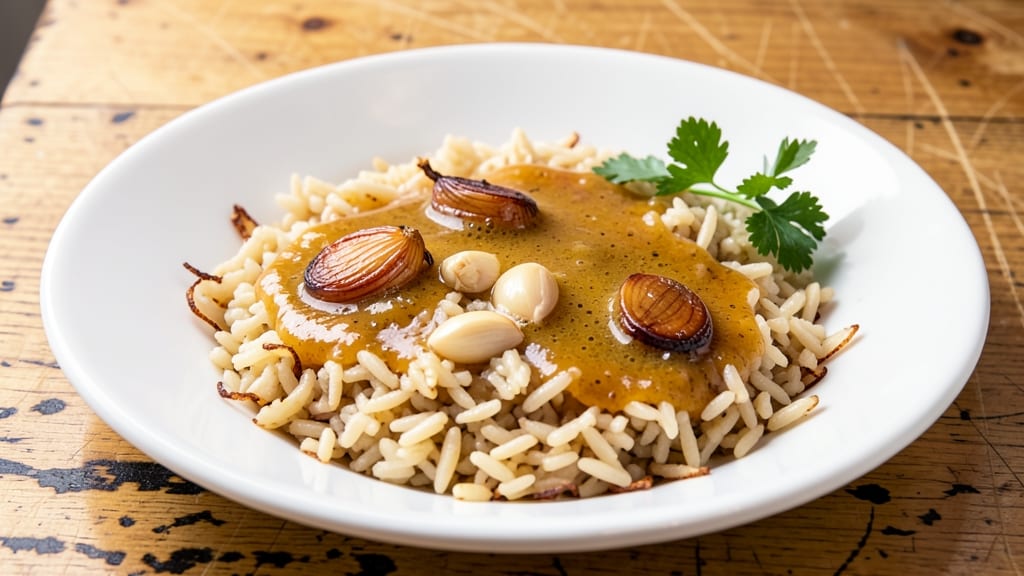
Betty Crocker’s rice pilaf recipe delivers that golden-grain perfection we all crave—tender rice infused with savory broth, toasted spices, and rich butter that makes every bite irresistible.
This one-pot method ensures foolproof results without fuss, combining classic techniques with modern convenience for a side dish that steals the show at any meal.
The key lies in toasting the rice first, which unlocks its natural nuttiness before simmering it in aromatic broth until each grain is plump and fragrant.
What sets this recipe apart is the balance of simplicity and depth—the toasted butter adds richness, while herbs and spices create layers of flavor that transform basic rice into something extraordinary.
Whether served alongside roasted chicken, grilled steak, or as a vegetarian main, this pilaf delivers restaurant-quality texture with minimal effort. Ready in just 25 minutes, it’s the perfect solution for weeknight dinners or holiday feasts where sides need to shine.
Ingredients for betty crocker rice pilaf
Golden-brown rice with nutty depth and velvety texture—this pilaf delivers restaurant-quality results using just twelve essential ingredients.
| Ingredient | Amount | Notes |
|---|---|---|
| Long-Grain White Rice 🍚 | 1 cup | Uncooked, medium grain preferred |
| Unsalted Butter 🧈 | ½ cup | Cold, cut into small cubes |
| Chicken Broth 💧 | 2 cups | Low-sodium preferred, homemade or quality store-bought |
| Shallots 🧅 | 2 whole | Minced, or substitute 3 tbsp finely chopped onion |
| Garlic Cloves 🧄 | 3 cloves | Minced, fresh preferred |
| Dried Parsley 🌿 | 1 tbsp | Or 1 tbsp fresh chopped parsley |
| Dried Thyme 🌿 | 1 tsp | Or 1 tsp fresh thyme leaves |
| Ground Black Pepper 🌶️ | ½ tsp | Freshly ground for optimal flavor |
| Diamond Crystal Kosher Salt 🧂 | ¾ tsp | Adjust to taste after cooking |
| Heavy Cream 🥛 | ¼ cup | Full-fat for best texture |
| Green Onions 🧅 | 2 whole | Sliced thin, for garnish |
| Toasted Almonds 🥜 | ¼ cup | Sliced, for garnish (optional) |
The rice and butter are the foundation of this pilaf. Jasmine or basmati rice yields the best texture, though long-grain white works perfectly. For butter, European-style brands like Plugrá or Land O'Lakes provide superior flavor due to their higher fat content. Toast the butter until it turns golden—this step develops rich nutty notes that elevate the entire dish. Shallots should be finely minced for even distribution of flavor, while garlic should be minced rather than pressed to avoid bitterness. Penzeys Spices or bulk bins at Whole Foods are ideal for sourcing high-quality dried herbs like thyme and parsley, which should be measured carefully to avoid overpowering the delicate rice flavor.
Substitutions are flexible but require attention to balance. For broth, vegetable broth works equally well for vegetarian versions, though chicken broth provides deeper savory notes. Fresh herbs can replace dried at a 3:1 ratio, but dried are more convenient for pantry storage. Heavy cream can be replaced with whole milk for a lighter texture, though the dish will be slightly less rich. If almonds are unavailable, toasted cashews or pecans provide a similar crunch. For those with dietary restrictions, olive oil replaces butter in a 1:1 ratio, though the texture will differ slightly. Always taste the broth before adding rice to ensure proper seasoning—adjust salt and pepper accordingly.
This pilaf reheats beautifully, making it ideal for meal prep. Store in an airtight container in the refrigerator for up to 5 days, though flavor peaks within the first 2 days. For longer storage, freeze portions in single-serving containers for up to 3 months. When reheating, add a splash of broth or water to restore moisture. The dish can also be made ahead and gently reheated before serving, allowing flavors to meld further. Garnish with toasted almonds and green onions just before serving to maintain freshness and presentation.
Why You'll Love This Recipe
- No-Fuss Weeknight Win: I swear by this pilaf because it’s the kind of recipe where you can literally measure, pour, and stir without overthinking. The rice cooks itself while you sauté shallots and garlic in butter—no fancy techniques, just golden-brown edges and tender grains every time.
- Buttery Garlic Magic: That first bite of crispy shallots and garlic in rich chicken broth? Chef’s kiss. The butter melts into the rice just enough to make it creamy without being heavy, and the broth keeps it light—like a hug for your taste buds after a long day.
- Leftovers That Don’t Suck: Honestly, this pilaf tastes better the next day. Reheat it with a splash of broth, and it’s still fluffy and flavorful—perfect for lunches or a quick dinner when you’re too tired to cook. (Yes, even on a Tuesday night.)
- Budget-Friendly Crowd Pleaser: Long-grain rice and basic pantry staples? Check. This recipe feeds four for under $10 and still feels special enough for company. My college roommates called it “fancy cheap food,” and they weren’t wrong.
Step-by-step instructions for betty Crocker-inspired rice pilaf
Here's the method for golden, aromatic rice pilaf with tender grains and rich flavor.
Sauté Aromatics in Butter Until Fragrant
Melt the 0.5 cup unsalted butter in a large skillet over medium heat. Add the 2 whole minced shallots and 3 cloves minced garlic cloves, stirring constantly for 3-4 minutes until the shallots soften and the garlic releases its aroma—you'll notice the kitchen filling with a warm, sweet fragrance.
This initial cooking step develops the pilaf's foundation. If the butter begins to brown too quickly, reduce the heat slightly to prevent burning. The aromatics should be tender but not crispy, creating a flavorful base for the rice.
Toast the Rice and Season the Mixture
Add the 1 cup long-grain white rice to the skillet and stir for 2 minutes until each grain is lightly coated with butter and appears slightly translucent at the edges. This toasting step prevents the rice from becoming mushy and adds nutty depth to the final dish.
Next, sprinkle the 0.75 tsp diamond crystal kosher salt, 0.5 tsp ground black pepper, 1 tbsp dried parsley, and 1 tsp dried thyme over the rice. Stir gently to distribute the seasonings evenly throughout the grains. The herbs should be dispersed but not clumped together.
Add Broth and Simmer Until Absorbed
Pour in the 2 cups chicken broth, stirring once to combine. Bring the mixture to a gentle boil, then immediately reduce heat to low. Cover the skillet with a tight-fitting lid and let it simmer for 15 minutes without disturbing it. This undisturbed cooking allows the rice to absorb the broth evenly and develop its signature fluffy texture.
After 15 minutes, check the rice by lifting the lid slightly. If the liquid has been completely absorbed and the bottom of the pan is dry, proceed to the next step. If there's still liquid remaining, cover and cook for another 5 minutes. The rice should be tender but still have a slight bite.
Finish with Cream and Garnish
Remove the skillet from heat and stir in the 0.25 cup heavy cream until fully incorporated. The cream adds richness and a velvety finish to the pilaf. Return the skillet to low heat for 1-2 minutes to warm through, ensuring the cream doesn't curdle.
Finally, garnish with the 2 whole sliced green onions and 0.25 cup toasted almonds, sprinkling them evenly over the top. These elements add texture and visual appeal, completing the dish. Serve immediately while the rice is still warm and fluffy.
Pro Tips For Making Betty Crocker Rice Pilaf
- TOAST THE SHALLOTS FIRST: Don’t just chop and toss—sauté those shallots in butter until they’re golden, not just soft. I learned this the hard way after making pilaf that tasted bland; the caramelized flavor is what makes this dish sing. (Yes, even if you’re impatient like me, wait the extra 2-3 minutes—it’s worth it.)
- USE COLD BROTH: The recipe might call for warm broth, but I always use cold. It heats up faster and prevents the rice from absorbing too much liquid before it’s ready. Plus, it gives you more control over the final texture—no mushy surprises here.
- STIR ONCE AFTER BOILING: After the broth comes to a boil, let it sit for 30 seconds, then stir once to distribute the rice. I used to stir constantly, which breaks the grains and turns them into mush. One stir is all you need—trust the process.
- SWAP BUTTER FOR GARLIC BUTTER: Skip the plain butter at the end and mix in a tablespoon of garlic butter (or just minced garlic + extra butter). It’s a tiny upgrade that makes the pilaf taste restaurant-worthy. (I know, I know—it’s not in the original recipe, but your future self will notice.)
Troubleshooting perfect results
Undercooked Rice Fix
If your rice turns out undercooked with a firm bite, it’s likely because the broth wasn’t absorbed fully or the heat was too low. First, check if the rice is still slightly firm to the bite—this is normal for pilafs.
If it’s completely hard, add 2-3 tablespoons of hot broth or water, cover, and simmer for another 5 minutes. Stir gently to distribute the liquid evenly. For future attempts, ensure your broth-to-rice ratio is correct—2 cups broth to 1 cup rice is ideal for this recipe. 💡
Mushy or Gummy Texture
Mushy rice usually means the heat was too high or the lid wasn’t sealed properly, causing steam to escape. To fix it, immediately remove the pan from heat and spread the rice on a baking sheet. Let it cool slightly, then fluff with a fork to separate the grains.
For prevention, always use a tight-fitting lid and reduce the heat to low after bringing the broth to a simmer. Avoid lifting the lid during cooking, as this releases steam and disrupts the cooking process.
Broth Not Absorbed
If there’s excess liquid at the bottom of the pan, your rice likely needs more time to absorb it. Remove the pan from heat, cover it with a clean kitchen towel, and let it sit for 5-10 minutes to steam.
This often helps the rice absorb the remaining liquid without overcooking. If the issue persists, try using a heavier-bottomed skillet next time—it retains heat better and allows for more even cooking. 🌡️
Burnt Butter or Aromatics
Burnt butter or bitter-tasting aromatics happen when the heat is too high during the initial sautéing step. To salvage the dish, immediately remove the skillet from heat and stir in 1 tablespoon of fresh lemon juice or 1 teaspoon of apple cider vinegar to balance the flavors.
For future attempts, keep the heat at medium-low while cooking the butter and aromatics, and stir constantly to prevent burning. If the butter is severely burnt, start over with fresh butter and aromatics.
Dry or Crunchy Pilaf
If your pilaf ends up dry or crunchy, it’s likely because the cream was added too early or the rice was overcooked. To fix it, stir in 1-2 tablespoons of warm broth or milk to restore moisture.
For prevention, add the cream only after the rice has fully absorbed the broth and is off the heat. This ensures the cream melts smoothly without causing the rice to become dry.
Always taste the broth before adding rice to ensure it’s properly seasoned—underseasoned broth can lead to bland, dry results.
Uneven Cooking
Uneven cooking often occurs when the heat source isn’t consistent or the rice isn’t stirred evenly during the toasting step. To fix unevenly cooked rice, pick out any undercooked grains and cook them separately in a small pot with a splash of broth.
For future attempts, use a skillet with even heat distribution and stir the rice constantly for the first 2 minutes to ensure all grains are toasted uniformly. A Lodge cast iron skillet is ideal for this recipe due to its heat retention and even cooking properties.
Nutrition facts
Frequently asked questions
Can I use basmati rice instead of long-grain white rice?
Basmati rice works beautifully in this recipe—its delicate aroma and separate grains make it an excellent choice. Just follow the same cooking method, and you'll get perfectly fluffy, individual grains with a fragrant touch. For best results, use the same 1:2 rice-to-broth ratio.
How do I make this pilaf vegetarian?
Swap the chicken broth for vegetable broth and replace the heavy cream with coconut milk for a rich, dairy-free option. Add sautéed mushrooms or spinach during the final simmer for extra depth. The creamy texture remains intact while keeping the dish plant-based.
Why does my pilaf turn out mushy?
Mushy texture usually happens when too much liquid remains or the heat is too high. Always use a tight-fitting lid and reduce heat to low after simmering. If it happens, spread the rice on a tray to cool, then fluff with a fork to separate grains.
Can I make this ahead of time?
Yes! This pilaf reheats beautifully. Store in an airtight container for up to 5 days in the fridge. For serving, add a splash of broth or water and warm through gently. Garnish fresh herbs just before eating to keep them vibrant.
What's the secret to extra-flavorful pilaf?
The key is toasting the rice and butter until golden—this unlocks nutty, rich flavors. For extra depth, add a pinch of saffron threads or smoked paprika with the herbs. Also, use high-quality broth and fresh herbs whenever possible.