
Main Courses
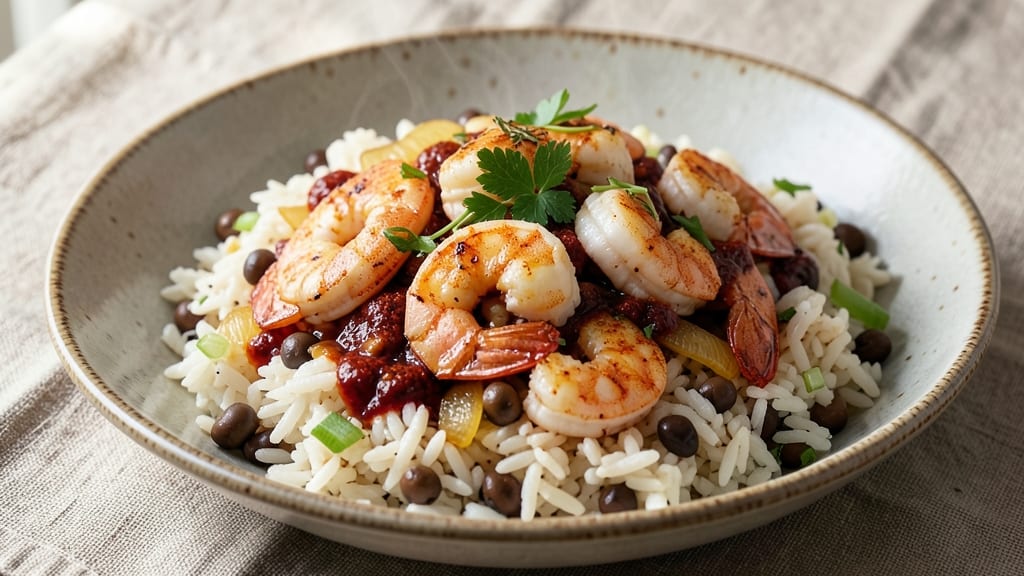
This one-pot black-eyed peas, rice, and shrimp recipe brings Southern comfort and Creole flair together in a single aromatic dish. The secret lies in balancing tender shrimp, fluffy rice, and hearty peas—all simmered in a spiced broth that infuses every bite with warmth.
Perfect for weeknight dinners or special gatherings, this recipe delivers restaurant-quality results without the fuss of multiple pans.
What sets this dish apart is its foolproof one-pot method, where rice, peas, and shrimp cook together in a fragrant blend of garlic, onions, and smoked paprika. The shrimp adds a touch of elegance, while the peas and rice provide substance and texture.
By the end, you’ll have a dish that’s rich, satisfying, and ready in under an hour—ideal for feeding a crowd or meal prepping for the week.
Ingredients for black eyed peas rice and shrimp
Sixteen ingredients blend Southern tradition with coastal freshness for this aromatic one-pot masterpiece.
| Ingredient | Amount | Notes |
|---|---|---|
| Long-Grain White Rice 🍚 | 2 cups | Uncooked, rinsed thoroughly |
| Black-Eyed Peas 🌱 | 1 ½ cups | Dried, soaked overnight |
| Large Shrimp 🦐 | 1 ½ lb | Peeled, deveined, tail-on |
| Yellow Onion 🧅 | 1 whole | Diced, medium size |
| Garlic Cloves 🧄 | 4 cloves | Minced, fresh preferred |
| Celery Stalks 🥬 | 2 whole | Diced, plus 1 tsp seeds |
| Smoked Paprika 🌶️ | 1 tbsp | High-quality for smoky depth |
| Ground Black Pepper 🌶️ | ½ tsp | Freshly cracked |
| Salt 🧂 | 1 ½ tsp | Kosher or sea salt |
| Dried Thyme 🌿 | 1 tsp | Or 1 tbsp fresh |
| Bay Leaves 🍃 | 2 whole | Fresh preferred |
| Chicken Broth 💧 | 3 cups | Low-sodium preferred |
| Lemon Juice 🍋 | 1 tbsp | Freshly squeezed |
| Fresh Parsley 🌿 | ¼ cup | Chopped, for garnish |
| Green Onions 🧅 | 3 whole | Sliced, for garnish |
The shrimp makes this dish special, so choose fresh, plump tail-on shrimp—they stay juicier during cooking. Seafood markets or high-quality grocers like Whole Foods or Wegmans carry the best. Look for firm, translucent shrimp with a sweet aroma. If using frozen, thaw in cold water with a splash of lemon juice. The black-eyed peas? Dried over canned—they absorb flavors better, though a 15-ounce can of drained peas works in a pinch. For the rice, long-grain white is ideal—it stays separate and fluffy. Rinsing it first removes excess starch so the grains don't clump.
No smoked paprika? Sweet paprika plus a pinch of liquid smoke mimics the depth. Fresh thyme unavailable? Dried works at one-third the amount. The celery seeds add a subtle earthiness—skip them if your pantry's bare, but the diced celery is essential for the holy trinity base. For the shrimp, deveining isn't mandatory if you're not squeamish, but tail-on keeps them intact. The lemon juice brightens everything—zest the peel too for extra aroma. Want more heat? Add a pinch of cayenne or a dash of hot sauce at the end. The broth can be homemade or store-bought, but low-sodium is key—you'll be adding plenty of salt.
This dish tastes even better the next day as flavors meld. Store in an airtight container with a lid for up to 4 days in the fridge. For meal prep, portion into containers with a sprinkle of parsley on top—it keeps the shrimp from drying out. Freezes beautifully for 3 months if you add an extra tablespoon of lemon juice before storing. Reheat gently with a splash of water or broth to restore moisture. Garnish with fresh parsley and green onions just before serving to keep it vibrant.
Why You'll Love This Recipe
- One-Pot Magic: I swear by this recipe when I’m too tired to deal with multiple pans. Just toss in the rice, black-eyed peas, shrimp, and onions—then let the garlic and broth work their flavor while you sip your wine. Minimal chopping, zero fuss.
- Shrimp’s Sweet Spot: The shrimp here aren’t drowned in sauce—they’re seared just enough to stay juicy, then simmered in a broth that soaks up the smoky depth of the peas and the bright punch of garlic. That crisp-tender bite? Absolute perfection.
- Leftovers That Don’t Suck: Honestly, this dish begs to be made extra. The rice stays fluffy, the shrimp reheats beautifully, and the peas hold their texture—no mushy nightmares here. I portion it out for lunches, and no one ever complains.
- Budget-Friendly Feast: Between us, shrimp can get pricey, but this recipe stretches it smartly. The black-eyed peas bulk it up, and a single onion and garlic clove make the whole thing sing. Feeds four for under $15, and you’ll still feel fancy.
Step-by-step instructions for black eyed peas, rice, and shrimp
A single pot brings together smoky spices, tender shrimp, and hearty black-eyed peas for a flavorful one-pan meal.
Sauté the Aromatic Base
Heat a large, heavy-bottomed pot over medium heat. Add the 1 whole yellow onion, 2 whole celery stalks (plus the 1 teaspoon seeds), and 4 cloves garlic cloves that have been minced. Cook for 5-6 minutes until the vegetables soften and the garlic becomes fragrant.
This foundational step builds flavor through caramelization. Watch closely—you want the vegetables to be tender but not browned. If they start to stick, reduce heat slightly and stir gently. The celery seeds will add subtle depth that complements the shrimp beautifully.
Toast the Spices and Add Rice
Stir in the 1 tablespoon smoked paprika, 1 teaspoon dried thyme, 0.5 teaspoon ground black pepper, and 1.5 teaspoons salt. Toast for 30 seconds until fragrant—this activates the spices' flavors. Add the 2 cups long-grain white rice and stir to coat evenly in the spiced oil.
Don't skip the toasting step. The spices should smell warm and aromatic, not burnt. This ensures they infuse the entire dish rather than just sitting at the bottom. The rice will absorb these flavors as it cooks, creating a cohesive base for the other ingredients.
Combine Liquids and Black-Eyed Peas
Pour in the 3 cups chicken broth and add the 1.5 cups soaked black-eyed peas. Bring to a gentle boil, then reduce heat to low and cover the pot. Simmer for 20 minutes to allow the rice and peas to begin absorbing liquid and softening.
Check occasionally to ensure the liquid level remains just above the rice. If it reduces too quickly, add ½ cup water. The peas should be plump but still firm—they'll continue cooking with the shrimp later. This step establishes the perfect texture foundation for the dish.
Add Shrimp and Finish Cooking
After 20 minutes, stir in the 1.5 pounds large shrimp and the 2 whole bay leaves. Increase heat to medium-high and cook uncovered for 4-5 minutes until the shrimp turn pink and opaque (they should curl slightly). Stir once halfway through to prevent sticking.
Timing is critical here—shrimp cook quickly. You want them just done when the rice reaches perfect tenderness. If they start to turn gray, they're overcooked. Remove the bay leaves before serving as they can be bitter if consumed.
Brighten and Garnish
Remove from heat and stir in the 1 tablespoon lemon juice. Let the dish sit covered for 5 minutes to allow flavors to meld. Garnish with 0.25 cup chopped fresh parsley and 3 sliced green onions. Serve immediately while hot.
The lemon juice cuts through the richness of the shrimp and spices, balancing the dish. The parsley adds freshness, while the green onions contribute a subtle crunch. Serve with crusty bread to soak up the flavorful broth that remains in the pot.
Pro Tips For Making Black Eyed Peas Rice And Shrimp
- Parboil Shrimp First: I learned this the hard way—raw shrimp in the pot with everything else turns the water murky and dulls the flavor. Instead, boil them for 2 minutes in salted water, then shock in ice water. They’ll stay tender, snap back perfectly, and look restaurant-worthy when you toss them in at the end.
- Rinse Those Beans: Black-eyed peas hold onto dirt and starch like it’s their job. Give them a quick rinse under cold water before cooking—especially if they’re canned. You’ll avoid that weird gummy texture in the rice, and the dish won’t taste like you forgot to season the beans.
- Toast the Onions Low: High heat caramelizes onions too fast, and they burn before they sweeten. Cook them over medium-low for 8-10 minutes until soft and golden, stirring often. This builds flavor without turning them into charcoal—trust me, your rice won’t taste like ash.
- Use Day-Old Rice: Freshly cooked rice is a sponge and will turn your shrimp-and-bean dish into mush. Make the rice a day ahead, refrigerate it, then fluff it up before mixing. It’ll stay separate, soak up flavors better, and keep the texture light—no one wants a gluey bowl of rice.
Essential equipment for perfect results
Heavy-Bottomed Pot
This is your secret weapon for even heat distribution and preventing scorching. I use a Le Creuset Dutch oven (5.5-quart), but any enamel-coated cast iron or stainless steel pot with a 4-6 quart capacity works. The deep sides prevent overflow when adding broth, and the heavy base maintains steady temperatures.
If you're on a budget, a Calphalon stainless steel pot is a great alternative—just avoid non-stick coatings, as they can't handle the high heat needed for shrimp. 🔥
Wooden Spoon
A long-handled wooden spoon (I prefer Oxo Good Grips) is essential for stirring without scratching your pot. The wood distributes heat evenly and won’t react with acidic ingredients like lemon juice.
Avoid metal utensils during the shrimp phase—they can cause sticking. For extra durability, choose a spoon with a wide, flat surface to help break up any rice clumps as they cook.
Fine-Mesh Strainer
If you’re using dried black-eyed peas, a fine-mesh strainer (like the OXO Good Grips) is a game-changer for rinsing them before soaking. It removes debris and excess starch that can make your dish gummy.
For the shrimp, a strainer makes draining thawed shrimp effortless—just rinse them under cold water to remove any ice crystals or bloodline residue. A collapsible silicone strainer is also handy for cleaning up chopped herbs like parsley and green onions.
Instant-Read Thermometer
For shrimp perfection, an instant-read thermometer (I swear by the ThermoWorks Thermapen) ensures they reach 145°F internal temperature without overcooking. Shrimp can go from done to rubbery in seconds, so this tool gives you precision.
It’s also useful for checking the broth temperature—aim for a gentle simmer (205-210°F) to avoid tough rice. A budget-friendly option is the Taylor Precision Digital Thermometer, which is just as accurate.
Measuring Spoons
Precision matters with spices like smoked paprika and thyme. Invest in a set of stainless steel measuring spoons (like West Bend) for accurate measurements. A ¼ teaspoon of thyme is different from ½ teaspoon—too much can make your dish bitter.
For the 1 tablespoon lemon juice, a jigger measuring tool (like the BarTools Jigger) ensures you don’t overdo it, which could make the shrimp mushy. Keep your spoons clean and dry to avoid rust or flavor contamination.
Chef’s Knife
A sharp 8-inch chef’s knife (I use the Wüsthof Classic) is non-negotiable for dicing onions, celery, and mincing garlic efficiently. Dull knives crush garlic and make chopping unsafe. For the shrimp, a small fillet knife helps remove the vein without damaging the tail.
If you’re new to knives, practice on a cutting board with a non-slip mat—like the OXO Good Grips—to prevent slips. A paring knife is also handy for slicing green onions and parsley into fine garnishes.
Nutrition facts
Frequently asked questions
Can I substitute canned black-eyed peas instead of dried?
Yes! Use 15 ounces of canned black-eyed peas (drained and rinsed) to replace the dried version. They’ll save you time, but dried peas absorb more flavor during the long simmer. If using canned, add them with the shrimp in the final 4-5 minutes of cooking to prevent mushiness.
How do I prevent the rice from becoming mushy?
Rinse the rice thoroughly before adding it to remove excess starch, and use a heavy-bottomed pot for even heat. Stir gently once during the 20-minute simmer** to prevent clumping. If the rice seems too wet, uncover the pot for the last 2 minutes to let excess moisture evaporate.
Can I make this dish in a slow cooker?
Sauté the onion, celery, garlic, and spices first, then transfer everything to a 5-6 quart slow cooker. Add broth, peas, and rice, then cook on low for 3-4 hours before adding shrimp (cook on high for 5-6 minutes until pink). The shrimp will need the higher heat to cook properly.
What’s the best way to reheat leftovers?
Reheat gently in a skillet with 1-2 tablespoons of water or broth over medium-low heat for 3-4 minutes. Stir frequently to prevent sticking. Microwaving works too—cover with a damp paper towel and heat in 30-second intervals until warm. Avoid reheating shrimp more than once to maintain texture.
Can I make this dish vegetarian?
Yes! Swap the shrimp for 1 can of chickpeas or 1 cup of diced firm tofu. Add the chickpeas with the peas in the initial simmer, and cook the tofu separately in a pan with smoked paprika and salt before mixing in. For extra protein, add ½ cup of cooked lentils along with the peas.