
Main Courses
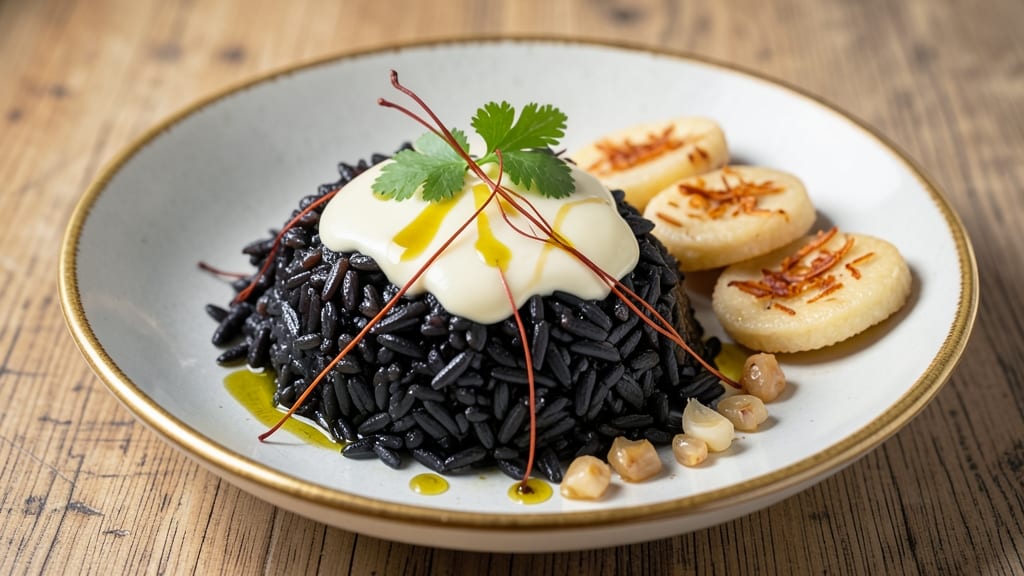
This Black Kavuni rice recipe delivers fragrant, saffron-infused grains with a velvety coconut finish—perfect for elevating any meal. The deep purple-black hue isn’t just striking; it’s packed with antioxidants and earthy flavor that transforms simple rice into a showstopper side dish or main course.
I’ve refined this method to balance traditional techniques with modern convenience, ensuring tender, aromatic rice every time.
The secret lies in the slow cooking process, where the rice absorbs coconut milk and saffron’s golden hue, creating a dish that’s both visually stunning and deeply flavorful.
Whether served alongside grilled meats, in vibrant bowls, or as a standalone centerpiece, this recipe delivers restaurant-quality results with just a few key ingredients and minimal effort. Ready to impress with a dish that’s as beautiful as it is delicious?
Ingredients for black kavuni rice
Fragrant saffron, velvety coconut milk, and aromatic spices transform ordinary rice into this stunning centerpiece.
| Ingredient | Amount | Notes |
|---|---|---|
| Black Kavuni Rice 🌾 | 1 cup | Uncooked, rinsed thoroughly |
| Full-Fat Coconut Milk 🥥 | 13 ½ oz | Canned, full-fat preferred |
| Saffron Threads 🌼 | ¼ tsp | High-quality, culinary grade |
| Extra-Virgin Olive Oil 🫒 | 2 tbsp | For toasting rice |
| Garlic Cloves 🧄 | 3 cloves | Minced, aromatic variety |
| Shallots 🧅 | 2 whole | Thinly sliced, for depth |
| Fresh Turmeric 🌿 | ½ tsp | Grated, vibrant color |
| Cinnamon Sticks 🌿 | 1 whole | For subtle warmth |
| Cardamom Pods 🌿 | 4 whole | Lightly crushed |
| Bay Leaves 🌿 | 2 whole | Fresh preferred |
| Salt 🧂 | ¾ tsp | Diamond Crystal preferred |
| Water 💧 | 1 ½ cups | Filtered for clarity |
| Lemon Zest 🍋 | 1 tbsp | Fresh, bright finish |
Saffron is the star here, so invest in high-quality threads—the deeper the crimson, the more potent. Whole Foods or specialty spice shops carry the best, but avoid pre-ground saffron which loses potency quickly. The Black Kavuni rice itself is harder to find than white basmati, so check Indian or Middle Eastern grocery stores—look for packages labeled 'black rice' or 'forbidden rice'. For coconut milk, full-fat canned versions like Thai Kitchen deliver the richest texture. Fresh turmeric and cardamom elevate the earthy notes, but if you only have dried spices, use half the amount—just toast them first in a dry pan for 30 seconds to wake up their flavors.
No saffron? Turmeric plus a pinch of beet powder mimics the color, though it won't have the same floral aroma. Substituting coconut milk? Full-fat Greek yogurt or heavy cream works in a pinch, but the dish loses its signature tropical richness. For the aromatics, garlic powder and onion powder can replace fresh shallots, but you'll miss the subtle sweetness. The cinnamon and cardamom are non-negotiable—they're what give this rice its signature warmth. If you can't find fresh turmeric, ground turmeric at one-third the amount will work, though the color will be less vibrant. The lemon zest at the end is crucial—zest only, no juice—it brightens the dish without overpowering the delicate flavors.
This rice keeps beautifully for 4-5 days in the fridge, though it's best enjoyed within 24 hours for peak texture. For longer storage, freeze portions in airtight containers for up to 3 months. When reheating, add a splash of water to restore moisture—microwave on low for 2 minutes, then let sit covered for 5 minutes. The saffron-infused coconut milk can be made ahead and stored separately for 3 days, saving you time on cooking day. For presentation, serve in a glass dish with a sprinkle of toasted coconut flakes—the contrast of colors makes it irresistible.
Why You'll Love This Recipe
- One-Pot Magic: I swear by this recipe because it’s actually one-pot—no fussing with separate pans or timers. Just rice, coconut milk, and a splash of olive oil simmering together until the saffron turns the grains a deep, luxurious purple-black. Honestly, my counter stays cleaner than my last attempt at homemade pasta.
- Rich Without Effort: That full-fat coconut milk? It makes this dish ridiculously creamy with almost no work. The saffron infuses the rice with a floral, honeyed depth, while the garlic adds a savory punch—no fancy techniques, just pure, satisfying flavor. (Yes, even on a Tuesday night.)
- Weeknight to Celebration: This rice is my secret weapon for lazy dinners and special occasions. Toss it with grilled fish for a fancy meal, or serve it plain with a fried egg for a quick breakfast. Between us, my in-laws think I’m a gourmet chef because of this dish.
- Leftovers That Taste Better: I make a double batch every time because reheated black kavuni rice? Chef’s kiss. The coconut milk keeps it moist, and the garlic only gets more aromatic as it sits. Plus, it’s budget-friendly—one bag of rice stretches for days, and the saffron goes a long way. (My wallet thanks me.)
Step-by-step instructions for black kavuni rice
Transform simple ingredients into restaurant-quality Black Kavuni Rice with this precise method.
Toast the Spices and Aromatics
Heat the 2 tablespoons extra-virgin olive oil in a medium saucepan over medium heat. Add the 2 whole shallots, 3 cloves minced garlic, 1 whole cinnamon stick, 4 whole cardamom pods, and 2 whole bay leaves. Cook for 3-4 minutes until the shallots soften and become translucent, releasing their sweet aroma.
The key here is patience—don't rush this step. You want the spices to bloom gently, infusing the oil with their flavors without burning. The cardamom should release its citrusy notes, and the cinnamon should add warmth. Once the shallots turn golden and the garlic is fragrant, you're ready for the next phase.
Bloom the Saffron and Turmeric
Reduce heat to low and stir in the 0.5 teaspoon grated fresh turmeric and 0.25 teaspoon saffron threads. Cook for an additional 1 minute, stirring constantly. The turmeric will deepen in color, and the saffron will release its signature floral aroma—this is where the rice gets its distinctive hue.
Here's the thing—saffron is delicate. If you see the mixture darken too quickly, remove the pan from heat momentarily. The goal is to infuse the oil with color and flavor without burning the saffron. Its vibrant threads should dissolve completely into the oil, creating a golden base for the rice.
Toast the Rice for Nuttiness
Add the 1 cup rinsed black kavuni rice to the pan and stir to coat evenly in the spiced oil. Increase heat to medium-high and toast the rice for 3-4 minutes, stirring frequently. The rice should develop a fragrant, toasted aroma and turn slightly darker in color—this step is crucial for building depth of flavor.
Watch the rice closely—it should sizzle gently but not burn. If it starts to darken too quickly, reduce the heat slightly. The goal is to create a nutty, toasted base that will carry through the entire dish. Once the rice is evenly coated and smells rich, it's time to add the liquid.
Simmer in Coconut Milk and Water
Pour in the 13.5 ounces full-fat coconut milk and 1.5 cups water, then add the 0.75 teaspoon salt. Stir well to combine, then bring the mixture to a gentle simmer over medium-low heat. Once simmering, reduce heat to low and cover the pan with a tight-fitting lid. Cook for 20-25 minutes without disturbing it.
The rice needs undisturbed time to absorb the flavors and cook evenly. You'll know it's ready when the liquid is fully absorbed and the rice is tender but still has a slight bite. If the rice looks dry before the time is up, add 1-2 tablespoons water and continue cooking. The coconut milk should create a creamy, fragrant base that coats each grain.
Finish with Lemon Zest and Rest
Once the rice is tender, remove it from heat and stir in the 1 tablespoon lemon zest. Let it sit covered for 5 minutes to allow the flavors to meld. The lemon zest will brighten the dish and cut through the richness of the coconut milk, creating a perfect balance of flavors.
For best results, serve immediately. The rice should be tender yet firm, with a deep black hue from the turmeric and saffron. Each grain should be coated in the creamy coconut milk, infused with the warm spices and bright lemon finish. This is where the magic happens—the final infusion of citrus elevates the dish from good to extraordinary.
Pro Tips For Making Black Kavuni Rice
- Bloom the Saffron: Crush those threads between your palms first—this releases the color and aroma way better than just dropping them in. Then steep them in a splash of warm coconut milk for 10 minutes (yes, even if you’re impatient like me). Skipping this step means your rice will taste like… well, just rice.
- Toast the Garlic Low: Sauté those cloves in olive oil over medium-low heat until they’re golden but not crispy—about 5-6 minutes. High heat burns them fast, and you’ll taste it in every bite. I learned this the hard way after making my first batch taste bitter.
- Rinse the Rice Twice: Swirl the black kavuni rice in cold water two times before cooking—this removes excess starch and prevents a gummy texture. Use your hands to rub the grains gently; they’re stubborn about releasing starch, so don’t rush it.
- Simmer, Don’t Boil: Once the rice is in the coconut milk, keep the heat at a gentle simmer—tiny bubbles, not rolling. Boiling will turn the rice mushy, and you’ll end up with a pudding instead of distinct grains. Cover and let it cook undisturbed for 20 minutes, then fluff with a fork.
Essential equipment for this recipe
Essential Cookware
Start with a medium (3-quart) heavy-bottomed saucepan—I recommend All-Clad Stainless Steel or Le Creuset Dutch oven for even heat distribution. The depth helps prevent spills when stirring coconut milk.
If you don’t have either, a high-quality stainless steel pan with a tight-fitting lid works perfectly. Avoid nonstick—it can’t handle the spices’ high heat without warping. 🔥
Precision Tools
A fine-mesh strainer (like OXO Good Grips) is critical for rinsing the black kavuni rice thoroughly—removing excess starch prevents gummy texture. For saffron, use a microplane to grate fresh turmeric or a mortar and pestle to crush cardamom pods lightly.
A small saucepan (2-quart) works better for toasting spices than a large one—it concentrates the heat and aromas. ✨
Spice Storage
Invest in amber glass jars (like Penzeys Spices containers) to preserve saffron and cardamom’s potency. Store them in a cool, dark pantry—sunlight degrades saffron’s vibrant color and flavor within weeks. For cinnamon sticks and bay leaves, keep them whole until ready to use; pre-ground spices lose aroma faster.
A spice grinder (like Magikulin) revives stale spices instantly—just pulse for 5 seconds to restore freshness. 🌿
Lid Matters
A tight-fitting lid is non-negotiable—steam is what cooks the rice evenly. If your pan’s lid doesn’t seal well, use a silicone pot lid (like OXO Good Grips) or even a plate + aluminum foil as a makeshift cover.
The goal is to trap heat and moisture without letting it escape. For extra insurance, place a damp paper towel under the lid to prevent sticking. 💫
Optional Upgrades
For professional results, a digital instant-read thermometer (like ThermoWorks Thermapen) ensures the coconut milk reaches 185°F—ideal for tender rice. A wooden spoon (like Ozeri Natural Bambu) prevents scratching the pan while stirring.
For presentation, a glass serving dish (like Corelle) lets the rice’s deep hue shine. These aren’t mandatory, but they elevate the dish from homey to restaurant-worthy. 💡
Nutrition facts
Frequently asked questions
Why does black kavuni rice turn such a deep purple-black color?
The rich hue comes from anthocyanins—natural pigments in the rice that react with the saffron and turmeric. The longer you toast the spices and cook the rice, the more vibrant the color becomes. For an even deeper shade, add a pinch of beet powder (½ teaspoon) when toasting the rice—it enhances the purple tones without altering the flavor.
Can I make this recipe without saffron?
Yes! Replace the saffron with ½ teaspoon turmeric plus ¼ teaspoon beet powder for color, though the floral aroma will differ. For flavor, add 1 teaspoon orange blossom water or ½ teaspoon rose water—both mimic saffron’s subtle sweetness. The coconut milk and spices will still deliver rich, aromatic results.
What’s the best way to serve this rice?
This fragrant rice pairs beautifully with grilled meats like chicken or lamb, spicy curries, or even as a standalone dish with a drizzle of yogurt sauce and toasted coconut flakes. For a modern twist, serve it in bento boxes with pickled vegetables, roasted nuts, and a side of mango chutney for contrast.
Why did my rice turn out mushy?
Overcooking or insufficient stirring likely caused this. Always use a heavy-bottomed pan and stir once during cooking to prevent sticking. If the rice seems dry before the time is up, add 1-2 tablespoons water and continue on low heat. For extra insurance, rinse the rice 3 times before toasting to remove excess starch.
How can I make this recipe gluten-free?
This recipe is naturally gluten-free, but check your coconut milk and spices for hidden gluten. Use certified gluten-free brands if needed. For extra safety, toast your spices in a clean, dedicated pan to avoid cross-contamination. The rice itself is a whole grain and pairs perfectly with gluten-free proteins like grilled shrimp or tofu.