
Main Courses
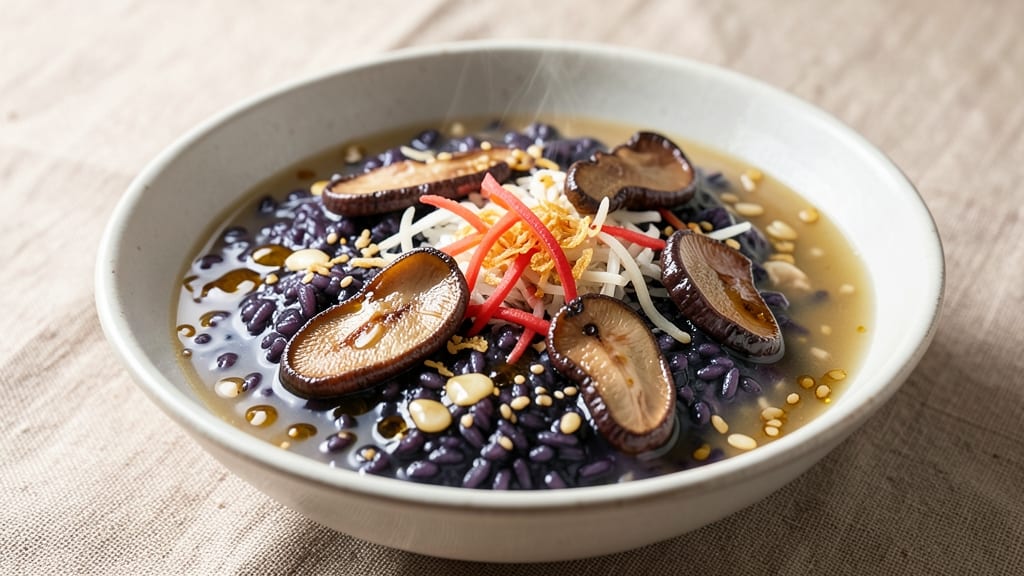
This black rice congee recipe transforms humble grains into a velvety porridge with deep purple hues and earthy, nutty depth—perfect for nourishing meals or special occasions. The slow simmering process unlocks the rice's natural sweetness while creating a silky texture that's both comforting and elegant.
What makes this dish truly special is how it balances tradition with adaptability, whether you prefer classic savory versions or modern sweet variations.
The key to achieving that signature rich color and delicate flavor lies in proper soaking and simmering techniques, which I'll walk you through step by step. This recipe delivers restaurant-quality results at home with just a few simple ingredients and patience.
Once mastered, you'll find endless ways to customize it with toppings like ginger, scallions, or even a drizzle of honey for a sweet twist.
Ingredients for black rice congee
Transform humble grains into velvety purple porridge with these earthy, nutty ingredients.
| Ingredient | Amount | Notes |
|---|---|---|
| Black Rice (Forbidden Rice) 🌾 | 1 cup | Uncooked, rinsed thoroughly |
| Jasmine Rice 🍚 | ½ cup | For texture balance |
| Chicken Broth 💧 | 6 cups | Homemade or quality store-bought |
| Fresh Ginger Root 🧄 | ½ inch | OR 1 tsp grated ginger |
| Garlic Cloves 🧄 | 4 cloves | Peeled, roughly chopped |
| Shiitake Mushrooms 🍄 | 4 whole | Stems removed, sliced |
| Green Onions 🧅 | 3 whole | White and green parts separated |
| Sesame Oil 🫒 | 1 tbsp | For finishing |
| Soy Sauce 🍶 | 1 tbsp | For umami depth |
| Honey 🍯 | 1 tbsp | Optional for sweet variation |
| Salt 🧂 | ½ tsp | Adjust to taste |
| White Pepper 🌶️ | ¼ tsp | Freshly ground preferred |
Black rice is the star here—look for it in Asian markets or specialty stores—it's pricier but worth the deep purple color and nutty flavor. Trader Joe's and Whole Foods often carry it, or order online if your local store doesn't stock it. The jasmine rice adds subtle sweetness and helps create that signature silky texture. For broth, homemade is ideal, but Kitchen Basics or Pacific Foods brands deliver restaurant-quality results. Fresh ginger and garlic? Buy organic if possible—they're easier to peel and more flavorful.
No fresh ginger? Powdered works at half the amount, but it won't have the same depth. Short on shiitake mushrooms? Cremini or oyster mushrooms are great substitutes. The green onions can be swapped for scallions, but I prefer the milder flavor of regular green onions. For the sweet variation, agave or maple syrup work beautifully instead of honey. Sesame oil is non-negotiable for that final aromatic touch—toasted sesame oil adds even more depth, but regular works in a pinch.
This congee keeps beautifully—3-4 days in the fridge or 3 months frozen. Portion into containers for easy reheating, and add a splash of water when warming to restore that silky texture. The flavor actually improves after the first night as everything melds together. Double the recipe if you're feeding a crowd—it's perfect for meal prep. Store the broth separately if you want to customize flavors later.
Why You'll Love This Recipe
- One-Pot Magic: I swear by this recipe—just the rice, broth, and a handful of aromatics in one pot. No chopping mountains of veggies or fussy techniques; the black rice does all the heavy lifting with its deep, nutty flavor.
- Umami Bomb: That first spoonful of broth simmered with ginger and garlic? Pure satisfaction. The black rice soaks up the savory depth like a sponge, while the jasmine rice keeps it light—no heavy, greasy aftertaste here.
- Weeknight Wonder: Between us, this is my go-to when I’m exhausted but need something nourishing. Reheat leftovers without losing texture, or prep a big batch for lazy mornings. (Yes, even on a Tuesday night.)
- Budget Superstar: Forbidden rice might sound fancy, but a little goes a long way. Stretch it with jasmine rice, and you’ve got a restaurant-worthy bowl for half the cost. Plus, chicken broth freezes like a dream—no wasted ingredients here.
Step-by-step instructions for black rice congee
This method transforms humble grains into a velvety purple porridge with nutty depth and silky texture.
Prepare the Rice Mixture
In a large pot, combine the 1 cup Black Rice (Forbidden Rice) and 0.5 cup Jasmine Rice. Rinse them together under cold water until the water runs clear—this removes excess starch that could make your congee gummy. Drain thoroughly and return the rice to the pot.
Add the 6 cups Chicken Broth and bring to a boil over medium-high heat. Once boiling vigorously, reduce heat to low and let it simmer uncovered. Here's the key: stir occasionally to prevent the rice from sticking, but don't over-stir—this can break the rice grains and make the congee too thick. Let it cook for 45 minutes, checking frequently. You're aiming for a porridge that's broken down but still maintains some texture—it should look like thick oatmeal rather than soup.
Build the Flavor Base
After the initial 45 minutes, add the 0.5 inch Fresh Ginger Root (peeled and sliced) and 4 cloves Garlic Cloves to the simmering rice mixture. Let it cook for another 15 minutes—this allows the ginger and garlic to infuse their aromatic qualities without becoming bitter. The broth should now have a subtle, earthy fragrance that signals the foundation is set.
Next, add the 4 whole Shiitake Mushrooms (stems removed and sliced) and continue simmering for 10-15 minutes until they're tender and have absorbed the flavors. The mushrooms should soften completely but retain their shape slightly—this ensures they contribute texture to the congee. If the mixture starts to look too thick, add ½ cup hot water to maintain the ideal consistency.
Season and Finish
Stir in the 1 tbsp Soy Sauce, 1 tbsp Honey (if using), 0.5 tsp Salt, and 0.25 tsp White Pepper. Taste and adjust the seasoning—remember, the honey adds subtle sweetness that balances the umami from the soy sauce and mushrooms. Let the congee simmer for an additional 10 minutes to allow all the flavors to meld together.
For the final touch, remove the pot from heat and stir in the 1 tbsp Sesame Oil. This step is crucial—it adds a nutty aroma and rich depth that elevates the dish from ordinary to extraordinary. The sesame oil should be incorporated gently to avoid breaking the delicate texture of the congee.
Garnish and Serve
Divide the congee into bowls and garnish with the 3 whole Green Onions (thinly sliced, both white and green parts). The green onions add a fresh contrast to the rich, earthy flavors of the porridge. Serve immediately while still warm—black rice congee is best enjoyed fresh, when the textures are at their peak.
This congee should have a luxurious, velvety consistency with a deep purple hue from the forbidden rice. Each spoonful should deliver a harmonious blend of nutty rice, umami from the mushrooms and soy sauce, and a subtle sweetness from the honey. The aroma should be comforting and inviting, with notes of ginger, garlic, and sesame oil.
Pro Tips For Making Black Rice Congee
- TOAST THE BLACK RICE: Black rice burns faster than you’d think—give it a quick dry toast in a hot pan for 2-3 minutes before adding broth. I learned this the hard way when my first batch turned bitter; now I always toast it until the edges smell nutty but aren’t charred. This step unlocks the deep, earthy flavor without any bitterness creeping in.
- PEEL GINGER THINLY: Skip the thick slices—peel your ginger root into paper-thin shavings (like matchsticks) so it dissolves cleanly into the broth. Thick chunks leave behind chewy bits that ruin the silky texture of the congee. Use a spoon’s back to scrape off the skin efficiently, then slice against the grain.
- LOW AND SLOW IS NON-NEGOTIABLE: Once the rice starts breaking down, drop the heat to the lowest setting and resist the urge to stir constantly. I used to babysit the pot, but now I let it simmer undisturbed for 45-60 minutes—just enough time to taste the broth occasionally. Rushing this step turns your congee into glue.
- STRAIN THE BROTH: If your chicken broth has visible fat or skin, strain it first—even if it’s homemade. The congee’s delicate texture can’t handle lumps, and you’ll end up with a mouthful of grease instead of smoothness. Use a fine-mesh sieve or cheesecloth; it takes 5 minutes but makes all the difference.
Common mistakes when making your black rice congee
Over-Soaking the Rice
Black rice absorbs water like a sponge, and soaking it too long before cooking can lead to a mushy, watery congee. I've ruined batches by leaving it in water overnight—stick to 4-6 hours maximum for the best texture.
The goal is to soften the grains without breaking them down completely. After soaking, give the rice a quick rinse to remove any excess starch that could make your porridge gummy. 🌾
Skipping the Low Heat Simmer
Congee requires patience, and rushing the cooking process is a common mistake. If you simmer too vigorously, the rice will break down too quickly, resulting in a gluey mess. Maintain a gentle simmer—you should see tiny bubbles forming but no rolling boil.
This slow cooking process is what creates that signature silky texture. I've learned the hard way that skipping this step leads to disappointment.
Adding Mushrooms Too Early
Introducing shiitake mushrooms too soon can make them turn to mush and disappear into the congee. Add them after the initial 45-minute rice cook time when the grains have started to break down but still maintain some structure.
This ensures they hold their shape and contribute proper texture. If you add them too early, you'll end up with a flavorful but mushy porridge that lacks the satisfying bite. 🍄
Ignoring the Ginger-Garlic Infusion Time
Many cooks add ginger and garlic at the very end, but this prevents them from properly infusing their flavors. Let them simmer for 15 minutes after the initial rice cooking phase—this allows their aromatic compounds to fully develop.
If you rush this step, your congee will taste flat and lack that essential depth. I've noticed the difference when I take this extra time versus when I'm in a hurry.
Over-Stirring the Congee
While it's important to stir occasionally to prevent sticking, over-stirring breaks down the rice grains prematurely, creating a thick, pasty consistency. Stir gently just enough to keep the rice moving—about once every 5 minutes is plenty.
I've made the mistake of constantly stirring, only to end up with a congee that's more like glue than porridge. Let the rice do its work naturally.
Neglecting the Sesame Oil Finish
Many recipes treat sesame oil as an optional garnish, but it's actually the secret to elevating your congee. Stir it in off the heat just before serving—this adds that nutty aroma and rich depth that makes the dish sing.
Adding it too early can make the oil burn and create a bitter taste. I've compared batches with and without this step, and the difference is night and day. The sesame oil should be the final touch, not an afterthought. 🫒
Nutrition facts
Frequently asked questions about black rice congee
Why does black rice congee have such a deep purple color?
The striking purple hue comes from anthocyanins—natural pigments in black rice (also called forbidden rice). These antioxidants give it both its vibrant color and earthy, nutty flavor. The longer you simmer it, the more the color intensifies, creating that beautiful visual contrast with the white broth. This makes it perfect for special occasions or when you want to impress guests!
Can I make this congee with just black rice, or do I need jasmine rice?
You can absolutely use just black rice, but adding jasmine rice creates a better texture—black rice alone can become too dense and chewy. The jasmine rice adds subtle sweetness and helps achieve that signature silky consistency. If you're avoiding gluten, make sure your broth and other ingredients are certified gluten-free. For a heartier version, you could also add a small amount of brown rice.
How can I make this recipe vegetarian or vegan?
Replace the chicken broth with a rich vegetable broth (look for ones with mushrooms, seaweed, or soy sauce for depth). Use vegetable oil instead of sesame oil if needed, and ensure your soy sauce is vegan. For extra protein, add tofu or tempeh during the final 10 minutes of cooking. The mushrooms and ginger will still provide that satisfying umami flavor. This version works beautifully as a comforting plant-based meal!
What's the best way to reheat leftover black rice congee?
Gently reheat on low heat with a splash of water or broth—never microwave directly as it can make the texture gluey. Stir occasionally and add liquid gradually until it reaches the desired consistency. For best results, reheat only until warm (165°F) and then finish with fresh sesame oil and green onions. Leftovers actually taste better the next day as flavors meld together!
Can I substitute other mushrooms besides shiitake?
Yes! Cremini, oyster, or even wild mushrooms work well—just adjust cooking time as needed. Shiitake have a meaty texture that holds up best, but oyster mushrooms add a delicate sweetness. For maximum flavor, use a mix of mushrooms. If you're using dried mushrooms, soak them first to restore their texture. The key is to add them after the rice has started breaking down to maintain proper texture.