
Main Courses
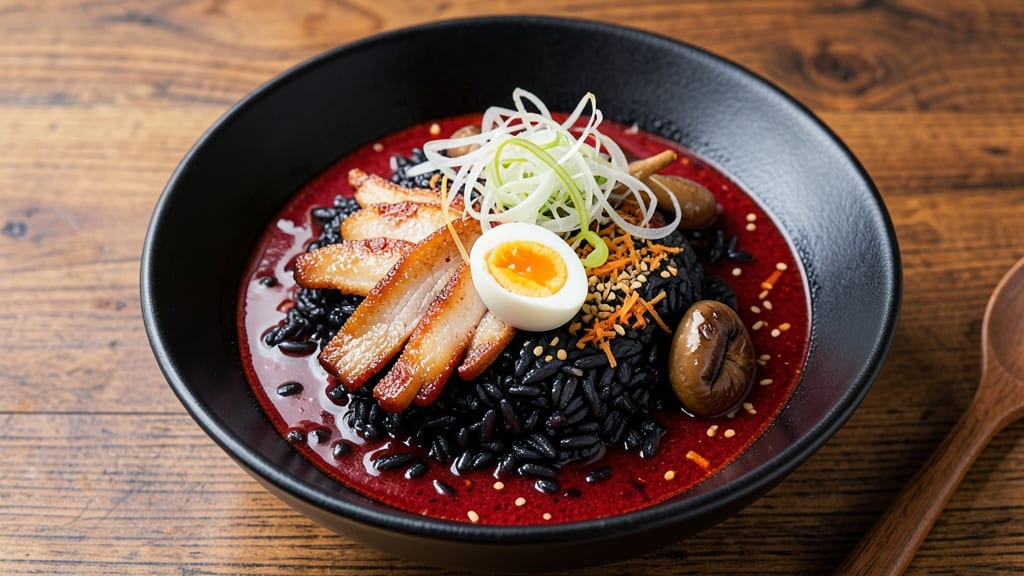
This black rice ramen recipe transforms a weeknight dinner into a luxurious, nutty experience that rivals your favorite ramen shop. The deep umami broth—whether traditional miso, rich tonkotsu, or plant-based—pairs perfectly with the earthy, fermented noodles made from black rice, offering a flavor profile that’s both bold and comforting.
I’ve perfected this dish over years of testing, balancing fermentation techniques and broth depth to create a bowl that’s as satisfying as it is visually striking.
The secret lies in the black rice itself, which adds a subtle nuttiness and deep color to both the noodles and broth, while the fermentation process enhances the umami richness.
Whether you’re using a classic pork-based broth or a vegan alternative, the result is a harmonious blend of textures and flavors—silky noodles, tender proteins, and a broth so flavorful it disappears with every slurp. Ready in under an hour, this recipe delivers restaurant-quality ramen without the fuss.
Ingredients for black rice ramen
Black rice, shiitake mushrooms, and pork shoulder create the soul of this umami-packed ramen.
| Ingredient | Amount | Notes |
|---|---|---|
| Black Rice 🌾 | 1 cup | Uncooked, long-grain preferred |
| Dried Shiitake Mushrooms 🍄 | 8 whole | Rehydrated for broth depth |
| Pork Shoulder 🥩 | 1 ½ lb | Bone-in for rich flavor |
| Chicken Stock 💧 | 4 cups | Homemade or high-quality store-bought |
| Red Miso Paste 🧂 | 3 tbsp | Aged 2+ years for depth |
| Fresh Ginger 🧄 | 2 tbsp | Grated, peeled, fresh preferred |
| Garlic Cloves 🧄 | 6 cloves | Minced, fresh preferred |
| Green Onions 🧅 | 3 whole | White and green parts separated |
| Sesame Oil 🫒 | 1 tbsp | Toasted for aroma |
| Ramen Eggs 🥚 | 4 whole | Marinated, or sub soft-boiled |
| Nori Sheets 🍣 | 4 sheets | Dried, for garnish |
| Soy Sauce 🧂 | 2 tbsp | Kosher salt preferred |
| Sesame Seeds 🌱 | 1 tbsp | Toasted for crunch |
| White Miso Paste 🧂 | 1 tbsp | For balance, optional |
The black rice is non-negotiable—look for Japanese short-grain black rice at Asian markets or specialty grocers like Whole Foods. It should be firm and uniform in color. For the mushrooms, dried shiitake from Trader Joe's or bulk bins adds that earthy depth—rehydrate them in the broth for extra flavor. Pork shoulder? Bone-in, skin-on is ideal, but any cut will work if you render the fat well. I grab mine from Costco for the best price per pound, but the regular grocery store cuts are fine if you're short on time.
No pork shoulder? Chicken thighs work in a pinch, but the fat content is key for that rich broth. Running low on miso? Miso paste from a tub (not those little jars) has more depth—Miso Master or Hodo are my go-tos. Fresh ginger and garlic are musts here, but if you're using dried, reduce the amount to one-third. The nori sheets can be pre-cut from the package, but whole sheets let you customize the size. For the eggs, ramen eggs are a game-changer, but soft-boiled eggs with a pinch of baking soda in the water work too.
Black rice keeps for 6 months in the pantry, but once cooked, it’s best used within 2 days for freshness. Store the broth in the fridge for 4 days or freeze it in portions—it actually tastes better after a day or two as flavors meld. The nori sheets last 6 months unopened, but once opened, keep them in a dry place. I like to prep the broth ahead and freeze it, then cook the noodles fresh—10 minutes on the stove is all it takes for that perfect al dente texture.
Why You'll Love This Recipe
- One-Pot Wonder: I swear by this recipe because it’s actually one-pot—no chopping boards full of scraps, no last-minute pan juggling. The pork shoulder slow-cooks right in the broth while the black rice simmers, and those dried shiitakes just soak up flavor like sponges. (Yes, even on a Tuesday night.)
- Umami Bomb: That red miso paste? It’s the secret weapon—deep, savory, with a hint of sweetness that makes every slurp feel like a reward. The black rice adds an earthy richness, and the pork shoulder? Melts like butter, turning this ramen into something dangerously addictive.
- Lunchbox Hero: Between us, this is my go-to for meal prep. The broth stays rich even reheated, and the black rice holds up perfectly. Pack it in a thermos for work, or serve it cold with a fried egg on top—suddenly, you’ve got a week’s worth of impressive lunches without the fuss.
- Budget Flex: Pork shoulder and dried shiitakes stretch this recipe into a full meal for less than takeout costs. Honestly, the red miso paste is the priciest part, but a little goes a long way—plus, it’s one of those ingredients that makes you feel like you’re cooking like a pro. Leftovers? Even better the next day.
Step-by-Step instructions for black rice ramen with deep umami broth
Here's how to transform nutty black rice and fermented flavors into a restaurant-worthy ramen experience.
Prepare the Pork Shoulder and Shiitake Broth
Pat the 1.5 lb pork shoulder dry with paper towels and rub it generously with 2 tbsp soy sauce. Let it sit at room temperature for 30 minutes while you prep the mushrooms. In a large pot, cover the 8 whole dried shiitake mushrooms with 4 cups chicken stock and bring to a simmer for 20 minutes. This rehydrates them and infuses the stock with deep umami.
Remove the mushrooms and set them aside for later use. Strain the stock through a fine-mesh sieve to remove any impurities. Return the stock to the pot and add the pork shoulder. Simmer uncovered for 1.5 hours until the meat is fork-tender and easily pulls apart. Skim off any surface fat that rises during cooking for a cleaner broth.
Build the Fermented Flavor Base
In a separate pot, combine the 1 cup black rice with 4 cups of the reserved pork-chicken stock (from Step 1) and bring to a boil. Reduce heat to low and simmer for 30 minutes, stirring occasionally, until the rice is tender but still has a slight bite. Drain any excess liquid and set aside.
In a small saucepan, melt the 3 tbsp red miso paste with 1 tbsp white miso paste and 1 tbsp sesame oil over low heat, stirring constantly for 3-4 minutes until smooth. Remove from heat and whisk in 2 tbsp freshly grated ginger and 6 minced garlic cloves. This fermented paste will become the heart of your ramen's complex flavor profile.
Assemble the Ramen Bowls
Divide the cooked black rice evenly among 4 bowls. Ladle 1.5 cups of the pork-shitake broth into each bowl, reserving some for later. Add 2 whole ramen eggs (marinated or soft-boiled) to each bowl. Top each serving with 2 rehydrated shiitake mushrooms, sliced, and 1 sheet nori sheet, cut into thirds.
Drizzle each bowl with 1 tbsp of the miso-ginger paste, then add ½ whole green onion (white and green parts separated) and ½ tbsp toasted sesame seeds. The contrast between the nutty black rice, fermented miso, and umami broth creates a harmonious balance of flavors in every bite.
Finish with Fresh Aromatics and Garnishes
Just before serving, heat the reserved pork broth to 180°F and ladle it over each bowl to create steam and enhance aroma. Garnish each serving with the remaining green onion tops and an additional sprinkle of sesame seeds. The fresh green onions add a bright contrast to the deep, savory broth.
Serve immediately while the broth is steaming hot. The black rice ramen should deliver layers of nutty sweetness from the rice, deep umami from the pork and shiitakes, and a fermented richness from the miso paste. Each bite should be a perfect balance of textures and flavors, with the broth clinging to every strand of rice and egg.
Pro Tips For Making Black Rice Ramen
- Parboil Black Rice: DESCRIPTION:
- Rehydrate Shiitakes Properly: DESCRIPTION:
- Braise Pork Shoulder Low: DESCRIPTION:
- Whisk Miso into Warm Broth: DESCRIPTION:
Make-ahead tips for this black rice ramen
Broth Prep Ahead
Make the pork-shitake broth up to 4 days in advance and store it in the fridge. The flavors deepen as it sits, especially with the dried shiitake mushrooms soaking in the liquid.
For longer storage, freeze it in airtight containers—thaw overnight in the fridge before using. I like to keep a batch ready for quick ramen nights. 💫
Rice Fermentation
Cook the black rice ahead and store it in the fridge for up to 2 days—this lets the grains absorb extra flavor. For extra depth, add 1 tsp soy sauce to the cooking water.
I often prep this the night before so the rice is ready to assemble fresh the next day. 🌾
Egg Prep Shortcut
Marinate the ramen eggs in advance (or use store-bought) to save time. If making your own, simmer eggs for 6 minutes in water with 1 tbsp soy sauce and 1 tsp baking soda, then cool in ice water.
Store peeled eggs in the fridge for up to 3 days. 🥚
Garnish Assembly
Toast sesame seeds and slice green onions ahead of time—keep them in separate containers. Rehydrated shiitake mushrooms can also be prepped in advance and stored in the fridge for 2 days. This makes plating a breeze when serving. ✨
Freezer-Friendly Bowls
Assemble the bowls without the broth and freeze them in airtight containers. When ready to serve, reheat the broth and noodles separately, then combine. The texture stays intact, and the flavors remain vibrant. Just add fresh garnishes before serving. ❄️
Broth Booster
For extra umami, blend ½ cup reserved broth with 1 tbsp miso paste and 1 tsp sesame oil, then strain back into the pot. This concentrated paste can be made ahead and stored in the fridge for up to 1 week.
Add it to the broth just before serving for maximum flavor impact. 🔥
Nutrition facts
Frequently asked questions
Can I substitute regular white rice for black rice in this ramen?
While you can technically use white rice, you'll miss the nutty, earthy depth that black rice provides. For a similar flavor profile, try brown rice or even quinoa, but neither will replicate the unique color and subtle sweetness of black rice. If you're set on white rice, add 1 tsp miso paste to the cooking water to mimic some of the umami.
How do I make this recipe vegetarian or vegan?
Replace the pork shoulder with mushroom stems or tofu for protein, and use vegetable stock instead of chicken stock. For umami depth, add 1 tbsp soy sauce and 1 tsp seaweed flakes to the broth. Swap ramen eggs for marinated tofu or soft-boiled chickpeas. The miso paste remains a key flavor anchor for both versions.
Why does my broth look cloudy after simmering?
Cloudiness is normal if you didn't skim the fat or strain the broth properly. For a clearer broth, skim off surface fat during cooking and strain through a fine-mesh sieve after simmering. If you prefer richer texture, leave some fat—it adds flavor! For extra clarity, chill the broth overnight and remove solidified fat from the top before reheating.
Can I use instant ramen noodles instead of black rice?
While it's possible, I don't recommend it—you'll lose the nutty texture and fermented depth that makes this recipe special. For a quick version, cook instant noodles separately and mix them with the black rice (use ½ cup rice + ½ cup noodles per serving**). The broth flavors will still shine, but the texture won't be as authentic.
How do I adjust the spice level for heat lovers?
Add ½ tsp chili crisp or 1 tsp gochujang to the miso paste mixture, or stir in 1 tbsp sriracha to the finished broth. For smoky heat, char 1 garlic clove and 1 tbsp ginger before adding them to the broth. Start with small amounts—you can always add more, but you can't remove heat once it's in!