
Main Courses
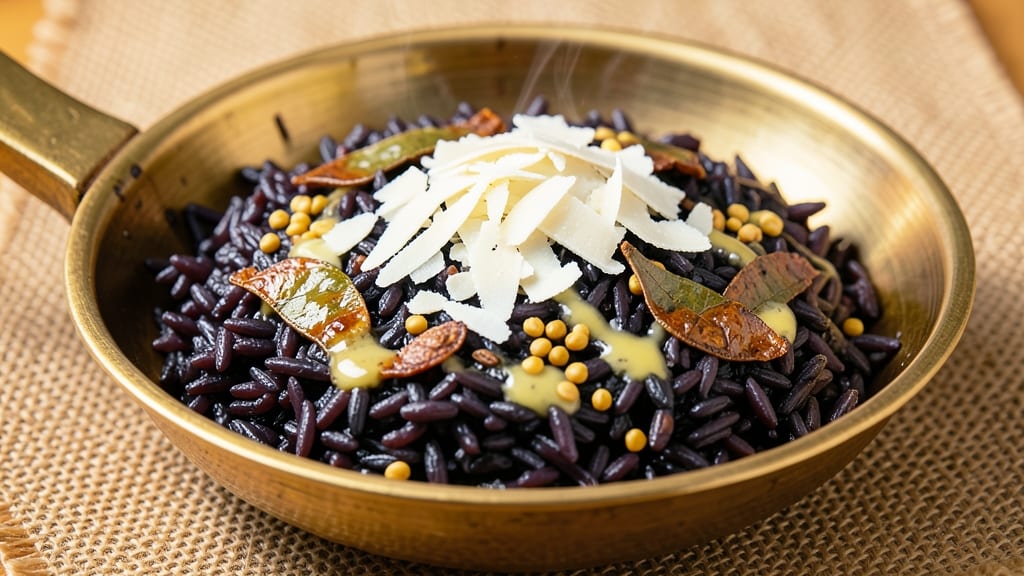
This black rice South Indian recipe transforms humble grains into a dish rich with nutty earthiness and aromatic spices—perfect for a one-pot meal that’s both satisfying and culturally authentic.
The deep purple-black hue isn’t just striking; it’s packed with antioxidants, fiber, and a chewy texture that sets it apart from white rice. What makes this recipe special is its simplicity: just a few essential ingredients and a single pot, yet the result is restaurant-quality flavor.
The dish begins with black rice soaked and cooked to perfection, then layered with mustard seeds, curry leaves, and a tempering of coconut and spices that infuses every grain with warmth.
Serve it with yogurt, roasted peanuts, or a side of sambar for a complete vegetarian meal that’s gluten-free and packed with protein. This is comfort food with a nutritional edge—elegant enough for guests but easy enough for weeknight dinners.
Ingredients for black rice south indian
Authentic South Indian flavors meet modern simplicity in this nutrient-rich black rice dish.
| Ingredient | Amount | Notes |
|---|---|---|
| Black Rice (Forbidden Rice) 🌾 | 1 cup | Uncooked, rinsed thoroughly |
| Water 💧 | 2 ½ cups | Filtered for best texture |
| Yellow Mustard Seeds 🌿 | 1 tbsp | Whole, toasted until fragrant |
| Dried Curry Leaves 🌿 | ½ tsp | Fresh preferred if available |
| Unsalted Coconut Flakes 🥥 | ¼ cup | Toasted lightly for aroma |
| Ghee (Clarified Butter) 🧈 | 2 tbsp | For tempering, vegetarian-grade |
| Ground Cumin Seeds 🌿 | ½ tsp | Freshly ground preferred |
| Ground Turmeric 🌶️ | ¼ tsp | Fresh root preferred |
| Ground Black Pepper 🌶️ | ¼ tsp | Freshly cracked preferred |
| Asafoetida Powder (Hing) 🌶️ | ⅛ tsp | Essential for authentic flavor |
| Plain Yogurt 🥛 | ½ cup | Unsweetened, full-fat preferred |
| Roasted Peanuts 🥜 | ¼ cup | Chopped for garnish |
| Sea Salt 🧂 | ½ tsp | Diamond Crystal preferred |
The heart of this recipe lies in the black rice, which you'll find in specialty grocery stores or Indian markets under names like 'forbidden rice' or 'chak-hao'. Whole Foods or Patel Brothers carry high-quality varieties, but avoid pre-washed or pre-cooked bags—they lose texture. Soak the rice for at least 30 minutes before cooking to remove excess starch, which ensures those signature chewy grains. For the tempering, ghee from grass-fed cows (like Organic Valley) provides the best flavor foundation, though vegetable ghee works equally well for strict vegetarians. Curry leaves are non-negotiable for authenticity—dried works in a pinch, but fresh leaves from an Indian market elevate the dish dramatically.
No mustard seeds? Ground mustard at half the amount works, though the texture differs. Short on curry leaves? Dried fenugreek leaves (kasuri methi) at one-quarter teaspoon mimic the aroma. The asafoetida powder (hing) might be tricky to find—look for it in the international aisle of Whole Foods or Sprouts, or order online from Spicewalla. For the coconut flakes, unsweetened and toasted is critical—pre-sweetened versions ruin the balance. The yogurt should be plain and unsweetened—Greek yogurt works best for its thickness, but regular full-fat yogurt is fine. Peanuts can be swapped for cashews or almonds if preferred, though peanuts provide that classic South Indian crunch.
Store cooked black rice in an airtight container for up to 5 days in the refrigerator, though it reheats beautifully with a splash of water. The tempering spices lose potency after 3 days, so make fresh portions if possible. For long-term storage, freeze the rice in single-serving portions—it keeps for up to 3 months without losing texture. The roasted peanuts and yogurt should be added fresh when serving, as they prevent sogginess. This dish tastes even better the next day as flavors meld, making it perfect for meal prep—just reheat gently with a splash of water to restore moisture.
Why You'll Love This Recipe
- Five-Ingredient Magic: I swear, this dish is foolproof—just rice, mustard seeds, curry leaves, and coconut flakes. No chopping, no fuss, and honestly? The hardest part is waiting for it to cook.
- Nutty Earthy Crunch: That black rice? It’s like nothing else—deep, almost smoky, with a texture that’s chewy yet fluffy. Toss in the toasted coconut flakes, and you’ve got a flavor combo that’s both simple and ridiculously satisfying.
- Lunchbox Legend: Between us, this is my go-to for meal prep—stays fresh for days, reheats like a dream, and my kids actually finish their portions. Pack it cold or warm, it’s always a win.
- Budget-Friendly Luxury: Black rice might sound fancy, but a bag lasts forever, and the other ingredients? Pantry staples. I’ve made this for potlucks, family dinners, and lazy Sundays—never once regretted the choice.
Step-by-step instructions for black rice South Indian preparation
This method delivers restaurant-quality forbidden rice with deep nutty flavors using just one pot.
Prepare the Black Rice Foundation
Rinse the 1 cup black rice (forbidden rice) thoroughly under cold water until the water runs clear. This removes surface starch that can make the rice gummy. Place the rinsed rice in a heavy-bottomed pot with the 2.5 cups water and bring to a boil over medium-high heat. Once boiling, reduce heat to medium-low and let it simmer uncovered for 15 minutes.
Stir gently once during this initial cooking to prevent sticking. You'll notice the water turns an inky black color—this is normal and indicates the rice is releasing its unique anthocyanin compounds. The rice should be tender but still slightly firm to the bite at this stage, as it will continue cooking during the tempering process.
Build the Aromatic Base
While the rice simmers, toast the 1 tablespoon yellow mustard seeds in a small dry skillet over medium heat until they pop audibly and turn golden brown—about 1-2 minutes. Immediately transfer them to a bowl to prevent burning. In the same skillet, add the 2 tablespoons ghee (clarified butter) and swirl to coat the bottom.
Add the 0.5 teaspoon dried curry leaves, 0.5 teaspoon ground cumin seeds, 0.25 teaspoon ground turmeric, 0.25 teaspoon ground black pepper, and 0.125 teaspoon asafoetida powder (hing). Cook for 30 seconds until the spices release their fragrance—you should smell a warm, earthy aroma with a hint of sharpness from the hing. This spice blend forms the flavor backbone of the dish.
Temper and Finish the Rice
Carefully pour the spiced ghee mixture over the simmering rice, stirring gently to distribute evenly. Add the 0.5 cup plain yogurt and 0.5 teaspoon sea salt, mixing well. The yogurt will create a creamy texture while the salt enhances all the flavors. Continue cooking uncovered for an additional 10 minutes until the rice absorbs all the liquid and becomes tender with a slight bite.
Here's the key: the rice should be moist but not mushy, with a texture similar to risotto. If it looks dry before reaching this consistency, add 2-3 tablespoons of water. The black rice will have a distinctive nutty flavor and slightly chewy texture—this is what makes it special compared to white rice varieties.
Garnish and Serve
Remove from heat and let the rice sit covered for 5 minutes. This resting period allows the flavors to meld. Stir in the 0.25 cup toasted unsalted coconut flakes and 0.25 cup chopped roasted peanuts. The coconut adds a subtle sweetness while the peanuts provide crunch and protein. Serve immediately while the rice is still warm for the best texture and flavor experience.
The dish should have a rich, earthy aroma with notes of toasted spices and coconut. Each bite should deliver the nutty black rice with pockets of creamy yogurt and bursts of crunch from the peanuts. This one-pot preparation maintains all the nutritional benefits of forbidden rice while delivering authentic South Indian flavors.
Pro Tips For Making Black Rice South Indian
- SOAK THE RICE 4 HOURS MINIMUM: Black rice stays hard if you skimp on soaking—trust me, I’ve tried. Use 3 parts water to 1 part rice, let it sit covered at room temp, and change the water once after 2 hours. The longer it soaks, the creamier the final texture, especially when pressure-cooked later.
- TOAST THE COCONUT FLAKES: Skip the raw flakes—they’ll just turn mushy. Dry-toast unsalted coconut in a small pan over medium-low heat, stirring constantly, until golden and fragrant (about 3-4 minutes). Let them cool completely before adding to the rice, or they’ll release oil and make the dish greasy.
- SPLIT THE MUSTARD SEEDS FIRST: Whole yellow mustard seeds burn faster than you’d think. Lightly crush them in a dry mortar or between two spoons before tempering—they’ll pop faster, release flavor evenly, and prevent that bitter aftertaste from overcooking. (Yes, even if you’re impatient like me.)
- PRESSURE-COOK WITH LESS WATER: Black rice absorbs water like a sponge, so don’t follow generic rice-to-water ratios. Use just 1:1.5 rice-to-water ratio in the pressure cooker, and cook on high pressure for 4 whistles. The grain will turn fluffy and slightly sticky—exactly how it should be.
Storing and reheating this dish
Fridge Storage Secrets
Store your cooked black rice in an airtight glass container—I swear by Pyrex with snap-on lids—for up to 5 days in the refrigerator. The key is letting it cool completely before sealing to prevent condensation, which can make the rice soggy.
I like to portion it into single-serving containers so I can reheat just what I need without dealing with leftovers. 🌱
Freezer Prep Tips
For longer storage, freeze the rice in single-serving portions using quart-sized freezer bags—leave 1 inch of headspace for expansion. It keeps its texture for up to 3 months, though I recommend using it within 2 months for peak flavor.
The black rice's nutty profile actually intensifies when frozen, but the coconut and peanuts should be added fresh when serving to maintain crunch. ❄️
Reheating Like a Pro
My preferred method is stovetop reheating—transfer the rice to a nonstick skillet over medium-low heat with 2 tablespoons of water per serving. Cover and heat for 3-4 minutes, stirring occasionally, until warmed through.
This restores the rice's chewy texture without drying it out. For microwave reheating, use 50% power for 1-2 minutes with a damp paper towel covering to prevent drying. 🔥
Reviving Texture
If your reheated rice seems dry, simply add 1 tablespoon of warm water or yogurt and let it sit covered for 2 minutes. The yogurt helps restore moisture while enhancing the dish's creamy element.
I also like to finish with a sprinkle of toasted coconut flakes right before serving to revive that fresh-from-the-pot aroma. The peanuts should always be added fresh to maintain their crunch. 🥜
Meal Prep Strategy
This dish is a meal prep champion—cook a big batch on Sundays and store it in glass containers for quick lunches. The flavors actually improve overnight as the spices meld, making it taste even better the next day.
For variety, I sometimes serve it cold with a dollop of yogurt and extra peanuts as a refreshing South Indian-style rice salad. The black rice's antioxidant-rich properties make it perfect for health-conscious meal prep. 💪
Spice Freshness
Pay attention to your tempering spices—they lose potency after 3 days of storage. For best results, make fresh portions if keeping leftovers beyond that time. I keep a small jar of pre-toasted mustard seeds and ground spices in my pantry for quick tempering when reheating.
This ensures every bite delivers that authentic South Indian aroma you crave. 🌿
Nutrition facts
Frequently asked questions
Why does black rice turn the water black when cooking?
The deep purple-black color comes from anthocyanins—powerful antioxidants that give black rice its unique hue and health benefits. When cooked, these compounds leach into the water, creating that inky appearance. The rice itself remains a rich, nutty brown with a satisfying chewy texture. This natural pigment is what makes black rice so visually striking and nutrient-dense!
Can I substitute regular rice for black rice in this recipe?
While you can technically use regular rice, you'll lose the signature nutty flavor and chewy texture that makes black rice special. For a similar experience, try brown rice—but expect a milder taste and different mouthfeel. Black rice's unique anthocyanins and protein content (higher than white rice) are key to this South Indian dish's authenticity and nutritional value.
What makes this recipe authentically South Indian?
The authenticity comes from the tempering technique (tadka) using mustard seeds, curry leaves, and asafoetida (hing), plus the coconut and yogurt finishing. These elements create the signature South Indian flavor profile. The dish also reflects the region's preference for nutrient-dense grains like black rice, which is commonly used in traditional meals for its health benefits.
How do I know when the black rice is perfectly cooked?
The rice should be tender with a slight bite—similar to al dente pasta. It should be moist but not mushy, with grains that hold their shape. The cooking time varies slightly based on your rice variety, but the key is the texture: each grain should be soft enough to chew easily but still have a bit of resistance. This ensures the perfect balance of texture in every bite.
Can I make this recipe without ghee?
Yes! For a vegetarian alternative, use coconut oil or vegetable ghee. For a more authentic flavor, try mustard oil (common in South Indian cooking). If you prefer a neutral oil, coconut oil works well and complements the dish's tropical notes. Just remember that ghee provides the richest flavor foundation for the tempering spices.