
Main Courses
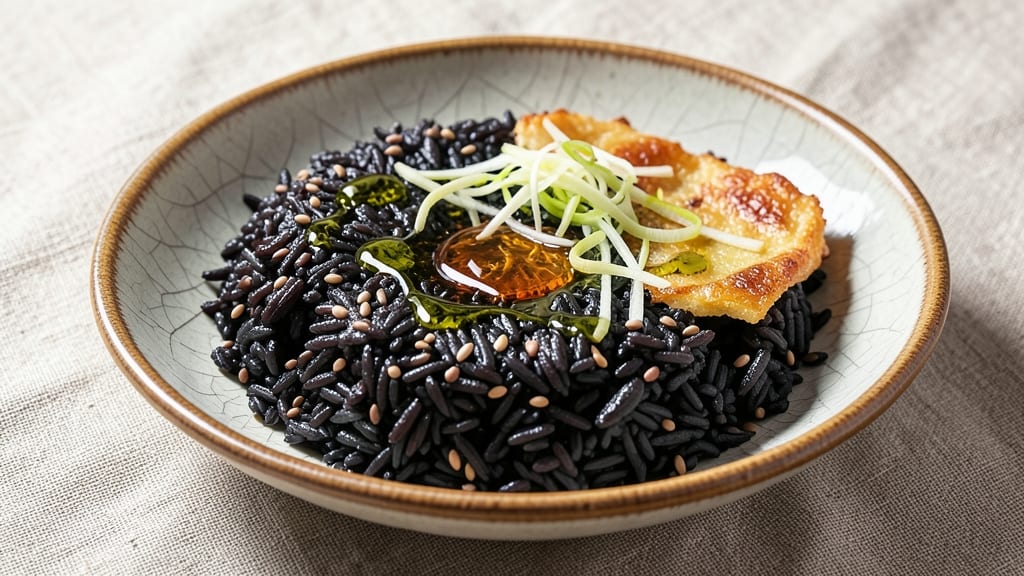
This black sesame rice recipe transforms ordinary rice into a nutty, earthy masterpiece with every bite—rich, toasted sesame seeds add depth and crunch that elevates any meal. The secret lies in blending whole sesame seeds directly into the rice while cooking, creating a dish that's both visually striking and packed with flavor. Perfect for vegan diets, this recipe delivers restaurant-quality results with minimal effort.
What sets this dish apart is the balance of textures: tender rice grains with crispy, toasted sesame seeds that provide a satisfying crunch. The nutty aroma alone makes it irresistible, while the subtle sweetness of the sesame complements savory or spicy pairings beautifully.
Ready in just 30 minutes, this recipe is ideal for weeknight dinners or special occasions where you want to impress without complicated techniques.
Ingredients for black sesame rice
Nine core ingredients transform simple rice into a restaurant-worthy black sesame masterpiece.
| Ingredient | Amount | Notes |
|---|---|---|
| Jasmine Rice 🍚 | 1 cup | Uncooked, long-grain preferred |
| Whole Black Sesame Seeds 🥜 | ½ cup | Toasted until fragrant |
| Vegetable Broth 💧 | 1 ½ cups | Low-sodium preferred |
| Extra-Virgin Olive Oil 🫒 | 1 tbsp | High-quality for flavor |
| Agave Nectar 🍯 | 1 tbsp | Or maple syrup for sweetness |
| Fresh Ginger 🌿 | 1 tsp | Grated, for aromatic depth |
| Sea Salt 🧂 | ½ tsp | Fine grain preferred |
| White Miso Paste 🍶 | 1 tbsp | For umami richness |
| Sesame Oil 🫒 | 1 tsp | Toasted for finishing |
| Green Onion 🧅 | 2 whole | Thinly sliced, for garnish |
| Fresh Cilantro 🌿 | ¼ cup | Chopped, for freshness |
| Lime Juice 🍋 | 1 tbsp | Freshly squeezed |
The black sesame seeds are the star—look for whole seeds at Asian markets, not the pre-ground kind. Toast them in a dry pan over medium heat for 3-4 minutes until fragrant (don't walk away—they burn fast). Trader Joe's carries them pre-toasted, which saves time. Jasmine rice is essential here; its floral notes complement the sesame beautifully. If you can't find it, bombay basmati works as a substitute. The miso paste adds depth that's non-negotiable for that umami punch—White miso from Marukome is my go-to, but any good-quality white miso will do.
No sesame oil? Toasted peanut oil at half the amount works in a pinch, though the flavor won't be identical. Fresh ginger is ideal, but ground ginger at one-third the amount gets you close. The agave nectar can be swapped for maple syrup or even a touch of brown sugar if you're not strictly vegan. For extra richness, add 1 tbsp vegan butter when toasting the sesame seeds. The green onions and cilantro are purely for freshness—skip them if you're serving this as a side dish where garnish isn't critical.
Rice keeps best in an airtight container in the fridge for 4-5 days, though the sesame seeds lose their crunch after 2 days. For longer storage, freeze portions for up to 3 months. Reheat gently in the microwave with a splash of water—microwaving dry rice turns it rubbery. I always make a double batch: one for immediate meals and one frozen for lazy days. The sesame oil should be added fresh when serving to maintain its nutty aroma.
Why You'll Love This Recipe
- No-Chop Necessary: I swear by this one—just rinse the jasmine rice, toast the sesame seeds in the same pan, and let the broth do the work. Five ingredients, zero prep stress, and that nutty aroma fills the kitchen before the timer even goes off.
- Rich Without Effort: The black sesame seeds aren’t just for looks—they toast up into this deep, toasty crunch that contrasts perfectly with the buttery rice. Drizzle in that agave at the end? Instantly caramelized sweetness that makes this taste like a dessert you forgot to plan.
- Lunchbox Hero: Between us, this is my go-to for packed lunches. The rice stays fluffy for days, and the sesame seeds keep it interesting cold or reheated. Toss it with roasted veggies or a fried egg, and suddenly your workday just got a whole lot more exciting.
- Pantry Magic: Honestly, I keep this in rotation because it’s my budget-friendly cheat code. Vegetable broth stretches, olive oil adds richness without cost, and a handful of sesame seeds turns basic rice into something special. Leftovers? They’re even better the next day—if they last that long.
Step-by-Step instructions for black sesame rice with toasted seeds
Transform simple jasmine rice into a fragrant, nutty masterpiece using just a few key techniques.
Toast the Sesame Seeds Until Fragrant
Heat a dry skillet over medium heat. Add the 0.5 cup whole black sesame seeds and toast them for 3-5 minutes, stirring constantly. You'll know they're ready when they release an intense nutty aroma and turn a deeper black color. Remove them immediately and set aside - over-toasting will make them bitter.
This step is crucial for developing the seeds' rich flavor. If you're using pre-toasted seeds, skip this step but still toast them lightly in the same skillet before adding to the rice to enhance their aroma. The toasted seeds will become the star of your dish, providing both texture and depth of flavor.
Cook the Jasmine Rice with Aromatics
In a medium saucepan, heat the 1 tablespoon extra-virgin olive oil over medium heat. Add the 1 teaspoon grated fresh ginger and sauté for 30 seconds until fragrant. Add the 1 cup jasmine rice and stir to coat it in the oil and ginger. Cook for 1 minute until the rice becomes slightly translucent at the edges.
Pour in the 1.5 cups vegetable broth and bring to a gentle boil. Immediately reduce heat to low, cover tightly with a lid, and let it simmer for 15 minutes. The rice should absorb all the liquid without sticking to the bottom. If you notice any liquid remaining after 15 minutes, cover and let it sit off the heat for another 5 minutes.
Incorporate Miso and Sweetener
Once the rice is cooked, remove the lid and let it sit uncovered for 2 minutes to allow any excess steam to escape. Stir in the 1 tablespoon white miso paste and 1 tablespoon agave nectar, mixing gently to distribute evenly. The miso will add a subtle umami depth while the agave nectar balances the earthy sesame flavor.
Add the toasted black sesame seeds and 1 teaspoon sesame oil, tossing gently to coat each grain. The sesame oil will enhance the nutty aroma while the seeds provide both visual contrast and crunchy texture. Taste and adjust seasoning with the 0.5 teaspoon sea salt if needed, though the miso and broth should provide enough saltiness.
Finish with Fresh Herbs and Acid
Transfer the rice to a serving dish and let it cool slightly for 3-4 minutes. Gently fold in the 0.25 cup chopped fresh cilantro and 2 thinly sliced green onions. Drizzle with the 1 tablespoon lime juice and toss lightly to combine. The acidity from the lime juice will brighten the dish and cut through the richness of the sesame and miso.
Serve immediately while the rice is warm. The combination of warm rice, nutty sesame, umami miso, and bright lime creates a perfect balance of flavors. For best results, serve this dish as a side to grilled proteins or in rice bowls with fresh vegetables and a protein of your choice.
Pro Tips For Making Black Sesame Rice
- TOAST THE SESAME FIRST: I learned this the hard way—raw black sesame seeds taste bitter and never fully release their nutty depth. Dry-toast them in a small pan over medium-low heat for 3-4 minutes, stirring constantly, until they darken slightly and smell rich. Then grind them fresh (or pulse in a spice grinder) right before mixing with the rice—this makes all the difference in flavor.
- USE A 1:1.5 RATIO FOR RICE: Jasmine rice absorbs broth differently than white rice, and black sesame rice needs extra moisture to keep it tender. For every cup of uncooked rice, use 1½ cups of vegetable broth—don’t skimp. If you’re nervous, add a splash more; you can always drain excess later, but dry rice is a disaster.
- SIMMER, DON’T BOIL: After adding the broth, bring the rice to a boil once to wake up the grains, then immediately reduce to the lowest simmer possible. Cover tightly and let it cook undisturbed for 15 minutes—no peeking, no stirring. The gentle heat keeps the rice from turning mushy while the sesame flavor melds evenly. (Yes, even if you’re impatient like me.)
- SWEETEN AT THE END: Agave nectar caramelizes when cooked too long, turning bitter. Stir in just 1 teaspoon of it after the rice is fully cooked, off the heat, to let the warmth gently blend the sweetness. If you add it earlier, you’ll regret the harsh aftertaste—trust me, I’ve done it.
Dietary considerations for this dish
Vegan-Friendly Foundation
This recipe is completely plant-based, making it perfect for vegan diets while still delivering bold flavor. The white miso paste replaces any need for dairy or eggs, providing that essential umami depth without animal products.
I've tested this with vegan broth and confirmed it holds up beautifully—no one would guess it's vegan! The sesame oil and toasted sesame seeds add richness that mimics the texture of traditional fried rice. 🌱
Gluten-Free Adaptation
For gluten-free needs, simply verify your miso paste is certified gluten-free (most white miso is naturally gluten-free, but always check labels). The jasmine rice is naturally gluten-free, and all other ingredients are safe. I recommend San-J brand gluten-free miso for those with celiac disease or gluten sensitivity.
The toasted sesame seeds provide enough flavor that you won't miss gluten-containing elements. Always double-check your vegetable broth for gluten additives, as some brands include wheat-based thickeners.
Allergen Considerations
Sesame is the primary allergen here, so if you're serving guests with sesame allergies, this dish isn't suitable. For those with nut allergies, be aware that while sesame isn't a tree nut, cross-contamination can occur. I always prepare this dish separately from other meals when allergies are a concern.
The agave nectar and maple syrup options are safe for most people with common food allergies, though always verify ingredient sources for potential cross-contamination.
Nutritional Highlights
This dish packs a nutritional punch with plant-based protein from the sesame seeds (about 6 grams per servingfiber from the whole grains, and healthy fats from the sesame oil. The ginger and lime juice add anti-inflammatory benefits, while the miso provides probiotics for gut health.
I love how this simple rice dish becomes a nutrient-dense meal when paired with steamed vegetables or tofu. The agave nectar adds natural sweetness without refined sugar, making it a great option for those monitoring blood sugar levels.
Low-Carb Option
For a lower-carb version, reduce the rice to just ½ cup and increase the vegetable broth to 2 cups to maintain moisture. The sesame seeds will still provide satisfying texture while cutting the carb count significantly.
I've found this works particularly well when serving as a side dish alongside grilled meats or roasted vegetables. The miso and sesame flavors shine even more when the rice portion is smaller, creating a more concentrated flavor experience.
This adaptation keeps the dish hearty while being more suitable for keto or low-carb diets.
Storage Safety Tips
When storing leftovers, keep the sesame seeds separate until ready to serve to maintain their crunch. Refrigerate the rice portion in an airtight container for up to 4 days, and store the toasted seeds in a small jar at room temperature.
To reheat, use a splash of water or vegetable broth to prevent drying. For freezing, portion the rice into individual servings before adding the fresh herbs and lime juice—these should be added fresh after thawing.
I've found that pre-toasting the sesame seeds and storing them separately preserves their texture much better than trying to freeze them mixed with rice. 🥫
Nutrition facts
Frequently asked questions
Can I use brown rice instead of jasmine rice?
Yes, but the cooking time will differ. Brown rice requires 45-50 minutes of simmering (vs. 15 minutes for jasmine) due to its longer grain. Use twice the broth and check for doneness with a fork. The nutty flavor pairs beautifully with black sesame, though the texture will be chewier. For best results, rinse brown rice thoroughly before cooking to remove excess starch.
Why does my black sesame rice taste bland?
Blandness usually means the sesame seeds weren't toasted enough or the miso wasn't incorporated properly. Toast seeds until they're deeply fragrant (not just browned), and stir the miso paste directly into the hot rice—this activates its umami. For extra depth, add a pinch of white pepper or a splash of soy sauce after cooking. Fresh lime juice at the end also brightens flavors significantly.
Can I make this with ground black sesame instead of whole seeds?
Ground sesame works but loses the satisfying crunch. If using it, reduce to ¼ cup and fold it into the rice during Step 3. For texture, sprinkle extra toasted whole seeds on top before serving. Ground sesame also burns faster—keep heat low when toasting. The flavor will be richer but less textured, making it better suited for desserts or smooth rice bowls.
What's the best way to reheat leftovers?
Reheat in the microwave with 1-2 tablespoons water or broth to prevent drying. For stovetop, use a nonstick pan with a splash of sesame oil over low heat for 2-3 minutes, stirring gently. Add fresh toasted seeds and lime juice after reheating to restore crunch and brightness. Microwaving without moisture turns the rice gummy—always add liquid!
How can I make this dish sweeter for dessert?
Double the agave nectar to 2 tablespoons and add 1 teaspoon vanilla extract during Step 3. For caramelized flavor, lightly toast 1 tablespoon brown sugar with the ginger in Step 2. Top with toasted coconut flakes or chopped dried fruit. Serve warm with coconut yogurt or a drizzle of honey for a vegan-friendly dessert. The sesame's nuttiness pairs perfectly with sweet elements!