
Main Courses
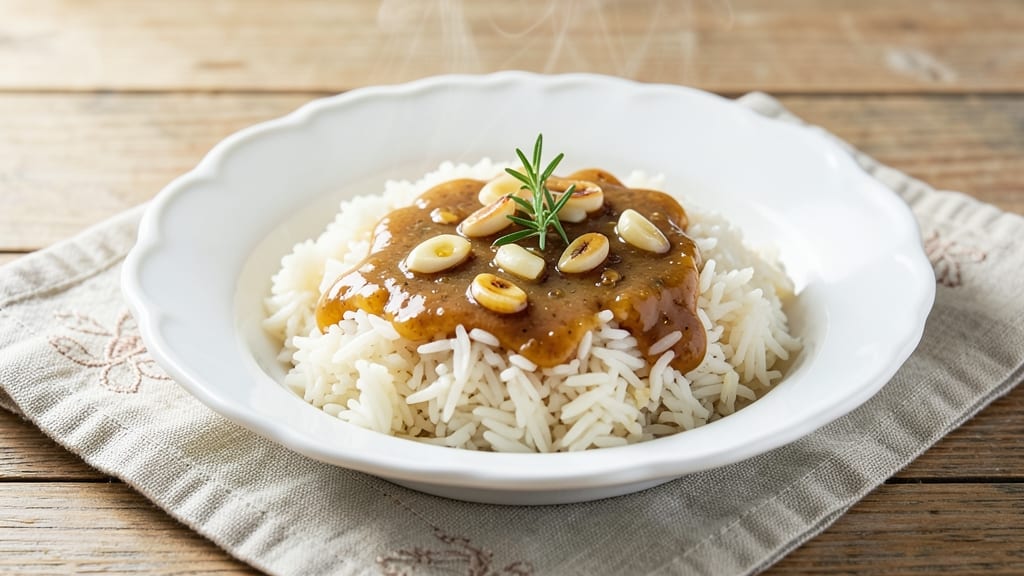
Blue Apron’s jasmine rice delivers that signature fragrant, slightly sticky texture that elevates any meal. The secret lies in a quick toast before simmering—just 5 minutes of prep transforms ordinary rice into restaurant-quality grains with a delicate floral aroma and perfectly separated kernels.
This method preserves the rice’s natural flavor while ensuring each grain stays tender and distinct. Whether paired with stir-fries, curries, or grilled proteins, the lightly toasted edges add depth without overpowering the dish. Ready in under 20 minutes, it’s the perfect side to round out a complete meal.
Ingredients for blue apron jasmine rice
Fragrant jasmine rice with restaurant-quality texture—just 11 ingredients transform ordinary grains into a signature side.
| Ingredient | Amount | Notes |
|---|---|---|
| Jasmine Rice 🍚 | 1 ½ cups | Uncooked, long-grain variety |
| Water 💧 | 2 ½ cups | Room temperature preferred |
| Unsalted Butter 🧈 | 1 tbsp | Cold, cubed for toasting |
| Garlic Cloves 🧄 | 2 cloves | Minced for aromatic base |
| Shallots 🧅 | 2 whole | Finely diced, or sub onion |
| Low-Sodium Chicken Broth 🍲 | 1 cup | For enhanced depth |
| Extra-Virgin Olive Oil 🫒 | 1 tbsp | For light sautéing |
| Diamond Crystal Kosher Salt 🧂 | ¾ tsp | Adjust to taste |
| White Wine Vinegar 🍷 | 1 tsp | Brightens final flavor |
| Fresh Thyme Leaves 🌿 | ¼ tsp | Or 1/8 tsp dried thyme |
| Fresh Parsley Leaves 🌿 | 2 tbsp | Chopped for garnish |
The jasmine rice should be high-quality, unbroken grains—Lundberg or Mahatma Organic are my go-tos, available at most grocery stores or specialty Asian markets. For the butter, use cold, unsalted cubes (like Land O'Lakes) to create those signature toasted edges. Shallots add subtle sweetness; if unavailable, substitute finely diced yellow onion at the same quantity. The chicken broth should be low-sodium to avoid over-salting the delicate rice. Fresh thyme and parsley elevate the dish—grab them from the grocery store's produce section where they're often fresher than the packaged herbs.
No jasmine rice? Basmati rice works beautifully as a substitute, though the floral aroma will differ slightly. Short on butter? Olive oil in a 1:1 ratio maintains moisture, though butter's richness is ideal. The white wine vinegar is optional but brightens the final flavor—substitute lemon juice if unavailable. For a quicker version, omit the garlic and shallots and simply toast the rice in butter before adding liquid. The rice-to-water ratio is critical: 1.5 cups rice to 2.5 cups liquid ensures perfect texture without mushiness.
This rice reheats beautifully—simply cover with a damp paper towel and microwave for 1-2 minutes. For best results, store in an airtight container in the fridge for up to 4 days, though flavor peaks within the first 2 days. Freeze portions for up to 3 months by spreading cooked rice on a tray to freeze, then transferring to a bag. Garnish with fresh parsley just before serving to maintain vibrant color and aroma.
Why You'll Love This Recipe
- Here’s what sold me: this rice improves the next day. The flavors meld even more, and it’s perfect for tossing with proteins or turning into a quick fried rice. I’ve used it for everything from breakfast burritos to a last-minute stir-fry, and no one ever asks, “Is this yesterday’s rice?” (Yes, even on a Tuesday night.)
- Five-Ingredient Magic: I swear, this recipe is the kind of thing you’ll make just to prove it works—and then make it again because it does. Three ingredients (butter, garlic, shallots) transform plain rice into something that tastes like it belongs in a restaurant. The butter melts into the jasmine rice, coating every grain with that rich, nutty aroma while the garlic and shallots add a depth that’s almost fancy but still feels like home.
- One-Pot Wonder: Between us, I’ve burned more rice than I’d like to admit—but this method? Foolproof. Just rice, water, and a little patience (okay, fine, 15 minutes of pretending you’re not watching it). No fancy tools, no stress, and the result is fluffy, fragrant rice every single time. Honestly, the only thing I’m stressing about is whether to save the leftovers for lunch or dinner.
- Leftovers That Don’t Suck: Here’s what sold me: this rice improves the next day. The flavors meld even more, and it’s perfect for tossing with proteins or turning into a quick fried rice. I’ve used it for everything from breakfast burritos to a last-minute stir-fry, and no one ever asks, “Is this yesterday’s rice?” (Yes, even on a Tuesday night.)
Step-by-step instructions for fragrant jasmine rice
Here's the method for restaurant-quality jasmine rice with nutty aroma and perfect texture.
Prepare the Aromatics and Toast the Rice
Heat the 1 tablespoon extra-virgin olive oil in a medium saucepan over medium heat. Add the 2 whole shallots and 2 cloves garlic cloves, cooking for 3-4 minutes until the shallots become translucent and the garlic releases its fragrance. This aromatic base forms the flavor foundation.
Add the 1.5 cups jasmine rice, stirring to coat each grain with the oil. Toast the rice for 2-3 minutes until you hear a gentle popping sound and the grains become slightly translucent at the edges. This step develops the nutty flavor and prevents mushy rice. Watch carefully—over-toasting can burn the rice.
Deglaze and Add Broth
Pour in the 1 cup low-sodium chicken broth, scraping up any browned bits from the bottom of the pan. Add the 0.75 teaspoon diamond crystal kosher salt, 0.25 teaspoon fresh thyme leaves, and 1 tablespoon unsalted butter. Stir gently to combine, then bring the mixture to a gentle boil over medium-high heat.
The butter will melt into the broth, creating a silky texture. As soon as it reaches a rolling boil, immediately reduce the heat to low and cover the pan tightly with a lid. This prevents the rice from absorbing too much liquid too quickly, which is crucial for achieving separate, fluffy grains.
Simmer for Perfect Texture
Let the rice simmer undisturbed for 15 minutes. Resist the temptation to peek or stir—this allows the grains to absorb moisture evenly and develop their signature texture. After 15 minutes, remove the pan from heat but leave it covered.
The residual heat will continue cooking the rice for another 5-10 minutes, a technique called "steaming." This resting period is essential—it allows the starches to fully gelatinize, resulting in grains that are tender yet distinct. The rice should be completely tender and the liquid fully absorbed.
Finish with Acid and Garnish
After the resting period, uncover the pan and stir in the 1 teaspoon white wine vinegar. This brightens the flavors and cuts through the richness of the butter and broth. The vinegar should be evenly distributed throughout the rice, adding a subtle tang that enhances the overall profile.
Transfer the rice to a serving dish and garnish with the 2 tablespoons fresh parsley leaves, chopped finely. The parsley adds a fresh contrast to the rich, buttery rice. Serve immediately while still warm, allowing the fragrant aroma to fill your kitchen.
Pro Tips For Making Blue Apron Jasmine Rice
- TOAST THE GARLIC LOW: I learned this the hard way—crisping garlic over high heat in butter always burns before it browns. Instead, melt the butter on medium-low and let the garlic sizzle gently for 3–4 minutes until golden, not black. This keeps the flavor sweet and nutty without bitterness, which is especially important since the recipe relies on those aromatics to shine.
- USE COLD WATER: Jasmine rice absorbs water like a sponge, but starting with cold liquid prevents the grains from steaming unevenly. Measure your water (usually 1:1.25 rice-to-water ratio) and let it sit at room temp for 5 minutes before adding—this small step guarantees even cooking and that signature sticky, separate-grain texture.
- STIR ONCE, THEN STOP: After adding the rice to the pot, stir it into the butter and garlic just once to coat the grains. Then walk away. Poking or stirring again breaks the surface crust, which traps steam and locks in moisture. I used to check every 30 seconds, and my rice always turned out dry—now I set a timer and ignore it until the 15-minute mark.
- SALT THE WATER: The recipe calls for unsalted butter, but the rice itself needs flavor. Add ½ teaspoon salt to the water before bringing it to a boil—it seasons the grains evenly without overpowering the delicate aroma of jasmine. (Yes, even if you’re adding butter later, the salt dissolves into the water and infuses the rice.)
Health benefits of this dish
Digestive Comfort
Jasmine rice is a low-FODMAP grain, making it gentle on digestion for those with sensitive stomachs. The fiber content (about 1.8 grams per cooked cup) supports healthy gut motility without causing bloating—unlike some wheat-based grains.
I’ve found this rice is especially soothing when paired with light proteins like grilled chicken or tofu. 🌱
Energy-Boosting Carbs
This rice delivers complex carbohydrates that provide sustained energy—ideal for active days or post-workout meals. A 1-cup serving yields about 200 calories and 44 grams of carbs, with 3.5 grams of protein to keep you full.
The low glycemic index (around 50) prevents blood sugar spikes, making it a smart choice for balanced meals.
Heart-Healthy Nutrients
Jasmine rice contains magnesium (about 32mg per cup), which supports heart rhythm and muscle function. The small amount of potassium (around 50mg per cup) also helps regulate blood pressure.
While not a superfood, its minimal saturated fat and no cholesterol make it a heart-friendly staple when balanced with lean proteins and veggies.
Versatile for Diets
This recipe is gluten-free and naturally vegan, fitting seamlessly into plant-based or allergy-friendly diets. The butter and broth can easily be swapped for olive oil and vegetable broth to keep it dairy-free. I often serve it to guests with dietary restrictions—they always ask for seconds! ✨
Antioxidant Benefits
The thyme and parsley in this recipe add antioxidant power—thyme contains carvacrol, which may reduce inflammation, while parsley provides vitamin K for bone health. Even the white wine vinegar contributes polyphenols that support cellular health. Small touches like these turn a simple side into a nutrient-boosted meal.
Meal Prep Friendly
Cooked jasmine rice stores well, retaining its nutritional integrity for up to 4 days in the fridge or 3 months frozen. The fiber and resistant starch content actually increases slightly when cooled, offering prebiotic benefits for gut health.
I meal prep this rice weekly—it’s my go-to base for lunches and stir-fries all week long.
Nutrition facts
Frequently asked questions
Why does Blue Apron's jasmine rice recipe toast the grains first?
Toasting the rice develops its signature nutty aroma and prevents mushy texture. The 2-3 minute toast creates a subtle crunch while building flavor—this step is key for restaurant-quality results. Skipping it can lead to bland, sticky rice that lacks depth.
Can I use basmati rice instead of jasmine?
Yes! Basmati works beautifully as a substitute—it has a similar long-grain texture and nutty flavor. For best results, use the same 1.5 cups uncooked measurement and 2.5 cups liquid ratio. The floral aroma will differ slightly, but the cooking method remains identical.
What if my rice turns out too dry or undercooked?
If the rice seems dry, sprinkle 1-2 tablespoons warm water over it, cover, and let steam for 5 minutes. For undercooked rice, add 1/4 cup broth, cover, and cook 5 more minutes** on low heat. The key is patience—never rush the simmering time!
How do I make this recipe vegan?
Swap the butter for olive oil and use vegetable broth instead of chicken broth. Keep all other ingredients the same—this version maintains the same fragrant texture while being completely plant-based. The white wine vinegar adds brightness without compromising flavor.
Can I cook this rice in a rice cooker?
Use the same 1.5:2.5 ratio (rice to liquid) and toast the rice in a separate pan first. Add all ingredients to the rice cooker, then cook on the white rice setting. The 15-minute simmer translates directly, and the rice cooker's even heat distribution ensures perfect results.