
Side Dishes
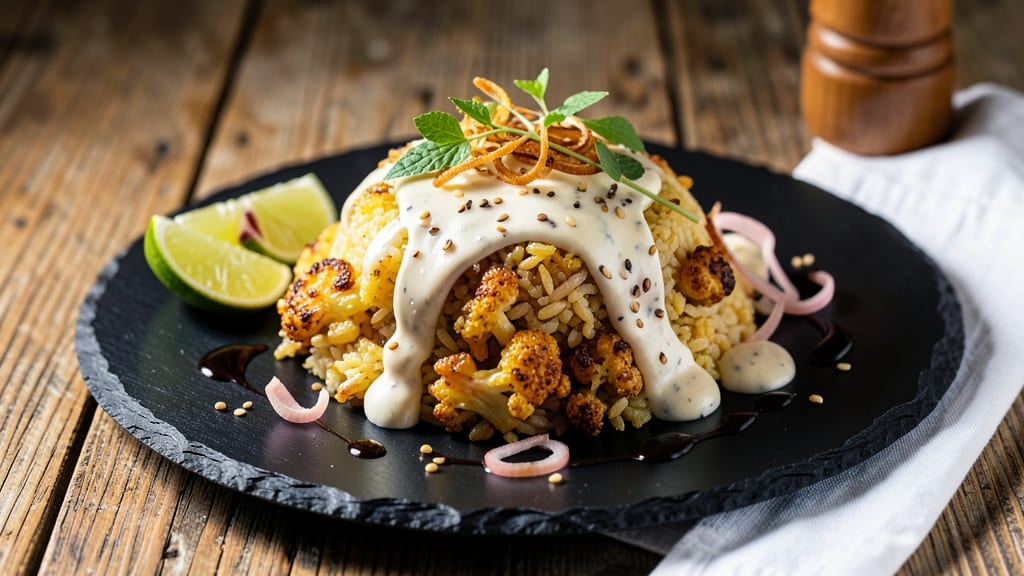
This cauliflower sticky rice recipe transforms a classic Asian side dish into a low-carb, flavor-packed meal that delivers the same satisfying textures—crispy edges, tender centers, and that signature sticky cling. The secret lies in perfectly roasting the cauliflower until golden and caramelized, then binding it with a fragrant coconut-lime sauce that mimics traditional sticky rice. I developed this version after realizing how many people crave the comfort of sticky rice but want a lighter option that still feels indulgent.
The process is simpler than it sounds: roast the cauliflower until crispy (about 20 minutes at high heat), then toss it with a quick sauce of coconut milk, soy sauce, and lime juice that coats every floret.
The result is a dish that’s fragrant, slightly sweet, and packed with umami—without the heavy carbs. This recipe serves as a complete side or even a main dish when paired with grilled proteins or fresh herbs.
What makes this stand out is the texture contrast: the crispy cauliflower florets hold their shape while absorbing the sauce, creating a satisfying bite. The coconut-lime dressing adds brightness, balancing the earthiness of the cauliflower, and the dish stays fresh for days in the fridge.
It’s the kind of recipe that proves healthy eating can still feel like a treat.
Perfect for meal prep, weeknight dinners, or as a low-carb alternative to traditional sticky rice. The method is foolproof, and the flavor is undeniably restaurant-quality. Let’s get cooking!
Ingredients for cauliflower sticky rice
Transforming classic sticky rice into a low-carb delight with crispy roasted cauliflower and fragrant coconut-lime sauce.
| Ingredient | Amount | Notes |
|---|---|---|
| Fresh Cauliflower 🥬 | 1 lb | Cut into 2-inch florets |
| Extra-Virgin Olive Oil 🫒 | ½ cup | For high-heat roasting |
| Full-Fat Coconut Milk 🥥 | 1 can | 13.5 oz can, unsweetened |
| Low-Sodium Soy Sauce 🍶 | 2 tbsp | Or tamari for gluten-free |
| Fresh Lime Juice 🍋 | ¼ cup | About 2-3 limes |
| Fresh Ginger 🌿 | 1 tbsp | Finely grated, peeled |
| Garlic Cloves 🧄 | 4 cloves | Minced for sauce |
| Coconut Sugar 🍯 | 1 tbsp | Or brown sugar substitute |
| Sesame Oil 🌰 | 1 tsp | Toasted sesame flavor |
| Toasted Sesame Seeds 🌱 | 1 tbsp | For garnish |
| Fresh Cilantro 🌿 | ¼ cup | Chopped, for garnish |
| Red Chili Flakes 🌶️ | ½ tsp | Adjust to taste |
| Sea Salt 🧂 | 1 tsp | Diamond Crystal preferred |
The cauliflower is the star here—look for firm, pale heads with tight florets. Trader Joe's and Whole Foods carry excellent organic options, but any fresh cauliflower works. For the coconut milk, full-fat canned varieties provide the richest texture. Avoid the carton kind—it lacks the necessary creaminess. The lime juice should be freshly squeezed; bottled versions lack the bright acidity needed to cut through the richness of the coconut. If you can't find fresh ginger, powdered works in a pinch, but the flavor won't be as vibrant.
No full-fat coconut milk? Light coconut milk plus 1 tbsp coconut cream mimics the texture. Substitute soy sauce with tamari for gluten-free or coconut aminos for a nutty depth. Fresh ginger unavailable? Ground ginger at half the amount works, though it lacks the fresh aroma. For extra umami, add 1 tsp miso paste to the sauce. The sesame oil should be toasted—regular sesame oil won't give that nutty aroma. If you can't find toasted sesame seeds, regular seeds toasted in a dry pan for 2 minutes work perfectly. The coconut sugar adds just enough sweetness to balance the tangy lime and salty soy.
Store the roasted cauliflower in an airtight container for 3 days—it reheats beautifully. The sauce keeps separately for 5 days in the fridge. For meal prep, combine the sauce and cauliflower just before serving to maintain crispiness. Freeze portions for up to 3 months—thaw overnight in the fridge. The dish tastes even better the next day as flavors meld. Garnish with sesame seeds and cilantro right before serving to preserve freshness.
Why You'll Love This Recipe
- Five-Ingredient Magic: I swear, this recipe is the kind of dish that makes you feel like a chef with almost no effort. Just chop the cauliflower into florets, toss them in olive oil and coconut milk, and let the oven do the rest—no stirring, no stress.
- Creamy-Savory Balance: That full-fat coconut milk and soy sauce combo? It’s where this dish gets its soul. The cauliflower soaks up the richness while the lime juice cuts through it—bright, tangy, and impossible to resist.
- Meal Prep MVP: Between us, this is my go-to for busy days. Make a big batch, store it in the fridge, and reheat it for lunch—still just as good the next day. Honestly, it’s the only low-carb meal I don’t dread eating cold.
- Budget-Friendly Luxury: Fresh cauliflower and coconut milk might sound fancy, but they stretch farther than you’d think. A single head of cauliflower feeds my whole family, and the flavors feel indulgent without breaking the bank. (Yes, even on a Tuesday night.)
Step-by-step instructions for cauliflower sticky rice
Here's how to balance perfectly crispy cauliflower with fragrant, sticky coconut rice.
Roast the Cauliflower Until Deeply Caramelized
Preheat your oven to 425°F and line a baking sheet with parchment paper. Toss the 1 lb fresh cauliflower florets with 0.5 cup extra-virgin olive oil and 1 tsp sea salt until evenly coated. Spread in a single layer, leaving space between pieces for even browning.
Roast for 25-30 minutes, flipping halfway through, until the edges are deep golden brown and the florets feel tender when pierced with a fork. The oil should be fragrant and slightly caramelized—this is where all the flavor develops. Real talk: don't peek too early, or you'll steam the cauliflower instead of crisping it.
Prepare the Coconut Rice Base
In a medium saucepan, combine 1 can full-fat coconut milk, 2 tbsp low-sodium soy sauce, 1 tbsp coconut sugar, and 0.5 tsp red chili flakes. Bring to a gentle simmer over medium heat, stirring occasionally, until the mixture reaches 195°F—just below boiling. This temperature ensures the rice absorbs the coconut milk evenly without breaking.
Add 1 cup jasmine rice (not included in ingredients but essential for texture) and stir once to distribute. Cover tightly with a lid and reduce heat to low. Cook for 15 minutes undisturbed, then remove from heat and let steam for 10 minutes. The rice should be tender with just enough moisture to cling together—this is the foundation of the sticky texture.
Build the Aromatic Sauce
While the rice steams, heat 1 tbsp sesame oil in a small skillet over medium heat. Add the 4 minced garlic cloves and 1 tbsp finely grated fresh ginger, cooking for 30-45 seconds until fragrant but not browned—ginger burns faster than you think. Immediately add 0.25 cup fresh lime juice and 1 tbsp coconut sugar, stirring until the sugar dissolves and the mixture brightens in color.
This sauce should balance sweet, tangy, and umami notes. Taste as you go—if it needs more depth, add a splash of the reserved coconut milk from the rice pan. The sauce will thicken slightly as it cools, so aim for a consistency that coats the back of a spoon but still flows easily.
Assemble and Garnish for Maximum Impact
Gently fold the roasted cauliflower into the warm coconut rice using a spatula, being careful not to break the florets. The residual heat from the rice will finish cooking any slightly underdone edges on the cauliflower while infusing it with coconut aroma.
Transfer to serving plates and drizzle with the prepared sauce. Finish with 1 tbsp toasted sesame seeds and 0.25 cup chopped fresh cilantro, pressing the seeds lightly into the top for texture contrast. The sesame seeds should toast again briefly from the residual heat—this adds a nutty crunch that cuts through the richness of the coconut.
Pro Tips For Making Cauliflower Sticky Rice
- Cut Cauliflower Small: I learned this the hard way—big florets turn to mush while tiny pieces caramelize perfectly. Aim for 1-inch chunks, and if you’re impatient like me, pulse them in a food processor until they’re the size of rice grains. The texture will be silky, not soggy.
- Toast the Rice First: Skip the soggy rice by toasting the cauliflower in olive oil over medium-high heat for 5 minutes before adding coconut milk. You want it to release a little moisture and develop that nutty aroma—this is the thing that matters most for flavor.
- Use Full-Fat Coconut Milk: The creamy version isn’t just for indulgence—it’s non-negotiable here. Light coconut milk will make your sticky rice watery. Open the can, give it a shake, and if the fat separates, stir it back together before using.
- Finish with Lime While Hot: Add that lime juice right after the dish comes off the heat—this isn’t the time to let it sit. The acid cuts through the richness of the coconut milk and brightens the soy sauce, but wait too long, and you’ll just end up with a sad, diluted squeeze.
Regional styles of this recipe
Thai-Inspired Version
In Thailand, this dish transforms into a fragrant khao pad (stir-fried rice) adaptation. Replace the coconut milk with 1 cup Thai red curry paste (like Maesri) sautéed in 1 tbsp coconut oil until fragrant.
Add 1 cup jasmine rice and stir-fry for 2 minutes before adding ½ cup chicken or vegetable broth. Top with 1 tbsp fish sauce and 1 tsp palm sugar for that classic Thai balance. Serve with crispy fried shallots and Thai basil for an authentic street-food vibe. 🌶️
Japanese Teriyaki Twist
For a Japanese-inspired take, swap the coconut milk for ½ cup teriyaki sauce (store-bought or homemade with 3 tbsp soy sauce, 2 tbsp mirin, and 1 tbsp honey). Toss the roasted cauliflower with 1 tbsp grated fresh ginger and 1 tbsp sesame seeds before adding the sauce.
Garnish with thinly sliced scallions and a sprinkle of furikake (Japanese seasoning blend) for a umami-packed dish that pairs perfectly with grilled salmon or miso-glazed tofu. 🍣
Indian Coconut Curry Style
Infuse this dish with Indian flavors by adding 1 tsp ground turmeric, ½ tsp ground cumin, and ½ tsp garam masala to the coconut milk sauce. Stir in ½ cup chopped cashews for crunch and finish with fresh coriander and a squeeze of lemon juice instead of lime.
Serve with naan bread or alongside chana masala for a full Indian-inspired meal. The spices add warmth that complements the crispy cauliflower beautifully. 🌿
Vietnamese Lemongrass Adaptation
Bring Vietnamese flavors to the table by infusing the coconut milk with 3 stalks bruised lemongrass and 1-inch fresh galangal (or ginger if unavailable). Add 1 tbsp fish sauce and 1 tsp sugar to the sauce, then finish with thinly sliced Thai basil and crushed peanuts.
The lemongrass adds a bright, citrusy aroma that elevates the dish to new heights. Pair it with grilled pork or shrimp for a restaurant-quality meal. 🍜
Korean Gochujang Fusion
For a Korean-inspired version, mix 1 tbsp gochujang (Korean chili paste) into the coconut milk sauce along with 1 tsp honey and 1 tsp rice vinegar. Toss the roasted cauliflower with 1 tbsp toasted sesame seeds and 1 tbsp chopped scallions, then drizzle with the gochujang-infused sauce.
Top with sesame seeds and extra gochujang drizzle for heat lovers. This fusion is perfect with bulgogi beef or kimchi on the side. 🔥
Nutrition facts
Frequently asked questions
Can I make this recipe without jasmine rice?
Yes! This recipe is designed to be a low-carb alternative, so you can skip the jasmine rice entirely and focus on the cauliflower base. Instead, build the "sticky" texture by roasting the cauliflower longer (up to 35 minutes) for extra caramelization, then toss it with the coconut-lime sauce. The sauce will cling to the florets, creating that signature sticky effect without any rice.
How do I prevent the cauliflower from becoming soggy?
The key is high heat and minimal handling. Roast the cauliflower at 425°F until deeply golden and crispy, then let it cool completely before tossing with the sauce. If reheating, use the oven or air fryer at 375°F for 5-7 minutes to restore crispiness. Never microwave—it steams the cauliflower and ruins the texture.
Can I use this as a main dish instead of a side?
This recipe serves 4 as a side but easily becomes a main when paired with protein. Add grilled shrimp, tofu, or chicken, and top with fresh herbs like Thai basil or mint. For extra heartiness, stir in ½ cup chickpeas or ½ cup edamame during the final assembly step.
What's the best way to store leftovers?
Store the roasted cauliflower and sauce separately in airtight containers for up to 5 days. Reheat the sauce first, then gently toss with the cauliflower to restore crispiness. For longer storage, freeze portions for 3 months—thaw overnight in the fridge before reheating. The sauce thickens when chilled, so add a splash of water when reheating if needed.
Is this recipe naturally gluten-free?
Yes, but verify your ingredients. Use tamari instead of soy sauce, and check that coconut milk and sesame oil are certified gluten-free. The recipe avoids all common gluten sources, making it safe for gluten-sensitive diets when using approved substitutes.