
Main Courses
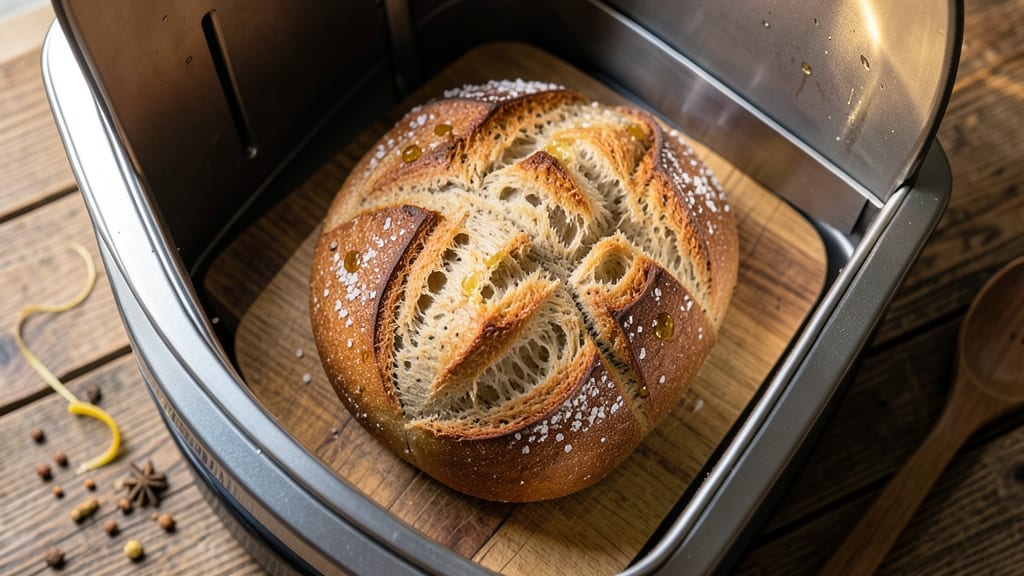
Transforming brown rice flour into a lightweight, nutty loaf in your bread machine is easier than you think. This recipe tackles the common challenge of dense rice flour bread by balancing hydration and kneading time for a perfect rise.
The result? A fragrant, slightly sweet loaf with a tender crumb and crispy crust—ideal for sandwiches or toast.
Key adjustments make all the difference: a longer knead cycle, precise water measurements, and a touch of oil to improve texture. No eggs or dairy needed—just simple pantry staples. Whether you're baking for dietary preferences or simply love nutty flavors, this method delivers restaurant-quality bread with minimal effort.
Ingredients for brown rice flour bread recipe for bread machine
Nine simple ingredients transform brown rice flour into a tender, nutty loaf perfect for your bread machine.
| Ingredient | Amount | Notes |
|---|---|---|
| Brown Rice Flour 🌾 | 4 cups | Fine grind for best texture |
| Water 💧 | 1 ½ cups | Room temperature preferred |
| Extra-Virgin Olive Oil 🫒 | ¼ cup | For improved texture |
| Granulated Sugar 🍚 | ⅛ cup | Balances nutty flavor |
| Active Dry Yeast 🍞 | 2 ¼ tsp | Ensure freshness |
| Salt 🧂 | 1 ½ tsp | Kosher or sea salt |
| Ground Flaxseed 🌿 | 1 tbsp | Mixed with 3 tbsp water |
| Non-Dairy Milk 🥛 | ¼ cup | Unsweetened almond or soy |
| Apple Cider Vinegar 🍏 | 1 tsp | Activates yeast |
| Cinnamon 🌶️ | ½ tsp | For subtle warmth |
| Vanilla Extract 🍯 | 1 tsp | Pure vanilla preferred |
The brown rice flour is the star—look for fine grind at natural food stores like Whole Foods or bulk sections at Sprouts for the best texture. Fresh yeast is non-negotiable; test it by mixing with warm water and a pinch of sugar—it should foam within 5 minutes. The flaxseed egg substitute (1 tbsp ground flaxseed + 3 tbsp water) binds everything together, so don’t skip it. For the non-dairy milk, unsweetened almond or soy works best—avoid sweetened versions that can alter the flavor. The apple cider vinegar might seem odd, but it activates the yeast faster than water alone, giving you a better rise.
No brown rice flour? Substitute half with whole wheat flour for a denser loaf, but the texture won’t be as light. Out of flaxseed? Chia seeds work too—just double the amount. The vanilla extract can be swapped for vanilla bean paste if you’re feeling fancy, but imitation won’t cut it here. If your bread machine has a dough setting, use it—this recipe benefits from the extra kneading time. For a sweeter loaf, add 1 extra tablespoon of sugar, but don’t overdo it or the crust may darken too quickly. The cinnamon is optional but adds warmth that pairs beautifully with the nutty rice flavor.
Store the bread in an airtight container at room temperature for up to 3 days—it keeps surprisingly well. For longer storage, slice and freeze portions for up to 3 months. The crust stays crisp for about a day, so if you’re not using it immediately, wrap it in foil. This bread reheats beautifully—just pop slices in a toaster or oven at 350°F for 5 minutes to revive that fresh-baked taste. Leftovers make great toast or French toast, so don’t hesitate to bake an extra loaf.
Why You'll Love This Recipe
- Bread Machine Magic: I swear, my bread machine does all the work—just toss in the brown rice flour, a splash of olive oil, and let it knead itself. No standing over a bowl, no sticky hands, just pure ease.
- Nutty Earthy Crunch: That brown rice flour gives it a subtle, toasty depth you won’t find in white bread. The olive oil keeps it tender, and the sugar just adds a whisper of sweetness—like a hug for your sandwich.
- Meal Prep MVP: This bread holds up for days in the fridge, perfect for toast, sandwiches, or even croutons. (Yes, even on a Tuesday night.) Freeze slices for quick toast later—no reheating needed.
- Budget-Friendly Staple: Brown rice flour is cheaper than all-purpose, and you’ll use less oil than most recipes. Plus, one loaf stretches across breakfasts, lunches, and snacks—minimal cost, maximum payoff.
Step-by-step instructions for brown rice flour bread machine recipe
Here's how to transform nutty brown rice flour into a surprisingly light, flavorful loaf using your bread machine.
Prepare the Flaxseed Gel and Yeast Mixture
In a small bowl, combine the 1 tablespoon ground flaxseed with 3 tablespoons water. Stir well and let sit for 5 minutes until it thickens into a gel-like consistency. This flaxseed mixture acts as a natural binder and egg substitute, giving the bread structure without dairy or eggs.
In the bread machine pan, whisk together the 1.5 cups water, 0.25 cup extra-virgin olive oil, 0.125 cup granulated sugar, 2.25 teaspoons active dry yeast, 1.5 teaspoons salt, 1 teaspoon apple cider vinegar, 0.5 teaspoon cinnamon, and 1 teaspoon vanilla extract. The yeast will begin activating immediately—you'll notice tiny bubbles forming on the surface within 2-3 minutes. This is your signal that the yeast is alive and ready to work.
Combine Wet Ingredients with Brown Rice Flour
Add the 4 cups brown rice flour to the wet mixture in the bread machine pan. Using a silicone spatula, gently fold the flour into the liquid until just combined. You'll want to avoid overmixing—just enough to incorporate all the flour without developing gluten. The dough will be sticky and dense at this stage, but that's normal with brown rice flour.
I like to press the dough down gently with my fingers to help distribute the flour evenly. The mixture should resemble thick pancake batter rather than traditional bread dough. This texture is crucial for achieving a light, airy crumb rather than a dense loaf.
Set Bread Machine to Basic White Bread Setting
Transfer the dough to your bread machine pan, scraping up any remnants from the bowl. Select the "Basic White Bread" setting on your machine. The kneading process will begin immediately, and you'll notice the dough transform from a sticky batter into a more cohesive mass after about 5-7 minutes of kneading.
Here's the thing—brown rice flour behaves differently than wheat flour. The machine will work harder to develop structure, so don't be alarmed if the dough appears underdeveloped during the initial kneading phase. The flaxseed gel and olive oil help compensate for the lack of gluten, so trust the process.
Monitor the Rise and Bake Cycle
Once the kneading completes, the machine will automatically transition to the rising phase. You'll see the dough nearly double in size within 45-60 minutes, though it may not reach the dramatic rise of wheat-based breads. The bread machine will then automatically switch to baking mode at 375°F, which is perfect for brown rice flour.
During baking, you'll notice the bread develop a golden-brown crust and a subtle nutty aroma. The baking cycle typically takes 50-60 minutes, but your machine may vary slightly. The internal temperature should reach 190-200°F when done—this ensures the bread is fully baked without drying out.
Cool and Enjoy Your Nutty Loaf
Remove the bread from the pan immediately after the cycle completes and place it on a wire rack to cool for at least 30 minutes. This cooling period is crucial—it allows the internal structure to set properly and prevents the bread from becoming gummy.
Once cooled, slice into thick pieces to reveal a surprisingly light, airy crumb with subtle nutty undertones from the brown rice flour. The flaxseed adds a pleasant earthiness, while the olive oil contributes to a moist texture. Store any leftovers in an airtight container for up to 3 days or freeze for longer storage.
Pro Tips For Making Brown Rice Flour Bread Recipe For Bread Machine
- Bloom the Yeast First: Skip the guesswork—mix the yeast with warm water and sugar in your bread machine’s bowl before adding flour. This guarantees it’s active and saves you from dense, flat loaves later. (I used to ignore this, and my rice flour bread always turned out like a brick.)
- Use Filtered or Warm Water: Brown rice flour absorbs moisture fast, so use filtered or warm (not hot) water—chlorine and cold temps slow yeast activation. Fill the bread machine’s water reservoir with 110°F water if your machine allows it; otherwise, heat tap water to that temp and let it sit for 5 minutes.
- Don’t Overmix the Dough: Brown rice flour dough is delicate—once the machine switches to kneading, stop it after 2-3 minutes if it looks shaggy. Overmixing develops gluten (which rice flour lacks), making the bread gummy. Glance at the dough early and intervene if needed.
- Add Olive Oil Last: Drizzle the extra-virgin olive oil directly into the flour during the first mix cycle, not the water. This coats the flour better, preventing dryness and ensuring a tender crumb. (I learned this after my first loaf turned out crumbly—now it’s consistently moist.)
Common mistakes when making your brown rice flour bread recipe for bread machine
Overhydrated Dough
Brown rice flour absorbs moisture differently than wheat flour, so adding 1.5 cups water might seem like too much—but it’s crucial for texture. If your dough looks soupy or spreads too thin in the pan, you’ve gone overboard.
I’ve learned the hard way: reduce water by ¼ cup next time. The goal is a thick, shaggy batter that clings slightly to the pan, not a runny mess that won’t hold its shape. 💧
Skipping the Flaxseed
The 1 tbsp ground flaxseed acts as a binder, replacing eggs and improving structure. Without it, your bread will crumble like a dense cake. I once forgot this step and ended up with a sad, flat loaf that fell apart at the touch.
Mix the flaxseed with water first to create a gel—this is non-negotiable for a cohesive crumb. If you’re out of flaxseed, chia seeds work too at double the amount.
Under-Kneading the Dough
Brown rice flour lacks gluten, so your bread machine needs extra time to develop structure. If you use the quick cycle or stop kneading early, you’ll end up with a dense, brick-like loaf.
Always select the Basic White Bread setting and let the machine run its full cycle—even if the dough seems underdeveloped. I’ve seen doughs that looked like pancake batter at first but transformed into proper bread after 10-15 minutes of kneading. Trust the process!
Ignoring the Cooling Phase
Rushing to slice your bread right after baking is a classic mistake. Brown rice flour bread needs at least 30 minutes to set properly, or it’ll turn gummy. I’ve caught myself slicing too soon, only to regret it when the crumb collapsed.
Place the loaf on a wire rack and resist the urge—patience pays off with a cleaner slice and better texture. Pro tip: Brush the crust with a little olive oil after baking for extra crispiness.
Using Old or Low-Quality Yeast
Stale yeast is the silent killer of good bread. If your yeast is more than 3-4 months old or hasn’t bubbled within 5 minutes when mixed with warm water and sugar, toss it. I once used expired yeast and spent 2 hours kneading only to get a flat, flavorless loaf.
Always check the date and test your yeast before starting. Fresh yeast is worth the extra $2—your bread will thank you. 🍞
Overloading the Pan
Brown rice flour bread rises less dramatically than wheat-based breads, so it’s tempting to fill the pan to the brim. But overfilling causes the dough to spill over during kneading or baking, creating a messy cleanup and potentially uneven baking.
Fill the pan only ⅔ full—this gives the dough room to expand and develop properly. I’ve had doughs that looked perfectly measured but ended up as a lopsided loaf because I packed it too tightly. Leave some space!
Nutrition facts
Frequently asked questions
Why does my brown rice flour bread turn out dense?
Brown rice flour lacks gluten, so it needs extra hydration and kneading time. Use the Basic White Bread setting for 10-15 minutes of kneading, and don't skip the flaxseed binder. If it's still dense, try reducing water by ¼ cup next time—this flour absorbs moisture differently than wheat flour.
Can I substitute brown rice flour with white rice flour?
Yes, but expect a lighter flavor and slightly less nutty depth. Use a 1:1 ratio and increase water by 1-2 tablespoons since white rice flour absorbs less. The texture will be similar, but the crust may brown faster. For best results, stick with brown rice flour for that authentic taste.
How do I store brown rice flour bread to keep it fresh?
Wrap the cooled loaf in an airtight container or plastic bag to prevent drying. It stays fresh for 3-4 days at room temperature. For longer storage, slice and freeze portions for up to 3 months. To revive, toast slices in a 350°F oven for 5 minutes or use straight from frozen for toast.
What if my bread machine doesn't have a Basic White Bread setting?
Use the Dough setting for 5-7 minutes of kneading, then manually transfer to a preheated 375°F oven for 50-60 minutes. Monitor closely—the bread may rise slower without the machine's automatic controls. For best results, invest in a bread machine with adjustable cycles.
Can I add seeds or nuts to this recipe?
Try 1-2 tablespoons of chopped walnuts or sunflower seeds for extra crunch. Fold them in during the last 2 minutes of kneading. For maximum flavor, toast the nuts/seeds in a dry pan for 3-5 minutes before adding. Just reduce the flour by ¼ cup to maintain dough consistency.