
Main Courses
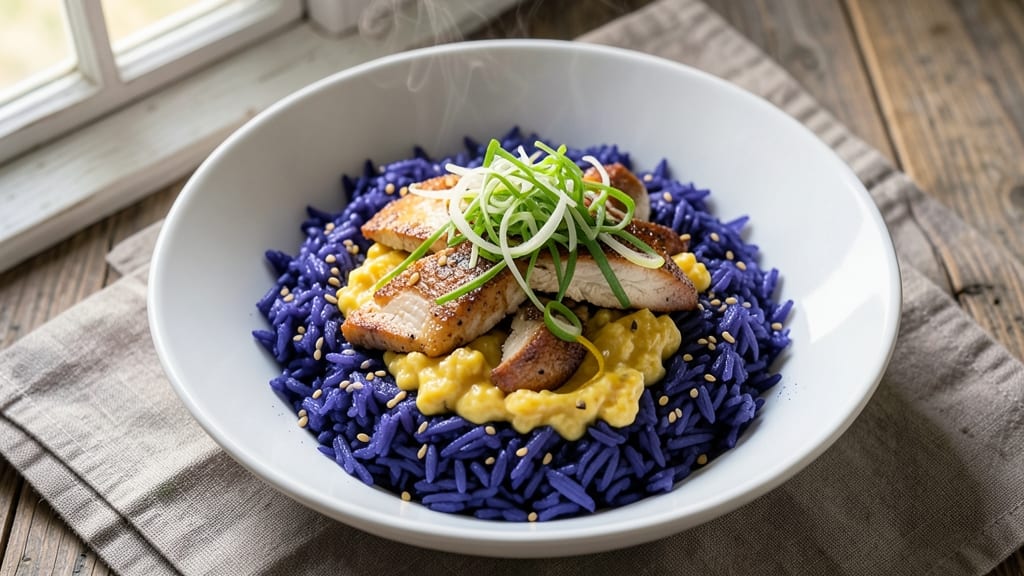
This blue fried rice recipe transforms a classic comfort dish into a visually stunning, one-pan creation that’s as delicious as it is beautiful. The secret lies in butterfly pea tea, which shifts from purple to vibrant blue when cooked—adding a magical touch to every bite.
Perfect for brunch, lunch, or dinner, this recipe balances rich, eggy goodness with the bright pop of blue for an unforgettable meal.
With just 15 minutes of active prep and a single pan, you’ll achieve restaurant-quality results without the fuss. The technique is simple: stir-fry the rice with protein, then fold in the blue-infused sauce for that signature color and flavor.
Garnish with green onions and sesame seeds for contrast, and watch your dish become the centerpiece of any table. Ready to impress with minimal effort?
Ingredients for blue fried rice
Butterfly pea tea transforms ordinary fried rice into a visually stunning dish with vibrant blue hues.
| Ingredient | Amount | Notes |
|---|---|---|
| Day-Old Cooked White Rice 🍚 | 4 cups | Cold or room temperature preferred |
| Butterfly Pea Tea Powder 🌸 | 2 tbsp | For vibrant blue color transformation |
| Large Eggs 🥚 | 4 whole | Freshly beaten for rich eggy texture |
| Chicken Breast 🍗 | 1 lb | Boneless, skinless, thinly sliced |
| Green Onions 🧅 | ½ cup | Sliced thin for garnish and freshness |
| Sesame Seeds 🌾 | 1 tbsp | Toasted lightly for nutty aroma |
| Vegetable Oil 🫒 | 2 tbsp | High smoke point for stir-frying |
| Soy Sauce 🥢 | 3 tbsp | Low-sodium preferred for balance |
| Garlic Cloves 🧄 | 4 cloves | Minced finely for aromatic depth |
| Salt 🧂 | ½ tsp | Kosher or sea salt for seasoning |
| Black Pepper 🌶️ | ¼ tsp | Freshly ground for subtle heat |
| Sesame Oil 🫒 | 1 tsp | For finishing aroma (optional) |
The butterfly pea tea powder is the star here—look for high-quality, food-grade powder from specialty stores or online retailers like Amazon or Penzeys. It’s non-toxic and safe for cooking, but if you can’t find it, spirulina powder works as a backup (though the color will be green). The rice needs to be day-old for best texture—freshly cooked rice turns mushy. For protein, chicken breast is ideal, but shrimp or tofu work beautifully too. Just ensure it’s thinly sliced or diced for even cooking. If you’re using pre-cooked rice, spread it on a tray and let it cool completely before using.
No butterfly pea tea? Blue spirulina or a few drops of food coloring can mimic the effect, though the flavor won’t be as subtle. Swap chicken for shrimp or firm tofu—just adjust cooking time accordingly. For extra richness, add a splash of coconut milk to the sauce. Sesame seeds can be omitted if you’re avoiding nuts, but toasted poppy seeds add a nice contrast. The soy sauce can be substituted with tamari for gluten-free or a mix of hoisin and a touch of honey for sweetness. If you’re short on time, pre-minced garlic from a jar works, but fresh is always better.
Store leftover fried rice in an airtight container for up to 3 days in the fridge. For longer storage, freeze portions for up to 3 months. The blue color fades slightly over time, but the flavor stays rich. To reheat, use a skillet with a splash of water or oil to restore crispiness. Garnish with extra green onions and sesame seeds right before serving—this adds freshness and visual appeal. If making ahead for a crowd, prepare the rice and protein separately, then combine just before serving to keep everything vibrant.
Why You'll Love This Recipe
- I’ll be real: this recipe uses simple stuff you probably already have. Day-old rice? Perfect. Cheap chicken breast? Check. That butterfly pea powder? A one-time buy that lasts forever. It’s the kind of meal that turns $10 into a full dinner without breaking a sweat.
- No-Chop Night Saver: I swear by this when I’m too tired to slice anything—just shred leftover chicken, scramble eggs, and toss it all with cold rice and that vibrant butterfly pea powder. The magic happens in the pan, not the prep.
- Color That Tastes Better: Honestly, the blue hue alone makes it feel special, but the flavor? It’s where it shines—savory chicken, slightly crispy eggs, and that earthy tea powder giving it a depth you won’t find in regular fried rice. (Yes, even my picky husband asks for seconds.)
- Lunchbox Hero: Between us, this is my go-to for meal prep. Pack it in containers, and the colors stay bold—kids love the "blue rice," and it reheats like a dream. I make a big batch on Sundays and forget about lunches all week.
Step-by-step instructions for blue fried rice
Here's how to transform simple ingredients into a striking blue fried rice with perfect texture and vibrant color.
Prepare the Chicken and Seasoning
Slice the 1 lb chicken breast into thin, even strips about ¼-inch thick. I use a sharp chef's knife and cut against the grain for maximum tenderness. Place the chicken in a bowl and toss with 3 tbsp soy sauce, 0.5 tsp salt, and 0.25 tsp black pepper. Let it marinate for 15-20 minutes at room temperature while you prepare the rest.
This marinade ensures the chicken stays juicy during cooking and infuses it with flavor. Don't skip the resting time—cold chicken takes longer to cook evenly and can turn rubbery. While the chicken marinates, finely mince the 4 cloves garlic and slice the 0.5 cup green onions into thin rounds. Keep these separate for later use.
Mix the Butterfly Pea Tea Powder with Rice
In a large mixing bowl, combine the 4 cups day-old cooked white rice with the 2 tbsp butterfly pea tea powder. Use a fork or your hands to distribute the powder evenly throughout the rice. The rice should take on a pale blue hue immediately—this is your visual cue that the color transformation is working. If the rice looks unevenly colored, break up any clumps and mix again.
I like to press the rice gently between my fingers to ensure the powder adheres well. This step is crucial for achieving that signature blue color throughout every bite. Don't worry if the rice doesn't turn completely blue—some grains will show more color than others, but the overall effect will be stunning.
Cook the Chicken Until Fully Done
Heat 2 tbsp vegetable oil in a large skillet or wok over medium-high heat until shimmering. Add the marinated chicken in a single layer and cook undisturbed for 2-3 minutes until the edges turn opaque. Flip the chicken and cook for another 2-3 minutes until it reaches an internal temperature of 165°F and is no longer pink in the center.
Remove the chicken from the skillet and set it aside on a plate. The chicken should be cooked through but still retain moisture—overcooking will make it dry. Keep the skillet on the heat as you'll use it for the next steps. Here's where it gets fun: the chicken will continue cooking slightly when you add it back to the rice, so don't worry about perfect doneness at this stage.
Scramble the Eggs and Combine Ingredients
Return the skillet to medium heat (not high—you want to cook the eggs gently) and add the 4 whole large eggs. Let them sit for 5-10 seconds before gently scrambling with a spatula, folding the eggs as they set. Cook until the eggs are just set but still slightly runny—this creates that signature creamy texture in fried rice.
Push the eggs to one side of the skillet and add 1 tbsp vegetable oil to the empty space. Toss in the minced 4 cloves garlic and cook for 30 seconds until fragrant. Then add the colored rice and stir-fry for 2-3 minutes until the rice is heated through and begins to crisp slightly at the edges. Add the cooked chicken back to the skillet and mix everything together.
Finish with Aromatics and Garnish
Cook for another 1-2 minutes until the rice is heated through and the flavors have melded together. Taste and adjust seasoning if needed—you might want to add a splash of water or more soy sauce to balance the flavors. Remove the skillet from heat and stir in the 1 tbsp sesame seeds and 0.5 cup green onions. For an extra aromatic touch, drizzle with 1 tsp sesame oil just before serving.
This dish is best served immediately while the rice is hot and the colors are at their peak. The blue hue will fade slightly as it cools, but the flavor and texture remain excellent. For an extra presentation touch, serve in a large platter and garnish with additional green onions and sesame seeds. Each bite delivers a perfect balance of protein, rice, and vibrant color that's as beautiful as it is delicious.
Pro Tips For Making Blue Fried Rice
- CHOP CHICKEN SMALL: I learned this the hard way—big chunks of chicken breast stay chewy no matter how long you cook them. Dice it into ½-inch cubes or smaller, so they cook fast and absorb the blue color evenly. (Yes, even if you’re impatient like me, resist the urge to rush this.)
- STIR-FRY RICE HOT: Cold rice turns mushy when you toss it in. Heat your wok or pan until it’s smoking hot before adding the day-old rice—this reactivates the starch and gives you that perfect separate-grain texture. Skip this, and you’ll end up with a gluey mess.
- SALT THE EGG WATER: Crack your eggs into a bowl first, then add a pinch of salt and a splash of water before scrambling. The salt keeps the eggs tender, and the water prevents them from sticking to the pan like glue. (Your future self will thank you.)
- DISTRIBUTE THE BLUE: Don’t dump all the butterfly pea powder at once—sprinkle it in stages as you stir. This guarantees even color without turning your rice into a sad, muddy blue blob. Start with half the powder, taste, then adjust.
Pro cooking tips for this recipe
Heat Control Mastery
Stir-frying blue fried rice requires precise heat control—start with medium-high heat for the chicken to ensure it sears quickly without drying out. I use a 12-inch cast-iron skillet (like Lodge) because it retains heat beautifully.
Once the chicken is cooked, reduce to medium heat for the eggs—they should cook gently to maintain that creamy, slightly runny texture. Overheating turns eggs rubbery, so keep an eye on the pan. 🔥
Rice Texture Secrets
Day-old rice is non-negotiable for this recipe—fresh rice releases too much moisture and turns mushy. Spread cooked rice on a tray to cool completely before mixing with butterfly pea tea powder. For extra crispiness, stir-fry the rice for 2-3 minutes after adding it to the pan.
This creates those delicious toasted edges while keeping the center tender. If your rice lacks texture, add ½ tsp sugar to the stir-fry for a subtle caramelization.
Color Transformation Tips
The butterfly pea tea powder works its magic when mixed thoroughly with the rice. Use a fork to break up any clumps and press the rice gently to distribute the powder evenly.
For an even deeper blue, add 1 tsp lemon juice to the rice mixture—the acidity enhances the color change. If the rice doesn't turn blue enough, don't worry: the final dish will still look stunning, especially with the contrasting green onions and sesame seeds.
Egg Cooking Technique
Scrambling the eggs at medium heat is key—they should be just set but still slightly soft when you fold them into the rice. I like to use a heat-resistant silicone spatula to gently fold the eggs as they cook.
For extra richness, add a splash of coconut milk (about 1 tbsp) to the eggs before scrambling. This adds a subtle creaminess that complements the blue hue beautifully.
Protein Timing Tricks
Cook the chicken until it's 165°F internal temperature but still juicy—it will finish cooking when mixed with the hot rice. For faster cooking, slice the chicken ¼-inch thick against the grain.
If using shrimp, cook it separately until just pink (about 1-2 minutes per side) and add it back at the very end to keep it tender. The chicken should be fully cooked but not overdone—this ensures every bite is moist and flavorful. ✨
Nutrition facts
Frequently asked questions
Why does the blue fried rice turn purple first?
The butterfly pea tea starts purple but transforms to blue when exposed to heat or acidic ingredients like lemon juice. This natural pH reaction creates the vibrant blue color you see in the finished dish. The transformation happens during cooking, so don't worry if your rice looks purple at first—it will change beautifully!
Can I make this recipe without chicken?
Swap the chicken for 1 lb shrimp (peeled and deveined) or 1 block firm tofu (pressed and cubed). For shrimp, cook for 1-2 minutes per side until just pink, then add to the rice. For tofu, pan-fry until golden brown before combining. Both options work perfectly with the blue hue and eggy richness.
Will the blue color fade when reheating?
Yes, the vibrant blue may darken slightly when reheated, but the flavor stays delicious. To preserve the color, store leftovers in an airtight container and reheat gently in a skillet with a splash of water. The blue hue will return to its peak when served fresh from the pan. For best results, serve immediately after cooking.
How do I get crispy edges on the fried rice?
Use day-old rice (never fresh) and stir-fry it for 2-3 minutes after adding to the pan. High heat and proper rice texture are key. For extra crunch, add ½ tsp sugar to the stir-fry—it caramelizes slightly, creating those perfect toasted edges while keeping the center tender. A well-seasoned wok or cast-iron skillet helps too!
What if I can't find butterfly pea tea?
Try blue spirulina powder (though it'll be greenish-blue) or a few drops of natural blue food coloring (like butterfly pea extract). For a more natural look, blend blueberries or purple cabbage juice (strain well) and mix with the rice. The flavor won't be identical, but the visual effect will still impress!