
Main Courses
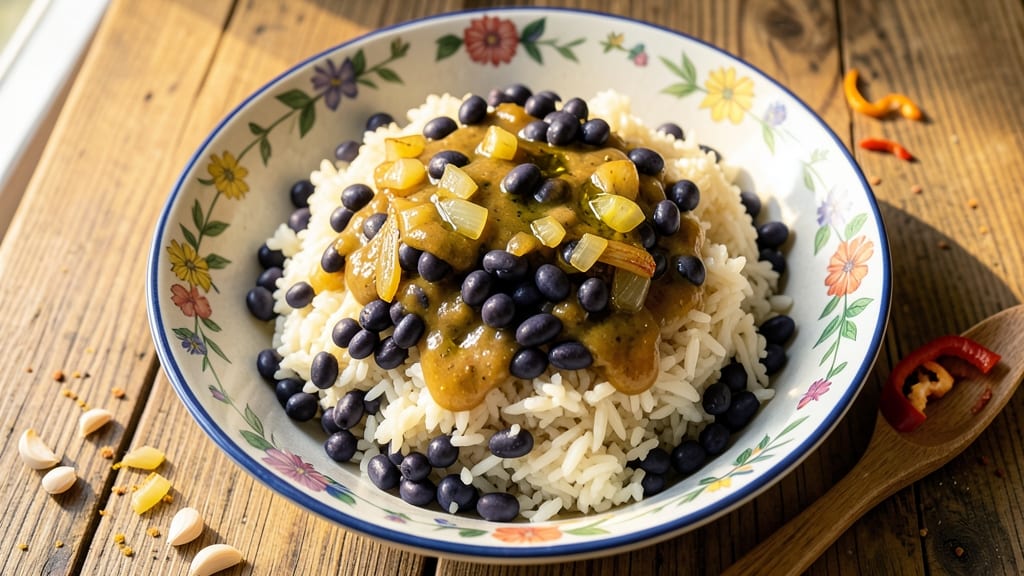
This blue pea rice recipe transforms humble ingredients into a vibrant, nutty dish that captures the heart of Caribbean cooking. The secret lies in soaking the peas overnight to eliminate bitterness while preserving their earthy depth—no shortcuts here.
Sautéed garlic, thyme, and scotch bonnet pepper build layers of flavor that infuse every grain, creating a dish that’s both comforting and complex.
What you’ll end up with is perfectly tender rice with a rich, golden hue and a taste that’s impossible to resist—savory, slightly sweet, and aromatic. The texture is just right: firm yet fluffy, with each bite offering a satisfying contrast.
Serve it alongside fried plantains or a crisp coleslaw for a meal that feels like a celebration. Let’s get started.
Ingredients for blue pea rice
Earthy blue peas meet aromatic rice in this vibrant, nutty Caribbean-inspired dish.
| Ingredient | Amount | Notes |
|---|---|---|
| Blue Peas (Gungo Peas) 🌱 | 1 cup | Dried, soaked overnight |
| Long-Grain White Rice 🍚 | 2 cups | Uncooked, jasmine preferred |
| Extra-Virgin Olive Oil 🫒 | ¼ cup | For sautéing aromatics |
| Yellow Onion 🧅 | 1 whole | Diced, medium size |
| Garlic Cloves 🧄 | 4 cloves | Minced, fresh preferred |
| Scotch Bonnet Pepper 🌶️ | 1 whole | Seeds removed, finely chopped |
| Fresh Thyme Leaves 🌿 | ¼ cup | Chopped, stems removed |
| Vegetable Bouillon Cube 💧 | 1 whole | Dissolved in 1 cup water |
| Fresh Cilantro 🌿 | 0.15 cup | Chopped, for garnish |
| Lime 🍋 | 1 whole | Juiced, for brightness |
| Sea Salt 🧂 | 1 ½ tsp | Diamond Crystal preferred |
| Black Peppercorns 🌶️ | ½ tsp | Freshly ground |
| Bay Leaf 🍃 | 1 whole | For depth of flavor |
| Water 💧 | 3 ½ cups | Filtered preferred |
The blue peas are the star—Caribbean Market or specialty Latin stores carry the best quality. Look for peas that are uniformly dark blue and free of debris. Soaking overnight in 4 cups water with a pinch of salt removes bitterness while preserving their signature earthy flavor. Don't skip this step; it's what transforms these humble peas into something extraordinary. For the rice, jasmine or basmati varieties work best—their long grains maintain texture through the cooking process. If you can't find blue peas, black-eyed peas or lentils can substitute, though the flavor will differ slightly.
Scotch bonnet peppers bring the heat—adjust seeds based on your tolerance. Fresh thyme is non-negotiable here; dried won't provide the same aromatic punch. The vegetable bouillon cube should be low-sodium to control seasoning balance. For extra depth, toast the whole spices (thyme, bay leaf) in olive oil for 30 seconds before adding to the pot. The lime should be freshly juiced—Mexican Key limes if available, but regular limes work fine. No fresh thyme? Dried at one-third the amount, but it won't be the same. The garlic should be minced finely—no large chunks—to distribute flavor evenly throughout the dish.
This rice keeps beautifully for 4-5 days in the fridge, with flavors deepening over time. Portion into airtight containers for easy reheating—microwave with a splash of water to restore moisture. For longer storage, freeze portions for up to 3 months. The blue peas can be pre-soaked and stored in the fridge for up to 2 days before cooking. Make a double batch—the leftovers make fantastic rice bowls or tacos the next day. The lime juice should be added fresh before serving to maintain maximum brightness.
Why You'll Love This Recipe
- No-Fuss Staple: Honestly, this takes less effort than ordering takeout. Sauté the onions and garlic in olive oil, toss in the blue peas and rice, add water—boom. Thirty minutes later, you’ve got a flavorful bowl without a single pan to scrub.
- Earthy-Garlicky Magic: That first bite? The blue peas add a nutty depth, while the garlic and olive oil give it a rich, almost Mediterranean twist. It’s the kind of dish that makes you go, "Wait, this is my new favorite?"
- Lunchbox Hero: Between us, this keeps perfectly for days—cold or reheated. Pack it for work, toss it in a thermos, or serve it at a potluck. The texture stays firm, and the flavor only gets better as it sits.
- Budget Bright Spot: Blue peas are cheap, rice is cheaper, and you’re using pantry basics. I’ve made this for under $2 a serving, and it still feels like a special meal. (Yes, even on a Tuesday night.)
Step-by-step instructions for blue pea rice
Transform simple ingredients into a vibrant, aromatic blue pea rice dish with balanced earthy and nutty notes.
Prepare the Blue Peas and Soak the Rice
Rinse the 1 cup of blue peas (gungo peas) thoroughly under cold water to remove any debris. Place them in a bowl and cover with 4 cups of water (not the 3.5 cups from the recipe). Let them soak overnight in the refrigerator—this reduces cooking time and enhances their natural nuttiness. The peas should be fully submerged.
For the rice, rinse the 2 cups of long-grain white rice under cold water until the water runs clear. This removes excess starch that would make the rice gummy. Drain well and set aside in a separate bowl. The rice and blue peas will cook together, creating a harmonious blend of textures and flavors.
Sauté Aromatics for Flavor Foundation
Heat the 0.25 cup of extra-virgin olive oil in a large pot over medium heat. Add the diced 1 whole yellow onion and cook for 5 minutes, stirring occasionally, until softened and translucent. Add the 4 cloves of minced garlic cloves and the finely chopped 1 whole Scotch bonnet pepper (seeds removed), cooking for another 2 minutes until fragrant.
Stir in the chopped 0.25 cup of fresh thyme leaves and the 1 whole bay leaf. Cook for 30 seconds until the thyme releases its aromatic oils. This aromatic base forms the flavor foundation for the entire dish—don't rush this step as it develops the complex earthy notes that define blue pea rice.
Combine Ingredients and Simmer
Add the drained blue peas and rice to the pot, stirring to coat them evenly with the aromatic oil. Pour in the 3.5 cups of water and add the dissolved 1 whole vegetable bouillon cube (previously dissolved in 1 cup of hot water). Sprinkle over the 1.5 tsp of sea salt and 0.5 tsp of freshly ground black peppercorns, stirring well to distribute the seasoning evenly.
Bring the mixture to a boil over high heat, then immediately reduce heat to low. Cover the pot with a tight-fitting lid and let it simmer for 25 minutes. Avoid stirring during this time—it allows the rice and peas to absorb the liquid evenly and develop their flavors without breaking the grains.
Rest and Finish with Brightness
Once the 25 minutes are up, turn off the heat and let the rice sit covered for 10 minutes. This resting period allows the steam to redistribute, ensuring each grain is perfectly cooked and the flavors meld together. The rice should be tender with a slight bite, and the blue peas should be soft but still hold their shape.
After resting, fluff the rice gently with a fork. Stir in the juice of 1 whole lime and the chopped 0.15 cup of fresh cilantro, reserving a few sprigs for garnish. Taste and adjust seasoning if needed—this is where you can balance the dish's earthy flavors with a touch of acidity and freshness.
Pro Tips For Making Blue Pea Rice
- SOAK THE PEAS FIRST: Blue peas need a head start—soak them in warm water for at least 30 minutes before cooking. I learned this after my first batch turned out mushy; the soak softens their tough skins and keeps the texture just right.
- SWEAT THE ONIONS LOW AND SLOW: Crank the heat down to medium-low when cooking the onions—you’re not searing, you’re melting. After burning two batches, I finally realized high heat turns them bitter before they even caramelize.
- USE THE RIGHT RICE RATIO: Stick to 1 part blue peas to 1.5 parts rice, no matter how much you love leftovers. Too much rice drowns the peas’ earthy flavor, and too little leaves you scraping the pot.
- TOAST THE GARLIC LAST: Add the minced garlic only after the onions are golden and fragrant—about 2 minutes before the rice goes in. I was skeptical until I tried it: it keeps the garlic from burning while letting its aroma shine through.
Make-ahead tips for leftovers
Prep Ahead for Flavor
Soak the 1 cup blue peas in 4 cups water overnight—they’ll absorb moisture and lose bitterness. Store them in an airtight container in the fridge for up to 2 days before cooking. This step is non-negotiable for that signature nutty flavor. 🌱
Rice and Pea Prep
Rinse the 2 cups jasmine rice and drain well, then store in a sealed container with the pre-soaked peas. Keep them together in the fridge until ready to cook—this keeps the peas hydrated and ready to go.
I like to prep this the night before so I can wake up to flavors already melding.
Flavor Base Prep
Chop all your aromatics—onion, garlic, scotch bonnet, thyme—and store them in separate containers in the fridge. When you’re ready to cook, simply sauté them fresh in the 0.25 cup olive oil for that perfect aromatic punch.
Prepping these ahead saves 15 minutes of chopping during the actual cooking process.
Storage Solutions
Cooked blue pea rice keeps beautifully for 4-5 days in the fridge. Store it in airtight containers with a sprinkle of lime juice to maintain freshness. For longer storage, freeze portions for up to 3 months.
When reheating, add a splash of water to restore moisture—microwave on medium heat for even warming.
Double Batch Magic
Make a double batch and use the leftovers for creative meals. The rice makes amazing rice bowls with black beans and avocado, or tacos with lime crema.
The flavors actually deepen overnight, making it even more delicious the next day. Trust me, you’ll want to cook this twice in one week! 💛
Freezer-Friendly Tips
Portion cooled rice into quart-sized freezer bags with a 1-inch headspace for expansion. Label with the date—it’ll stay fresh for 3 months. When ready to eat, thaw overnight in the fridge or reheat directly from frozen with 1 extra minute of cooking time.
The texture stays perfect if handled gently.
Nutrition facts
Frequently asked questions
Why do I need to soak blue peas overnight?
Soaking removes bitterness while enhancing their natural nutty flavor. The peas absorb moisture, reducing cooking time and preventing a mushy texture. Skipping this step results in a stronger, less pleasant taste—worth the wait!
Can I substitute Scotch bonnet pepper?
Yes! Use 1 habanero (seeds removed) or 1 tablespoon hot paprika for milder heat. For no heat, omit it entirely—the dish still tastes amazing. Adjust to your spice tolerance, but the pepper adds depth that's hard to replicate.
What's the best way to reheat leftovers?
Add 1-2 tablespoons water per cup of rice, cover, and microwave on medium heat for 2-3 minutes. Stir halfway to distribute moisture. For stovetop, use a low heat with a splash of water—never high heat to avoid drying. The texture suffers if overcooked!
How do I make this vegan?
This recipe is already 100% plant-based! Just confirm your bouillon cube is vegan (check for chicken/beef broth). All other ingredients are naturally vegan. For extra protein, serve with black beans or tofu. The dish's richness comes from the peas and spices, not animal products.
Can I use brown rice instead?
Technically yes, but brown rice needs 45-50 minutes cooking time (vs 25 for white). The texture will be chewier, and the peas may overcook. If you try it, use 1:2 rice-to-water ratio and check at 30 minutes. The flavor works, but the method differs significantly.