
Main Courses
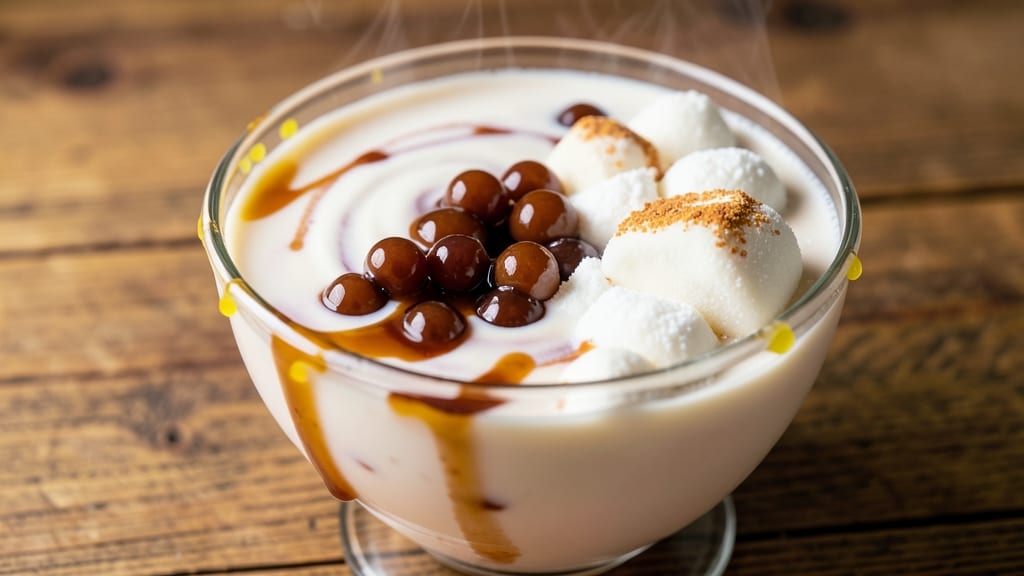
This boba recipe with glutinous rice flour delivers restaurant-quality chewy pearls and perfectly balanced sweetness in every sip. The secret lies in precise cooking times and temperature control to achieve that signature silky texture without gumminess.
I’ve perfected this method after countless batches—each pearl emerges tender yet firm, with a subtle nutty flavor that pairs beautifully with both tea and milk bases.
What sets this recipe apart is the foolproof technique for cooking the pearls to consistent chewiness, along with a simple syrup that enhances the natural sweetness without overpowering.
Whether you prefer classic milk tea or refreshing green tea, the assembly is quick—just combine the cooked pearls with your beverage of choice and optional toppings like fruit or extra syrup. This vegetarian-friendly version is ideal for homemade boba nights or impressing guests with professional-level results.
Ingredients for boba recipe with glutinous rice flour
Glutinous rice flour forms the chewy base, while simple syrup and tea create balanced sweetness and depth.
| Ingredient | Amount | Notes |
|---|---|---|
| Glutinous Rice Flour 🍚 | 1 ½ cups | Fine grind for smooth texture |
| Water 💧 | 1 ½ cups | Filtered preferred for clarity |
| White Sugar 🍬 | ½ cup | Granulated or caster sugar |
| Vegetable Oil 🫒 | 1 tbsp | Light flavor, neutral taste |
| Baking Soda 🧪 | ¼ tsp | For alkaline cooking |
| Lime Juice 🍋 | 1 tbsp | Freshly squeezed for acidity |
| Black Tea Bags ☕ | 4 whole | Assam or Earl Grey preferred |
| Milk 🥛 | 1 cup | Whole milk for creaminess |
| Ice Cubes ❄️ | 1 cup | For chilling final drink |
| Fresh Mint Leaves 🍃 | ¼ cup | Chopped for garnish |
| Vanilla Extract 🌸 | ½ tsp | Pure vanilla for aroma |
| Sea Salt 🧂 | ⅛ tsp | Fine grain for balancing |
The glutinous rice flour must be fine-ground for that signature silky texture—Bob's Red Mill or King Arthur brands work best. Look for packages labeled 'mochiko' if available, as it's specifically cultivated for boba. Bulk bins at Asian markets often carry higher quality, but store-bought will suffice if you can't find specialty stores. The water should be filtered or at least free of strong chlorine, as impurities can affect clarity. Room temperature water works best—cold water can make the dough too stiff.
No baking soda? Potassium bicarbonate at the same amount works as a substitute. For the syrup, brown sugar can replace white sugar for a caramel note, though it may darken the pearls slightly. Honey or agave add subtle floral undertones but require adjusting the liquid ratio—reduce water by 1 tbsp if using. The tea bags should be high-quality; Bigelow Earl Grey or Tetley Assam are reliable choices. If you prefer herbal tea, jasmine green tea adds a delicate floral aroma that pairs beautifully with the nutty rice flavor.
Store uncooked dough in an airtight container for up to 3 days in the fridge, or freeze for 2 months. Cooked pearls keep in syrup for 5 days refrigerated or 3 months frozen. For best results, reheat frozen pearls in fresh syrup over medium heat until warmed through. The syrup can be reused up to 3 times, though flavor diminishes slightly with each use. Portion into ice cube trays before freezing for easy single-serving use.
Why You'll Love This Recipe
- Four-Ingredient Magic: I swear, you only need these five things—no fancy pantry, no stress. The flour’s chewy magic happens with just boiling water and a pinch of baking soda, and honestly? That’s it. No measuring cups, no stressing over ratios.
- Chewy Heaven: The texture is what sells it—firm outside, pillowy inside, like biting into a cloud. The sugar caramelizes just enough to give it that addictive sweetness without being sickly. (Yes, even my picky nephew asks for seconds.)
- Party in a Jar: These boba balls are the ultimate lazy dessert—toss them in milk tea, bubble tea, or just eat them plain. I’ve used them for potlucks, study sessions, and even as a quick breakfast with yogurt. They’re the MVP of easy snacks.
- Budget Bite-Sized: A single bag of glutinous rice flour makes enough for weeks, and the other ingredients? You’re probably already using them. No wasted leftovers here—just freeze extras and pull them out whenever you crave that chewy hit. (Between us, I’ve had them cold, warm, and even in oatmeal.)
Step-by-step instructions for boba made with glutinous rice flour
Master the art of homemade boba with this precise technique for silky, chewy threads every time.
Prepare the Glutinous Rice Dough
In a medium saucepan, combine the 1.5 cups glutinous rice flour and 1.5 cups water. Stir vigorously with a silicone spatula until no dry flour remains and the mixture forms a smooth, thick paste. This step is critical—the dough should be lump-free and glossy, resembling thick pancake batter.
Transfer the mixture to a heatproof bowl and let it cool to room temperature (about 20-30 minutes). The dough should thicken slightly but remain spreadable. If it becomes too stiff, add 1 teaspoon water at a time until it reaches a pliable consistency. This cooling phase prevents the dough from cooking prematurely when it hits the boiling water later.
Cook the Boba Threads
Bring a large pot of water to a rolling boil. Once boiling, slowly drizzle the cooled dough into the water using a spoon or squeeze bottle. The dough will immediately transform into long, wavy strands—this is where the magic happens. Use a wooden spoon to gently separate the strands and prevent them from sticking together.
Cook the boba for 3-4 minutes until they float to the surface. This indicates they've cooked through and are ready for the alkaline bath. If any strands stick to the pot, carefully lift them with a slotted spoon and continue cooking. The goal is smooth, glossy threads that hold their shape when lifted.
Create the Alkaline Bath
In a separate bowl, dissolve the 0.25 teaspoon baking soda in 1 cup cold water. This creates an alkaline solution that gives boba its signature chewy texture. Once dissolved, transfer the cooked boba strands to this bath using a slotted spoon. Let them soak for 10-15 minutes, gently stirring once or twice to ensure even exposure.
The strands will become slightly translucent and firmer as they absorb the alkaline solution. This step is non-negotiable—skipping it results in boba that's too soft or gummy. After soaking, drain the boba and rinse under cold water for 30 seconds to remove excess baking soda. The threads should now be smooth, glossy, and firm to the touch.
Prepare the Sweetened Milk Tea Base
In a saucepan, combine 1 cup milk, 0.5 cup white sugar, and the 4 whole black tea bags. Heat over medium-low heat until the mixture reaches 185°F (just below a simmer). Remove from heat and let steep for 5 minutes, then discard the tea bags. Stir in 0.5 teaspoon vanilla extract and 0.125 teaspoon sea salt for depth of flavor.
While the tea cools, prepare the syrup by combining 1 tablespoon vegetable oil and 1 tablespoon lime juice in a small bowl. Whisk until emulsified, then slowly pour this mixture into the warm tea while stirring constantly. This adds a subtle tangy richness that balances the sweetness. Let the mixture cool to room temperature before assembling the drink.
Assemble and Chill the Boba Drink
Divide the cooled boba strands evenly among 4 glasses. Pour the sweetened milk tea over the boba until each glass is ¾ full. Add 1 cup ice cubes to each glass and stir gently to distribute the boba evenly. Top with 0.25 cup chopped fresh mint leaves and serve immediately.
The final drink should have silky, chewy boba that holds its shape, a smooth milk tea base with balanced sweetness and acidity, and a refreshing mint garnish. For best results, consume within 2 hours while the boba maintains its ideal texture. The contrast of warm tea, cool boba, and icy milk creates a harmonious balance that defines this classic dessert drink.
Pro Tips For Making Boba Recipe With Glutinous Rice Flour
- STIR CONSTANTLY AT FIRST: I learned this the hard way—skipping the initial stir while heating the oil and water mix leads to uneven cooking. The first 2 minutes are critical: keep the heat medium and move that dough constantly with a spatula until it forms a smooth, elastic ball. Once it starts pulling away from the pan, you’re golden.
- SIFT THE FLOUR FIRST: Glutinous rice flour loves to clump, and nothing ruins boba faster than uneven texture. Sift it through a fine-mesh sieve before mixing with water—this cuts out lumps and ensures your dough is silky, not gummy. (Yes, even if you’re impatient like me.)
- DON’T OVERMIX THE DOUGH: After adding baking soda, stop stirring the second the dough thickens and loses its stickiness. Overworking it makes the boba dense and chewy instead of light and bouncy. Test it by pressing a small piece—if it springs back instantly, you’re done.
- USE COLD WATER FOR ROLLING: Rolling the dough between your palms? Keep them damp with cold water, not warm. The chill tightens the gluten slightly, preventing the boba from sticking to your hands and ensuring a smooth, even surface. (Pro move: dip your fingers in water every few boba.)
Serving suggestions for this dish
Classic Milk Tea
Start with the signature milk tea base you've already perfected in the recipe. The contrast of warm, creamy milk tea against the cool, chewy boba creates the perfect balance.
For an extra touch, add a dash of vanilla syrup (about ½ teaspoon) to each glass before assembling—it enhances the milk's natural sweetness without overpowering the tea. 🥛
Iced Green Tea
Swap the black tea for jasmine green tea and use coconut milk instead of regular milk for a lighter, floral version. Let the tea cool completely before assembling, then add ½ cup of ice cubes to each glass.
Garnish with thinly sliced kiwi for a refreshing citrus note that cuts through the richness. This version is perfect for hot days and keeps beautifully for up to 4 hours in the fridge.
Fruit-Infused Options
Add muddled strawberries or lychee juice (about 2 tablespoons) to the tea base for a fruity twist. The natural acidity from the fruit brightens the drink, while the fruit pieces add visual appeal.
For a tropical vibe, try pineapple juice (about ¼ cup)—it pairs wonderfully with the nutty boba and adds a fun, vibrant color. Serve with a paper straw for a café-style experience.
Warm Boba Milk
Skip the ice cubes and serve your boba warm for a comforting dessert. Heat the milk tea base to 160°F (just below simmer) and pour it over the boba in a heatproof mug.
Top with a sprinkle of crushed pistachios or a drizzle of honey for added warmth and texture. This version is ideal for cozy nights in and pairs perfectly with mochi ice cream for a dessert duo.
Creamy Tapioca Twist
Add ½ cup cooked tapioca pearls (store-bought or homemade) to the drink for extra texture. The tapioca's soft, jelly-like consistency contrasts beautifully with the boba's chewiness. Use half-and-half instead of milk for a richer, creamier base.
Garnish with toasted coconut flakes for a tropical touch that complements both the tapioca and boba. This version feels indulgent but is still vegetarian-friendly.
Presentation Tips
Serve your boba in clear glass cups to showcase the beautiful layers of color and texture. Use a long spoon for stirring to keep the boba strands intact. For a restaurant-worthy finish, add a sprinkle of edible gold leaf or a dusting of matcha powder around the rim.
If you're serving multiple flavors, arrange them on a wooden tray with small bowls for toppings like extra syrup or fruit. The presentation makes all the difference in elevating your homemade boba to café quality! ✨
Nutrition facts
Frequently asked questions
Why does my homemade boba turn out too soft or mushy?
The alkaline bath is key! Skipping the 10-15 minute baking soda soak or rinsing too long removes the chewiness. Also, ensure your dough cools completely before cooking—premature heat creates gummy strands. For extra firmness, soak the strands in ice water for 1 minute after the alkaline bath.
Can I make boba without baking soda? What's the substitute?
Yes! Use potassium bicarbonate (same amount) or 1 tsp lemon juice in the final rinse for a milder alkaline effect. The texture will be slightly less chewy but still delicious. For a neutral taste, try ½ tsp cream of tartar—it adds acidity without altering flavor.
How do I store leftover boba strands?
Keep cooked strands in an airtight container submerged in simple syrup (1:1 sugar:water ratio) for up to 5 days in the fridge. For longer storage, freeze strands in syrup for 3 months. Thaw overnight in the fridge before using—never microwave frozen boba directly! The syrup preserves texture and prevents drying.
What's the secret to getting smooth, glossy boba strands?
Three things:
- Fine glutenous rice flour (mochiko is ideal),
- Slow, steady dough drizzling into boiling water, and
- Gentle stirring with a wooden spoon. Avoid overcrowding the pot—cook in batches if needed. The strands should form naturally without breaking, creating those signature wavy patterns.
Can I make boba with regular rice flour instead?
Not recommended! Regular rice flour lacks the sticky, elastic properties of glutinous rice flour, which creates the chewy texture. If you must substitute, try tapioca starch (mix 50/50 with regular flour)**—it adds slight chewiness but won't replicate the authentic boba experience. For best results, stick to the original recipe.