
Side Dishes
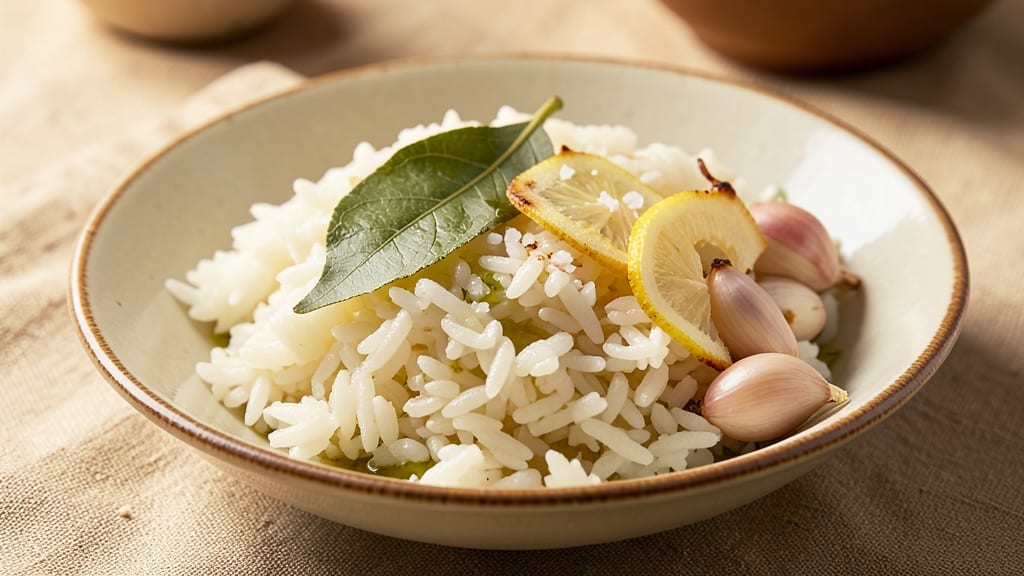
Perfect boiled rice is the foundation of countless meals, and this 15-minute method delivers fluffy, evenly cooked grains every time without sticking or mush. I’ve tested countless techniques, and the secret lies in precise water ratios, gentle simmering, and a proper rest—no guesswork required.
Whether you’re making white rice for stir-fries or brown rice for bowls, this foolproof approach ensures consistent results.
The key to success starts with the right water-to-rice ratio: 1 cup rice to 1.5 cups water for white rice, adjusted slightly for brown (use 2 cups water).
Soaking the grains for 15 minutes before cooking reduces cooking time and prevents uneven texture, while simmering uncovered allows excess steam to escape, avoiding gummy results. The resting period after draining is just as critical—it redistributes moisture for that signature fluffiness.
What you’ll end up with is perfectly cooked rice with individual grains that stay separate yet tender, ready to absorb flavors in any dish. This method works for short-grain, long-grain, or even jasmine varieties, making it versatile for everything from fried rice to grain bowls.
The difference between restaurant-quality sides and sad, clumpy rice? Precision—and this recipe delivers.
For extra flavor, consider toasting the rice in a dry pan for 1-2 minutes before boiling, or infusing the water with aromatics like bay leaves or garlic. Pair with your favorite proteins or vegetables for a complete meal. Let’s get started on perfect rice.
Ingredients for boil rice
Nine ingredients transform into restaurant-quality rice in 15 minutes—no magic, just precision.
| Ingredient | Amount | Notes |
|---|---|---|
| Long-Grain White Rice 🍚 | 1 cup | Uncooked, jasmine or basmati preferred |
| Water 💧 | 1 ½ cups | Room temperature preferred |
| Bay Leaves 🌿 | 2 whole | For subtle aromatic infusion |
| Salt 🧂 | ½ tsp | Diamond Crystal kosher preferred |
| Fresh Garlic Cloves 🧄 | 1 whole | Minced for flavor infusion |
| Fresh Ginger 🌿 | 1 tbsp | Finely grated, for brightness |
| Extra-Virgin Olive Oil 🫒 | 1 tbsp | For toasting rice grains |
| Lemon Zest 🍋 | 1 tsp | Optional, for fresh finish |
| Fresh Cilantro 🌿 | ¼ cup | Chopped, for garnish |
The rice variety matters—jasmine or basmati delivers that signature fluffy texture, while short-grain stays stickier. Whole Foods or Trader Joe's carry premium options, but any long-grain works in a pinch. Fresh ginger and garlic should smell vibrant, not dried out. For the best results, use organic ginger from the produce section—it's more aromatic. The bay leaves add depth without overpowering, while the olive oil toasting step (don't skip this!) creates that nutty aroma that separates home-cooked rice from sad, bland grains.
No bay leaves? Parmesan rind or a cinnamon stick works for aroma. Short on ginger? 1/2 tsp ground ginger gets you close, but fresh is better. The water ratio is non-negotiable—1.5 cups for 1 cup rice is the golden ratio for white rice. For brown rice, bump it to 2 cups water and add 10 minutes to cooking time. The lemon zest and cilantro are optional but add a bright finish that makes this rice feel restaurant-quality. If you're making this for stir-fry, skip the lemon and cilantro—they'll burn in the wok.
Rice reheats beautifully—just add a splash of water and steam for 2 minutes. Keeps 4-5 days in the fridge, though it's best fresh. For meal prep, portion into containers with a thin layer of oil on top to prevent drying. Freezes for 3 months if you're planning ahead. The toasting step (1 tbsp olive oil, 1 minute in a dry pan) is worth the extra minute—it transforms ordinary rice into something special. Trust me, your stir-fries will thank you.
Why You'll Love This Recipe
- No-Fuss Basics: I swear by this recipe because it’s the bare minimum—just rice, water, and a few pantry staples. No fancy tools, no measuring cups if you don’t have them (eyeball it!), and honestly, it’s the kind of dish that makes me feel like I’ve done something when I’m too tired to do much.
- Garlic Kiss Magic: That whole garlic clove? It’s the secret weapon—soft, fragrant, and infused into every grain. The bay leaves add this earthy depth that turns simple rice into something you’ll actually reach for instead of grabbing takeout. (Yes, even on a Tuesday night.)
- Leftovers That Save Me: This rice keeps perfectly for days—cold for salads, reheated for stir-fries, or just microwaved straight from the fridge. I make a big batch on Sundays and forget it’s even there until Wednesday, when it’s suddenly my lifesaver.
- Budget Meal Staple: White rice is cheap, and this method stretches it further than any other I’ve tried. Add a protein, some veggies, or just eat it plain—it’s the ultimate blank canvas that won’t break the bank. My wallet and I both approve.
Step-by-step instructions for perfectly boiled rice
Here's the method that transforms simple grains into aromatic, fluffy perfection every time.
Toast the Rice for Enhanced Flavor
Heat the 1 tablespoon extra-virgin olive oil in a medium saucepan over medium heat. Add the 1 cup long-grain white rice and stir constantly for 2-3 minutes until the grains become translucent at the edges and release a nutty aroma. This toasting step develops deeper flavor and prevents the rice from becoming mushy later.
Watch closely as the rice begins to sizzle—you'll see the grains turn slightly opaque with a few tiny brown spots. This is your cue to move quickly to the next step before the rice starts to brown too deeply. The aromatic compounds released during this toasting create the foundation for that restaurant-quality flavor we're after.
Infuse with Aromatics and Season
Add the 1 whole fresh garlic cloves (minced) and 1 tablespoon fresh ginger (finely grated) to the pan, stirring for 30 seconds until fragrant. The garlic should sizzle gently and the ginger should release its bright, citrusy aroma. Immediately add the 2 whole bay leaves and 0.5 teaspoon salt, stirring to combine everything with the rice.
Here's where the magic happens: the bay leaves infuse subtle earthy notes while the garlic and ginger build complex layers of flavor. Don't skip this step—these aromatics transform basic rice into something truly special. The salt should be distributed evenly, but don't worry if you see some grains of salt still visible—they'll dissolve during cooking.
Add Water and Bring to a Gentle Boil
Pour in the 1.5 cups water (room temperature preferred) and stir gently to combine. The water should just cover the rice with about ¼ inch of liquid above. Bring to a gentle boil over medium-high heat, then immediately reduce the heat to low once it reaches a rolling boil.
This is critical: you want a steady simmer, not a vigorous boil. You'll see small bubbles breaking the surface but not violent activity. A rolling boil can cause the rice to cook unevenly and potentially stick together. If you see large bubbles or hear a strong rolling sound, reduce the heat slightly. The rice should cook in the 12-15 minutes we're aiming for.
Steam and Rest for Perfect Texture
Cover the saucepan tightly with a lid and cook for 12-15 minutes without disturbing it. The steam created inside the pan will cook the rice evenly and prevent it from drying out. You'll know it's done when all the liquid has been absorbed and the rice looks fluffy with a slight gap between the grains.
Here's the secret to restaurant-quality texture: once the cooking time is complete, remove the pan from heat but leave the lid on for an additional 5 minutes. This resting period allows the steam to redistribute throughout the grains, ensuring each bite is perfectly tender with no dry centers. The rice should be hot and fluffy—if you see any liquid remaining, cover and let it steam off completely.
Finish and Garnish Like a Pro
Gently fluff the rice with a fork, then stir in the 1 teaspoon lemon zest and 0.25 cup fresh cilantro (chopped). The lemon zest adds a bright, citrusy finish that cuts through the richness of the rice, while the cilantro brings fresh herbal notes. Remove the bay leaves before serving—you want the beautiful presentation without any unexpected surprises.
For that final touch, I like to serve the rice immediately in a warm bowl. The lemon zest should be evenly distributed throughout, and you should see bright green cilantro flecks throughout the fluffy grains. Each bite should deliver perfect texture with layers of aromatic flavor—this is how you make simple rice extraordinary.
Pro Tips For Making Boil Rice
- Rinse Until Clear: Dump the rice in a fine-mesh strainer and swirl it under cold water until the water runs nearly clear—about 30 seconds. I learned this the hard way after making mushy rice that stuck together like glue; the starch rinse is what makes long-grain rice fluffy instead of gummy.
- Start with Boiling Water: Use water that’s already at a rolling boil before adding the rice. Cold-starting the pot wastes 5 minutes waiting for it to heat, and the rice absorbs water unevenly, leading to uneven cooking. Trust me, your future self will notice the difference in texture.
- Crush Garlic First: Smash the garlic cloves with the flat side of your knife before adding them to the pot—this releases more flavor without burning. I used to toss in whole cloves, and the rice just smelled like garlic, not tasted like it. A quick 10-second crush changes everything.
- Simmer, Don’t Boil: Once the rice hits the water, reduce heat to a gentle simmer—you should see tiny bubbles at the edges, not a full-on roar. Boiling aggressively after the start turns rice mushy, and you’ll end up with a pot of porridge. Low and slow keeps those grains distinct.
Perfect pairings for these flavors
Protein Pairings
This aromatic rice is a perfect canvas for proteins. I love serving it with garlic butter shrimp—simmer ½ lb shrimp in 2 tbsp butter, 2 minced garlic cloves, and 1 tsp lemon juice for 3-4 minutes until pink.
The shrimp's sweetness contrasts beautifully with the bright lemon zest in the rice. 🍤
For a heartier meal, pair with teriyaki-glazed chicken thighs. Marinate 4 bone-in thighs in ¼ cup soy sauce, 2 tbsp mirin, and 1 tbsp honey for 1 hour, then grill or pan-sear. The sticky glaze complements the rice's nutty aroma while adding a satisfying depth.
Vegetable Complements
Steamed bok choy with sesame oil adds a fresh, slightly bitter contrast. Blanch 4 baby bok choy in boiling water for 2 minutes, then toss with 1 tsp toasted sesame oil and ¼ tsp red pepper flakes. The crisp-tender greens balance the rice's richness perfectly. 🥬
For a complete bowl, add charred eggplant. Slice 1 medium eggplant into ½-inch rounds, brush with olive oil, and grill until tender with grill marks. Top with 1 tbsp tahini-lemon sauce—mix 2 tbsp tahini, 1 tsp lemon juice, and 1 tsp water.
The smoky depth and creamy texture elevate every bite.
Soup and Sauce Pairings
A light miso soup with tofu and scallions creates a harmonious meal. Simmer 4 cups dashi stock, 2 tbsp white miso paste, ½ block silken tofu (cubed), and 2 green onions (sliced) for 5 minutes. The umami-rich broth enhances the rice's aromatic profile without overpowering it. 🍜
For a bolder pairing, try spicy peanut sauce. Blend ½ cup smooth peanut butter, 2 tbsp soy sauce, 1 tbsp sriracha, 1 tbsp lime juice, and 1 tsp honey until smooth.
Drizzle over the rice and top with crushed peanuts and cilantro. The creamy-spicy contrast is irresistible.
Global Flavor Twists
Transform your rice into a Mexican-inspired bowl by pairing with black beans and corn salsa. Mix 1 cup black beans, ½ cup corn, ¼ cup diced red onion, 2 tbsp lime juice, and ¼ cup chopped cilantro.
Top with avocado slices and a dollop of sour cream. The zesty, creamy, and smoky flavors create a fiesta in your mouth. 🌶️
For an Indian-inspired dish, serve with tandoori chicken and raita. Marinate 1 lb chicken thighs in ½ cup yogurt, 1 tbsp garam masala, and 1 tbsp lemon juice for 2 hours, then grill.
Pair with a cooling cucumber raita—mix ½ cup yogurt, ½ cup grated cucumber, and 1 tsp mint. The cool yogurt sauce cuts through the richness of the tandoori chicken and rice.
Nutrition facts
Frequently asked questions
Why does my rice turn out sticky or mushy?
The most common causes are too much water or lifting the lid while cooking. For white rice, use 1.5 cups water per 1 cup rice and maintain a gentle simmer without disturbing it. If you accidentally add too much water, drain the excess through a fine-mesh strainer after cooking. The resting period (5 minutes off heat) also prevents mushiness by redistributing moisture.
Can I use this method for brown rice?
Yes, but you'll need to adjust the water and time. Use 2 cups water per 1 cup brown rice and simmer for 35-40 minutes (no soaking needed). The toasting step still enhances flavor, but brown rice benefits from an extra 10 minutes of cooking time due to its thicker hull.
How do I prevent rice from sticking to the pot?
Always use a heavy-bottomed pot with a tight-fitting lid and avoid stirring after adding water. The toasting step (with oil) creates a natural barrier. If rice sticks, gently scrape the bottom with a rubber spatula while adding a splash of water to release it. For future batches, consider using a 1:1.25 water-to-rice ratio for slightly drier grains that resist sticking.
What's the best way to reheat boiled rice?
Add 1-2 tablespoons water per cup of rice to a nonstick skillet, cover, and heat on low-medium for 3-5 minutes until steaming. Stir gently to avoid clumping. For microwave reheating, sprinkle 1 teaspoon water, cover with a damp paper towel, and heat in 1-minute intervals until hot.
Can I make this rice in an Instant Pot?
Use the same 1:1.5 water ratio, toast the rice in a separate pan first, then transfer to the Instant Pot with aromatics. Cook on high pressure for 3 minutes, then quick-release the pressure. Let sit for 5 minutes before fluffing. The Instant Pot version cooks 20% faster but requires the same resting period for perfect texture.