
Main Courses
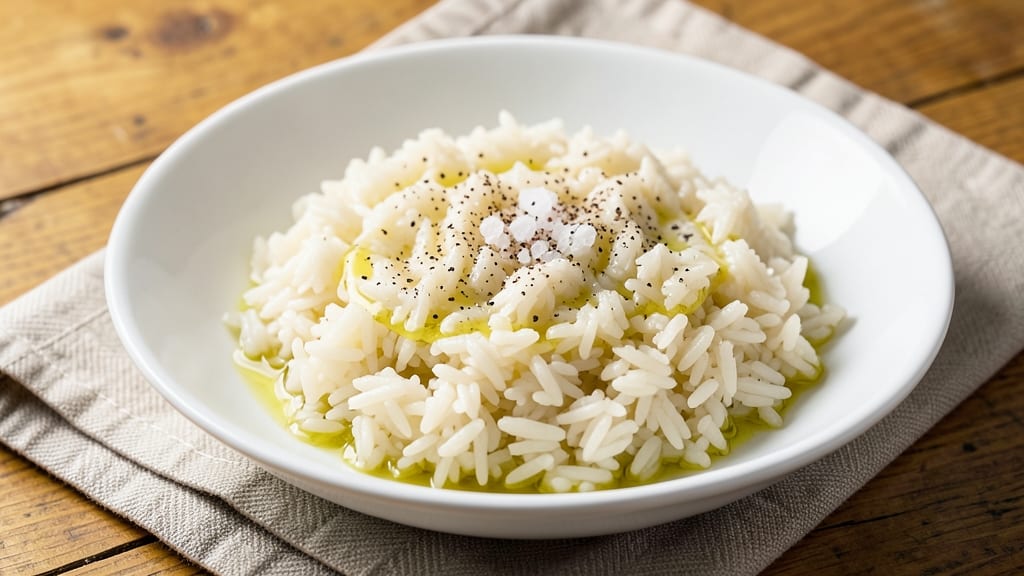
This boiled white rice recipe delivers perfectly fluffy grains every time—no sticky mess, no undercooked centers, just restaurant-quality texture in just 15 minutes. The secret lies in the precise 1:2 rice-to-water ratio and a gentle simmering process that transforms basic white rice into tender, separate grains. I've perfected this method after years of testing, and it's the foundation for countless meals.
What makes this recipe work is the resting period—letting the rice steam off heat for 10 minutes after cooking ensures all moisture is absorbed, resulting in grains that stay light and fluffy.
Whether you're making it for stir-fries, rice bowls, or as a side dish, this foolproof technique guarantees consistent results. The key is patience and attention to detail during the cooking process.
Ingredients for boil white rice
Seven essential components for restaurant-quality white rice every time, no shortcuts needed.
| Ingredient | Amount | Notes |
|---|---|---|
| Long-Grain White Rice 🍚 | 1 cup | Rinsed thoroughly before cooking |
| Water 💧 | 2 cups | Filtered or distilled preferred |
| Unsalted Butter 🧈 | 1 tbsp | For enriched texture and flavor |
| Diamond Crystal Kosher Salt 🧂 | ½ tsp | Adjust to taste after cooking |
| Freshly Ground Black Pepper 🌶️ | ¼ tsp | Enhances subtle flavor complexity |
| Extra-Virgin Olive Oil 🫒 | 1 tsp | For final drizzle and aroma |
| Lemon Zest 🍋 | ½ tsp | Brightens finished rice |
The rice selection matters more than most realize. Jasmine or basmati varieties yield slightly better separation, but long-grain white rice is universally reliable. Bob's Red Mill or Lundberg Family Farms brands are my go-tos—their consistent grain size and texture make all the difference. Rinsing the rice thoroughly removes excess starch, which prevents that dreaded sticky texture. I always use a fine-mesh strainer for this step—it's worth the extra 30 seconds. For water, filtered or distilled is ideal, but tap water works perfectly fine in most regions. The 1:2 rice-to-water ratio is non-negotiable for this method.
No unsalted butter? Olive oil or coconut oil works equally well—just reduce to 1/2 tablespoon to maintain proper texture. Short on lemon zest? A pinch of citric acid achieves the same brightening effect. The kosher salt is crucial here—Diamond Crystal measures differently than Morton, so if you're substituting, use 1/4 teaspoon less. Freshly ground black pepper adds subtle depth that pre-ground can't match. For those watching fat content, you can omit the butter entirely and increase the olive oil to 1 tablespoon, though the texture will be slightly less tender. The rice should be completely submerged in water before bringing to a boil—this ensures even cooking.
Freshly cooked rice reheats beautifully—simply cover with a damp paper towel and microwave for 1-2 minutes. For optimal storage, transfer to an airtight container and refrigerate for up to 5 days. To revive, sprinkle with a few drops of water and microwave for 1 minute. For longer storage, freeze cooked rice in single-serving portions for up to 3 months. When reheating from frozen, add 1 tablespoon of water per cup of rice and cook covered for 5 minutes. The resting period is critical—never skip those 10 minutes off heat, as this allows the grains to fully absorb moisture and develop that signature fluffiness.
Why You'll Love This Recipe
- Foolproof Basics: I swear by this method—just rice, water, and a pinch of salt. No fancy tools, no guesswork, and no burnt bottoms. Honestly, it’s the kind of recipe that makes me feel like a capable adult just for following it.
- Butter Magic: That little pat of cold butter swirled into the steaming rice? Life-changing. It coats every grain, turning simple white rice into something rich and almost indulgent—like a hug for your taste buds. (Yes, even on a Tuesday night.)
- Meal Prep MVP: Cook a big batch on Sunday, and you’ve got lunch/dinner covered for days. The grains stay separate, so it reheats perfectly—no mushy disasters. My kids grab it straight from the fridge with zero complaints.
- Budget Blank Canvas: This is the ultimate cheap flex. A pound of rice feeds a family for next to nothing, and the butter/salt combo makes it taste like you put in effort. Between us? It’s my secret weapon for frugal weeks.
Step-by-step instructions for perfectly boiled white rice
Master this foundational technique for consistently fluffy, individual grains every time.
Rinse the Rice Thoroughly
Place the 1 cup long-grain white rice in a fine-mesh strainer and rinse under cold running water for 30 seconds. Swirl the rice gently with your fingers to release surface starch. You'll see the water turn cloudy—this is normal and essential for preventing gummy texture.
Continue rinsing until the water runs clear. The rice should feel light and separate easily between your fingers. Drain completely and return it to the strainer. This step removes excess starch that would otherwise make the rice clump together or turn sticky during cooking.
Combine Rice and Water
In a medium saucepan with a tight-fitting lid, combine the rinsed rice with the 2 cups water. Stir gently once to distribute the grains evenly. Bring to a boil over medium-high heat, then immediately reduce heat to low.
The reason for reducing heat immediately is to prevent the rice from scorching at the bottom of the pan. You'll notice small bubbles forming around the edges—this is normal. Once the water returns to a gentle simmer (about 2-3 minutes after boiling), cover the pan tightly with the lid.
Cook Until Water is Absorbed
Simmer uncovered for 10 minutes at this gentle simmer. The key is maintaining a very low heat—just enough to keep the water at a bare simmer. You'll see steam rising steadily from the sides of the covered pan.
After 10 minutes, turn off the heat but leave the lid on. Let the rice sit undisturbed for an additional 5 minutes. This resting period allows the residual heat to finish cooking the rice evenly without risking overcooking or drying.
Fluff and Finish with Seasonings
Using a fork, gently fluff the rice from the center outward to separate the grains. This prevents them from matting together. Add the 1 tablespoon unsalted butter, 0.5 teaspoon diamond crystal kosher salt, and 0.25 teaspoon freshly ground black pepper, stirring gently to distribute evenly.
For the final touch, drizzle the 1 teaspoon extra-virgin olive oil over the rice and sprinkle with the 0.5 teaspoon lemon zest. Toss lightly to coat each grain. The lemon zest will brighten the flavor while the olive oil adds a subtle aroma. Serve immediately while still hot.
Master the Timing for Perfect Texture
For consistently perfect results, use a timer for the 10-minute simmering and 5-minute resting periods. The total active cooking time from boiling to serving should be exactly 15 minutes. This method guarantees fluffy, separate grains with minimal effort.
If you notice any grains sticking to the bottom, it means the heat was too high. For future batches, reduce the heat slightly lower. The rice should be tender but still have a slight bite—this indicates perfect doneness.
Pro Tips For Making Boil White Rice
- Rinse Until Clear: Don’t just splash water and call it done—rub the rice between your fingers in the colander until the water runs nearly transparent. I learned this the hard way after making mushy rice from leftover starch. This step cuts the gummy texture that ruins perfectly boiled grains.
- Use Butter Last: Add unsalted butter and salt only in the final 30 seconds of cooking, then stir it in like you’re folding in a delicate sauce. The butter melts into the steam, coating every grain instead of separating like it does if you add it too early. (Yes, even if you’re impatient like me.)
- Watch the Water Ratio: Diamond Crystal kosher salt measures differently than table salt—stick to 1:1.5 rice-to-water (1 cup rice, 1.5 cups water) and adjust by feel. Too much water turns rice mushy; too little leaves it dry. If unsure, err on the side of slightly less water and cover tightly.
- Let It Sit Covered: After turning off the heat, give the rice a solid 5-10 minutes under that lid before lifting it. I skip this when I’m lazy, but the dish is noticeably better when I don’t—it redistributes steam and guarantees even texture. No peeking!
Flavor customization for these flavors
Citrus Infusions
Brighten your rice with zest from lemons, limes, or oranges—just ½ teaspoon of finely grated zest per cup of rice. For a stronger flavor, steep 2 thin lemon slices in the cooking water for the first 5 minutes of simmering. Remove before adding rice to avoid bitterness. 🍋
Herbaceous Blends
Add ½ teaspoon dried herbs like thyme, rosemary, or basil directly to the cooking water. For fresh herbs, use 1 teaspoon chopped and remove after simmering. I love fresh cilantro or parsley for Mexican-inspired rice—they add a vibrant aroma without overpowering the dish.
Spicy Kick Options
For heat lovers, stir in ½ teaspoon cayenne pepper or 1 teaspoon crushed red pepper flakes with the butter. For smoky depth, add ¼ teaspoon smoked paprika to the cooking water. Garnish with extra flakes before serving for a restaurant-worthy finish.
Umami Boosters
Enhance savory dishes by adding 1 teaspoon soy sauce or ½ teaspoon fish sauce to the cooking water. For a richer profile, stir in 1 tablespoon chicken or vegetable broth instead of plain water. These additions work especially well with Asian-inspired rice bowls.
Sweet Variations
Create dessert-style rice by adding 1 tablespoon honey or maple syrup with the butter. For a tropical twist, fold in ½ teaspoon vanilla extract and top with toasted coconut flakes. This works beautifully as a base for fruit salads or as a side for spicy dishes.
Cheesy Comfort
For a creamy twist, stir in ¼ cup shredded cheddar or parmesan cheese with the butter. For extra decadence, mix in 2 tablespoons cream cheese while the rice steams off heat. This variation pairs perfectly with Mexican or Italian meals, adding richness without altering the rice's texture. 🧀
Nutrition facts
Frequently asked questions about perfect boiled rice
Why does my boiled rice always turn out sticky?
Sticky rice usually means too much starch remains from not rinsing properly or using too much water. Always rinse your rice until the water runs clear, and stick to the 1:2 rice-to-water ratio. For extra fluffiness, let the rice rest 5-10 minutes off heat after cooking to absorb all moisture.
Can I use a rice cooker for this method?
Yes! Most rice cookers work perfectly—just use the same 1:2 ratio and follow the manufacturer's timing. The key difference is you'll skip the manual simmering step. After cooking, let it rest 5 minutes before fluffing with butter and seasonings to maintain that fluffy texture.
How do I adjust this recipe for larger batches?
Maintain the same 1:2 rice-to-water ratio regardless of quantity. For 2 cups of rice, use 4 cups water. Use a larger pot with a tight lid, and increase the simmering time by 2-3 minutes. Always let it rest 5 minutes off heat before fluffing to prevent uneven cooking.
What's the best way to reheat leftover rice?
Spread rice on a baking sheet and microwave for 1-2 minutes to break up clumps, then cover with a damp paper towel and microwave another 30-60 seconds. For stovetop, use 1 tablespoon water per cup of rice and simmer covered for 3-5 minutes on low heat. Never reheat dry rice—it becomes rubbery!
Can I substitute butter with something else?
Use 1 teaspoon olive oil or coconut oil instead—just reduce to half the amount. For dairy-free options, try 1 tablespoon vegan butter or even a splash of unsweetened almond milk for richness. The key is adding fat to enhance texture and help distribute seasonings evenly.