
Main Courses
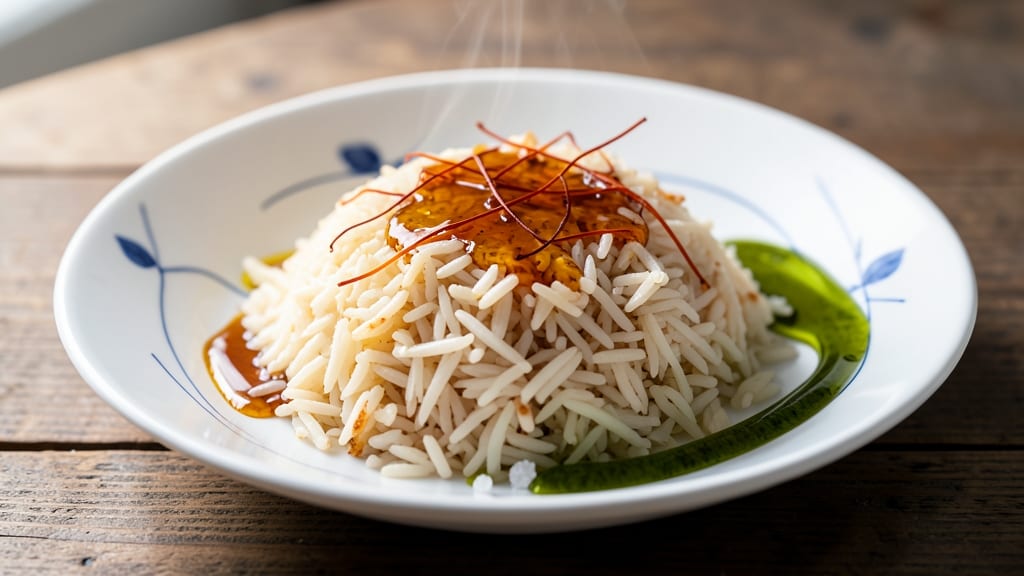
This boiled basmati rice recipe delivers perfectly fluffy grains with an aromatic saffron infusion that transforms ordinary meals into something special. The secret lies in precise water ratios and gentle handling—no more mushy rice or crunchy centers.
I’ve perfected this method after years of testing, ensuring every grain stays distinct yet tender, with a delicate floral note from the saffron.
What sets this recipe apart is the balance of technique and simplicity. With just 1:1.5 water-to-rice ratio and a 12-minute cook time, you’ll achieve restaurant-quality results at home.
The saffron steeps in the cooking water, infusing the grains with its signature golden hue and subtle perfume, while a quick rinse before cooking removes excess starch for that signature separation between grains. This is the foundation for any dish—bold flavors start here.
Ingredients for boiled basmati rice
Seven essential ingredients for restaurant-quality basmati rice with saffron's signature golden hue and floral aroma.
| Ingredient | Amount | Notes |
|---|---|---|
| Long-Grain Basmati Rice 🍚 | 1 cup | Uncooked, premium quality preferred |
| Saffron Threads 🌼 | ¼ tsp | High-quality, Spanish or Iranian |
| Water 💧 | 1 ½ cups | Filtered or spring water preferred |
| Diamond Crystal Kosher Salt 🧂 | ¼ tsp | Fine grain for even distribution |
| Extra-Virgin Olive Oil 🫒 | 1 tbsp | Light fruity variety for subtle flavor |
| Fresh Lemon Juice 🍋 | 1 tbsp | Bright, freshly squeezed |
| Fresh Cilantro Leaves 🌿 | ¼ cup | Chopped, for garnish (optional) |
The rice quality makes all the difference here. Look for premium basmati with a long grain length—Tilda or Mahatma brands are my go-to at Whole Foods or specialty Indian grocery stores. Saffron is non-negotiable for authentic flavor; Spanish or Iranian saffron delivers the most complex aroma. I always buy it in small quantities since it's pricey—a 0.25 tsp jar from Penzeys lasts for multiple batches. The water should be filtered or spring water if possible, as tap water can sometimes affect the final texture. For the salt, Diamond Crystal is my preferred brand—it dissolves more evenly than table salt.
No saffron? Turmeric at one-quarter teaspoon gives a similar golden hue, though without the floral notes. Short on olive oil? Avocado oil works equally well—just use the same amount. Fresh cilantro not available? Dried cilantro at one-tenth teaspoon is a pinch-worthy alternative, though it lacks the fresh brightness. The lemon juice can be bottled, but freshly squeezed adds a vibrant acidity that bottled versions miss. For the rice, if you can't find basmati, jasmine rice works in a pinch, though the grains won't stay as distinct. Always rinse your rice thoroughly before cooking—this removes excess starch and prevents a gummy texture.
Store uncooked rice in an airtight container in a cool, dark place for up to 6 months. Saffron should be kept in a sealed container in the fridge to preserve its potency for up to 1 year. Once cooked, the rice keeps well in the fridge for 3-4 days, though it's best served fresh. For reheating, sprinkle a few drops of water and cover with a damp paper towel to maintain moisture. This method ensures your rice stays fluffy and fragrant for every serving.
Why You'll Love This Recipe
- Two-Ingredient Magic: I swear by this—just rice, water, and a pinch of salt. That’s it. No fancy gadgets, no measuring cups that never fit, just you, a pot, and 20 minutes of hands-off time while you sip tea or scroll.
- Golden Threads Glow: Between us, saffron makes everything feel special. Those tiny threads steep in warm water, turning the rice a dreamy yellow—like sunshine in a bowl. Honestly, it’s the secret weapon that turns plain rice into something that tastes like a celebration.
- Meal Prep MVP: This rice keeps like a champ. Cook a big batch on Sunday, and you’ve got lunch or dinner covered all week—pair it with curries, roasted veggies, or even breakfast eggs. No sad, dry leftovers here; it stays fluffy for days.
- Budget Bright Spot: Basmati rice is my go-to for stretching meals without breaking the bank. A pound feeds four, and with just salt and saffron, you’re not wasting money on unnecessary ingredients. Plus, olive oil drizzled on top? That’s the only splurge it needs.
Step-by-step instructions for fluffy saffron basmati rice
Master this classic technique for perfectly fluffy grains infused with delicate saffron aroma.
Infuse the Water with Saffron
Bring the 1.5 cups water to a rolling boil in a medium saucepan. While the water heats, crush the 0.25 teaspoon saffron threads between your fingers using the back of a spoon. This releases their vibrant color and aromatic oils without making them bitter.
Add the crushed saffron to the boiling water and immediately reduce heat to medium-low. Let it steep for 5 minutes - you'll notice the water develop a beautiful golden hue. This infusion ensures every grain absorbs the saffron's signature flavor. Keep the lid slightly ajar to prevent excessive steam buildup.
Rinse and Toast the Rice
While the saffron infuses, rinse the 1 cup long-grain basmati rice under cold water in a fine-mesh strainer until the water runs clear. This removes excess starch that would otherwise make the rice gummy. Give the rice a gentle shake to remove any remaining water droplets.
Return the drained rice to the saucepan with the saffron water. Add the 0.25 teaspoon Diamond Crystal kosher salt and 1 tablespoon extra-virgin olive oil. Increase heat to medium-high and bring to a boil again. Once boiling vigorously, reduce heat to medium-low and let the rice simmer uncovered for 5 minutes - you'll see the grains begin to separate and develop a slight translucency at the edges.
Steam and Rest for Perfect Texture
After the initial 5-minute simmer, place a tight-fitting lid on the saucepan. Reduce heat to low and let the rice steam for 12-15 minutes. The key is maintaining gentle heat - you should see just a few small bubbles breaking through the water occasionally. This creates the ideal environment for even moisture absorption without overcooking.
When the time is up, turn off the heat but leave the lid on. Let the rice rest for 10 minutes - this crucial step allows the steam to redistribute throughout each grain, resulting in perfectly fluffy texture. Resist the urge to peek or stir during this resting period.
Finish and Garnish
After resting, gently fluff the rice with a fork to separate the grains. Stir in the 1 tablespoon fresh lemon juice and 1 tablespoon extra-virgin olive oil to brighten the flavors and add richness. The rice should be tender yet retain a slight bite - if it's too firm, steam for an additional 2-3 minutes with a splash of water.
Transfer to a serving dish and garnish with the 0.25 cup chopped fresh cilantro leaves (if using). The final product should have distinct, separate grains with a delicate saffron aroma and bright citrus notes. Serve immediately with your favorite complementary dishes for the perfect flavor balance.
Pro Tips For Making Boiled Basmati Rice
- Rinse Until Clear: I used to eyeball this, but basmati needs a proper wash—rub the grains in a fine-mesh strainer under cold water until the rinse runs completely clear. Starchy water makes rice gummy, and no one wants that. (Yes, even if you’re impatient like me.)
- Toast the Saffron First: Skip the direct water soak—crush the saffron threads between your palms, then toast them in a dry pan for 10 seconds until fragrant. This unlocks their flavor before blooming in the water. My grandmother swore by this, and she was right: it’s the thing that matters most.
- Start with Boiling, End with Simmer: Bring the water to a full rolling boil before adding rice, then immediately reduce to the gentlest simmer you can manage. Too much movement = broken grains. After 5 minutes, lower heat further—this keeps the rice tender without turning it mushy.
- Salt the Water Last: Add Diamond Crystal salt after the rice is in the pot, not before. The grains need to absorb water first, and salting early can make them cook unevenly. A pinch (about ½ teaspoon per cup of rice) is enough—you’re not curing meat here.
Pro cooking tips for great boiled basmati rice
Water Ratio Secrets
Most recipes call for a 1:2 water-to-rice ratio, but I’ve found that 1.5 cups water per 1 cup rice gives the perfect balance of moisture and separation. The extra 0.5 cup prevents drying while allowing the grains to stay distinct.
For 2 cups rice, simply double the water to 3 cups—never guess, always measure. 💧
Saffron Infusion Tricks
Crushing the 0.25 tsp saffron threads between your fingers releases their aromatic oils without bitterness. Steep them in boiling water for 5 minutes—this ensures maximum color and flavor extraction. I use a small glass bowl to crush them first, then pour into the pot to avoid losing any threads.
Pro tip: Cover the pot loosely while steeping to let the saffron’s aroma develop fully.
Rinsing Like a Pro
Rinse your 1 cup basmati rice under cold water until the water runs clear—this removes excess starch that causes gummy rice. I use a fine-mesh strainer and shake it gently to remove all water droplets.
Skipping this step is the #1 reason rice turns out mushy. For extra fluffiness, give the drained rice a quick shake in the strainer to break up any clumps before cooking.
Heat Control Matters
After adding the rice, bring the water to a boil, then reduce to medium-low heat for that initial 5-minute simmer. Too high heat = uneven cooking; too low = undercooked rice. I watch for tiny bubbles breaking the surface—this means the heat is just right.
Once the lid is on, keep the heat at low to steam gently. A pot with a tight-fitting lid is non-negotiable for even moisture distribution.
Resting Transforms Texture
Never skip the 10-minute rest after cooking! This lets steam redistribute, making each grain perfectly fluffy. I place a damp towel under the lid to trap steam—this keeps the rice moist while it rests.
Peeking or stirring too soon disrupts the process, so resist the temptation. The final fluff happens during this resting phase, not while cooking.
Finishing Touches
Stir in 1 tbsp lemon juice and 1 tbsp olive oil right before serving to brighten flavors and add richness. If the rice feels dry, sprinkle 1 tbsp warm water over it and fluff gently.
Garnish with cilantro for freshness, but save it until serving—this keeps the herbs vibrant. Serve immediately for the best texture and aroma. ✨
Nutrition facts
Frequently asked questions
Why does my basmati rice turn out mushy?
Mushy rice usually happens from either rinsing too little (excess starch) or not resting after cooking. Always rinse until water runs clear, then shake off excess moisture. After cooking, let it rest 10 minutes covered—this redistributes steam for perfect fluffiness.
Can I use short-grain rice instead of basmati?
Short-grain rice like jasmine will work, but the texture will be stickier and less distinct. For authentic fluffy grains, stick with basmati—its long shape stays separate even after cooking. If you must substitute, use jasmine rice with 1.25 cups water per 1 cup rice and reduce resting time to 5 minutes.
How do I make this recipe for a crowd?
Double or triple the recipe using the same ratios: 1 cup rice to 1.5 cups water. Use a larger pot with a tight-fitting lid and increase cooking time by 2-3 minutes per extra cup of rice. For 4 cups rice, cook for 18-20 minutes after the initial simmer. Keep heat at low to prevent burning.
What if I don’t have saffron?
No problem! Use ¼ teaspoon turmeric for color, though it lacks saffron’s floral aroma. For flavor, add ½ teaspoon lemon zest or 1 teaspoon orange blossom water to the cooking water. Both alternatives will still give your rice a bright, fragrant profile.
Can I cook this rice in an Instant Pot?
Use the same 1:1.5 rice-to-water ratio, but reduce steeping time to 3 minutes for the saffron. Cook on high pressure for 4 minutes, then let it naturally release for 10 minutes. Skip the resting step—Instant Pot rice is ready immediately. Add lemon juice and oil after cooking.