
Main Courses
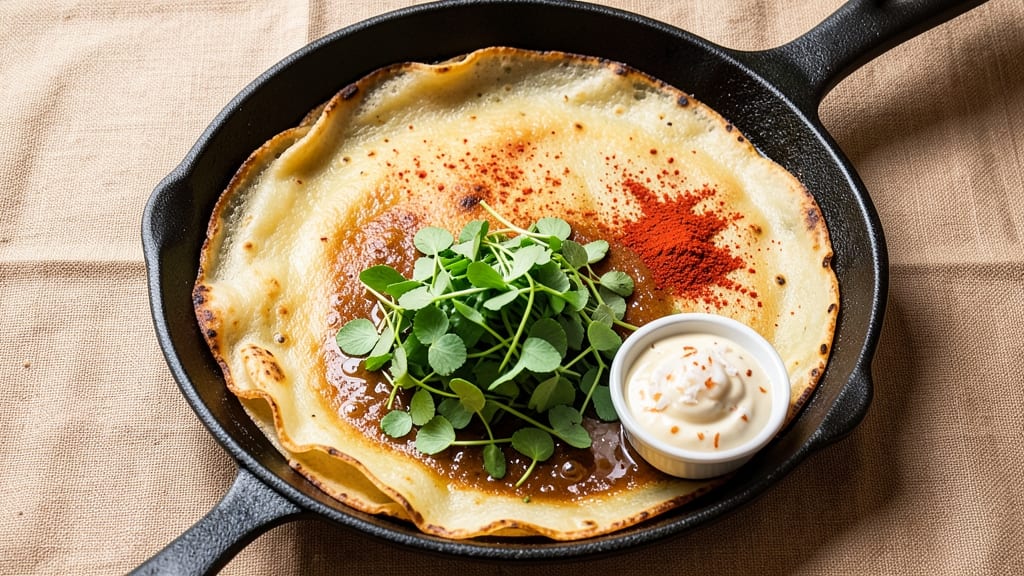
This boiled rice dosa recipe transforms simple rice into crispy-edged, fluffy South Indian crepes—where fermentation magic meets griddle precision. The key lies in soaking rice overnight, grinding it to a smooth batter, and letting it ferment just right for that signature lightness.
I’ve perfected this method after years of testing, balancing traditional patience with modern shortcuts for foolproof results.
The secret to crispy edges and tender centers starts with the batter: perfectly fermented yet not overworked. A hot griddle and just the right amount of oil create that golden crust while keeping the inside pillowy.
This recipe delivers restaurant-quality dosas at home, with a texture that’s impossible to resist—especially when paired with tangy sambar or cooling coconut chutney.
What makes this recipe stand out is its adaptability: use quick fermentation for busy days or traditional overnight for deeper flavor. The batter’s consistency is everything—too thin, and it won’t hold; too thick, and it’ll be dense.
Master this, and you’ll achieve dosas that sizzle, puff, and fold like a pro, every single time.
Serve as a breakfast staple, snack, or light meal—these dosas are versatile enough for any occasion. The aroma alone will have your kitchen smelling like a bustling South Indian restaurant. Ready to make them?
Ingredients for boiled rice dosa
Fermented rice and dal batter, precise fermentation, and griddle mastery create crispy-edged dosas.
| Ingredient | Amount | Notes |
|---|---|---|
| Long-Grain White Rice 🍚 | 1 cup | Uncooked, jasmine or basmati preferred |
| Urad Dal (Black Gram) 🌾 | ¼ cup | Split dal, soaked overnight |
| Water 💧 | 3 cups | For soaking rice and dal |
| Salt 🧂 | ½ tsp | Kosher or sea salt |
| Rice Flour 🌾 | ½ cup | For batter consistency |
| Fresh Fenugreek Leaves 🌿 | ¼ cup | Methi leaves, optional but traditional |
| Ghee or Coconut Oil 🫒 | 2 tbsp | For griddle cooking |
| Lemon Juice 🍋 | 1 tbsp | Freshly squeezed, for fermentation |
| Yogurt (Dahi) 🥛 | 2 tbsp | Plain, unsweetened |
| Asafoetida (Hing) 🌶️ | ⅛ tsp | Pinch for aroma, optional |
| Fresh Cilantro 🌿 | ¼ cup | Chopped, for garnish |
The rice and urad dal are the foundation—jasmine or basmati rice ensures the perfect texture, while urad dal provides the signature fluffiness. Soak both overnight in separate containers; the dal should soften but not break down. For the rice, use filtered water if possible to avoid off-flavors. Whole Foods or Indian grocery stores carry high-quality urad dal—look for brands like Patel or Patanjali for authentic results. Fresh fenugreek leaves add depth, but if unavailable, skip them without compromising texture. Ghee or coconut oil on the griddle creates those coveted crispy edges—don’t substitute with regular vegetable oil.
No urad dal? Substitute with 0.5 cup soaked chana dal, though texture may vary slightly. For quick fermentation (under 8 hours), add 1 extra tbsp yogurt or 1 tsp baking soda—but traditional overnight fermentation yields the best flavor. Rice flour is non-negotiable for batter consistency; all-purpose flour won’t give the same crisp. The batter should be smooth like pancake batter—adjust with water if too thick. Asafoetida (hing) is optional but adds that unmistakable dosa aroma; omit if sensitive to strong flavors. For garnish, cilantro brightens the dish, but fresh curry leaves work equally well if you prefer.
Fermented batter keeps in the fridge for up to 2 days—stir well before use. For longer storage, freeze portions in ice cube trays (thaw overnight in the fridge). Reheat griddles to medium-high (400°F+) for crispy edges; avoid overcrowding the pan. Leftover dosas reheat beautifully in a toaster or skillet with a splash of water. Serve immediately for maximum crispiness—texture degrades within 10 minutes. To save time, prep batter the night before and ferment overnight for deeper flavor development.
Why You'll Love This Recipe
- No Soaking Nightmares: I swear by this method—just boil the rice, ferment it overnight, and boom, no extra steps. The urad dal handles all the work while you sleep, so no standing over a bowl waiting for it to puff up like some fancy sourdough starter.
- Crispy-Creamy Magic: That first bite? Chef’s kiss. The rice flour gives it that golden crunch while the fermented urad dal keeps it light and tangy inside—like a perfect hug for your taste buds. (Yes, even on a Tuesday night.)
- Meal Prep Hero: Make a batch on Sunday, store the batter in the fridge, and flip dosas all week. They reheat like a dream, and honestly? My kids beg for them cold with a squeeze of lemon—zero complaints, all wins.
- Pocket-Friendly Power: Urad dal and rice? Two of the cheapest staples in the pantry. This recipe feeds four for under $3, and the leftovers? Still delicious the next day, wrapped in banana leaves or just microwaved. Budget and flavor, anyone?
Step-by-step instructions for fermented South Indian dosa
Master the art of achieving crispy edges and fluffy interiors with this precise method.
Soak and Grind the Rice and Dal
Combine the 1 cup long-grain white rice and 0.25 cup urad dal (black gram) in a large bowl. Add 3 cups water and the 0.5 tsp salt, ensuring the rice and dal are fully submerged. Let this mixture soak for 8-10 hours at room temperature—this long soak is essential for proper fermentation. The rice should absorb the water completely, and you'll notice the dal begins to soften noticeably.
After soaking, drain the mixture through a fine-mesh strainer, retaining all the liquid. Transfer the soaked rice and dal to a wet grinder or high-powered blender. Add 0.25 cup fresh fenugreek leaves and grind into a smooth, slightly thick batter. The ideal consistency should resemble pancake batter—smooth with no lumps, but not watery. If needed, add 1-2 tablespoons of the reserved soaking water to achieve this texture. This step sets the foundation for your dosa's signature fluffiness.
Ferment the Batter Overnight
Transfer the ground batter to a clean, wide-mouthed container. Add 2 tbsp yogurt (dahi), 1 tbsp lemon juice, and 0.125 tsp asafoetida (hing). Mix thoroughly, covering the surface with a damp cloth or plastic wrap to prevent a skin from forming. Let the batter ferment at room temperature for 12-14 hours—this is where the magic happens.
You'll know fermentation is complete when the batter develops a slightly tangy aroma and rises noticeably (about 50% increase in volume). The texture should become bubbly and slightly runny. If fermenting in a warm kitchen (above 80°F), reduce fermentation time to 8-10 hours to prevent over-fermentation, which can make the dosa taste sour. The fermentation process is critical for achieving that signature dosa fluffiness and crispy edges.
Prepare the Batter for Cooking
After fermentation, give the batter a gentle stir to redistribute any settled ingredients. Add 0.5 cup rice flour and mix well—this addition helps create the crispy edges while maintaining the fluffy interior. The batter should now have a slightly thicker consistency, similar to heavy cream. If it appears too thick, add 1-2 tablespoons of water to achieve a smooth, pourable texture.
Let the batter rest for 30 minutes at room temperature. This resting period allows the rice flour to fully hydrate and the batter to reach an ideal temperature for cooking. The resting step is often overlooked but makes a significant difference in achieving perfectly crisp dosas. During this time, preheat your griddle or non-stick skillet over medium-high heat—this ensures your cooking surface is ready for the high-heat searing needed for crispy edges.
Cook the Dosas to Crispy Perfection
Lightly grease the preheated griddle with 1 tbsp ghee or coconut oil, spreading it evenly with a paper towel. Pour about ¼ cup of batter onto the center of the griddle, immediately spreading it into a 6-inch circle using a quick, circular motion of your wrist. The key here is speed—you want to spread the batter before it starts cooking at the edges.
Cook for 1-2 minutes until the edges turn golden brown and small bubbles form on the surface. You'll notice the batter begins to set at the edges while remaining soft in the center. This contrast is what creates the perfect dosa texture. Once the edges are crispy and the center is mostly set (but still slightly soft), carefully flip the dosa using a spatula. Cook the other side for another 30-45 seconds until lightly browned.
Serve Immediately with Fresh Garnish
Transfer the cooked dosa to a plate and repeat the process with the remaining batter, maintaining consistent heat on your griddle. The dosas should be served immediately while still warm and crispy. Garnish each dosa with 0.25 cup chopped fresh cilantro, adding a vibrant pop of color and freshness that complements the fermented flavors.
For serving, traditional accompaniments include coconut chutney and sambar, which cut through the dosa's crispy exterior and enhance its fluffy interior. The combination of textures—crispy edges, soft center, and fresh garnish—makes each bite of this boiled rice dosa a delightful experience. Remember, the secret to perfect dosas lies in the fermentation and precise cooking technique, both of which you've now mastered.
Pro Tips For Making Boiled Rice Dosa
- SOAK URAD DAAL 6 HOURS: I learned this the hard way—rushing the soak (even overnight) leaves the dal gummy and your dosa dense. Six hours guarantees a silky, ferment-friendly texture. No shortcut here, unless you’re okay with chewy results.
- GRIND TO 110°F (43°C) PASTE: Use a wet grinder or food processor until the batter reaches body temperature—around 110°F (43°C). Too cold, and fermentation stalls; too hot, and the urad dal cooks prematurely. Test with your finger: it should feel warm, not scorching.
- SKIP THE EXTRA RICE FLOUR: Adding rice flour to "fix" a thin batter is a common trap. Instead, adjust the rice-to-dal ratio (1:1 works for me) and let the batter rest. The extra flour makes dosas gummy, not crisp. Trust the fermentation—it thickens naturally.
- FERMENT 8–12 HOURS, NOT 24: Over-fermenting turns your dosa batter into a vinegar-like sludge. Aim for 8–12 hours at room temperature (75–80°F/24–27°C). The batter should bubble actively but still smell fresh, not sour. Cover loosely with a damp cloth—this keeps moisture in without trapping heat.
Serving suggestions for boiled rice dosa
Classic Pairings
Serve your dosas with homemade coconut chutney—its creamy, tangy sweetness balances the crispy edges perfectly. Mix ½ cup grated coconut, 1 tbsp roasted cumin powder, 1 green chili, and ¼ cup water until smooth.
For extra richness, add 1 tbsp yogurt and a pinch of salt. This chutney is a must-have for authentic flavor. 🥥
Sambar Perfection
No dosa is complete without sambar, the South Indian lentil stew that adds depth. Simmer 1 cup red lentils, 1 tbsp tamarind paste, 1 tsp turmeric, and a mix of vegetables like drumsticks and tomatoes in 4 cups water for 30 minutes.
Finish with 1 tsp asafoetida and fresh coriander. The tangy, spiced broth cuts through the dosa’s crispiness beautifully.
Modern Twists
For a fusion twist, pair dosas with mint-cilantro chutney or avocado spread. Blend ½ cup mint leaves, ¼ cup cilantro, 1 garlic clove, 1 tbsp lemon juice, and 2 tbsp Greek yogurt for a refreshing dip.
Avocado lovers can mash 1 ripe avocado with 1 tbsp lime juice, salt, and a dash of chili flakes for a creamy contrast.
Protein Boosters
Add a protein punch with spiced potato wedges or boiled eggs. Toss 2 cups diced potatoes with ½ tsp cumin, ½ tsp turmeric, and 1 tbsp oil, then pan-fry until golden.
Soft-boiled eggs with a sprinkle of chaat masala add a satisfying bite. These additions turn dosas into a hearty meal. 🍳
Breakfast Upgrade
Elevate your morning routine with sugar-free banana slices or honey drizzle. Lightly caramelize 2 ripe bananas in ghee for a sweet contrast, or drizzle 1 tsp honey over the dosa for a subtle sweetness.
This balances the savory flavors while keeping it light. Perfect for a quick, satisfying breakfast. 🍌
Presentation Tips
Stack dosas neatly on a platter, alternating with chutney and sambar for visual appeal. Garnish with fresh coriander and a sprinkle of crushed peanuts for texture. Serve with warm papadums on the side for extra crunch. The presentation makes your dosas look as delicious as they taste! ✨
Nutrition facts
Frequently asked questions
Why does my dosa batter not ferment properly?
Fermentation fails most often due to temperature or time issues. Keep the batter in a warm spot (80-85°F) for 12-14 hours—too cold slows fermentation, while too warm (above 90°F) can make it sour. Add 1 extra tbsp yogurt if your kitchen is cool, or reduce time by 2-3 hours in warm climates. Also ensure your container is wide-mouthed to allow proper air circulation.
Can I make dosas without fermenting the batter overnight?
Yes! For quick fermentation, mix 1 tsp baking soda into the batter right before cooking. This creates instant bubbles for fluffiness, though the texture won't be as light as traditionally fermented dosas. Alternatively, use 1 extra tbsp yogurt and ferment for just 6-8 hours in a warm oven (turned off with the light on). The result will be crispy edges but slightly denser centers.
How do I fix dosas that turn out too thick or too thin?
For thick dosas, thin the batter with 1-2 tbsp water and spread it faster on the griddle. For thin dosas, add 1-2 tbsp rice flour to thicken the batter slightly. The key is consistency—your batter should flow like heavy cream but not be watery. If spreading feels difficult, your griddle isn't hot enough (medium-high heat is ideal). Adjust heat next time for better control.
What's the best way to store leftover dosa batter?
Store fermented batter in an airtight container in the fridge for up to 2 days. Stir well before using—settled ingredients can make the batter lumpy. For longer storage, freeze portions in ice cube trays (thaw overnight in the fridge). Never refreeze thawed batter, as it loses texture. Pro tip: Add 1 extra tbsp yogurt before storing to preserve freshness.
Can I use instant rice instead of soaking whole grains?
Instant rice works in a pinch, but texture will differ. Soak it for only 2 hours (instead of overnight) to soften, then grind with dal as usual. Expect slightly denser dosas—this method lacks the lightness of properly soaked rice. For best results, stick with jasmine or basmati rice soaked 8-10 hours, but instant rice prevents fermentation failures in cold climates.