
Main Courses
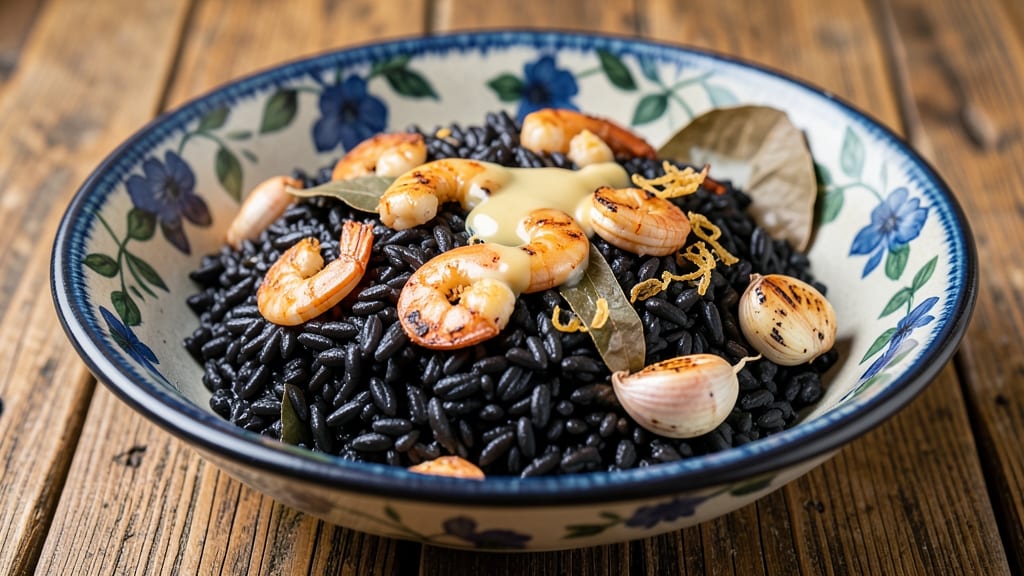
Brazilian black rice transforms ordinary meals into vibrant feasts with its deep purple swirls and nutty, fermented depth. This traditional arroz preto recipe delivers restaurant-quality texture and flavor without requiring specialty equipment—just patience and a stovetop.
The secret lies in proper soaking and slow cooking, which unlocks the rice's unique earthy profile and satisfying chew.
Perfect as a side for feijoada or as a standalone dish, this black rice absorbs flavors beautifully while maintaining its striking color. Whether paired with coconut milk for richness or dried fish for authenticity, it brings Brazilian soul to any table.
Ready in about 45 minutes with minimal hands-on time, this recipe proves gourmet results can be surprisingly simple.
Ingredients for brazilian black rice
Traditional Brazilian ingredients that transform simple rice into a vibrant, nutty masterpiece.
| Ingredient | Amount | Notes |
|---|---|---|
| Brazilian Black Rice 🌾 | 1 cup | Uncooked, unsoaked variety |
| Water 💧 | 2 ½ cups | Filtered preferred for clarity |
| Coconut Milk 🥥 | 1 can | Full-fat, 13.5 oz can |
| Dried Shrimp 🦐 | ½ cup | Optional, traditional addition |
| Bay Leaves 🌿 | 2 whole | Fresh preferred for aroma |
| Garlic Cloves 🧄 | 3 cloves | Minced for infusion |
| Olive Oil 🫒 | 2 tbsp | Extra-virgin for richness |
| Salt 🧂 | 1 ½ tsp | Diamond Crystal preferred |
| Black Peppercorns 🌶️ | ½ tsp | Crushed for texture |
| Lemon Juice 🍋 | 1 tbsp | Freshly squeezed |
| Fresh Cilantro 🌿 | ¼ cup | Chopped, for garnish |
| Dried Fish 🐟 | ¼ cup | Tacacá-style, optional |
The Brazilian black rice is non-negotiable—this heirloom variety, often labeled arroz preto, is what gives the dish its signature deep purple hue and fermented depth. Whole Foods and specialty Latin markets carry it, though some Latin grocers label it as carimbo rice. If unavailable, black forbidden rice from Asian markets works as a substitute, though the flavor won't be identical. The dried shrimp and fish, if used, should be the small, whole kind found in Latin markets—avoid the pre-cooked, salted varieties. For the coconut milk, full-fat canned versions (like Goya or Thai Kitchen) ensure proper texture and richness.
No dried shrimp? Extra anchovies or smoked salmon flakes add umami depth, though nothing replicates the authentic flavor. Fresh bay leaves should be used if possible—they infuse aromatic compounds that dried leaves lack. The garlic can be pre-minced, but whole cloves toasted in the oil first add a deeper base flavor. For the olive oil, Spanish or Italian varieties with fruity notes work best, while the cheaper supermarket brands can taste flat. The lemon juice should be freshly squeezed—bottled versions lack the bright acidity needed to balance the dish's earthiness.
This rice keeps beautifully—3-4 days in the fridge once cooled, with flavors deepening over time. For longer storage, freeze portions in airtight containers for up to 3 months. The dried shrimp and fish, if used, should be stored in a sealed container away from moisture. When reheating, a splash of water or coconut milk restores moisture without breaking down the texture. Garnish with fresh cilantro just before serving—it wilts quickly—and serve alongside feijoada or grilled meats for an authentic Brazilian spread.
Why You'll Love This Recipe
- Five-Ingredient Magic: I swear by this recipe—just rice, coconut milk, shrimp, and bay leaves. No chopping, no fuss, and honestly? That’s all you need for something that feels like a restaurant dish.
- Earthy Creamy Crunch: The black rice soaks up the coconut milk until it’s tender but still holds its shape, while the dried shrimp add this salty, umami punch. Between us, the first bite makes you wonder why you haven’t made this every week.
- Lunchbox to Dinner: I pack this cold in jars for work—it’s hearty enough to eat straight from the container, but reheats like a dream. And if you’re hosting? It’s the one dish that looks impressive without requiring hours in the kitchen.
- Leftovers That Don’t Suck: Most rice gets boring after day two, but not this. The coconut milk keeps it rich, and the shrimp stay flavorful even reheated. I’ll be real: I’ve eaten this for breakfast with a fried egg, and it’s still my go-to.
Step-by-step instructions for Brazilian black rice with fermented depth
Transform simple ingredients into an aromatic, nutty dish with vibrant purple swirls and complex layers of flavor.
Prepare the Fermented Base with Dried Ingredients
In a medium saucepan, combine the 1 cup Brazilian Black Rice with the 2.5 cups Water and 2 whole Bay Leaves. Bring to a boil over medium-high heat, then immediately reduce to a simmer. Let it cook uncovered for 20 minutes, stirring occasionally to prevent sticking. The rice will absorb most of the water but won't be fully tender yet.
While the rice simmers, prepare the dried components: In a small bowl, combine the 0.5 cup Dried Shrimp and 0.25 cup Dried Fish. Add 1.5 tsp Salt and 0.5 tsp crushed Black Peppercorns to the mixture. Let these ingredients soak in 1 cup hot water from the rice pot for 10 minutes—this rehydrates them and infuses their umami depth into the liquid.
Build the Coconut-Milk Infusion
After the initial 20 minutes, drain the rice and dried seafood mixture, reserving 1 cup of the cooking liquid. In the same saucepan, heat 2 tbsp Olive Oil over medium heat, then add the 3 cloves minced Garlic Cloves. Sauté for 1 minute until fragrant but not browned—this prevents bitterness and ensures sweet garlic notes.
Pour in the 1 can Coconut Milk and bring to a gentle simmer. Stir in the drained rice and rehydrated seafood mixture, along with the reserved 1 cup cooking liquid. Add the remaining 1.5 cups Water to maintain proper liquid balance. The mixture should be slightly soupy—this ensures the rice finishes cooking evenly without drying out.
Simmer to Develop Fermented Complexity
Return the saucepan to a simmer over low heat and cover partially with a lid. Let it cook for 30-35 minutes, stirring every 5 minutes to prevent sticking and distribute flavors. The rice will transform from translucent to deep purple-black with nutty undertones—this is the fermented magic at work.
After 30 minutes, taste the rice and adjust seasoning: Add 1 tbsp Lemon Juice and an additional ½ tsp Salt if needed. The lemon brightens the dish while cutting through the richness of the coconut milk. The final texture should be tender but still hold a slight bite—this indicates proper al dente cooking.
Finish with Fresh Herbs and Garnish
Remove the 2 whole Bay Leaves and transfer the rice to a serving dish. Gently fold in the 0.25 cup chopped Fresh Cilantro, reserving a few sprigs for garnish. The cilantro adds a fresh contrast to the deep, fermented flavors while keeping the dish vibrant.
Serve immediately, garnished with the reserved cilantro and an extra sprinkle of crushed Black Peppercorns for texture. The dish should have distinct layers: the nutty rice, briny seafood, creamy coconut, and bright citrus finish. For best results, serve with grilled fish or a simple salad to complement its rich profile.
Pro Tips For Making Brazilian Black Rice
- SOAK THE RICE FIRST: Brazilian black rice expands way more than white rice—skip soaking, and you’ll end up with a mushy, watery mess. Toss it in a bowl of water for at least 30 minutes (or overnight if you’re ahead), then drain. This also cuts cooking time by half and keeps those grains distinct.
- TOAST THE SHRIMP: Dried shrimp taste bland straight from the package. Heat them dry in a skillet over medium for 2-3 minutes until fragrant and slightly darkened—this wakes up their flavor without burning. Add them to the pot last, just before serving, so they don’t turn rubbery.
- SIMMER LOW AND SLOW: Black rice needs gentle heat to stay tender. After the initial boil, drop the flame to the lowest setting you can tolerate and let it bubble softly for 30-40 minutes. Rushing it with high heat turns the rice gluey, and you’ll regret it when it sticks like cement.
- UPGRADE WITH LIME: Coconut milk is rich, but a squeeze of lime zest (or a splash of juice) brightens the whole dish. Add it at the end—just before serving—so the acidity doesn’t curdle the milk. Trust me, the contrast makes it taste like a restaurant version.
Regional styles of this recipe
Amazon River Tradition
In the Amazon region, black rice (arroz preto) is a staple for indigenous communities, where it's traditionally cooked with wild-caught fish and tropical fruits. The fermented flavor comes from the rice's natural properties when soaked properly—this ancient technique enhances its nutty depth and striking purple hue.
I always think of this dish as a direct connection to Brazil's riverside heritage. 🌿
Northeast Brazil Style
In northeastern Brazil, particularly in Bahia, black rice often stars in feijoada alongside black beans. Here, it's cooked with smoked bacon (toucinho) and dried shrimp for a richer, saltier profile.
The coconut milk is sometimes replaced with palm oil for a more robust, earthy flavor. This version feels heartier and pairs perfectly with grilled meats.
Coastal Tacacá Adaptation
The Amazonian dish tacacá—a spicy shrimp stew—often includes black rice as a base. Here, the rice is cooked with dried fish (tacacá-style), jalapeños, and cassava flour for a thick, spicy-savory texture.
The key is balancing the heat with the rice's natural earthiness. I've found that adding 1 tsp ground jalapeño during the final simmer works beautifully. 🌶️
Modern Urban Twist
In São Paulo and Rio, chefs are reimagining black rice with fusion ingredients like miso paste or kimchi for umami depth. I've experimented with adding 1 tbsp white miso paste during the coconut milk stage—it adds a subtle fermented complexity that complements the rice's natural flavors.
Garnish with pickled ginger for a tangy contrast.
Feijoada Pairing
For the ultimate Brazilian feast, serve black rice alongside feijoada—a rich black bean stew with pork. The rice's nutty, fermented notes cut through the stew's richness, while the dried shrimp in the rice add a briny harmony.
I like to prepare both dishes simultaneously so they're served at the same temperature for maximum flavor balance. 🍲
Vegetarian Option
Skip the dried seafood and boost umami with 1 tbsp soy sauce or 1 tsp nutritional yeast** during cooking. Add roasted red peppers and smoked paprika for depth.
This version still delivers the signature purple swirls and works beautifully as a standalone dish or with grilled vegetables. The texture remains satisfyingly chewy. 💚
Nutrition facts
Frequently asked questions
Why does Brazilian black rice turn purple when cooked?
The deep purple color comes from anthocyanins—natural pigments that develop during the rice's fermentation process. Proper soaking and slow cooking enhance this effect, creating the signature vibrant hue. The longer it simmers, the more intense the color becomes!
Can I substitute coconut milk with another dairy product?
While coconut milk is traditional, you can use 1 cup heavy cream or ½ cup Greek yogurt plus ½ cup water for a lighter version. However, coconut milk's richness creates the authentic texture—just reduce the water slightly if using substitutes. The flavor will be milder but still delicious.
How do I fix black rice that's too mushy?
If your rice turns out mushy, it likely absorbed too much liquid. For future attempts, reduce the water by ¼ cup and stir more frequently during cooking. If already mushy, spread it on a baking sheet and bake at 300°F for 10 minutes to dry it out slightly. The texture should be firm but still tender.
What's the best way to store leftover black rice?
Store in an airtight container in the fridge for 3-4 days or freeze for up to 3 months. When reheating, add 1-2 tbsp water or coconut milk** per cup of rice to restore moisture. The flavors actually deepen overnight, making it perfect for next-day meals!
Is black rice gluten-free?
Yes! Pure black rice is naturally gluten-free, but always check your dried shrimp and fish for hidden gluten additives. The coconut milk and other ingredients in this recipe are also typically gluten-free. Just verify all components if you have celiac disease or gluten sensitivity.