
Side Dishes
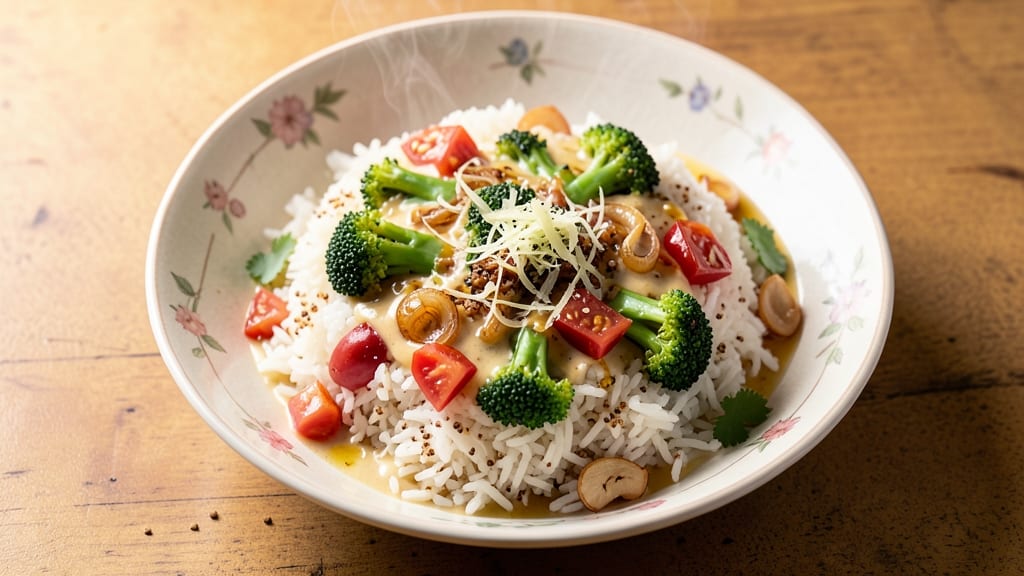
This Indian broccoli rice recipe transforms simple rice and broccoli into a fragrant, golden dish with turmeric's earthy warmth and coconut's nutty depth. The secret lies in tempering whole spices—cumin, mustard seeds, and curry leaves—until they release their aromatic oils, creating layers of flavor that elevate every bite. I've perfected this version to balance textures: tender rice grains, crisp-tender broccoli florets, and a lightly spiced coconut-tomato gravy that ties everything together.
What makes this recipe special is its simplicity paired with authentic Indian technique. You'll start with a tadka (tempering) of spices in hot oil, then pressure-cook the rice and broccoli until perfectly tender.
The coconut milk adds richness without overpowering the dish's natural flavors, while garam masala and turmeric infuse the rice with that signature golden hue. This isn't just a side—it's a complete, satisfying meal that pairs beautifully with yogurt-based raita or warm roti.
Ingredients for broccoli rice recipe indian
Authentic Indian flavors meet simple ingredients for this vibrant turmeric-coconut broccoli rice dish.
| Ingredient | Amount | Notes |
|---|---|---|
| Basmati Rice 🍚 | 1 cup | Uncooked, long-grain preferred |
| Fresh Broccoli Florets 🥦 | 4 cups | Tight florets, stems peeled |
| Light Coconut Milk 🥥 | 1 can (13.5 oz) | Full-fat for creamier texture |
| Tomatoes 🍅 | 2 medium | Ripe, diced, skin removed |
| Yellow Onion 🧅 | 1 whole | Finely chopped, ~1 cup |
| Fresh Ginger 🌿 | 1 inch | OR 1 tbsp grated ginger |
| Garam Masala 🌶️ | 1 tsp | Freshly ground preferred |
| Turmeric Powder 🧂 | ½ tsp | Bright yellow, organic |
| Ground Cumin 🌿 | ½ tsp | Toasted for deeper flavor |
| Mustard Seeds 🌱 | 1 tsp | Whole, yellow preferred |
| Curry Leaves 🌿 | ¼ cup | Fresh, dried as substitute |
| Vegetable Oil 🫒 | 3 tbsp | High smoke point preferred |
| Salt 🧂 | 1 tsp | Adjust to taste |
| Lemon Juice 🍋 | 1 tbsp | Freshly squeezed |
| Fresh Coriander Leaves 🌿 | ¼ cup | Chopped, for garnish |
The spices are non-negotiable for that authentic Indian aroma. Whole mustard seeds and curry leaves must be toasted until they sizzle—they're the flavor anchors. For curry leaves, Indian specialty stores or the bulk section at Whole Foods carry them fresh. If you can't find them, dried curry powder at one-third the amount works in a pinch. The ginger should be freshly grated (the Microplane is your friend here) for maximum zing. For garam masala, MDH or Everest brands are widely available and reliable. The turmeric must be vibrant yellow—anything dull has lost its potency.
No fresh curry leaves? Dried curry powder at half the amount gets you close, though the flavor won't be identical. Substituting coconut milk? Full-fat canned coconut milk adds richness but will alter the texture slightly. For the tomatoes, San Marzano if you can find them—sweeter and more consistent. The broccoli stems should be peeled and chopped finely; they add great texture. If you're short on time, frozen broccoli florets work perfectly (no need to thaw). The rice should be rinsed until the water runs clear—this removes excess starch for perfectly separate grains.
This dish reheats beautifully—even better the second day as flavors meld. Store in an airtight container for up to 5 days in the fridge. For longer storage, freeze portions for up to 3 months. The coconut milk will separate when chilled; just stir before reheating. Garnish with fresh coriander right before serving—it adds a bright finish. Leftovers make excellent lunches; portion into containers with a side of yogurt-based raita for a complete meal.
Why You'll Love This Recipe
- One-Pot Magic: I swear by this recipe when I’m too tired to wash a million bowls—just rice, broccoli, and a splash of coconut milk all simmering together. The onions caramelize right in the pot, so you’re left with one pan, one spatula, and zero stress.
- Creamy Crunch Contrast: That light coconut milk turns the rice into a silky base, but the broccoli stays just crisp-tender—like biting into a cloud with a little resistance. Honestly, the balance of flavors is what makes it addictive: sweet tomatoes, sharp onions, and the earthy broccoli all playing nice.
- Lunchbox Hero: Between us, this is my go-to for packed lunches—it reheats like a dream and keeps its texture for days. I’ll double the batch on Sundays, toss it in containers, and still have leftovers my kids beg for by Wednesday.
- Budget Brightener: Fresh broccoli and onions stretch across multiple meals, and basmati rice is one of the most affordable grains out there. Plus, coconut milk adds luxury without breaking the bank—it’s the kind of dish that makes cheap ingredients feel special.
Step-by-step instructions for turmeric-infused Indian broccoli rice
Transform simple basmati rice into aromatic, golden-hued grains infused with turmeric and coconut richness.
Prepare the Broccoli and Aromatics
Begin by cutting the stems off the 4 cups fresh broccoli florets and peeling away any fibrous outer layers. Chop the florets into even bite-sized pieces for consistent cooking. In a separate bowl, finely dice the 2 medium tomatoes and the 1 whole yellow onion, aiming for uniform ¼-inch pieces that will release their flavors evenly during cooking.
Peel the 1-inch fresh ginger and grate it using a fine grater or microplane. You'll need about 1 tablespoon of grated ginger for optimal flavor. Set aside the broccoli, tomatoes, onion, and ginger separately—they'll each play distinct roles in building the dish's layered complexity.
Bloom the Spices in Vegetable Oil
Heat 3 tablespoons vegetable oil in a deep, heavy-bottomed pot over medium heat until shimmering. Add the 1 teaspoon mustard seeds and let them sizzle for 30 seconds until they begin popping like tiny fireworks. This is your signal to add the 0.25 cup curry leaves, which will immediately release their citrusy aroma.
Immediately stir in the 0.5 teaspoon ground cumin and 0.5 teaspoon turmeric powder, toasting them for 15 seconds until the spices release their essential oils and fill your kitchen with warm, earthy fragrance. This step forms the aromatic base that will infuse every grain of rice and bite of broccoli.
Cook the Base Vegetables
Add the finely chopped onion and cook for 5 minutes until softened and translucent. Stir in the grated ginger and cook for another 30 seconds until fragrant. Add the diced tomatoes and cook for 4 minutes until they break down and release their juices, creating a rich, tangy base for the dish.
Increase heat to medium-high and add the 4 cups broccoli florets. Stir gently to coat the florets with the spiced tomato mixture. Cover the pot and cook for 5 minutes, allowing the broccoli to steam and soften slightly while retaining its vibrant green color and crisp texture.
Toast and Cook the Rice
Add the 1 cup basmati rice to the pot and stir to coat each grain with the spiced vegetable mixture. Pour in 2 cups water and bring to a boil. Once boiling, reduce heat to low, cover tightly with a lid, and cook for 15 minutes without stirring. This allows the rice to absorb the flavors and cook evenly.
After 15 minutes, stir the rice gently to check for doneness. If the rice is still firm in the center, add another ¼ cup water, cover, and cook for another 2-3 minutes. The rice should be tender but still have a slight bite—this ensures it won't turn mushy when combined with the coconut milk later.
Finish with Coconut Milk and Garnish
Remove the lid and stir in the 1 can light coconut milk, scraping up any browned bits from the bottom of the pot. Add the 1 teaspoon garam masala and 1 teaspoon salt, then bring the mixture to a gentle simmer. Cook uncovered for 5 minutes, allowing the coconut milk to reduce slightly and coat the rice evenly.
Finish by stirring in the 1 tablespoon lemon juice, which brightens the dish with a touch of acidity. Remove from heat and let the rice sit covered for 5 minutes to allow the flavors to meld. Garnish with the 0.25 cup fresh coriander leaves and serve immediately, ensuring each bite delivers the perfect balance of turmeric's earthy warmth, coconut's creamy richness, and broccoli's fresh crunch.
Pro Tips For Making Broccoli Rice Recipe Indian
- SOAK THE RICE LONGER: I used to skip this with basmati and wondered why my rice turned out gummy—even after rinsing. Soak it for at least 30 minutes (up to 2 hours if you’re patient), then rinse twice with cold water. The starch washes out, and the grains stay separate, so your coconut-milk base doesn’t turn gluey later. Trust me, the texture difference is night and day.
- CUT BROCCOLI SMALLER THAN YOU THINK: Big florets stay undercooked while the rice gets mushy. Chop yours into bite-sized pieces—think rice-sized, not salad-sized. Smaller pieces also absorb the coconut milk and tomato flavors better, so you end up with tender broccoli, not chewy chunks. (Yes, it looks less impressive, but it tastes better.)
- LOW AND SLOW FOR THE TOMATOES: After burning three batches of tomatoes into charred bits, I learned: cook them on medium-low heat until they’re soft and breaking down, not bubbling fiercely. If you rush it, they’ll turn bitter and release too much liquid, drowning your rice. A splash of water helps, but patience here keeps the dish balanced.
- USE FROZEN BROCCOLI FOR FLAVOR: Sounds counterintuitive, but frozen broccoli—thawed and drained well—holds its color and sweetness better than fresh in this dish. It also cooks faster, so you won’t end up with half-raw florets while the rice finishes. (I was skeptical until I tried it—now I keep a bag on hand for lazy days.)
Pro cooking tips for this dish
Spice Bloom Mastery
This is where the magic happens—properly blooming your spices in hot oil unlocks their full potential. Heat your 3 tbsp vegetable oil until shimmering (350°F), then add the 1 tsp mustard seeds and let them pop for 30 seconds before adding curry leaves.
This step should take 45 seconds total—any longer risks burning the seeds. I use a cast-iron skillet for even heat distribution, which prevents hot spots that can scorch delicate spices. 🔥
Rice Cooking Precision
Timing is everything when cooking basmati rice for this dish. After adding the 1 cup rice and 2 cups water, maintain a low simmer—not a rolling boil—to prevent the rice from becoming mushy.
I use a digital instant-read thermometer to monitor the water temperature, keeping it between 205-212°F. If the rice isn't tender after 15 minutes, add just ¼ cup water and cook 2-3 more minutes—never more than ¼ cup extra liquid or you'll risk a gummy texture.
Broccoli Texture Control
To maintain that perfect al dente crunch in your broccoli, add it to the pot after the onions and tomatoes have softened. Cook the florets covered for only 5 minutes—any longer and they'll turn mushy.
I like to use a steamer basket lined with cheesecloth for even steaming if I'm worried about overcooking. Pro tip: Cut all broccoli florets to the same size—this ensures even cooking throughout the dish. 🥦
Coconut Milk Integration
The coconut milk should be stirred in after the rice has cooked and absorbed its initial flavors. Bring the mixture to a gentle simmer (not a boil) for 5 minutes
I prefer light coconut milk for this recipe because it adds creaminess without overpowering the dish's delicate balance of turmeric and ginger. For extra richness, you can substitute ½ cup heavy cream instead of some of the coconut milk. Adding garam masala at the very end is crucial—it's heat-sensitive and will lose its complexity if cooked too long. Stir it in with the coconut milk and cook for just 1 minute before removing from heat. This step should take less than 2 minutes total. I keep a small jar of freshly ground garam masala on hand—I find MDH brand gives the best balance of sweet and spicy notes for this dish. The final touch of lemon juice brightens the flavors and cuts through any richness from the coconut. Letting the finished dish rest for 5 minutes after cooking allows the flavors to meld completely. This is especially important when working with coconut milk, which can separate if served immediately. I like to transfer the rice to a serving bowl and gently fluff it with a fork before garnishing with fresh coriander. For an extra restaurant-style touch, drizzle with toasted coconut flakes and serve with a side of mango chutney or yogurt raita to balance the richness. ✨Garam Masala Timing
Resting and Serving
Nutrition facts
Frequently asked questions
Can I substitute basmati rice with another type?
Yes, but basmati is ideal for its long grains and aromatic qualities. For a similar texture, try jasmine rice or even brown rice (though cooking times may vary). Avoid short-grain rice like sushi rice—it becomes too sticky when combined with coconut milk. If using brown rice, increase cooking time by 10-15 minutes and add ¼ cup extra water.
What if I can't find curry leaves?
No problem! Use ½ teaspoon dried curry powder instead, though the flavor won't be identical. For a closer substitute, combine ¼ teaspoon ground fenugreek leaves (methi) and ¼ teaspoon ground coriander. Curry leaves add a unique citrusy note, but this blend mimics their earthy warmth.
How can I make this dish spicier?
Add ½ teaspoon red chili powder or 1-2 green chilies (finely chopped) during the spice bloom step. For heat lovers, stir in ¼ teaspoon cayenne pepper with the garam masala at the end. Always taste before serving—Indian spices build flavor gradually, so start conservative and adjust.
Can I make this recipe without coconut milk?
Replace the coconut milk with ½ cup heavy cream or ½ cup Greek yogurt for richness. For a lighter option, use ½ cup vegetable broth> and 1 tablespoon butter>. The dish will still be flavorful, though the texture will be less creamy. Adjust salt accordingly if using broth.
Why did my rice turn out mushy?
Mushy rice usually means too much liquid or improper cooking technique. Always use 1:2 rice-to-water ratio (1 cup rice to 2 cups water) and maintain a low simmer—never a boil. If using an Instant Pot, cook on high pressure for 4 minutes (not 6+ minutes). For stovetop, check rice 5 minutes before the package suggests and add water in ¼ cup increments.