
Main Courses
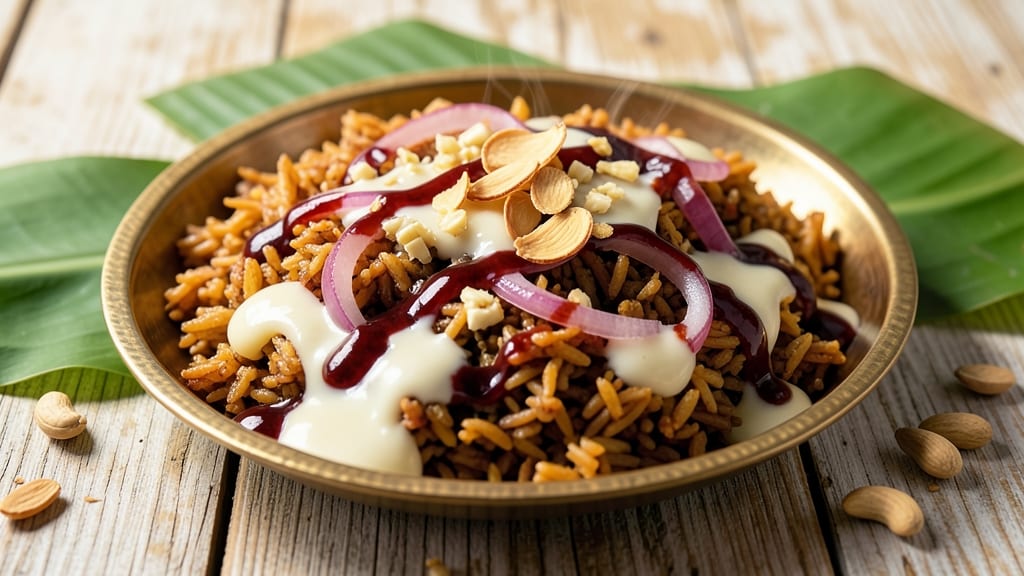
This Indian broken rice recipe transforms humble grains into a fragrant coconut-tamarind stew with a crispy golden topping—perfect for weeknight dinners or special occasions. 🌟 The secret lies in balancing sweet, tangy, and savory flavors through traditional tempering, while the crispy layer adds texture that keeps everyone reaching for seconds.
I developed this version after realizing how often broken rice gets overlooked in favor of whole grains, when it actually absorbs flavors beautifully and cooks faster.
What makes this dish special is the layered approach: first, the rice cooks in a fragrant coconut-tamarind broth until tender, then gets topped with a crispy mix of spices and toasted coconut.
The tamarind adds that signature tangy depth found in South Indian cuisine, while coconut milk creates a rich, creamy base that's both comforting and vibrant. This recipe delivers restaurant-quality results without requiring special equipment—just a pot and patience for the final crisping step.
The result is a dish that's equally at home as a main course or side dish—imagine serving it with yogurt on the side for cooling the richness, or pairing it with a simple cucumber raita.
The crispy topping adds a satisfying crunch that contrasts perfectly with the soft, flavorful rice beneath. It's the kind of meal that feels special without being complicated, making it ideal for both everyday cooking and gatherings.
One of the best things about this recipe is its versatility: you can adjust the spice level to taste, add vegetables like peas or carrots, or even swap in chicken for a protein-packed version.
The technique of crisping the topping works equally well for other rice dishes, so once you master it, you'll have a new way to elevate your cooking. Let's get started!
Ingredients for broken rice recipe indian
Quick grocery run for these 15 ingredients—broken rice, coconut milk, and tamarind make this dish shine.
| Ingredient | Amount | Notes |
|---|---|---|
| Broken Rice 🍚 | 1 ½ cups | Rinsed thoroughly before cooking |
| Coconut Milk 🥥 | 1 can | Full-fat for creaminess (13.5 oz) |
| Tamarind Paste 🍈 | ¼ cup | Adjust for tanginess preference |
| Onion 🧅 | 1 whole | Finely chopped (yellow or red) |
| Garlic Cloves 🧄 | 6 cloves | Minced for aromatic base |
| Ginger 🌿 | 1 tbsp | Freshly grated (peeled) |
| Green Chili 🌶️ | 2 whole | Slit lengthwise (adjust for heat) |
| Curry Leaves 🌿 | ¼ cup | Fresh, torn (essential for flavor) |
| Mustard Seeds 🌱 | 1 tbsp | Lightly toasted first |
| Cumin Seeds 🌶️ | 1 tsp | Toasted for depth |
| Turmeric Powder 🌿 | ½ tsp | Freshly ground preferred |
| Salt 🧂 | 1 tsp | Adjust to taste |
| Coconut Flakes 🥥 | ½ cup | Toasted for crispy topping |
| Peanuts 🥜 | ¼ cup | Lightly roasted (optional) |
| Ghee 🫒 | 2 tbsp | For crisping topping |
The tamarind is non-negotiable—look for blocks at Indian grocery stores or use paste from the international aisle. Trader Joe's carries a great paste if you're short on time. For coconut milk, full-fat is a must—the lighter versions won't give that creamy texture. Broken rice? Any brand works, but rinsing it well removes excess starch so it doesn't turn mushy. The curry leaves are the secret weapon—fresh is best, but dried works in a pinch if you can't find them (just use half the amount).
No tamarind paste? Lemon juice plus a pinch of sugar mimics the tang, though it won't be identical. Swapping peanuts? Cashews or almonds work great—just toast them first. The green chilies can be omitted if you prefer mild flavor, but don't skip the mustard seeds. They're what gives this dish that authentic South Indian kick. For the crispy topping, toast the coconut flakes until golden brown—that's what makes the whole dish sing.
This keeps beautifully for 3-4 days in the fridge, though it tastes best fresh. The crispy topping stays crunchy if you store it in an airtight container with a paper towel on top. Freezes well too—up to 2 months—just reheat gently to revive the crunch. I always make a double batch because it disappears fast at gatherings.
Why You'll Love This Recipe
- No Chopping Needed: I swear by this trick—just fry whole garlic cloves and sliced onions until golden. No mincing, no mess, and the flavor? Chef’s kiss. The broken rice soaks up that caramelized goodness like a sponge.
- Tamarind-Tinged Magic: That little packet of tamarind paste transforms everything—sour, sweet, and just a little funky. When it simmers with coconut milk, it turns into this velvety, tangy sauce that makes plain rice feel like a celebration.
- Leftover Goldmine: This dish begs to be made ahead. The broken rice gets even better the next day—softer, more flavorful, and perfect for quick lunches. I’ve reheated portions for a week straight without getting tired of it.
- Pantry Staple Power: Broken rice is cheap, coconut milk lasts forever, and tamarind paste? You’ll use it for everything after this. It’s the kind of recipe that turns grocery runs into a win—no fancy ingredients, just pure satisfaction.
Step-by-step instructions for fragrant coconut-tamarind stew
Here's how to make this aromatic Indian broken rice dish with a perfect crispy topping.
🍳 Step 1: Toast the Spices and Build the Flavor Base
Heat the 2 tbsp ghee in a large pot over medium heat until it shimmers. Add the 1 tbsp mustard seeds and 1 tsp cumin seeds—they'll pop and sizzle within 30 seconds. Immediately add the 0.25 cup curry leaves and 1 whole finely chopped onion.
Cook for 5-6 minutes until the onions turn golden brown and the spices release their aroma. Stir in the 6 cloves minced garlic, 1 tbsp grated ginger, and 2 slit green chilies. Cook for another 2 minutes until the raw garlic smell disappears—this creates the aromatic foundation for your dish.
👨🍳 Step 2: Cook the Broken Rice with Spices
Add the 1.5 cups rinsed broken rice, 0.5 tsp turmeric powder, and 1 tsp salt to the pot. Stir well to coat the rice with the spice mixture, then pour in 1 cup water. Cook for 5 minutes on medium heat, stirring occasionally, until the water is absorbed and the rice becomes translucent at the edges.
Here's the thing—broken rice cooks faster than whole grains, so keep a close eye on it. You want it to be 80% cooked at this stage. If it starts sticking, add a splash of water and stir gently. The rice should be tender but still have a slight bite—it'll finish cooking in the coconut milk later.
🥘 Step 3: Create the Coconut-Tamarind Stew
Pour in the 1 can full-fat coconut milk and 0.25 cup tamarind paste (adjust for more tang if needed). Stir well to combine, then bring the mixture to a gentle boil. Reduce heat to low and let it simmer uncovered for 15-20 minutes until the rice is fully cooked and the sauce thickens slightly.
You'll know it's ready when the rice is tender and the sauce has a creamy, slightly thick consistency. Taste and adjust the seasoning—add more salt if needed or a touch more tamarind for extra tang. The coconut milk should infuse the rice with its rich, creamy flavor while the tamarind adds that perfect balance of sweet and sour.
🔥 Step 4: Prepare the Crispy Topping
In a small dry skillet over medium heat, toast the 0.5 cup coconut flakes and 0.25 cup peanuts together for 3-4 minutes, stirring constantly, until they turn golden brown and smell toasty. Remove from heat immediately—they'll continue cooking from residual heat.
This is where the magic happens for that crispy topping. The combination of coconut flakes and peanuts creates a delightful contrast to the creamy stew. Don't walk away during toasting—burnt coconut ruins the dish. Once toasted, transfer to a plate and set aside to keep them crispy.
🍽️ Step 5: Assemble and Serve
Gently fluff the rice with a fork to separate the grains, then transfer to serving bowls. Spoon the coconut-tamarind sauce evenly over the rice. Top each serving with the toasted coconut flake and peanut mixture, pressing down lightly so they stick.
Serve immediately while the topping is still crispy. The contrast of the warm, creamy coconut-tamarind stew with the cool, crunchy topping is what makes this dish truly special. Garnish with a few extra curry leaves if you like, for that authentic South Indian touch.
Pro Tips For Making Broken Rice Recipe Indian
- SOAK THE RICE FIRST: Broken rice absorbs flavors like a sponge—give it a quick 15-minute soak in warm water before cooking. I learned this the hard way after making a batch where the rice stayed dry and grainy; pre-soaking guarantees a creamier, more cohesive texture that holds up to the coconut milk.
- USE RAW TAMARIND PASTE: Store-bought tamarind paste is convenient, but raw tamarind pulp (soaked and strained) adds depth the jarred stuff can’t match. After burning my tongue on overly sweetened paste, I now dissolve 2 tablespoons of fresh pulp in ½ cup warm water—it balances the coconut milk’s richness without cloying.
- LOW AND SLOW FOR COCONUT: Simmer the coconut milk on lowest heat after adding the rice—even a gentle boil can curdle it. I used to rush this step, and the dish would split into oily layers. Keep it at a bare simmer, stirring occasionally, until the rice is tender but not mushy.
- TOAST THE ONIONS: Sauté finely chopped onions in 1 tablespoon oil until deep golden brown—not just soft. I was skeptical until I tried it: caramelized onions add a smoky backbone that cuts through the tamarind’s tang and coconut’s sweetness. Do this before adding garlic, and don’t skip the 8–10 minutes of patience.
Creative variations of this broken rice recipe indian
South Indian Style
For a more traditional South Indian approach, swap the coconut milk for 1 cup tomato puree and add 0.5 cup yogurt to the rice while cooking. Use 1 tsp asafoetida (hing) when toasting the mustard seeds—this spice is key for authentic flavor.
Garnish with fresh coriander and a squeeze of lemon instead of coconut flakes. The result is a lighter, tangier dish that's perfect with spicy sambar or papadums. 🌶️
Protein-Packed Version
Add 1 cup cooked chicken or chickpeas to the rice during the final 10 minutes of simmering. For chicken, use 1 lb boneless thighs marinated in 1 tbsp yogurt, 1 tsp turmeric, and 1 tsp garam masala, then pan-fried until golden.
Chickpeas add a vegan option—simmer them directly with the rice for 10 minutes until tender. The protein makes this a hearty main course perfect for lunch or dinner. 🍗
Vegetable Medley Twist
Stir in 0.5 cup diced carrots, 0.5 cup peas, and 0.25 cup bell peppers when adding the coconut milk. For extra texture, add 0.25 cup chopped cashews during the final 5 minutes of cooking.
This version works beautifully as a side dish or light lunch. I love adding 1 tsp sugar to balance the tamarind's tartness when using sweet vegetables like carrots. 🥕
Spicy Kick Option
For heat lovers, add 1 tbsp red chili powder when toasting the spices, and include 2 extra green chilies in the tempering. Finish with a sprinkle of roasted cumin powder and fresh cilantro for brightness.
This version pairs perfectly with cooling raita or pickled onions to balance the heat. I recommend starting with 1 tsp chili powder and adjusting to taste. 🌶️🔥
Quick Weeknight Hack
Use pre-cooked rice (like leftover rice) to cut prep time in half. Simply heat it with the coconut-tamarind mixture for 10 minutes while toasting the spices and crispy topping separately. For extra flavor, add 1 tsp garam masala and 0.25 tsp black pepper to the rice before combining.
This version is perfect when you're short on time but still want restaurant-quality results. ⏰
Sweet & Savory Fusion
Add 0.25 cup raisins and 0.25 cup chopped dates to the rice during the final 5 minutes of cooking for a sweet-savory twist. The tamarind's tang balances the sweetness beautifully.
Top with extra toasted coconut and a sprinkle of cardamom powder for a dessert-like finish. This version is a crowd-pleaser at holiday gatherings. 🍯
Nutrition facts
Frequently asked questions
Can I substitute broken rice with regular rice in this recipe?
While you can technically use regular rice, broken rice cooks much faster and absorbs flavors differently. For best results, stick with broken rice—it creates that signature tender yet slightly chewy texture. If you must use regular rice, reduce cooking time by 5-7 minutes and use 1 cup less water since whole grains need more liquid.
How do I adjust the tanginess if I don't have tamarind paste?
Mix 2 tbsp lemon juice with 1 tsp sugar as a quick substitute—it mimics tamarind's tangy-sweet balance. For deeper flavor, add 1 tsp vinegar (apple cider or white) to the coconut milk. Pro tip: If using dried tamarind, soak it in warm water for 10 minutes first to soften before blending into a paste.
Why did my crispy topping turn greasy instead of crispy?
This usually happens from overcrowding the pan or using too much ghee. For perfect crispiness: toast coconut flakes and peanuts in a single layer over medium heat (not high), stirring constantly. Remove immediately when golden—don't let them sit! Also, ensure your pan is dry before adding ghee to prevent steaming.
Can I make this recipe in a pressure cooker?
After toasting the spices and adding rice, water, and salt, pressure cook for 3 whistles (about 8-10 minutes). Then proceed with the coconut-tamarind step as written. The pressure cooker cuts time by half**, but watch the rice closely—broken rice can overcook quickly. Release pressure naturally for best texture.
What's the best way to store leftovers?
Store in an airtight container with parchment paper between layers to preserve crispiness. Keeps for 3 days in the fridge. For reheating: microwave uncovered for 1-2 minutes to revive crispiness, or gently warm in a skillet with a splash of water. Freeze for up to 2 months—thaw overnight in the fridge before reheating.