
Side Dishes
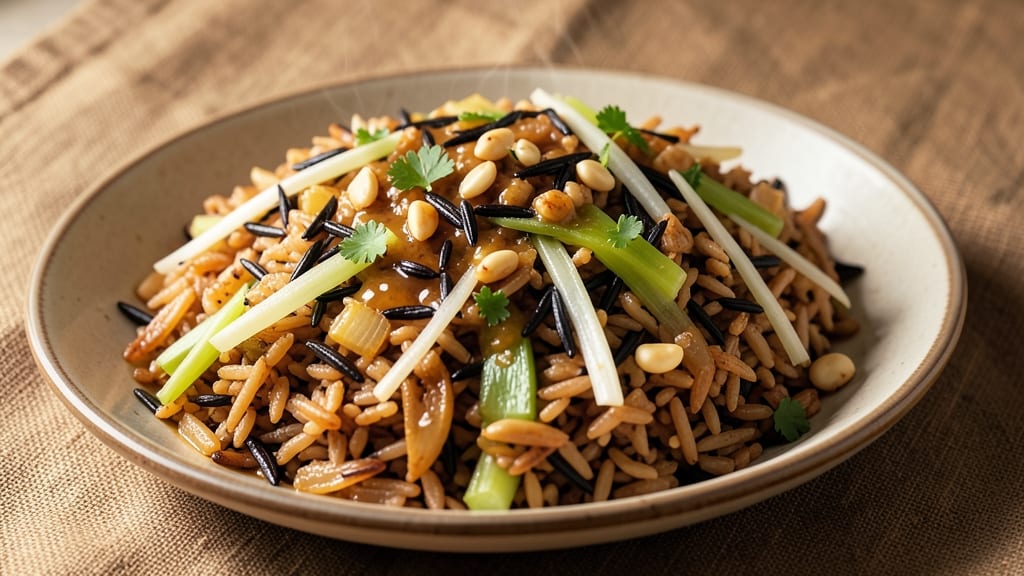
This brown and wild rice pilaf recipe transforms simple grains into a restaurant-worthy side with deep nutty flavors and satisfying texture. The secret lies in toasting the rice first—this caramelizes the edges and builds a rich, earthy foundation that wild rice can't match alone.
I developed this version after years of testing ratios, and the 3:1 brown-to-wild rice blend creates the perfect balance of chew and tenderness.
The cooking process is straightforward but precise: layering the grains with aromatic vegetables like celery and onions, then steaming in flavorful broth until each grain is perfectly al dente. A touch of butter at the end adds velvety richness, while fresh herbs brighten the final dish.
What starts as a simple grain mixture emerges as a hearty, satisfying side that pairs beautifully with roasted meats or stands alone as a light main course.
What makes this pilaf truly special is its versatility—it works as a bed for grilled chicken, a base for vegetarian bowls, or even a standalone dish when topped with toasted nuts and fresh parsley.
The texture is ideal: firm yet tender brown rice holds its shape while delicate wild rice adds a luxurious mouthfeel. Every bite delivers that perfect combination of nutty, earthy, and slightly herby notes that keep people coming back for seconds.
Ready in about 45 minutes with minimal hands-on time, this pilaf proves you don't need complicated techniques to create impressive results. The key is patience—letting the grains cook undisturbed until they absorb all that flavorful broth.
Once you try this version, store-bought rice mixes will never satisfy again. Let's get cooking!
Ingredients for brown and wild rice pilaf
Simple grains, bold flavors—this pilaf turns pantry basics into restaurant-worthy bites.
| Ingredient | Amount | Notes |
|---|---|---|
| Long-Grain Brown Rice 🌾 | 1 ½ cups | Uncooked, rinsed thoroughly |
| Wild Rice Blend 🌾 | ½ cup | Uncooked, rinsed thoroughly |
| Yellow Onion 🧅 | 1 whole | Medium size, diced small |
| Celery Stalks 🥬 | 2 whole | Fresh, diced small |
| Garlic Cloves 🧄 | 3 cloves | Fresh, minced finely |
| Chicken Broth 💧 | 3 cups | Low-sodium preferred |
| Unsalted Butter 🧈 | 2 tbsp | Cold, cubed for toasting |
| Dried Thyme 🌿 | 1 tsp | Or 1 tbsp fresh thyme |
| Salt 🧂 | 1 ½ tsp | Kosher or sea salt |
| Black Pepper 🌶️ | ½ tsp | Freshly ground preferred |
| Fresh Parsley 🌿 | ¼ cup | Chopped, for garnish |
| Toasted Almonds 🥜 | ¼ cup | Sliced, for crunch |
The rice blend is everything here. Bob's Red Mill brown rice and wild rice blend have the best texture, but any quality brand works. Look for wild rice that's actually a mix—Trader Joe's or Whole Foods carry good options. Toasting the rice first (in the butter) unlocks those nutty flavors—don't skip this step! For the celery, Heinz or Fresh ExpressFreshly minced makes all the difference compared to jarred.
No chicken broth? Vegetable broth works perfectly—just add a pinch of soy sauce for depth. Swapping wild rice for quinoa? Use a 2:1 ratio of brown rice to quinoa. Short on almonds? Pecans or walnuts add a different but equally nice crunch. The thyme can be fresh or dried—if using fresh, double the amount. And if you're watching salt, reduce the kosher salt to 1 teaspoon and rely on the broth's seasoning. Pre-chopped onions? Rinse them first—they're often sprayed with preservatives.
This pilaf keeps beautifully—4-5 days in the fridge, 3 months frozen. I always make double batches because it reheats like a dream. For freezing, portion into single-serving containers so you can grab and reheat. The almonds stay crunchy for days if stored in an airtight container. And if you're prepping for a crowd, double the herbs and nuts—they get eaten first!
Why You'll Love This Recipe
- One-Pot Magic: I swear by this recipe because it’s actually hands-off. Brown rice and wild rice blend cook together in the same pot—no separate timers, no burning the garlic. Just chop the onion and celery (about 10 minutes max), toss everything in, and let it simmer while you handle the rest of dinner.
- Nutty, Earthy, Addictive: Honestly, the flavor combo is what keeps me coming back. The wild rice adds that chewy, toasty depth, while the brown rice keeps it hearty but not dense. Sauté the garlic until it’s golden but not crispy—that’s where the magic happens.
- Meal Prep MVP: Between us, this is my go-to for lunches all week. Cook a big batch on Sunday, and you’ve got a side that works with roasted chicken, grilled salmon, or even just a simple salad. It reheats like a dream, no mushy texture in sight.
- Budget-Friendly Powerhouse: Wild rice blend might sound fancy, but it stretches further than you’d think. Pair it with the cheaper brown rice, and suddenly you’ve got a dish that feels gourmet without breaking the bank. Plus, onions and celery are the ultimate pantry staples—no extra shopping needed.
Step-by-step instructions for brown and wild rice pilaf
Here's how to create a perfectly nutty, earthy blend with crispy celery and toasted almonds.
Toast the Aromatics and Butter
Heat a large skillet over medium heat and add the 2 tablespoons unsalted butter and the diced yellow onion. Cook for 5-7 minutes until the onion softens and becomes translucent. You'll notice the butter starts to foam and then subsides—this is when you know it's ready for the next step.
Add the diced celery stalks and minced garlic cloves, stirring constantly for 3-4 minutes until the celery softens and the garlic becomes fragrant. The garlic should smell delightful but not burn—if it starts to darken too quickly, reduce the heat slightly. This toasting process builds deep flavor that will carry through the entire dish.
Add Rice and Seasonings
Increase the heat to medium-high and add the 1.5 cups long-grain brown rice and 0.5 cup wild rice blend. Stir for 2 minutes until the grains are well-coated with the butter and aromatics. This ensures every grain absorbs those rich flavors.
Next, sprinkle in the 1 teaspoon dried thyme, 1.5 teaspoons salt, and 0.5 teaspoon black pepper. Stir again for 30 seconds to evenly distribute the seasonings. You'll see the thyme release its earthy aroma—this is when the pilaf starts to come together.
Cook with Chicken Broth
Pour in the 3 cups chicken broth and bring the mixture to a gentle boil. Once boiling, reduce the heat to low, cover the skillet with a tight-fitting lid, and let it simmer for 45-50 minutes. You'll want to check occasionally to ensure the broth hasn't evaporated completely—add a splash of water if needed.
After 30 minutes, gently stir the rice to prevent sticking. The brown rice will absorb the liquid slowly, while the wild rice blend adds a delightful chewiness. The dish should have a subtle nutty aroma by this point—this is the moment when you know the flavors are melding beautifully.
Rest and Garnish
Once the rice is tender and the broth has been fully absorbed, remove the skillet from heat and let it rest for 5 minutes. This resting period allows the grains to finish absorbing any remaining moisture and develop their full texture.
Transfer the pilaf to a serving dish and garnish with the 0.25 cup chopped fresh parsley and 0.25 cup toasted almonds. The parsley adds a bright, fresh contrast to the earthy rice, while the almonds provide a delightful crunch. Serve immediately while still warm for the best texture and flavor experience.
Pro Tips For Making Brown And Wild Rice Pilaf
- Toast the Wild Rice: I learned this the hard way—wild rice needs a quick toast before cooking. Heat a dry pan over medium-high and stir the wild rice blend for 2-3 minutes until it smells nutty and slightly fragrant. This step brings out its natural flavor and prevents that raw, grassy aftertaste that ruins the dish.
- Dice Onions Like Dice: Small, even dice (1/4-inch) for onions and celery make all the difference. Big chunks stay crunchy and uneven, while tiny pieces turn mushy. Take the extra 5 minutes—your pilaf will thank you with consistent texture.
- Simmer, Don’t Boil: After adding liquid, bring to a boil once, then immediately reduce to a gentle simmer. Wild rice expands aggressively and can turn to mush if left bubbling. A low simmer (small bubbles, occasional tiny bursts) keeps it tender without falling apart.
- Double-Check the Ratio: Wild rice blends absorb water differently than brown rice. Use 1.5 cups liquid per 1 cup total rice (brown + wild). I skipped this once and ended up with a gloppy mess—now I measure carefully.
Storing and reheating this dish
Refrigerator Storage
Store your pilaf in an airtight glass container with a tight-sealing lid—glass preserves flavors better than plastic. Let it cool completely before refrigerating to prevent condensation. I use Pyrex with snap-on lids because they seal tightly and stack neatly.
The pilaf keeps well for 4-5 days in the fridge, with flavors actually deepening over time. Always leave ½ inch of headspace to prevent sogginess from moisture buildup. 🌡️
Freezer Prep Tips
For long-term storage, portion the pilaf into single-serving glass containers (like Le Creuset stoneware) or quart-sized freezer bags. Press out excess air to prevent freezer burn. I recommend freezing in 1-cup portions—perfect for quick lunches.
Label with the date and store for up to 3 months. The texture remains excellent, though the almonds may soften slightly after thawing. 🥶
Reheating Methods
For best results, reheat in a heavy-bottomed skillet over medium-low heat with 1-2 tablespoons of water or broth. Cover and heat for 5-7 minutes, stirring occasionally, until warmed through.
Avoid microwaving unless absolutely necessary—it can make the rice gummy. If using the microwave, cover with a damp paper towel and heat in 1-minute intervals on 50% power. 🔥
Reviving Texture
If your reheated pilaf seems dry, simply add 1-2 tablespoons of warm broth or water and let it sit covered for 2-3 minutes. The rice will absorb the moisture perfectly. For extra flavor, stir in a pat of butter or a splash of lemon juice before serving.
I also like to add fresh parsley and toasted almonds after reheating to restore that fresh-from-the-pan crunch. ✨
Make-Ahead Strategy
Double the recipe and store half for later—this pilaf is perfect for meal prep. Cook a big batch on Sunday, portion into containers, and you'll have ready-to-reheat sides all week. The flavor actually improves as it sits, making it ideal for holiday gatherings or weeknight dinners. Just
Nutrition facts
Frequently asked questions
Why mix brown rice with wild rice in this pilaf?
Brown rice provides a hearty, nutty texture and chew that holds up well, while wild rice adds delicate, earthy sweetness and a luxurious mouthfeel. The 3:1 ratio creates perfect balance—brown rice anchors the dish while wild rice elevates it. Together, they deliver both substance and sophistication that plain brown rice can't match.
Can I substitute regular white rice for brown rice?
Not recommended! Brown rice has a firmer texture and nutty flavor that's essential for this pilaf's structure. If you must use white rice, try a 50/50 blend with jasmine or basmati for better texture, but expect less chew and depth of flavor. The cooking time will also be shorter (30 minutes instead of 45-50 minutes).
How do I know when the rice is perfectly cooked?
Look for these signs: the liquid should be fully absorbed, the brown rice should be tender but still slightly firm (like al dente pasta), and the wild rice should be soft with a slight bite. Gently press a grain with a fork—it should hold its shape but yield slightly. If there's still liquid, cover and cook 5 more minutes.
What's the best way to make this vegetarian?
Replace the chicken broth with vegetable broth and add 1 teaspoon soy sauce or ½ teaspoon miso paste for umami depth. For extra protein, stir in ½ cup cooked lentils or ½ cup crumbled feta cheese before serving. The dish will still be hearty and satisfying while being completely plant-based.
Can I make this in an Instant Pot?
Yes! Sauté the onions, celery, and garlic as directed, then add all rice, broth, and seasonings. Seal the lid, cook on high pressure for 22 minutes, then let pressure release naturally for 10 minutes. Fluff with a fork and garnish. The texture will be slightly different (more tender) but still delicious.