
Main Courses
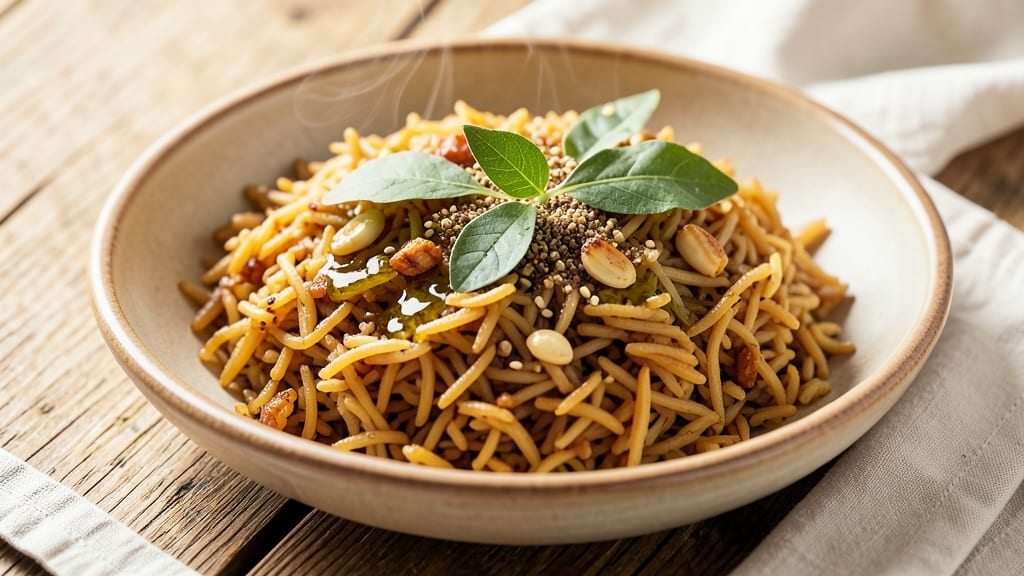
Brown basmati rice recipe ideas transform ordinary meals into fragrant, nutritious dishes with minimal effort—just 15 minutes of active time. Unlike white basmati, brown retains its chewy texture and nutty flavor, making it perfect for pilafs, biryanis, or grain bowls. The key lies in proper soaking and a precise 1:2 rice-to-water ratio, ensuring fluffy, separate grains every time.
This method delivers restaurant-quality results without specialized equipment—whether you use a stovetop, rice cooker, or Instant Pot. Optional aromatics like garlic, bay leaves, or toasted cumin elevate the flavor, while modern pairings with roasted vegetables or grilled proteins create balanced, satisfying plates.
The texture stays firm yet tender, never mushy, and the aroma fills your kitchen instantly.
Ingredients for brown basmati rice recipe ideas
Transform ordinary meals with these aromatic, nutrient-dense brown basmati rice ingredients—just 15 minutes transforms simple grains into restaurant-quality dishes.
| Ingredient | Amount | Notes |
|---|---|---|
| Brown Basmati Rice 🌾 | 1 cup | Uncooked, long-grain variety preferred |
| Water 💧 | 2 cups | Room temperature preferred |
| Extra-Virgin Olive Oil 🫒 | 1 tbsp | For toasting rice grains |
| Garlic Cloves 🧄 | 2 cloves | Minced for aromatic base |
| Fresh Bay Leaves 🌿 | 1 whole | For subtle herbal note |
| Ground Cumin 🌶️ | ½ tsp | Toasted for depth of flavor |
| Salt 🧂 | ½ tsp | Diamond Crystal preferred |
| Fresh Lemon Juice 🍋 | 1 tbsp | Brightens final flavor |
| Fresh Parsley 🌿 | ¼ cup | Chopped, for garnish |
| Roasted Chicken Breast 🍗 | 1 ½ cups | Diced, optional protein pairing |
| Roasted Red Bell Peppers 🍅 | ½ cup | Diced, for vegetable pairing |
| Toasted Almond Slices 🥜 | ¼ cup | For crunchy texture contrast |
The quality of brown basmati rice is non-negotiable for this preparation. Look for brands like Mahatma or Kalustyan's at specialty stores or well-stocked grocery sections—their longer grains maintain shape better. Soaking the rice for 30 minutes before cooking is essential to prevent uneven cooking, especially in the stovetop method. For the aromatics, fresh bay leaves provide the most authentic flavor, though dried works in a pinch at half the amount. Toast the cumin seeds in a dry pan for 30 seconds before grinding to release their full aroma—this step makes all the difference in depth of flavor.
No fresh bay leaves? Dried bay leaves at half the quantity will suffice, though the flavor will be more concentrated. Substitute the garlic with 1/2 teaspoon garlic powder if needed, though fresh is always superior. For the protein pairing, grilled shrimp or chickpeas work beautifully as vegetarian alternatives. The red bell peppers can be swapped for roasted zucchini or asparagus if preferred—just ensure they're roasted until tender. If you're using an Instant Pot, reduce the water by 1/4 cup since the pressure cooker retains more moisture. The lemon juice should be freshly squeezed; bottled versions lack the bright acidity needed to cut through the rice's richness.
This rice reheats beautifully—simply add 1 tablespoon water per cup and cover for 5 minutes in the microwave. Store cooked rice in an airtight container in the refrigerator for up to 5 days, though the texture softens after the first day. For longer storage, freeze portions in 1-cup servings wrapped tightly in plastic wrap and foil. When reheating from frozen, add 2 tablespoons water per cup and cook covered on low heat for 10 minutes to restore perfect texture. The toasted almonds should be added fresh to maintain their crunch, but you can toast extra and store them in a sealed container for up to 2 weeks.
Why You'll Love This Recipe
- Five-Ingredient Magic: I swear by this—just rice, water, olive oil, garlic, and bay leaves. That’s it. No fancy pantry trips, no last-minute grocery runs. The olive oil toasts the garlic until it’s fragrant but not burnt, and the bay leaves infuse the whole pot with that earthy, aromatic depth. Honestly, it’s the kind of simplicity that makes me feel like a pro.
- Nutty, Toasty Crunch: Brown basmati has this perfect texture—chewy outside, tender inside—with a subtle nuttiness that’s ridiculously satisfying. The garlic and olive oil add a savory punch, while the bay leaves bring warmth. It’s the kind of rice that makes you pause mid-bite, like, "Wait, is this actually this good?"
- Meal Prep MVP: This rice keeps for days in the fridge, making it my go-to for lunches or quick dinners. Toss it with roasted veggies, grilled chicken, or even a simple yogurt sauce—it’s the blank canvas I always reach for. Between us, I’ve had it three nights in a row and never once got tired of it.
- Budget-Friendly Staple: Brown basmati is cheaper than white rice, and this method stretches it further. A single batch feeds four, and leftovers reheat beautifully. Plus, the ingredients? Pantry basics. I’ll be real: this is the kind of recipe that makes me feel like I’m eating well without breaking the bank.
Step-by-step instructions for perfect brown basmati rice with mediterranean flair
Transform simple brown basmati rice into a fragrant, flavorful centerpiece with these precise techniques.
Toast the Rice for Nuttier Flavor
Heat a medium saucepan over medium-high heat with the 1 tablespoon extra-virgin olive oil. Add the 1 cup brown basmati rice and stir constantly for 2-3 minutes until the grains become translucent at the edges and release a nutty aroma.
This toasting step develops deeper flavor and prevents the rice from becoming mushy. You'll know it's ready when the rice looks slightly glossy and the aroma is distinctly nutty—like toasted almonds. Remove the pan from heat immediately after toasting to preserve this fresh flavor.
Build the Aromatic Base
Return the pan to medium heat and add the 2 minced garlic cloves, 1 whole bay leaf, ½ teaspoon ground cumin, and ½ teaspoon salt. Sauté for 30 seconds until the garlic becomes fragrant but doesn't brown—you want color, not bitterness.
The bay leaf adds subtle herbal depth while the cumin brings warm, earthy notes. If you notice the garlic starting to turn golden, reduce heat slightly. This aromatic base will infuse the rice with complex flavors during cooking.
Cook the Rice to Perfect Texture
Add the 2 cups water and bring to a boil. Once boiling, reduce heat to low, cover tightly with a lid, and simmer for 30 minutes. Do not peek or stir during this time—this ensures even cooking and prevents the rice from becoming gummy.
After 30 minutes, check the rice by lifting the lid slightly. If the water has been absorbed but the rice still feels slightly firm to the touch, return it to low heat for another 5 minutes. The rice should be tender with a slight bite—this texture is ideal for brown basmati.
Finish with Bright, Fresh Elements
Remove from heat and let sit covered for 5 minutes. Then stir in the 1 tablespoon fresh lemon juice, 1.5 cups diced roasted chicken breast, ½ cup diced roasted red bell peppers, and ¼ cup toasted almond slices. The acidity brightens the dish while the protein and vegetables add substance.
Garnish with the ¼ cup chopped fresh parsley just before serving. The parsley adds freshness and visual contrast to the warm, toasted elements. Fluff the rice gently with a fork to separate the grains before serving.
Serve Immediately for Optimal Texture
Transfer the rice to a serving platter and let sit for 2-3 minutes to allow the flavors to meld. The rice should be fluffy with individual grains visible, and the lemon juice will keep it from becoming dry as it cools.
Serve while warm, pairing with additional lemon wedges on the side. The combination of nutty rice, savory chicken, sweet peppers, and crunchy almonds creates a balanced, restaurant-quality dish that's perfect for weeknight dinners or special occasions.
Pro Tips For Making Brown Basmati Rice Recipe Ideas
- TOAST THE GRAINS FIRST: Brown basmati rice has a stubborn outer layer that soaks up liquid like a sponge if you skip this. Heat your olive oil in a pot over medium-high until it shimmers, then add the rice and stir for 2-3 minutes until it smells nutty and the edges turn golden—this seals the starch and prevents mushiness later.
- USE COLD WATER: I learned this the hard way—hot water makes basmati rice turn out gummy. Measure your water cold (1:1.5 rice-to-water ratio) and pour it directly over the toasted rice. The temperature shock helps the grains expand evenly without clumping, and you’ll end up with fluffy, separate kernels every time.
- SIMMER NOT BOIL: Once the water comes to a gentle bubble, drop the heat to low and let it simmer uncovered. I used to crank the heat and walk away, only to come back to a pot of gluey rice. A steady simmer (tiny bubbles, occasional puffs) keeps the grains intact and lets the bay leaves infuse without overpowering the dish.
- SALT THE WATER LATE: Add salt only after the rice has cooked for 10 minutes—this prevents the outer layer from hardening too soon. Taste the water at the 15-minute mark; if it’s bland, sprinkle in a pinch of salt and let it finish cooking. (Yes, even if you’re impatient like me, resist the urge to salt early.)
Common mistakes when making your brown basmati rice recipe ideas
Overcooking the Rice
Brown basmati rice is notorious for turning mushy if cooked too long, especially after the water's absorbed. I’ve ruined batches by leaving them on the heat even after the rice looked done—always check texture with a fork.
The grains should be tender but still hold their shape with a slight bite. If they feel soft and squishy, you’ve gone too far. 🌾
Using Wrong Water Ratio
The 1:2 rice-to-water ratio is non-negotiable for brown basmati. Unlike white rice, brown needs less water because its bran layer absorbs moisture differently. Too much water (like using a 1:3 ratio) guarantees gummy rice. Measure carefully—2 cups water for 1 cup rice—and never eyeball it.
Skipping the Soak
Brown basmati rice has a 30-minute soak for a reason—it prevents uneven cooking. I’ve seen home cooks skip this step and end up with half-chewed, half-raw grains.
Soak the rice in cold water before cooking, then drain well. This ensures all grains cook at the same rate, giving you perfectly fluffy results every time.
Peeking or Stirring Too Much
Lifting the lid or stirring while the rice simmers releases steam and disrupts the cooking process. I’ve caught myself doing this out of curiosity, only to end up with unevenly cooked rice. Resist the urge—let it cook undisturbed for the full 30 minutes on low heat.
The rice will reward you with even texture and aroma.
Ignoring the Resting Time
Freshly cooked brown basmati rice needs 5-10 minutes off the heat to finish steaming. Skipping this step leaves the grains underdone or dry. I’ve learned this the hard way—rushing to serve always results in less-than-perfect texture. Cover the pot and let it sit before fluffing or mixing in any toppings.
Using the Wrong Pot
A heavy-bottomed pot is essential for even heat distribution. Thin pots cause hot spots, leading to burnt or unevenly cooked rice. I’ve used my lightweight saucepan and ended up with crispy bits at the bottom.
Invest in a stainless steel or enameled cast iron pot—it’s worth the upgrade for foolproof results.
Nutrition facts
Frequently asked questions about brown basmati rice
Why does brown basmati rice need soaking before cooking?
Brown basmati rice has a tough bran layer that absorbs water differently than white rice. A 30-minute soak ensures all grains cook evenly, preventing uneven texture. This step also reduces cooking time by 10-15 minutes and prevents the rice from becoming mushy. Think of it as pre-hydrating the grains for perfect results every time!
Can I use brown basmati rice in a rice cooker?
For a rice cooker, use the 1:1.5 rice-to-water ratio (instead of 1:2) since rice cookers retain more moisture. Soak the rice first, then cook on the standard setting. Most rice cookers will automatically switch to "keep warm" when done—just let it rest covered for 5 minutes before opening. The texture will be slightly firmer than stovetop but still delicious!
How do I make brown basmati rice extra flavorful?
Toast the rice in oil for 2-3 minutes before adding water to develop nutty flavors. Add aromatics like garlic, bay leaves, or cumin while toasting. For extra depth, stir in 1 tablespoon lemon juice or a pinch of saffron at the end. Garnish with fresh herbs like parsley or cilantro to brighten the dish. These simple tricks transform basic rice into a flavor powerhouse!
Is brown basmati rice healthier than white basmati?
Yes! Brown basmati retains its bran and germ layers, providing 30% more fiber and nutrients like magnesium and B vitamins. White basmati loses these during processing. Brown also has a lower glycemic index, making it better for blood sugar control. The trade-off? It takes slightly longer to cook and has a nuttier flavor—worth it for the nutritional boost!
What's the best way to reheat leftover brown basmati rice?
Add 1 tablespoon water per cup of rice and cover with a damp paper towel. Microwave on high for 1-2 minutes, then fluff gently. For stovetop reheating, cook covered on low heat with 1 tablespoon water per cup for 5 minutes. Avoid reheating in the oven—it dries out the rice. Always reheat gently to preserve texture!