
Main Courses
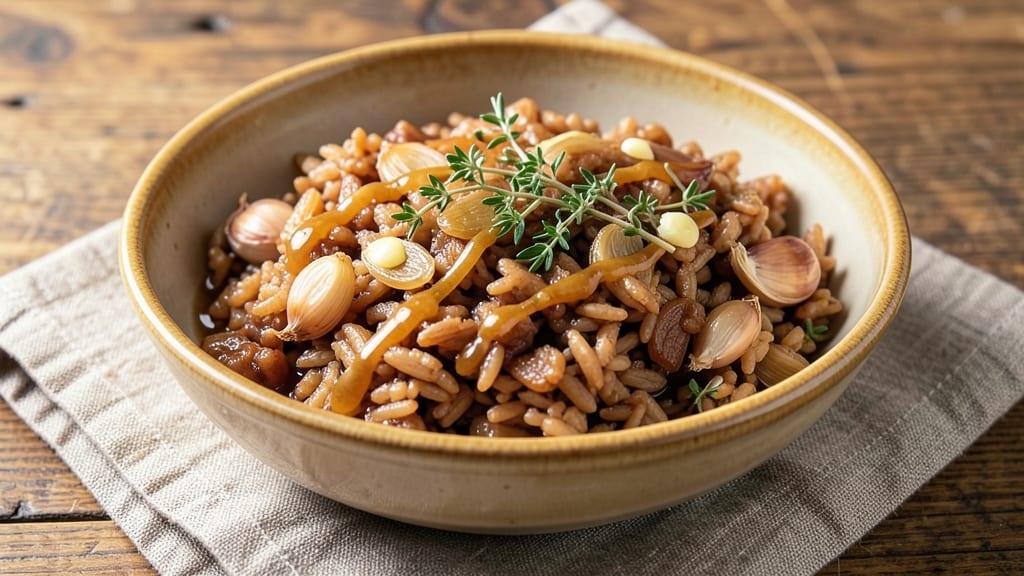
This brown butter rice recipe transforms simple grains into a rich, nutty side dish with just one pot and 30 minutes of hands-on time. The key lies in browning the butter first—where it develops that signature toasted aroma and deep, caramelized flavor that elevates every grain.
What starts as plain white rice becomes a fragrant, golden dish with a subtle crunch and velvety texture, perfect for soaking up sauces or standing alone as a vegetarian main.
Mastering the technique ensures you avoid common pitfalls like burnt butter or mushy rice. We'll guide you through the precise heat levels and timing needed to achieve that ideal balance—creamy yet distinct, with a nutty depth that makes this rice unforgettable.
Whether pairing it with roasted chicken or serving it as a hearty bowl, this one-pot method simplifies dinner while delivering restaurant-quality results.
Ingredients for brown butter rice
Simple ingredients transform into restaurant-quality brown butter rice with nutty depth and golden aroma.
| Ingredient | Amount | Notes |
|---|---|---|
| Long-Grain White Rice 🍚 | 1 cup | Uncooked, rinsed thoroughly |
| Unsalted Butter 🧈 | ½ cup | Cold, cut into pieces |
| Shallot 🧅 | 1 whole | Minced finely for sweetness |
| Garlic Cloves 🧄 | 3 cloves | Minced for aromatic depth |
| Vegetable Broth 💧 | 1 ½ cups | Low-sodium preferred |
| Fresh Thyme Leaves 🌿 | 1 tbsp | Or 1 tsp dried thyme |
| Salt 🧂 | ¾ tsp | Diamond Crystal kosher |
| Black Peppercorns 🌶️ | ½ tsp | Freshly cracked preferred |
| Toasted Sesame Oil 🫒 | 1 tsp | For finishing aroma |
| Green Onions 🧅 | 2 whole | Sliced thin for garnish |
The butter is non-negotiable here—unsalted, cold, and cut into pieces for even browning. European-style butter like Plugrá or Land O'Lakes works best, but any quality brand will do. Look for high-fat content (82% or higher) for maximum flavor development. The shallot adds subtle sweetness without overpowering; substitute 1 tbsp minced red onion if needed. Fresh thyme is ideal, but dried works at one-third the amount. For extra depth, toast the thyme leaves in a dry pan for 30 seconds before adding to the butter.
No sesame oil on hand? Toasted peanut oil or avocado oil adds a similar nutty finish. Short on vegetable broth? Chicken broth or even water with an extra pinch of salt keeps the dish flavorful. The rice should be long-grain white—jasmine or basmati won't achieve the same creamy texture. For a vegetarian twist, add 1/4 cup frozen peas or diced bell peppers during the last 5 minutes of cooking. The green onions are optional but add a bright pop of color—skip if you prefer minimal garnish.
Store any leftovers in an airtight container for up to 4 days in the fridge. Reheat gently with a splash of water or broth to restore moisture. This rice reheats beautifully—even better the next day as flavors meld. For meal prep, portion into individual containers with a drizzle of sesame oil to keep it fresh. Freeze for up to 3 months by spreading cooked rice on a tray to freeze solid first, then transferring to a bag.
Why You'll Love This Recipe
- No Chopping Chaos: I swear, this recipe only asks for two things to dice—shallots and garlic. That’s it. Even my kitchen-phobic roommate could handle it.
- Nutty, Golden Magic: Brown butter? Oh, it’s a game-changer. That toasty, caramelized butter coats every grain, turning plain rice into something rich and irresistible—like a hug in a bowl.
- Leftover Hero: This rice tastes even better the next day. I make a big batch on Sundays, and by Wednesday, it’s still the star of my lunch. Just reheat with a splash of broth—no dry rice here.
- Budget-Friendly Luxury: Four ingredients, zero guilt. Butter’s the splurge, but a little goes a long way, and the rest? Pantry staples. Feeds four for under $5, and everyone’s happy.
Step-by-step instructions for brown butter rice
Transform simple rice into a rich, nutty masterpiece with this foolproof brown butter technique.
Brown the Butter Until Golden and Aromatic
Cut the 0.5 cup unsalted butter into small cubes and place them in a heavy-bottomed pot over medium heat. Let the butter melt completely, then increase the heat to medium-high. Watch closely as the butter begins to foam and bubble—this is when the magic happens.
As the butter continues to cook, it will turn from pale yellow to a deep golden brown, releasing an incredible nutty aroma. This process, called browning, creates complex flavors that elevate the entire dish. Once the butter reaches a rich, toasted brown color with small browned bits at the bottom (about 5-7 minutes), immediately remove the pot from heat.
Here's the thing—browned butter burns quickly. If it starts to smoke or darken too much, reduce the heat slightly. The goal is golden brown, not blackened. Let the butter cool for just 1 minute before proceeding to prevent steam from forming and diluting those precious flavors.
Sauté Shallots and Garlic in the Browned Butter
Return the pot to medium heat and add the minced shallot. Stir occasionally for 2-3 minutes until the shallots soften and become translucent. The browned butter will coat the shallots beautifully, creating a sweet, caramelized base.
Add the minced garlic cloves and cook for another 30 seconds until fragrant. You'll know it's ready when the garlic releases its pungent aroma—don't let it brown or it'll turn bitter. The combination of shallots and garlic in that nutty brown butter is where the real flavor development happens.
If the butter starts to look dry or the shallots stick, add 1 tablespoon vegetable broth to deglaze the pan. This ensures you don't lose any of that precious browned butter flavor that's stuck to the bottom.
Toast the Rice in the Flavorful Butter Mixture
Add the 1 cup long-grain white rice to the pot and stir to coat each grain thoroughly in the browned butter mixture. Toast the rice for 2-3 minutes, stirring frequently, until the grains become translucent at the edges. This step is crucial—it prevents the rice from becoming mushy and adds another layer of nutty flavor.
You'll notice the rice starts to look slightly glossy as the butter coats it. This is your signal that the rice is ready for liquid. If it begins to stick or brown too much, reduce the heat slightly. The goal is to develop flavor, not burn the rice.
Cook the Rice with Broth and Seasonings
Pour in the 1.5 cups vegetable broth, stirring gently to combine. Add the 1 tbsp fresh thyme leaves, 0.75 tsp salt, and 0.5 tsp black peppercorns. Bring the mixture to a gentle boil, then immediately reduce the heat to low, cover the pot with a tight-fitting lid, and remove from direct heat.
This is where the rice does most of its cooking. Let it steam undisturbed for 15 minutes. The residual heat will continue cooking the rice evenly. After 15 minutes, check the rice—it should be tender but still have a slight bite in the center.
If the rice needs more time, return it to low heat for 2-3 minutes at a time, checking frequently. The key is to avoid overcooking, which turns rice mushy. You want each grain to be distinct and fluffy.
Finish with Toasted Sesame Oil and Garnish
Once the rice is perfectly cooked, remove it from heat and let it sit covered for 5 minutes. This resting period allows the rice to absorb any remaining liquid and become even more flavorful.
After resting, fluff the rice gently with a fork and stir in the 1 tsp toasted sesame oil. This adds a final aromatic depth that complements the nutty brown butter perfectly. The oil should be distributed evenly throughout the rice.
Finally, garnish with thinly sliced green onions for a pop of freshness and color. Serve immediately while the rice is still warm and the flavors are at their peak. Each bite should deliver a perfect balance of nutty brown butter, aromatic thyme, and the subtle sweetness of the shallots.
Pro Tips For Making Brown Butter Rice
- Brown Butter First: DESCRIPTION: Melt the butter until it’s actually brown—deep golden, with nutty aroma and flecks of foam. I used to stop at light gold and wondered why my rice tasted bland. The real flavor happens when it smells like a bakery, not just warm milk.
- Toast Shallots Low: DESCRIPTION: Sauté the sliced shallots on low heat for 5–7 minutes until soft and translucent. High heat burns them before the garlic even hits the pan. This step builds flavor without bitterness—trust me, your rice will taste richer.
- Measure Broth Cold: DESCRIPTION: Use cold vegetable broth straight from the fridge to avoid overcooking the rice while it simmers. Hot broth heats up the pot too fast, and before you know it, your rice is mushy. Cold broth gives you control.
- Stir Once, Then Leave: DESCRIPTION: After adding rice and broth, stir just once to distribute, then walk away. Peeking or stirring releases steam and dries out the grains. Set a timer, ignore the pot—perfect rice happens when you let it do its thing.
Dietary considerations for this brown butter rice
Gluten-Free Adaptations
This recipe is naturally gluten-free as long as you use certified gluten-free ingredients. The key is ensuring your vegetable broth and rice are labeled gluten-free. I recommend Annie's Homegrown vegetable broth and Lundberg Family Farms gluten-free rice for reliable options.
Always check labels since cross-contamination can occur in shared facilities. 🌱
Dairy-Free Options
For a dairy-free version, replace the butter with 1/4 cup coconut oil or olive oil and add 1/4 cup nutritional yeast for a nutty, cheesy flavor. Brown the oil just like butter until it reaches a golden color.
The texture will be slightly different but still delicious. I've found Miyoko's Creamery coconut oil works best for browning.
Low-Fat Adjustments
To reduce fat while keeping flavor, use 1/4 cup butter instead of 1/2 cup and add 1 tbsp olive oil to the broth. The olive oil adds richness without as much fat.
You can also use 1/4 cup low-fat butter (like Land O'Lakes Light) and increase the thyme to 1.5 tbsp for extra depth. The rice will still be flavorful but with fewer calories.
Nut-Free Considerations
This recipe is naturally nut-free, but if you're avoiding sesame, skip the toasted sesame oil and replace it with 1/2 tsp toasted avocado oil or extra virgin olive oil.
For garnish, use thinly sliced chives instead of green onions if you're avoiding alliums. The brown butter rice remains delicious without these optional additions.
High-Protein Boost
Add 1/2 cup cooked quinoa or 1/4 cup black beans to the finished rice for extra protein. If using quinoa, cook it separately and mix it in during the final fluffing step.
For beans, rinse and drain a can of low-sodium black beans, then stir them into the rice with the sesame oil. This makes the dish more filling while keeping the brown butter flavor intact.
Vegetarian & Vegan
This recipe is already vegetarian-friendly, but for a vegan version, use vegan butter (like Miyoko's Creamery) and ensure your broth is vegetable-based. Add 1 tbsp nutritional yeast to the broth for an umami boost.
The flavor profile remains rich and satisfying without any animal products. I've made this vegan version countless times for plant-based friends, and they always ask for seconds. 💚
Nutrition facts
Frequently asked questions
Why does the butter need to brown for this rice?
Browning the butter develops deep, nutty flavors through the Maillard reaction—those golden bits at the bottom create complex aromas that plain butter can't match. This transforms simple rice into something rich and aromatic, with a subtle crunch from the toasted butter bits. Skipping this step means missing the signature depth of brown butter rice.
Can I use basmati rice instead of long-grain white?
Yes, but expect a slightly different texture. Basmati will be more fragrant and separate, while long-grain white creates a creamier, more cohesive dish. For best results with basmati, reduce the broth by 1/4 cup since it absorbs less liquid. Jasmine rice won't work as well—it becomes too sticky when cooked with butter.
What if my butter burns before browning?
Watch the heat closely! If it starts smoking, immediately reduce to medium-low and stir constantly. The butter should foam and bubble gently before turning golden. For next time, use a lighter-colored pot (dark pots overheat) and cut butter into smaller pieces. If it burns, scrape out the browned bits—they're flavorful, but too much will make the rice bitter.
How can I make this rice ahead of time?
Cook the rice as directed, then let it cool completely. Store in an airtight container for up to 4 days in the fridge. To reheat, sprinkle with 1 tsp water or broth per cup of rice, cover, and microwave for 2-3 minutes. For leftovers, the flavors actually improve as they sit—just add a drizzle of sesame oil before serving to refresh the aroma.
What's the best way to serve this rice?
This rich rice pairs perfectly with proteins like roasted chicken, grilled salmon, or crispy tofu. For a vegetarian main, top with sautéed mushrooms or a fried egg. The nutty flavor also works beautifully in grain bowls—combine with roasted vegetables, avocado, and a drizzle of tahini. Serve warm for optimal texture and aroma.