
Main Courses
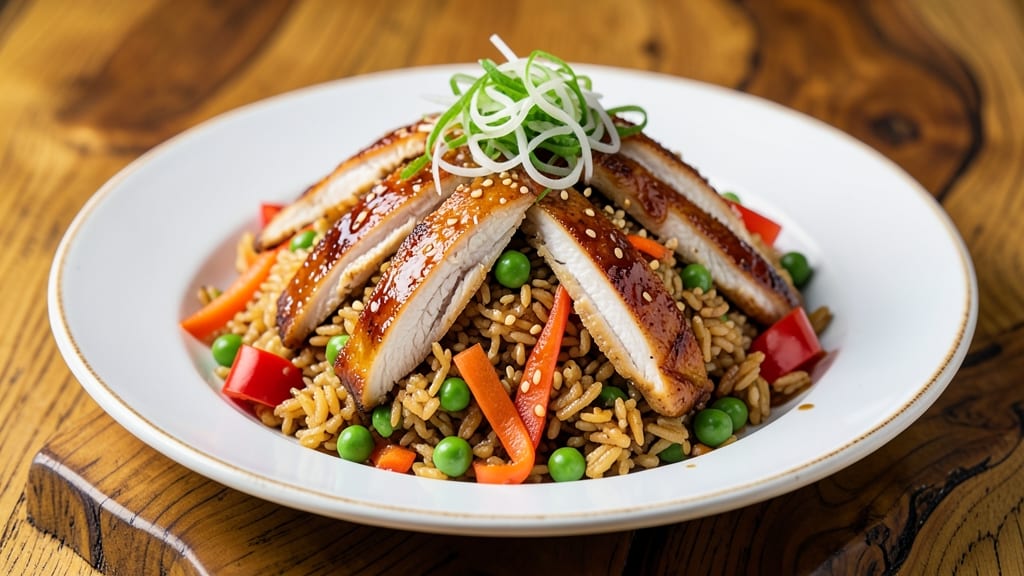
This healthy brown fried rice recipe transforms a classic comfort dish into a nutrient-packed powerhouse—packed with lean protein, whole grains, and bold flavors without sacrificing taste. The secret lies in using brown rice for fiber and texture, paired with a wok-toss technique that keeps everything vibrant and fresh.
I’ve perfected this version to balance nutrition and satisfaction, making it a go-to for weeknight dinners or meal prep.
What makes this recipe stand out is its lean protein focus—think grilled chicken, shrimp, or tofu—while still delivering that signature crisp-tender texture and savory depth. The veggie mix (bell peppers, peas, carrots) adds crunch and color, and a simple soy-ginger sauce ties everything together.
It’s the kind of dish that feels indulgent but actually supports your wellness goals—no compromises, just smarter choices. Ready to toss it together?
Ingredients for brown fried rice recipe healthy
Brown rice, lean protein, and vibrant vegetables come together for a wok-tossed masterpiece.
| Ingredient | Amount | Notes |
|---|---|---|
| Brown Rice 🍚 | 1 ½ cups | Uncooked, long-grain preferred |
| Boneless Chicken Breast 🍗 | 1 ½ lb | Grilled or pan-seared, diced |
| Red Bell Peppers 🧅 | 1 ½ cups | Diced, any color variety |
| Carrots 🥕 | 1 ½ cups | Julienned or finely diced |
| Frozen Peas 🌿 | ½ cup | Thawed, no need to drain |
| Green Onions 🧅 | ½ cup | Thinly sliced, white and green parts |
| Extra-Firgin Olive Oil 🫒 | 2 tbsp | For high-heat wok tossing |
| Low-Sodium Soy Sauce 🥢 | 3 tbsp | For umami depth |
| Sesame Oil 🫒 | 1 tbsp | Toasted aroma, not for cooking |
| Fresh Ginger 🧄 | 1 tbsp | Grated, finely minced |
| Garlic Cloves 🧄 | 3 cloves | Minced, fresh preferred |
| Diamond Crystal Kosher Salt 🧂 | ½ tsp | Adjust to taste |
| Black Pepper 🌶️ | ¼ tsp | Freshly cracked |
| Lime Wedges 🍋 | 2 whole | For serving, freshly cut |
| Fresh Cilantro 🌿 | ¼ cup | Chopped, for garnish |
The brown rice is the foundation here—jasmine or long-grain varieties work best for texture. Look for organic brands at Whole Foods or your local Asian market for superior quality. The rice should be cooked al dente (slightly firm) before stir-frying to avoid mushiness. For the protein, pre-grilled chicken breast saves time and ensures even cooking—just dice it into bite-sized pieces. If you prefer shrimp or tofu, use firm tofu pressed for 15 minutes or shrimp thawed overnight in the fridge.
No fresh ginger? Powdered ginger at half the amount will work in a pinch, though fresh delivers that bright, zesty punch. Swap the bell peppers for broccoli florets or snap peas if you're short on time—just adjust cooking time by 1-2 minutes. The soy sauce can be reduced-sodium if preferred, but low-sodium gives you more control over seasoning. For extra crunch, add water chestnuts or mushrooms at the end of cooking. And if you're meal prepping, cook the rice and protein ahead—they reheat beautifully.
Store cooked rice in an airtight container for 4-5 days in the fridge, or freeze for 3 months in portion-sized bags. The protein and vegetables are best used fresh, but prepped components keep well for 2 days. To reheat, use a nonstick skillet with a splash of water to steam—this restores that crisp-tender texture. Garnish with lime and cilantro just before serving to keep flavors vibrant. For a vegetarian version, swap the chicken for extra tofu or tempeh and boost umami with mushrooms.
Why You'll Love This Recipe
- One-Pan Magic: I swear by this for busy nights—just brown the chicken, toss in the veggies, and let the rice soak up all the flavors. No extra pots, no extra stress, and honestly? The chicken stays juicy because it cooks right in the pan.
- Nutty Crunch Factor: That toasted brown rice? It’s where the magic happens—chewy, slightly crisp, and packed with fiber. Add the roasted red bell peppers and carrots, and suddenly you’ve got a dish that’s ridiculously satisfying without feeling heavy.
- Lunchbox Hero: Between us, this is my go-to for meal prep. The chicken stays tender for days, the veggies hold up perfectly, and I can batch-cook it all at once. Pack it cold or reheat it—either way, it’s a hit with my kids (yes, even on a Tuesday).
- Budget Meal, Big Payoff: Brown rice and frozen peas stretch this recipe further than you’d think. A single chicken breast feeds four, and the veggies? They’re cheap and versatile. I’ll be real: I’ve made this for date nights, potlucks, and lazy Sundays—no excuses, just flavor.
Step-by-step instructions for brown fried rice with lean protein
Transform simple ingredients into a nutrient-dense, flavorful dish with this precise technique.
Prepare the Brown Rice Foundation
Rinse the 1.5 cups brown rice thoroughly under cold water until the water runs clear—this removes excess starch and prevents gummy texture. Combine with 3 cups water (or follow package instructions) in a pot and bring to a boil over high heat. Once boiling, reduce to medium-low heat, cover, and simmer for 45 minutes until all liquid is absorbed and rice is tender but still slightly firm.
Resist the urge to peek during cooking—steam buildup affects texture. After cooking, spread the rice on a baking sheet to cool completely and break up any clumps with a fork. The rice should be dry enough to crisp when tossed later. This step ensures your fried rice has proper texture and absorbs flavors evenly.
Cook the Protein and Vegetables Separately
Heat 1 tablespoon extra-virgin olive oil in a large skillet over medium-high heat. Add the 1.5 lb diced boneless chicken breast and cook for 6-8 minutes until the chicken reaches 165°F internally and develops golden-brown edges. Remove and set aside, reserving any accumulated juices.
In the same skillet, add 1 tablespoon extra-virgin olive oil and sauté the 1.5 cups diced red bell peppers and 1.5 cups julienned carrots for 5-6 minutes until they soften but retain vibrant color. Add the 0.5 cup thawed frozen peas and cook for an additional 2 minutes. Season with 0.25 tsp black pepper and set aside with the chicken.
Build the Flavor Base
In a clean wok or large skillet, heat 1 tablespoon extra-virgin olive oil over high heat until shimmering. Add the 3 minced garlic cloves and 1 tbsp finely minced fresh ginger, stirring constantly for 30 seconds until fragrant but not browned. Immediately add the 0.5 cup sliced green onions and stir for 1 minute to wilt the whites while keeping the greens bright.
Pour in the 3 tbsp low-sodium soy sauce and 1 tbsp sesame oil, stirring to combine. This creates the flavor foundation—don't skip the high heat at this stage, as it develops the umami depth. The mixture should smell intensely aromatic with a balance of savory and citrusy notes from the sesame oil.
Combine and Finish the Dish
Add the cooked brown rice to the wok and toss vigorously for 3-4 minutes over high heat, breaking up any remaining clumps. Incorporate the chicken and vegetables, stirring continuously to distribute the flavors evenly. The rice should develop a golden crust in spots while remaining tender throughout.
Taste and adjust seasoning with additional 0.5 tsp diamond crystal kosher salt if needed. The dish should balance sweetness from the carrots and peppers, umami from the soy sauce, and a subtle heat from the ginger. Remove from heat and let rest for 2 minutes to allow flavors to meld.
Serve with Fresh Garnishes
Divide the fried rice among plates and garnish with 0.25 cup chopped fresh cilantro and serve with 2 lime wedges on the side. The acidity from the lime brightens the dish, while the cilantro adds freshness. For optimal presentation, sprinkle additional sesame seeds if you have them on hand.
This method creates a balanced, protein-rich dish with fiber from the brown rice and vegetables, while the high-heat wok technique ensures maximum flavor extraction without excess oil. Serve immediately while the rice maintains its slight crispness and vibrant colors.
Pro Tips For Making Brown Fried Rice Recipe Healthy
- COOK CHICKEN UNTIL 165°F: I used to pull chicken off the heat at 160°F, but it always ended up dry in the rice. Now I cook it to 165°F, then let it rest 5 minutes before slicing—keeps it juicy while the rice absorbs flavor.
- PREP PEPPERS AND CARROTS SMALL: Big chunks of bell pepper and carrot take forever to soften. Dice them into ¼-inch pieces—they’ll cook faster and blend better into the rice without turning mushy.
- USE DAY-OLD BROWN RICE: Freshly cooked brown rice is too wet and turns gluey. Save leftover rice from dinner or cook a batch ahead, then spread it on a tray to dry out slightly before stir-frying.
- STIR-FRY IN BATCHES: Crowding the pan steams the rice instead of browning it. Cook half the rice first, push it to one side, then add the rest to the hot wok—you’ll get that nutty, toasted flavor without soggy bits.
Wine and beer pairings for this recipe
Light Beer Pairings
A crisp pilsner like Sierra Nevada Pale Ale cuts through the rich umami of the soy sauce while complementing the bright ginger and garlic notes. The light body and subtle hop bitterness prevent the dish from feeling too heavy, making it ideal for balancing the fried rice's savory depth.
I always keep a six-pack of this in my fridge for quick weeknight meals. 🍺
Sake for Traditional Balance
For an authentic touch, serve with dry junmai sake chilled to 45°F. The clean, slightly nutty profile mirrors the brown rice's earthiness while enhancing the dish's natural sweetness from the carrots.
Look for brands like Gekkeikan—their Nihonshu line is perfect for this pairing. The alcohol content is low enough to let the fried rice shine.
White Wine Contrast
A zesty Vermentino from Sardinia provides the perfect acidity to refresh your palate between bites. The citrus notes in the wine echo the lime garnish, while its mineral finish cleanses the rich flavors.
I recommend Cantina Mesu—their 2022 Vermentino is my go-to for this dish. Serve it slightly chilled (50°F) to enhance its brightness. 🍷
Spiced Rum Cocktail
For a festive twist, mix 1.5 oz dark rum (like Appleton Estate) with 0.5 oz lime juice, 0.5 oz honey syrup, and a dash of Angostura bitters. The rum's caramel notes harmonize with the brown rice, while the bitters add complexity.
Serve over crushed ice with a lime wedge—this cocktail turns your fried rice into a celebratory meal. ✨
Non-Alcoholic Sparkling Tea
For a refreshing non-alcoholic option, try San Pellegrino Aranciata Rossa—its blood orange flavor complements the dish's sweet and savory elements. The effervescence also helps reset your palate between bites. I love this option for brunch or when I'm avoiding alcohol but still want that crisp, vibrant contrast. 💫
Nutrition facts
Frequently asked questions
Can I use white rice instead of brown rice for a healthier version?
White rice loses its fiber and nutrients during processing, so brown rice is the healthier choice here—but if you must use white, opt for brown rice blends or jasmine rice (which has slightly more nutrients than long-grain white). For a lighter texture, rinse the rice thoroughly before cooking to remove excess starch. The fiber in brown rice keeps you full longer, making this dish more satisfying for weight management.
How do I prevent my fried rice from getting mushy?
Undercooked or overly moist rice is the #1 cause of mushy fried rice. Always cook the rice until it's completely dry (no liquid left), then spread it on a baking sheet to cool and break up clumps. Use a wok or nonstick skillet on high heat and stir constantly for 3-4 minutes—this creates crisp edges while keeping the center tender. Never add water or oil to the rice after cooking!
What's the best way to reheat leftover brown fried rice?
Reheat in a nonstick skillet over medium heat with a splash of water (just 1-2 teaspoons) to steam it gently. Stir constantly for 3-4 minutes until heated through. Microwaving works too, but add a damp paper towel to prevent dryness. For extra crispiness, finish with a quick toss in the skillet after reheating. The high heat helps restore that wok-tossed texture!
Can I make this recipe vegetarian or vegan?
Swap the chicken for extra-firm tofu (pressed for 15 minutes) or tempeh (marinated in soy sauce and garlic). Add mushrooms or edamame for extra umami, and use vegan sesame oil if needed. For a vegan version, ensure your soy sauce is certified vegan. The recipe stays balanced with plant-based proteins while keeping all the flavor.
Why does my fried rice taste bland?
Blandness usually comes from under-seasoning or overcooking. First, ensure you're using low-sodium soy sauce—it gives you more control over saltiness. Taste as you go and adjust with extra sesame oil (1/2 tsp at a time) or a pinch of white pepper. Also, don't overcrowd the pan—cook proteins and veggies separately to avoid steaming flavors out. High heat is key for developing depth!