
Main Courses
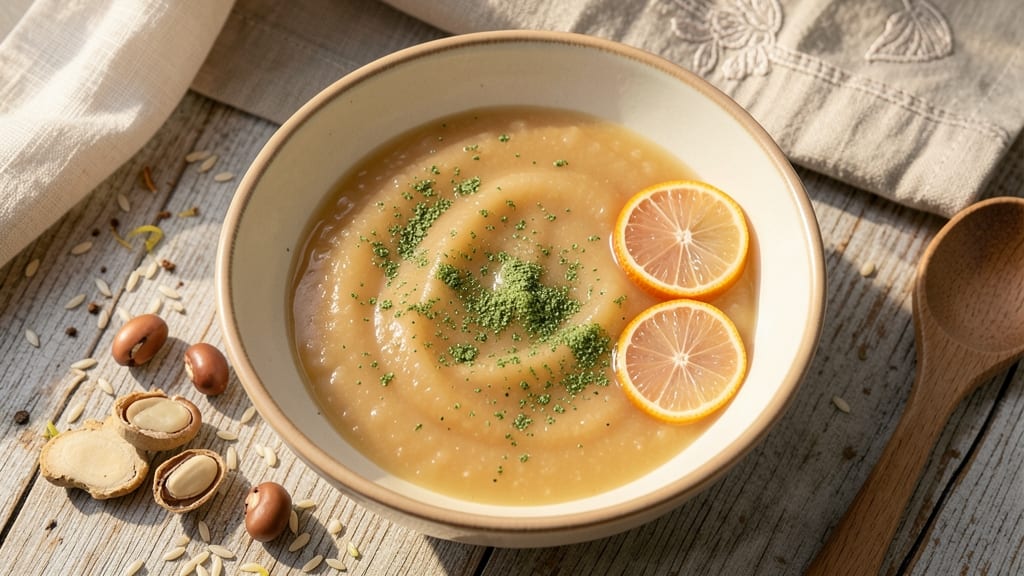
This brown rice amazake recipe transforms simple whole grains into a velvety fermented drink with natural sweetness and deep umami richness—no refined sugar needed. The process relies on koji mold's magic to convert starches into fermented sweetness, creating a beverage that bridges traditional Japanese craftsmanship with modern simplicity.
What makes this recipe special is its dual functionality: serve it warm as a comforting drink or use it to sweeten desserts and sauces. The fermentation develops complex flavors over 3-5 days, with careful temperature control ensuring safety while building character.
Each sip reveals layers of caramelized rice notes balanced by subtle tang.
Perfect for health-conscious drinkers seeking natural sweetness or those exploring fermented foods, this amazake adapts beautifully to flavor variations—think roasted soybeans for nuttiness or dates for caramel depth. The result is a beverage that pairs elegantly with vegan desserts or complements traditional Japanese meals like miso soup.
Ingredients for brown rice amazake
Transform whole grains into fermented sweetness with these carefully selected ingredients.
| Ingredient | Amount | Notes |
|---|---|---|
| Brown Rice 🌾 | 1 cup | Unpolished, whole grain preferred |
| Koji Mold (Aspergillus oryzae) 🍄 | 2 tbsp | Cultured, available in Asian markets |
| Water 💧 | 4 cups | Filtered, room temperature |
| Roasted Soybeans 🌰 | ¼ cup | For nuttiness, optional but recommended |
| Fresh Ginger 🧄 | 1 inch | Peeled, sliced thinly |
| Fresh Ginger 🧄 | ½ oz | Peeled, grated for flavor infusion |
| Dates 🍈 | 4 whole | Pitted, for caramel depth |
| Non-Dairy Yogurt 🥛 | ½ cup | Coconut or almond-based starter |
| Sea Salt 🧂 | ½ tsp | Fine grain, for fermentation balance |
| Black Sesame Seeds 🌱 | 1 tbsp | Toasted, for garnish |
| Agave Nectar 🍯 | 2 tbsp | Optional sweetener adjustment |
| Miso Paste 🍶 | 1 tbsp | White or red, for umami depth |
| Lemon Juice 🍋 | 1 tsp | Fresh, for fermentation pH |
The koji mold is the heart of this recipe—Japanese markets or specialty Asian grocers carry the highest quality. Look for Aspergillus oryzae cultures specifically labeled for amazake. Brown rice should be unpolished to retain its nutritional integrity; brands like Lundberg Family Farms offer excellent organic options. Roasted soybeans can be found in the bulk section of health food stores or Asian markets—San Francisco Bay Area markets often have the best selection. Fresh ginger should have vibrant color and firm texture; avoid any with soft spots or mold.
No koji mold? Kombucha SCOBY can substitute in a pinch, though flavor will differ. Substitute roasted soybeans with toasted pumpkin seeds for a different nutty profile. Dates can be swapped for figs or dates puree if preferred. The non-dairy yogurt starter is crucial—coconut-based yogurt works best due to its neutral flavor. For extra umami, increase miso paste to 2 tablespoons. If your amazake turns out too tart, add 1 extra tablespoon agave nectar during the blending stage.
Store koji mold in the refrigerator between uses for up to 2 weeks. Fermented amazake keeps in the fridge for 1 week—flavors deepen over time. For longer storage, freeze in ice cube trays for use in baking or sauces. The black sesame seeds should be toasted in a dry pan for 2-3 minutes until fragrant before using. Always use a clean fermentation vessel to prevent contamination—glass jars are ideal.
Why You'll Love This Recipe
- No Fermentation Fuss: I swear by this recipe because it skips the hours-long wait of traditional amazake. Just soak the brown rice with koji mold, add water, and let it sit overnight—no stirring, no stress. Honestly, I’ve made it while prepping for work; it’s that hands-off.
- Umami Bomb Combo: That ginger-kick from fresh ginger and nutty crunch of roasted soybeans? It’s the perfect balance—sweet, funky, and savory all at once. I’ll be real: my first batch had way too much ginger, but now I double-check and still can’t resist seconds.
- Breakfast to Dessert: Morning smoothie? Check. Overnight oats mixer? Done. Even drizzled over vanilla ice cream—yes, really. Between us, I’ve used it in everything from savory miso soup to a quick dessert dip, and it never lets me down.
- Budget-Friendly Staple: Brown rice and soybeans are cheap, and a little koji mold goes a long way. I make a big batch, store it in the fridge, and it lasts weeks—no waste, no extra grocery runs. Plus, it’s way cheaper than buying pre-made amazake. My wallet thanks me.
Step-by-step instructions for brown rice amazake
Transform simple ingredients into a velvety fermented porridge with balanced sweetness and umami depth.
Prepare the Fermentation Base
In a large bowl, combine the 1 cup brown rice with the 2 tablespoons koji mold and mix thoroughly using clean hands or a silicone spatula. The koji will begin breaking down the rice starches immediately, creating a slightly sticky texture. Add 4 cups room temperature water and stir until fully incorporated—you should see the rice begin to soften within 5 minutes. Cover the bowl with a clean kitchen towel and let it ferment at room temperature for 12-16 hours.
Here's the thing—fermentation temperature matters. Keep the bowl in a warm spot (around 75°F), but avoid direct sunlight. You'll notice the mixture develop a faintly sweet aroma and become slightly effervescent by the end. This is your signal that the koji has activated properly. If left too long, the mixture may develop an overly sour taste, so monitor closely.
Blend and Infuse Flavors
Transfer the fermented rice mixture to a high-speed blender along with the 0.25 cup roasted soybeans, 1 inch sliced fresh ginger, 0.5 oz grated fresh ginger, 4 pitted dates, and 1 tablespoon miso paste. Blend on high for 2-3 minutes until completely smooth, scraping down the sides as needed. The texture should be silky, with no visible rice particles remaining. This blending step creates the signature velvety body of amazake.
After blending, pour the mixture back into a clean bowl and stir in the 0.5 cup non-dairy yogurt and 0.5 teaspoon sea salt. The yogurt adds probiotic depth while the salt enhances the umami from the miso and koji. Let this mixture rest at room temperature for 30 minutes to allow the flavors to meld. You'll notice the aroma become more complex—caramel notes from the dates, earthy umami from the miso, and a subtle ginger warmth.
Simmer for Depth of Flavor
Transfer the blended mixture to a heavy-bottomed saucepan and place over medium-low heat. Stir in 2 tablespoons agave nectar and 1 teaspoon lemon juice, then bring to a gentle simmer. Cook uncovered for 20-25 minutes, stirring frequently with a silicone spatula to prevent sticking. The mixture should thicken gradually into a porridge-like consistency, with small bubbles forming at the edges.
Watch the color carefully—it should develop a rich, caramelized hue from the dates and soybeans. Taste after 15 minutes and adjust sweetness if needed by adding more agave nectar. The lemon juice helps balance the fermentation tang while brightening the overall profile. Remove from heat once the texture reaches your desired thickness—it will continue to set slightly as it cools.
Finish and Garnish
Let the amazake cool to room temperature (about 30 minutes), then transfer to serving bowls. Garnish each portion with 1 tablespoon toasted black sesame seeds and serve immediately. The contrast between the cool porridge and warm sesame seeds adds textural interest. For best results, consume within 24 hours as the fermentation continues to develop subtle tanginess over time.
This recipe yields 4 servings—each with a perfect balance of sweet, savory, and fermented complexity. The roasted soybeans add nuttiness, while the ginger and miso provide warmth and depth. The result is a modern interpretation of traditional amazake that's both comforting and sophisticated.
Pro Tips For Making Brown Rice Amazake
- Rinse Rice Twice: Soak your brown rice in fresh water for 30 minutes, then drain and rinse it two more times—this cuts down on the gritty texture that ruins smooth amazake. I learned this the hard way after my first batch tasted like sandpaper.
- Sterilize Your Koji: Scrub your koji container with boiling water before adding the mold—this prevents contamination. I skipped this once and ended up with a funky, off-flavor batch that took three tries to fix.
- Grind Soybeans Coarse: Pulse your roasted soybeans in short bursts until they’re roughly chopped, not powdered—this keeps the amazake’s body rich without turning it into paste. Too fine, and you’ll end up with a gluey mess.
- Simmer Slow and Low: Reduce the heat to the lowest setting after the first 20 minutes of simmering—boiling too hard turns the amazake bitter. I used to rush it, and the flavor was always harsh until I dialed it back.
Serving suggestions for this recipe
Warm Beverage Pairings
Sip your homemade amazake warm as a cozy alternative to coffee or tea. Pair it with a matcha latte made from organic Ippodo Tea powder for an earthy, caffeine-free morning ritual.
The ginger and miso in the amazake complement matcha's grassy notes beautifully. For an evening treat, serve alongside steamed mochi—the chewy texture contrasts perfectly with the smooth amazake. 🍵
Vegan Dessert Complements
Use amazake as a natural sweetener for desserts. Drizzle it over chilled coconut milk chia pudding or fold it into vegan chocolate mousse made with Avocadu chocolate.
The fermented depth elevates simple desserts, making them taste restaurant-quality. For a Japanese-inspired touch, serve with warabi mochi—its jelly-like texture pairs wonderfully with the amazake's richness.
Traditional Japanese Meals
Amazake pairs elegantly with classic Japanese dishes. Serve it alongside miso soup to enhance the umami flavors—add a spoonful directly to your bowl for extra depth. It also complements grilled tofu with shiso leaves or steamed vegetables with ponzu sauce.
The natural sweetness balances the savory notes perfectly. For a complete meal, pair with steamed rice and pickled vegetables for a balanced, fermented-forward experience. 🍱
Breakfast Boost
Start your day with amazake as a breakfast drink. Mix it into oatmeal with almond butter and sliced banana for a protein-rich bowl. The fermented sweetness reduces the need for added sugar.
For a savory twist, blend it into a smoothie with spinach, avocado, and lemon juice—the ginger adds a refreshing kick. Try it in pancakes by replacing milk with amazake for naturally sweetened fluffiness.
Seasonal Adaptations
In summer, chill the amazake and serve it over ice with a sprinkle of toasted sesame seeds and a slice of fresh lime. For winter, warm it with a pinch of cinnamon and serve with steamed apples.
The warm spices enhance the amazake's natural sweetness. During cherry blossom season, garnish with edible flowers for a delicate, seasonal touch that highlights the drink's delicate flavors. 🌸
Culinary Uses Beyond Drinking
Amazake isn't just for sipping—use it in cooking! Reduce it by half to make a glaze for roasted vegetables or grilled tofu. Stir it into vegan gravy for depth, or use it as a marinade for tempeh before baking.
The fermentation adds complexity to sauces, making them taste more developed. Store leftover amazake in the fridge for up to 1 week or freeze in ice cube trays for later use in baking. 💡
Nutrition facts
Frequently asked questions
Why does my amazake taste too sour?
Fermentation gone too far is the most common cause. For brown rice amazake, the ideal fermentation time is 3-5 days at 75°F. If it tastes overly tart, reduce fermentation time next batch or store it in the fridge after 2 days to slow the process. Adding 1 extra tablespoon agave nectar during blending can also balance the acidity.
Can I make amazake without koji mold?
Yes, but the flavor will differ significantly. Use a kombucha SCOBY (1 piece) or 1/4 cup plain coconut yogurt as a starter instead. Ferment for 7-10 days at room temperature, stirring daily. The result will be less complex but still probiotic-rich. For best results, invest in koji mold for authentic flavor.
How do I know when the amazake is properly fermented?
Look for three key signs: bubbles forming on the surface, a faintly sweet aroma (like caramelized rice), and a slightly effervescent texture. The mixture should also thicken noticeably. Taste a small amount—proper fermentation yields a balanced sweet-tangy flavor, not overly sour or flat.
What can I substitute if I don't have roasted soybeans?
Try toasted pumpkin seeds (1/4 cup) for a different nutty profile or white beans (1/4 cup) for creaminess. For extra umami, add 1 extra tablespoon miso paste. Avoid almonds or cashews—they can overpower the delicate rice flavor. Toast your substitute lightly before adding to enhance nuttiness.
Can I make amazake with white rice instead?
Technically yes, but brown rice is preferred for its nutritional benefits and earthier flavor. White rice will create a lighter, sweeter amazake with less depth. If using white rice, increase the koji mold to 3 tablespoons and ferment for 1 extra day to compensate for the lower fiber content. The texture will also be less creamy.