
Main Courses
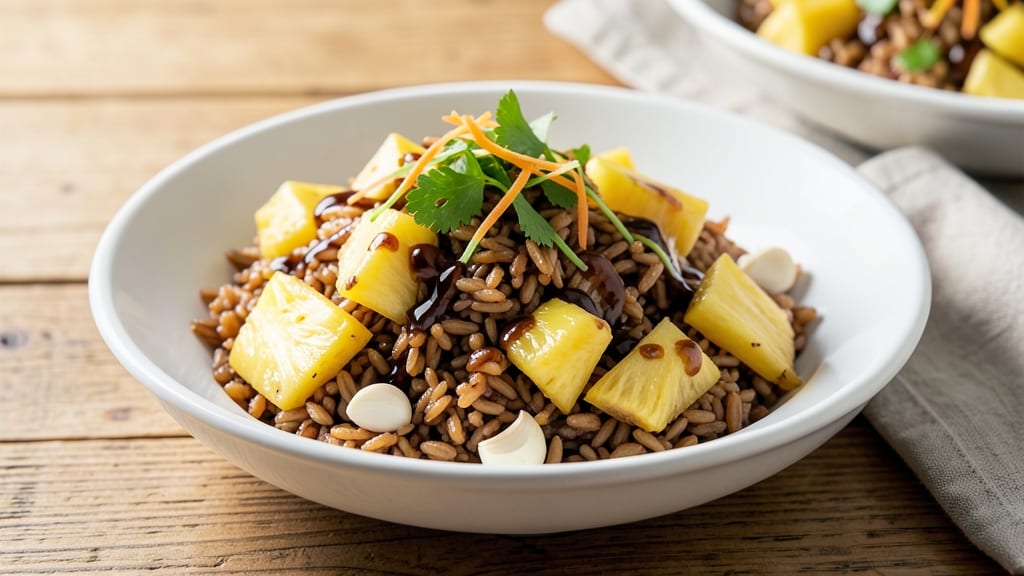
This brown rice and pineapple recipe transforms simple ingredients into a vibrant, tropical stir-fry that balances sweet and savory flavors perfectly. The secret lies in caramelizing fresh pineapple chunks until they're tender yet retain their bright sweetness, while brown rice adds hearty texture and earthy depth.
This dish is designed to be both restaurant-quality and effortless, making it ideal for weeknight dinners or meal prep.
Start by cooking the brown rice until fluffy and separate, then stir-fry pineapple with garlic, ginger, and a touch of soy sauce to deepen its natural sweetness. The result is a harmonious blend of textures—chewy rice, juicy pineapple, and optional protein like tofu or chicken for added satisfaction.
Garnish with fresh cilantro or lime zest to elevate the dish further. This recipe is versatile, healthy, and packed with tropical vibes—perfect for those craving something fresh yet comforting.
Ingredients for brown rice and pineapple
Transform simple pantry staples into a restaurant-quality tropical stir-fry with vibrant flavors.
| Ingredient | Amount | Notes |
|---|---|---|
| Long-Grain Brown Rice 🍚 | 1 cup | Uncooked, rinsed thoroughly |
| Fresh Pineapple Chunks 🍍 | 2 cups | Firm, fresh, cut into 1-inch pieces |
| Extra-Virgin Olive Oil 🫒 | 2 tbsp | High-quality, fruity variety |
| Garlic Cloves 🧄 | 3 cloves | Fresh, minced finely |
| Fresh Ginger 🌿 | 1 tbsp | Grated, finely minced |
| Low-Sodium Soy Sauce 🥢 | 2 tbsp | For umami depth |
| Lime Juice 🍋 | 2 tbsp | Freshly squeezed |
| Honey 🍯 | 1 tbsp | For caramelization |
| Fresh Cilantro 🌿 | ¼ cup | Chopped, for garnish |
| Lime Zest 🍋 | 1 tsp | For aromatic finish |
| Sesame Seeds 🌰 | 1 tsp | Toasted, for texture |
| Vegetable Oil 🫒 | 1 tbsp | For stir-frying |
| Red Bell Pepper 🌶️ | ½ cup | Diced, optional for crunch |
| Firm Tofu 🍲 | 8 oz | Pressed, cubed |
| Diamond Crystal Kosher Salt 🧂 | ½ tsp | For seasoning |
The pineapple is the star here—freshness is non-negotiable for that bright, juicy sweetness. Look for pineapples that yield slightly when pressed (not mushy) and have a vibrant, golden-yellow hue. Costco or Whole Foods often carry premium tropical varieties like Gold or Sugar Loaf. For the rice, jasmine or long-grain brown rice works best—it stays separate and chewy. If you can't find fresh ginger, substitute with 1/2 teaspoon ground ginger, but fresh adds depth. The tofu should be extra-firm for texture; press it for 15 minutes before cubing to remove excess water.
No fresh pineapple? Canned pineapple chunks in juice (drained) work in a pinch, but they lack the caramelization potential. Substitute the honey with maple syrup for a vegan option, though honey enhances the pineapple's natural sweetness. Low-sodium soy sauce is key—regular soy sauce can overpower the dish. For extra protein, grilled shrimp or chicken can replace tofu, but keep it to 4-6 oz per serving to maintain balance. The red bell pepper adds crunch and color; swap for snap peas or shredded carrots if preferred. Sesame seeds should be toasted in a dry pan for 30 seconds to deepen their nutty flavor.
Cooked brown rice keeps for 4-5 days in an airtight container in the fridge, but it dries out faster than white rice—store it with a damp paper towel to retain moisture. Fresh pineapple lasts 5-7 days in the fridge; cut pieces can be stored in a sealed container for 3 days. The stir-fry sauce (soy, lime, honey) can be prepped 2 days ahead and stored in the fridge. Tofu should be pressed and cubed 1 day ahead for convenience. Garnishes like cilantro and lime zest are best added fresh, but you can chop them 1 day ahead and store in the fridge with a damp paper towel to preserve color.
Why You'll Love This Recipe
- One-Pot Magic: I swear by this recipe when I’m too tired to wash a second pan. Brown rice and pineapple simmer together in the same pot—no extra bowls, no fuss—just golden rice with caramelized edges and juicy pineapple chunks melting into the grains. Honestly, it’s the kind of meal that makes me question why I ever cooked anything more complicated.
- Sweet-Savory Balance: That first bite? It’s like a party in your mouth. The garlic and ginger sizzle in olive oil until fragrant, then the pineapple’s natural sweetness cuts through the earthy brown rice, while the rice soaks up all the juices—no sugar needed. (Yes, even on a Tuesday night.)
- Lunchbox Hero: Between us, this is my go-to for meal prep. Pack the rice and pineapple in containers, and it stays fresh for days—no soggy textures here. My kids actually finish their lunches, and my husband brings leftovers to work. (The ginger keeps it interesting, so it never gets boring.)
- Budget Brightener: Fresh pineapple might sound fancy, but a single crown lasts me three meals, and brown rice is cheaper than white. Plus, the olive oil and garlic stretch across multiple servings without breaking the bank. It’s the kind of dish that makes grocery day feel like a win.
Step-by-step instructions for tropical stir-fry with sweet and savory balance
Master this vibrant stir-fry where nutty brown rice meets tropical pineapple in a perfect harmony of textures and flavors.
🍳 Step 1: Prepare the Tofu and Cook the Brown Rice
Begin by pressing the firm tofu between paper towels for 15 minutes to remove excess moisture. Cut it into ½-inch cubes and set aside. In a medium saucepan, combine the 1 cup long-grain brown rice with 2 cups water and bring to a boil over high heat. Once boiling, reduce to low heat, cover, and simmer for 40-45 minutes until the rice is tender and the liquid is absorbed. The rice should have a slight chewiness—this is perfect for stir-fry.
While the rice cooks, heat 1 tablespoon vegetable oil in a large skillet over medium-high heat. Add the tofu cubes and cook for 4-5 minutes until golden brown on all sides. Remove the tofu and set aside—it should be crispy on the outside while remaining tender inside. This step establishes the savory base of your dish.
🍳 Step 2: Stir-Fry the Aromatics and Vegetables
In the same skillet, add 2 tablespoons extra-virgin olive oil over medium heat. Add the 3 minced garlic cloves and 1 tablespoon finely minced fresh ginger, cooking for 1-2 minutes until fragrant—you'll know it's ready when the aroma fills your kitchen. Add the 0.5 cup diced red bell pepper and 2 cups pineapple chunks, stirring for 3-4 minutes until the bell pepper softens slightly and the pineapple begins to caramelize at the edges.
Here's where the sweet and savory balance begins. The pineapple should release its juices, creating a light glaze. If the mixture seems dry, add 1 tablespoon water to maintain moisture. The bell pepper should retain its slight crunch, adding texture contrast to the dish. Remove the stir-fry from heat and set aside temporarily.
🥘 Step 3: Create the Sweet-Savory Sauce
In a small bowl, whisk together the 2 tablespoons low-sodium soy sauce, 2 tablespoons lime juice, 1 tablespoon honey, and 0.5 teaspoon diamond crystal kosher salt. This sauce is the heart of your dish—it balances the sweetness of the pineapple with the umami from the soy sauce and the bright acidity from the lime. Taste and adjust the seasoning if needed, adding a touch more honey for sweetness or lime juice for acidity.
Return the stir-fried vegetables and pineapple to the skillet and pour the sauce over them. Stir well to coat everything evenly. Let the mixture simmer for 2-3 minutes until the sauce reduces slightly and clings to the ingredients. The pineapple should be glossy, and the flavors should meld beautifully. This is the moment where all the components come together harmoniously.
🍽️ Step 4: Combine and Garnish
Add the cooked brown rice to the skillet and gently fold everything together. The rice should absorb the remaining sauce, creating a cohesive dish with each bite offering a mix of textures and flavors. If the rice seems dry, add 1-2 tablespoons water to loosen it slightly. Taste once more and adjust seasoning if needed—this is your final opportunity to perfect the balance.
To serve, transfer the stir-fry to a large platter. Garnish with 0.25 cup chopped fresh cilantro, 1 teaspoon toasted sesame seeds, and 1 teaspoon lime zest. The cilantro adds freshness, the sesame seeds contribute a nutty crunch, and the lime zest provides an aromatic finish. Each component enhances the overall dish, making it visually appealing and bursting with flavor.
Pro Tips For Making Brown Rice And Pineapple
- TOAST THE RICE FIRST: Brown rice has a reputation for being bland, but toasting it before cooking changes everything. Heat a dry pan over medium-high, add the rice, and stir constantly for 3-4 minutes until it smells nutty and lightly browns—this deepens the flavor and prevents mushiness later. (Yes, it’ll look like you’re burning it, but stop when it’s golden, not black.)
- PEEL THE GINGER LIKE A PRO: Fresh ginger is non-negotiable here, but peeling it wrong wastes time and dulls the flavor. Use a spoon’s edge to scrape off the skin in one smooth motion—no peeling with a knife like it’s an onion. Then, finely mince it (smaller than garlic) so it blends into the rice without chunks. (I used to waste half the ginger peeling it wrong; now I do it standing up to avoid wrist cramps.)
- DON’T BOIL THE PINEAPPLE: Fresh pineapple chunks should sizzle, not swim. After searing them in olive oil with garlic, they’ll release juice—let it evaporate for 2-3 minutes before adding liquid. If you toss them into simmering broth or water too soon, they’ll turn soggy and lose their caramelized edge. (I learned this after serving a plate where the pineapple looked like it had been boiled in a sad soup.)
- USE A 1:2 RATIO FOR RICE: Brown rice absorbs liquid differently than white—don’t eyeball it. For every cup of uncooked long-grain brown rice, use 2 cups of water or broth. If you’re adding pineapple juice or coconut milk later, reduce the liquid by ¼ cup to avoid a watery mess. (I once made a pot where the rice was still crunchy and the broth was a separate puddle—don’t be that person.)
Pro cooking tips for perfect results
Pineapple Caramelization
To maximize pineapple sweetness, cook it in batches over medium-high heat for 3-4 minutes per side until golden brown spots form. This caramelization deepens flavor and creates natural glaze. I use a 12-inch cast iron skillet for even heat distribution—it’s my secret weapon for perfect searing. 🔥
Rice Texture Control
Brown rice absorbs liquid differently than white rice—use 1:2 rice-to-water ratio and cook for 40-45 minutes on low heat. For extra fluffiness, spread the cooked rice on a tray and let it cool for 5 minutes before mixing. This prevents mushiness when combined with pineapple’s juices.
Tofu Crispiness
Press tofu for 15 minutes between paper towels to remove moisture, then pat dry with a clean towel. Cook in 1 tbsp vegetable oil over medium-high heat for 4-5 minutes until golden. Flip only once to maintain crispy edges—this prevents soggy tofu when mixed with the stir-fry.
Sauce Timing
Add the sauce just before combining with rice—this prevents the pineapple from becoming waterlogged. Simmer for 2-3 minutes until slightly reduced, then fold in rice gently to avoid breaking grains. The sauce should coat ingredients lightly, not pool at the bottom.
Garnish Layering
Add garnishes in this order: cilantro, sesame seeds, lime zest. Toast sesame seeds in a dry pan for 30 seconds to enhance nuttiness. Zest lime last—it releases aromatic oils that brighten the dish immediately. Sprinkle over each serving for vibrant presentation.
One-Pot Adaptation
For a hands-off approach, cook rice first, then stir-fry pineapple and veggies in the same pot. Add ½ cup water when combining to prevent sticking. Use a nonstick skillet for easy cleanup—this method saves dishes and keeps flavors cohesive. ✨
Nutrition facts
Frequently asked questions
Can I use canned pineapple instead of fresh?
Yes, but with a few adjustments! Use pineapple chunks in juice (not syrup) and drain them well before cooking. For extra flavor, add ½ teaspoon vanilla extract or ¼ teaspoon ground cinnamon to mimic fresh pineapple's depth. Avoid pre-marinated canned pineapple—it may be too sweet or contain unwanted additives.
How do I make this recipe gluten-free?
Swap the soy sauce for tamari or coconut aminos (both are naturally gluten-free). Check your honey label too—some brands process in facilities with gluten. The rest of the recipe remains unchanged, including the brown rice which is inherently gluten-free. Always verify ingredient labels for cross-contamination warnings.
What's the best way to store leftovers?
Store in an airtight container for up to 4 days in the fridge. Reheat gently in a skillet with 1 tablespoon water over medium-low heat for 3-4 minutes2 months. Thaw overnight in the fridge before reheating.
Can I make this a dessert instead of a main course?
Sweeten the sauce by doubling the honey to 2 tablespoons and adding ½ teaspoon ground cardamom. Top with toasted coconut flakes and serve with vanilla ice cream. For extra richness, stir in ¼ cup coconut milk> after combining everything. The pineapple's acidity balances beautifully with sweet desserts.
Why did my pineapple turn mushy?
Overcooking is the most common cause. Pineapple should caramelize but remain slightly firm—cook for only 3-4 minutes per side. If using older pineapple, reduce cooking time to 2 minutes>. Also ensure your skillet isn't too hot—medium-high heat prevents burning while allowing proper browning. For extra insurance, add pineapple to the pan when it's already hot with oil.