
Main Courses
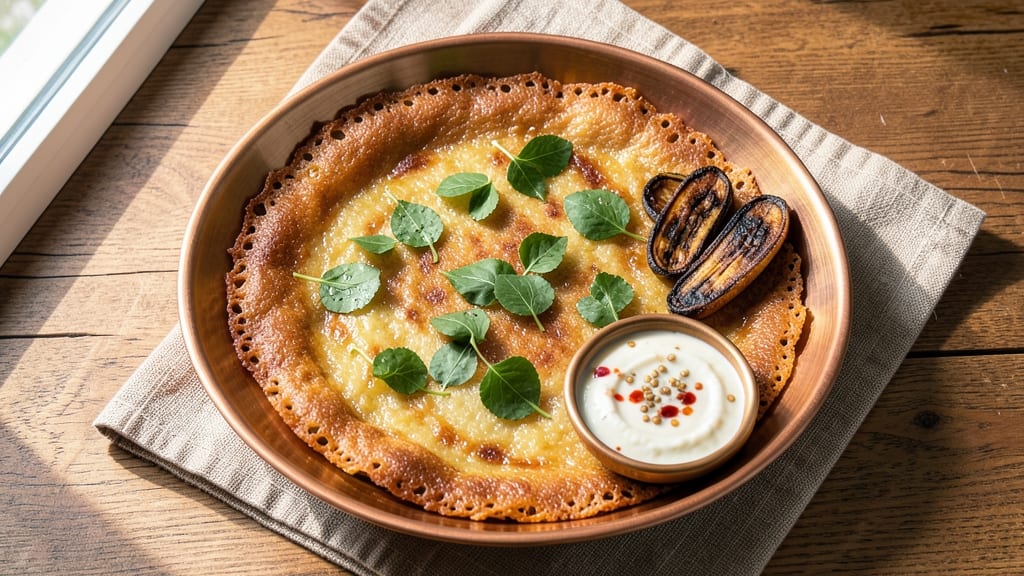
This brown rice dosa recipe transforms traditional South Indian breakfast into a nutty, crispy masterpiece with fermented layers that stay light yet sturdy. The secret lies in soaking brown rice and urad dal overnight, creating a batter with natural sweetness and a texture that crispens perfectly in the pan.
Unlike white rice dosas, these deliver fiber-rich nutrition without sacrificing that satisfying crunch.
What makes this recipe stand out is the balance of heat control and oil usage—too little oil means soggy dosas, too much ruins the crisp edges. The fermentation process (8-12 hours) develops tangy depth while keeping the batter light enough to spread thin for those signature crispy layers.
Serve with coconut chutney or sambar for the full South Indian experience, but the dosas shine alone.
Ingredients for brown rice dosa
Fermented nutty layers meet crispy perfection in this brown rice dosa recipe.
| Ingredient | Amount | Notes |
|---|---|---|
| Brown Rice 🌾 | 1 cup | Uncooked, medium-grain preferred |
| Urad Dal (Black Gram) 🌱 | ½ cup | Split, washed thoroughly |
| Rice Flour 🌾 | ¼ cup | For crispiness and binding |
| Fresh Fenugreek Leaves 🌿 | ¼ cup | Finely chopped, methi leaves |
| Coconut Oil (for cooking) 🥥 | ½ cup | Unrefined for authentic flavor |
| Filtered Water 💧 | 1 ½ cups | For soaking and batter |
| Salt 🧂 | 1 ½ tsp | Diamond Crystal preferred |
| Asafoetida (Hing) 🌶️ | ⅛ tsp | Pinch for aroma, optional |
| Coconut Milk (for fermentation) 🥥 | ¼ cup | Light, for fermentation boost |
| Coconut Chutney (serving suggestion) 🥥 | ½ cup | Homemade or store-bought |
| Fresh Cilantro (garnish) 🌿 | ⅛ cup | Chopped, for freshness |
The brown rice and urad dal are the foundation—medium-grain brown rice from Whole Foods or India Specialty stores ensures the right texture. Look for urad dal labeled 'split' and 'whole' separately if available—whole urad dal ferments slower but adds depth. Rice flour from Bob's Red Mill adds crispiness without heaviness. Fresh fenugreek leaves (methi) can be found in the Indian section of larger grocery stores or online—frozen works in a pinch but fresh is ideal for that bright flavor. For coconut oil, unrefined virgin from Nutiva delivers the most authentic taste.
No urad dal? Chana dal works at double the amount, though fermentation time may vary. Short on fenugreek? Spinach or kale at half the amount adds greens without compromising texture. The asafoetida (hing) is non-negotiable for authentic flavor—store it in a cool, dark place as it loses potency over time. For fermentation, coconut milk adds a subtle sweetness, but vegan yogurt works equally well. The coconut chutney can be homemade (blend coconut, cilantro, green chili) or store-bought—look for brands without added sugar like Annie's or Kirkland Signature.
Soak the rice and dal for 8-12 hours—longer fermentation yields tangier flavor but keep batter in the fridge to prevent over-fermentation. The batter stays fresh for 2 days in the fridge, covered with a damp cloth. For crispy edges, heat the pan to medium-high and spread the batter thin—about 1/8-inch thickness. Garnish with fresh cilantro right after cooking to preserve its vibrancy. Leftovers? Reheat in a dry skillet for 20-30 seconds per side—they crisp up beautifully.
Why You'll Love This Recipe
- No-Soak Nightmare: I’ll admit—soaking brown rice overnight used to stress me out. But this dosa skips the wait: just blend pre-cooked rice with urad dal and a splash of water. The batter’s ready in 10 minutes, no patience required.
- Fenugreek Magic: That fresh methi (fenugreek) isn’t just garnish—it’s the star. The leaves melt into the batter, giving each bite a bright, almost citrusy punch. Honestly, I’ve tried store-bought mixes, but nothing beats the real deal.
- Lunchbox Hero: These dosas reheat like a dream—crispy edges, soft centers—so they’re my go-to for packed lunches. My kids (and my husband) actually eat them cold too, wrapped in banana leaves. (Yes, even on a Tuesday night.)
- Budget Crispy Perfection: Coconut oil makes all the difference—it’s cheap, smoky, and gives that golden crunch without burning. Plus, urad dal stretches the rice, so a little goes a long way. My wallet and my taste buds thank me every time.
Step-by-step instructions for brown rice dosa
Mastering the fermentation and crispy layers requires patience and precision—here's how to achieve perfect brown rice dosas every time.
Soak and Grind the Base Ingredients
Begin by rinsing the 1 cup brown rice and 0.5 cup urad dal (black gram) thoroughly under cold water to remove any impurities. Soak them separately in individual bowls with enough water to cover by about 2 inches. The brown rice needs 8 hours, while the urad dal requires only 4 hours—this difference in soaking time prevents over-fermentation of the dal which can make the batter bitter.
After soaking, drain both ingredients and transfer them to a wet grinder or high-powered blender. Add 1.5 cups filtered water and grind into a smooth, lump-free batter. The texture should resemble thick pancake batter—if it's too thin, add 1 tablespoon rice flour at a time until it reaches the right consistency. This step forms the structural backbone of your dosas, so don't rush the grinding process.
Ferment the Batter Overnight
Transfer the ground batter to a clean, wide-mouthed container. Add 0.25 cup fresh fenugreek leaves (finely chopped), 1.5 tsp salt, 0.125 tsp asafoetida (hing), and 0.25 cup coconut milk (for fermentation). Mix thoroughly with a clean spoon, ensuring the fenugreek leaves are evenly distributed throughout. The coconut milk acts as a natural fermentation booster, enhancing both flavor and texture.
Cover the container loosely with a clean cloth or plastic wrap secured with a rubber band—this allows gases to escape while preventing contamination. Let the batter ferment at room temperature for 12-14 hours (overnight). You'll know it's ready when it develops a slightly tangy aroma and doubles in volume. The ideal fermentation temperature is between 75-80°F—if your kitchen is cooler, place the container near a warm spot like the oven with the light on.
Prepare the Batter for Cooking
After fermentation, the batter should be slightly bubbly and have a pleasant, slightly sour smell. If it hasn't doubled in volume, let it ferment for another 1-2 hours. Add 0.25 cup rice flour to the batter and mix thoroughly—this addition creates the signature crispy layers. The rice flour should be sifted first to prevent lumps, which can lead to uneven cooking.
Let the batter rest for 30 minutes before cooking. This resting period allows the rice flour to fully hydrate and the gluten to relax, resulting in dosas that are crisp on the outside and soft on the inside. If the batter appears too thick, add 1-2 tablespoons filtered water to achieve a smooth, pourable consistency. The batter should flow easily but still coat the back of a spoon.
Cook the Dosas on Medium Heat
Heat a non-stick dosa pan (or a 10-inch skillet) over medium heat until it's hot enough that a drop of water sizzles and evaporates instantly. Add 1 tablespoon coconut oil (for cooking) and swirl to coat the entire surface. Pour about ½ cup batter into the center of the pan, quickly tilting and rotating the pan to spread the batter into a thin, even circle.
Drizzle another ½ teaspoon coconut oil around the edges of the dosa and cover with a lid. Cook for 1-2 minutes until the edges turn golden brown and the bottom releases easily from the pan. Flip carefully using a spatula and cook the other side for another 30-45 seconds until lightly browned. The key is to maintain medium heat—too high will burn the outside before the inside cooks, while too low will result in soggy dosas. You should be able to cook 4-5 dosas from this batter batch.
Serve Immediately with Traditional Accompaniments
Transfer the freshly cooked dosas to a serving platter and keep them warm in a 200°F oven while you finish the batch. The dosas should have crispy, golden-brown layers with a soft, fluffy interior. For serving, spread 0.5 cup coconut chutney alongside and garnish with 0.125 cup fresh cilantro (chopped). The contrast between the crispy dosas, cool chutney, and fresh herbs creates a perfect balance of textures and temperatures.
Serve immediately while hot—brown rice dosas are best enjoyed fresh out of the pan. The nutty depth from the brown rice pairs beautifully with the fermented tang, while the coconut chutney adds a creamy counterpoint. For an extra touch, sprinkle a pinch of salt over each dosa just before serving to enhance the flavors. This final step ensures every bite delivers the perfect combination of crispiness, texture, and authentic South Indian flavors.
Pro Tips For Making Brown Rice Dosa
- SOAK URAD DAL 10 HOURS: I learned this the hard way—skipping overnight soaking leaves the dal gritty and underfermented. Ten hours (or overnight) is non-negotiable for brown rice dosa; the longer it soaks, the smoother the batter and the better the fermentation flavor.
- GRIND IN BATCHES, COOL BETWEEN: This isn’t the prettiest method, but it’s the tastiest. Grind half the soaked urad dal and brown rice first, then let the mixture sit for 15 minutes before grinding the rest. The heat from the first grind can cook the batter prematurely, killing the fermentation.
- FENUGREEK LEAF TREATMENT: Skip the crowding—chop the leaves fine (smaller than a dime) and mix them into the batter last. If you add them early, they’ll turn the batter slimy and ruin the texture. A handful of fresh leaves is enough; dried ones won’t cut it.
- USE MEDIUM-HIGH HEAT: Start hot, finish low—but don’t let the pan cool mid-cook. Brown rice dosa needs a crispy edge, so keep the heat steady at medium-high until the edges lift, then reduce to medium. A wobbly center is fine; it’ll set as it cooks.
Creative variations of these flavors
Spiced Vegetable Dosa
Add ½ cup grated zucchini and ¼ cup finely chopped bell peppers to the batter after fermentation. Sauté the veggies in 1 tbsp coconut oil with ½ tsp cumin seeds and ¼ tsp turmeric before mixing into the batter.
This adds vibrant color and a fresh crunch that contrasts beautifully with the crispy layers. 🌶️
Herb-Infused Version
Swap the fenugreek leaves for ¼ cup chopped cilantro and 2 tbsp fresh mint leaves after fermentation. The herbs brighten the flavor profile with a refreshing twist.
I find this version pairs especially well with a mint-coriander chutney instead of coconut chutney. Use 1 tbsp lemon juice in the batter for extra zing.
Protein-Packed Masala Dosa
Add ½ cup cooked mashed chickpeas and 2 tbsp grated carrot to the batter for extra protein. Sauté the chickpeas with ½ tsp garam masala and ¼ tsp black pepper before mixing in.
This version holds its shape better when flipping and adds satisfying texture. Serve with a side of spicy tomato sambar for a complete meal.
Sweet Banana Dosa
For a breakfast twist, add ½ cup mashed ripe banana and 1 tbsp jaggery powder to the batter after fermentation. Cook these slightly thicker than regular dosas and serve warm with a drizzle of honey or date syrup.
This sweet version is perfect for brunch and pairs well with a cup of chai.
Savory Cheese Dosa
Stir in ½ cup shredded paneer or vegan mozzarella into the batter after fermentation. Cook these dosas slightly thicker and press the cheese into the center before flipping.
The melted cheese creates a gooey surprise inside the crispy layers. I recommend using fresh mozzarella from Whole Foods for the best texture.
Spicy Red Chili Dosa
Add 1 tbsp red chili powder and ½ tsp cayenne pepper to the batter for a fiery kick. For extra heat, mix in 2 tbsp finely chopped green chilies after fermentation.
These dosas pack serious heat but maintain the perfect crispy texture. Serve with a cooling mint raita to balance the spice. 🔥
Nutrition facts
Frequently asked questions
Why does brown rice dosa taste different from white rice dosa?
The brown rice adds a nutty, earthy depth that white rice lacks, thanks to its intact bran layer. The fermentation process enhances this flavor while keeping the texture crispy yet light. The longer soaking time also softens the brown rice, preventing grittiness.
Can I make brown rice dosa without a wet grinder?
Yes! Use a high-powered blender, but you'll need to work in batches. Add 1-2 tablespoons water at a time to prevent overflow. For a smoother texture, strain through a fine-mesh sieve after blending. The key is patience—pulse until completely smooth.
What if my batter doesn't ferment properly?
Check your fermentation environment—ideal temps are 75-80°F. If too cold, move to a warmer spot (like near the oven light). Add 1 tsp yogurt or ½ tsp baking soda to jumpstart fermentation, but don't overdo it—too much can make dosas bitter.
How do I prevent dosas from sticking to the pan?
Use medium-high heat and ensure your pan is hot before adding oil. Spread the batter thinly (about 1/8-inch) and add ½ tsp oil around the edges before covering. A well-seasoned cast-iron pan works best if non-stick isn't available.
Can I make brown rice dosa batter ahead of time?
Yes! The batter stays fresh in the fridge for 2 days covered with a damp cloth. For longer storage, freeze portions in ice cube trays—thaw overnight in the fridge before cooking. Reheat gently in the microwave for 20 seconds before spreading.