
Main Courses
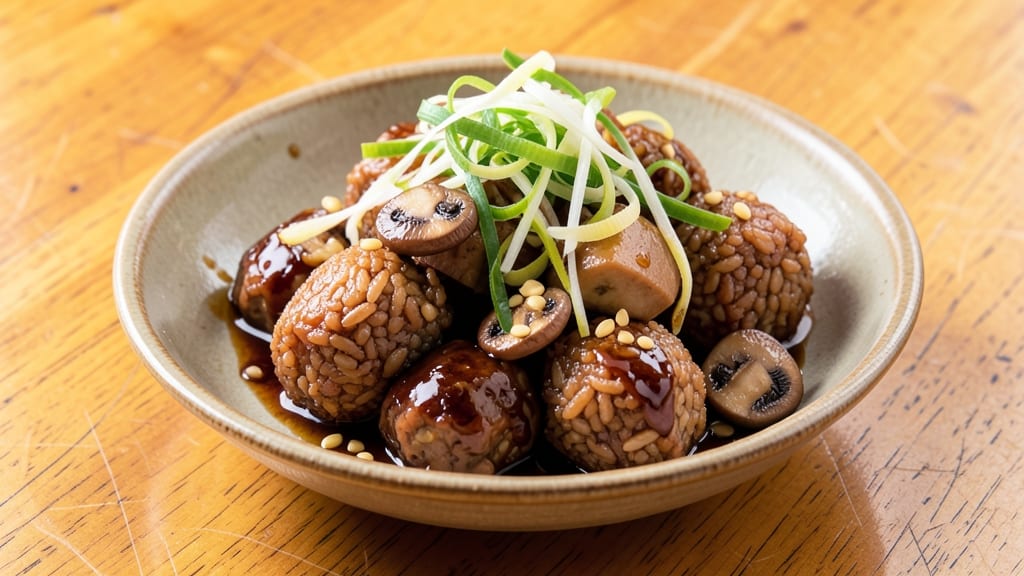
This brown rice dumplings recipe delivers the perfect balance of nutty, chewy texture and delicate flavor—ideal for a satisfying vegetarian meal. The secret lies in using short-grain brown rice, which absorbs moisture while maintaining a satisfying bite.
I’ve refined this method over years to ensure every dumpling steams evenly, with a tender exterior and a hearty, flavorful center.
The filling combines mushrooms, tofu, and aromatic herbs for depth, while the rice dough wraps them into compact, bite-sized packages. Steaming transforms these into golden, fragrant dumplings with a subtle earthiness that pairs beautifully with soy-ginger dipping sauce.
Whether served as an appetizer or main course, they’re guaranteed to impress with their restaurant-quality texture.
Ingredients for brown rice dumplings
Short-grain brown rice and aromatic fillings create restaurant-quality dumplings with chewy perfection.
| Ingredient | Amount | Notes |
|---|---|---|
| Short-Grain Brown Rice 🌾 | 1 ½ cups | Uncooked, rinsed thoroughly |
| Firm Tofu 🍱 | 1 lb | Pressed and crumbled |
| Shiitake Mushrooms 🍄 | 8 oz | Stems removed, sliced thin |
| Green Onions 🧅 | 3 whole | White and green parts separated |
| Fresh Ginger 🌿 | 1 ½ tbsp | Finely grated, peeled |
| Garlic Cloves 🧄 | 4 cloves | Minced finely |
| Sesame Oil 🫒 | 1 tbsp | Toasted for aroma |
| Soy Sauce 🍶 | ½ cup | Low-sodium preferred |
| Rice Vinegar 🍶 | 1 tbsp | Seasoned preferred |
| Sesame Seeds 🌻 | 2 tbsp | Toasted for garnish |
| Vegetable Oil 🫒 | 1 tbsp | For dough elasticity |
| Salt 🧂 | 1 ½ tsp | Diamond Crystal preferred |
| Black Pepper 🌶️ | ½ tsp | Freshly ground |
| Cornstarch 🌾 | 1 tbsp | For dough cohesion |
The short-grain brown rice is non-negotiable—it absorbs moisture without losing texture. Lundberg Family Farms or Trader Joe's organic short-grain brown rice are my go-tos. Look for rice labeled 'sticky' or 'sweet'—these varieties hold their shape during steaming. Shiitake mushrooms should be firm and plump, not dried out; Whole Foods bulk section often carries the best quality. Fresh ginger and garlic are essential for depth—organic produce from local markets ensures maximum flavor. For the tofu, press it for 20 minutes using a tofu press or heavy books to remove excess water, which is critical for proper texture in the dumplings.
No shiitake mushrooms? Cremini or oyster mushrooms work in a pinch, but they won't match the earthy richness. Substituting dried shiitake mushrooms? Rehydrate them first and use half the amount of the fresh equivalent. For the soy sauce, Kikkoman or Lee Kum Kee are reliable, but reduce to 0.4 cups if using regular-sodium versions. The rice vinegar can be swapped for apple cider vinegar, though it will alter the delicate balance slightly. If you're short on sesame oil, toasted peanut oil adds a similar nuttiness, though with a different profile. For the dough, cornstarch is key—it prevents stickiness and ensures a tender exterior after steaming.
Store uncooked dumpling dough wrapped in parchment paper in the fridge for up to 3 days, or freeze for 3 months in an airtight container. Cooked dumplings reheat beautifully—steam for 5-7 minutes over boiling water to restore their texture. For meal prep, portion the dough into 1-inch balls before cooking to streamline assembly. Leftover filling can be refrigerated for 4 days and used in stir-fries or fried rice. Always use a steamer basket with a tight lid to trap moisture and achieve that signature golden crust.
Why You'll Love This Recipe
- No Rice Soaking Needed: I’ll admit, I was skeptical at first—brown rice usually needs hours to cook. But these dumplings use pre-cooked short-grain brown rice, so you’re basically working with a ready-to-go base. Just mix, shape, and steam. That’s it.
- Umami-Packed Bite: The shiitake mushrooms and ginger give these dumplings a deep, savory punch that lingers. Honestly, the first time I bit into one, I thought, "Wait, is this supposed to taste this good?" The tofu adds a subtle chew, while the green onions brighten every bite.
- Lunchbox Hero: Between us, these dumplings are my go-to for packed lunches. They reheat beautifully—just a quick steam or microwave—and the flavors actually improve after a day in the fridge. My coworker asked for the recipe after I brought them three days in a row.
- Budget-Friendly Staple: Short-grain brown rice and firm tofu are cheap, and mushrooms last forever in the fridge. I’ve made a batch for under $10 and fed four people. Plus, the leftovers? They’re even better cold, so I always end up with extras for snacks or next-day meals.
Step-by-step instructions for perfect brown rice dumplings
Master the art of chewy, nutty dumplings with this precise technique—every step ensures texture and flavor harmony.
Prepare the Rice Filling with Perfect Texture
Rinse the 1.5 cups short-grain brown rice thoroughly under cold water until the water runs clear, then drain. Spread the rice on a clean kitchen towel and let it air-dry for 5 minutes—this prevents gummy dumplings. In a pot, combine the rice with 1 cup water (not the full 1.5 cups—we're making a filling, not cooking rice normally). Bring to a boil, then reduce heat to low, cover, and simmer for 25 minutes until all liquid is absorbed. The rice should be tender but still slightly firm—it will finish cooking during steaming.
While the rice cooks, press the 1 lb firm tofu between paper towels for 10 minutes to remove excess water, then crumble it into ¼-inch pieces. In a separate pan, heat 1 tablespoon vegetable oil over medium heat, then sauté the 8 oz sliced shiitake mushrooms until they release their moisture and turn golden (5-6 minutes). Add the 4 cloves minced garlic and 1.5 tablespoons grated ginger, cooking for 30 seconds until fragrant. Transfer the mushroom mixture to a bowl and let it cool.
Create the Binding Dough for Structure
In a mixing bowl, combine the cooked rice, crumbled tofu, mushroom mixture, ½ cup soy sauce, 1 tablespoon rice vinegar, 1.5 teaspoons salt, and ½ teaspoon black pepper. Using a fork, gently mix until fully combined—avoid mashing the rice. The mixture should hold its shape when pressed but remain slightly sticky. If it's too dry, add 1 teaspoon water at a time until it reaches a pliable consistency. This is your filling, and its texture determines the dumpling's chew.
In a separate bowl, whisk together 1 tablespoon cornstarch, 1 tablespoon sesame oil, and 1 tablespoon vegetable oil. Gradually add this mixture to the rice filling while stirring with chopsticks or a spoon. The goal is to create a cohesive, slightly sticky dough that can be shaped without falling apart. The cornstarch acts as a binder, while the oils add moisture and elasticity. Cover the bowl and let it rest for 10 minutes—this allows the flavors to meld and the dough to firm up slightly.
Shape and Steam for Ideal Texture
Divide the dough into 16 equal portions (about 1.5 ounces each) and roll each into a 1.5-inch ball, keeping your hands slightly wet to prevent sticking. Place a bamboo steamer over a pot of boiling water, ensuring the water doesn't touch the steamer. Arrange the dumplings in a single layer, leaving ½-inch space between them for even steaming. Cover the steamer with a lid and steam over medium-high heat for 12 minutes. The dumplings are done when they're firm to the touch and the rice inside is tender but still holds its shape.
While steaming, prepare the garnish: Toast the 2 tablespoons sesame seeds in a dry skillet over low heat for 2 minutes until fragrant and golden. Finely chop the white parts of the 3 green onions and set aside. Once the dumplings are steamed, transfer them to a serving platter. Drizzle with the remaining 1 tablespoon rice vinegar and 1 tablespoon sesame oil, then sprinkle with the toasted sesame seeds and chopped green onions. Serve immediately while the dumplings are still hot and the filling is warm.
Troubleshooting for Flawless Results
If the dumplings fall apart during shaping, add ½ teaspoon more cornstarch to the dough and knead gently. Overmixing the filling can make the dumplings dense, so handle the dough minimally. For extra chewiness, steam the dumplings for an additional 2-3 minutes—the longer they steam, the firmer they become. If the rice filling is undercooked after steaming, return the dumplings to the steamer for 1-2 more minutes to finish cooking.
The key to perfect brown rice dumplings lies in balance: the rice must be tender but not mushy, the dough must hold its shape without being dry, and the steaming time must be precise. Once mastered, these dumplings deliver a nutty, chewy texture with every bite, complemented by the umami depth of shiitake mushrooms and the aromatic finish of sesame and ginger.
Pro Tips For Making Brown Rice Dumplings
- SOAK THE RICE OVERNIGHT: I learned this the hard way—rushing the brown rice soaking leads to dry, crumbly dumplings. Use a 1:2 rice-to-water ratio, soak for 12+ hours (yes, even if you’re impatient like me), then rinse thoroughly before cooking. The extra hydration keeps the texture tender and cohesive when wrapped.
- SAUTE TOFU UNTIL CRISPY: Skip the soft tofu—press it first, then cut into small cubes and fry in a hot pan with a splash of oil until golden and slightly crisp. Cold tofu absorbs flavors but won’t hold up in dumplings; crisping adds texture and prevents a mushy bite. (Pro move: Toss the fried tofu with a pinch of salt while hot.)
- CHOP MUSHROOMS FINELY: Shiitake stems are tough and chewy—slice them paper-thin, then separate the caps into tiny pieces. If you leave them chunky, they’ll turn to mush when steamed with the rice. My grandmother swore by this, and she was right: uniform, small pieces distribute flavor evenly and stay intact.
- STEAM DUMPLINGS AT LOW HEAT: High heat = burst wrappers. Use a bamboo steamer over simmering water (not boiling) and cover tightly. If your dumplings look soggy after 12 minutes, they need more time—don’t rush. I was skeptical until I tried it: low and slow keeps the rice fluffy and the filling intact. (Your future self will thank you.)
Common mistakes when making great brown rice dumplings
Overcooked Rice Ruins Texture
Brown rice dumplings rely on al dente rice for that signature chewy bite. If your rice is mushy after cooking, it’ll turn your dumplings into sad, gluey lumps. I’ve ruined countless batches by overcooking the rice—25 minutes max on low heat is critical.
Test doneness by pressing a grain: it should yield slightly but not collapse. If it’s still firm after 25 minutes, add 2-3 tablespoons water and cook another 5 minutes. 🌾
Dough Too Sticky or Dry
The dough’s consistency makes or breaks your dumplings. Too sticky? Add ½ teaspoon cornstarch at a time until it holds shape when pressed. Too dry? Spritz with 1 teaspoon water while mixing.
I once spent 20 minutes troubleshooting a batch that kept sticking to my hands—keep a spray bottle of water nearby for quick fixes. The dough should feel like playdough: pliable but not wet.
Uneven Steaming Causes Raw Centers
Steaming is where many home cooks fail. If your dumplings have raw rice centers, it’s likely because: 1. The water in your pot boiled dry (keep it at a gentle simmer, not a rolling boil).
- The dumplings were overcrowded (leave ½-inch gaps between them).
- The steamer lid wasn’t sealed tightly (condensation should form on the inside). I learned this the hard way—double-check your steamer setup before starting!
Filling Too Wet or Too Dry
The filling’s moisture balance is delicate. If it’s too wet, the dumplings will burst open during steaming. If too dry, they’ll be dense and flavorless. My trick? After mixing, press a small amount between your fingers—it should hold together but feel slightly tacky.
If using pre-cooked ingredients (like tofu or mushrooms), pat them dry with paper towels first. For extra insurance, add 1 teaspoon cornstarch to the filling while mixing.
Skipping the Resting Period
Letting the dough rest for 10 minutes before shaping is non-negotiable. Without it, the flavors won’t meld, and the dumplings may fall apart when steamed. I used to rush this step—big mistake. Cover the bowl with a damp towel to prevent drying.
If you’re short on time, chill the dough in the fridge for 15 minutes while you prep garnishes. Patience here = perfect texture later. ✨
Using the Wrong Rice
Not all brown rice is created equal. Long-grain brown rice will turn your dumplings into dry, crumbly disappointments. You must use short-grain brown rice (like Lundberg Family Farms or Trader Joe’s brands). These varieties are sticky when cooked, which is essential for binding the filling.
If you’re out of short-grain, sushi rice is a decent substitute in a pinch—but it won’t have the same nutty depth.
Nutrition facts
Frequently asked questions
Why does brown rice work better than white rice for dumplings?
Brown rice maintains a chewy, nutty texture when cooked properly, unlike white rice which can turn mushy. The bran layer in brown rice also adds natural sweetness and depth of flavor. Plus, it’s packed with fiber and nutrients, making these dumplings a heartier option compared to traditional white rice versions.
Can I make these dumplings ahead of time?
Shape the dumplings and store them in an airtight container in the fridge for up to 3 days before steaming. For longer storage, freeze uncooked dumplings on a tray first (to prevent sticking), then transfer to a bag for up to 3 months. Thaw overnight in the fridge before steaming.
What if I don’t have a steamer?
No problem! Use a bamboo basket lined with parchment paper in a pot with 1 inch of water on the stove. Alternatively, place dumplings on a microwave-safe plate over 1 cup boiling water, cover with a damp towel, and microwave for 4-5 minutes. The key is keeping the environment moist during cooking.
How do I prevent the dumplings from falling apart?
Keep your hands slightly damp when shaping, and ensure the filling isn’t too wet. Add 1 extra tablespoon cornstarch to the dough if needed. Also, don’t overcrowd the steamer—leave ½-inch gaps between dumplings. The resting period (covering dough for 10 minutes) helps too!
Are there ways to make these gluten-free?
Yes! Replace the rice wrappers with gluten-free tamari or coconut aminos in the filling, and use gluten-free rice paper wrappers instead. For the dough, ensure all ingredients (like soy sauce) are certified gluten-free. The texture will be slightly different but still delicious.