
Desserts
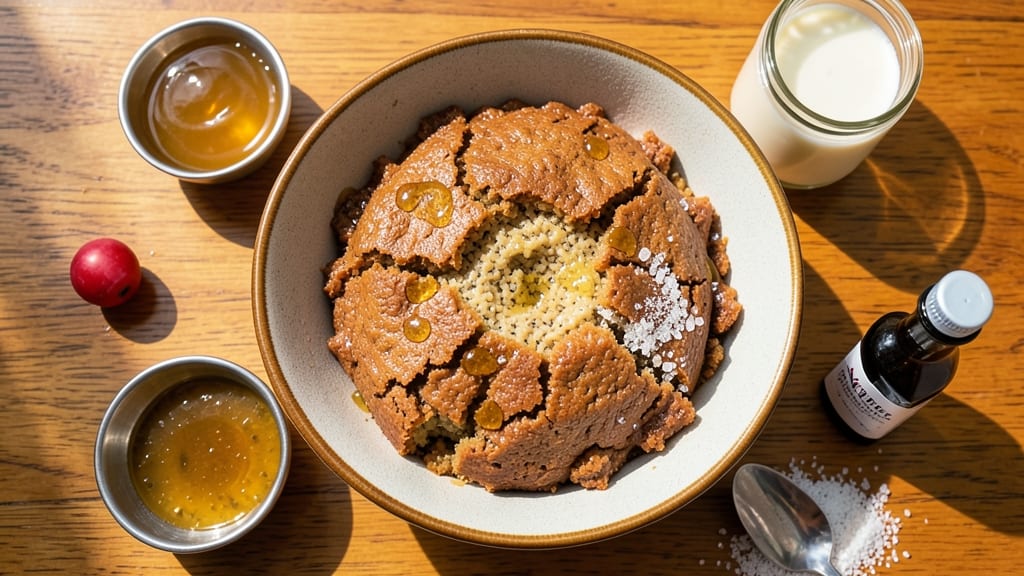
This gluten-free brown rice flour cake delivers surprisingly moist, tender crumbs without relying on wheat or dairy. The secret lies in combining rice flour's natural absorbency with vanilla's aromatic depth—creating a cake that's both nutritious and indulgent.
What makes this recipe stand out is how it transforms a typically dense flour into a light, fluffy texture perfect for any celebration.
With just simple ingredients and a one-bowl mixing method, you'll achieve a cake that's naturally gluten-free yet rich enough to satisfy even non-dietary preferences. The vanilla infusion adds warmth without overpowering, while optional add-ins like nuts or fruit elevate it further.
Ready in under an hour, this recipe proves healthy desserts can be effortless and delicious.
Ingredients for brown rice flour cake
Simple, plant-based ingredients transform brown rice flour into a surprisingly light, moist cake.
| Ingredient | Amount | Notes |
|---|---|---|
| Brown Rice Flour 🌾 | 2 cups | Gluten-free, finely milled preferred |
| Granulated Sugar 🍚 | 1 ½ cups | Organic preferred for refined taste |
| Coconut Oil 🥥 | ¾ cup | Unrefined, solid at room temperature |
| Unsweetened Almond Milk 🥛 | 1 cup | Vanilla-flavored preferred |
| Pure Vanilla Extract 🌸 | 2 tbsp | Bourbon-infused for depth |
| Apple Cider Vinegar 🍎 | 1 tbsp | For tenderizing rice flour |
| Baking Soda 🧪 | 1 ½ tsp | Aluminum-free for purity |
| Salt 🧂 | ½ tsp | Fine sea salt preferred |
| Flaxseed Meal 🌱 | 3 tbsp | Ground flaxseed, activated |
| Water 💧 | ¼ cup | Filtered preferred |
| Optional Walnuts 🌰 | 1 cup | Chopped, toasted for crunch |
| Optional Blueberries 🫐 | 1 cup | Fresh or frozen, no sugar added |
Brown rice flour is the foundation here—Bob's Red Mill or Anthony's Goods brands deliver the finest texture. The flour's natural density requires proper fat and liquid balance to achieve lift, which is why coconut oil and almond milk are essential. For the vanilla, Madagascar bourbon-infused extract adds complexity without overpowering. If substituting vanilla bean paste, reduce to 1.5 tablespoons for equivalent flavor intensity. The flaxseed meal acts as the egg substitute, so ensure it's freshly ground for optimal binding properties.
No coconut oil? Melted avocado oil or vegan butter works equally well—just ensure it's solid at room temperature for proper texture. Vanilla extract unavailable? Vanilla bean paste at half the amount provides seeds for visual appeal, though liquid extract remains more reliable. For the almond milk, oat milk with vanilla extract added maintains moisture without altering flavor. The optional add-ins like walnuts or blueberries should be folded in gently during the final mixing stage to preserve their texture.
This batter holds well for 24 hours in the refrigerator, making it ideal for meal prep. For best results, bake immediately after mixing to maintain freshness. Store baked cake in an airtight container at room temperature for 3-4 days or freeze for up to 3 months. The cake's moisture content makes it particularly well-suited for layering with vegan frosting or fresh fruit. For a restaurant-quality finish, dust with powdered sugar just before serving.
Why You'll Love This Recipe
- I’ll be real: this recipe’s my budget win. Brown rice flour’s cheap, coconut oil lasts forever, and almond milk stretches far. Leftovers? They disappear faster than my willpower—because this cake’s so good, no one judges you for eating it cold.
- No Mixer Needed: I swear by this recipe when my mixer’s on the fritz—just whisk the brown rice flour, sugar, and coconut oil until it’s almost smooth. The almond milk blends right in without turning into a gloppy mess, and honestly? That vanilla extract does the work for you.
- Nutty Vanilla Crunch: Between us, the coconut oil keeps this cake tender but never greasy, while the brown rice flour adds a subtle toasty depth. Top it with a sprinkle of sugar before baking? You’ve got a caramelized crust that’s dangerously easy to devour straight from the pan.
- Breakfast or Dessert: Here’s what sold me—this cake’s neutral enough for savory twists (think almond butter swirl) but still satisfies my sweet tooth. Pack slices in lunchboxes or serve with tea; it’s my go-to when I’m too tired for separate meals.
Step-by-step instructions for gluten-free vanilla brown rice cake
A tender, moist gluten-free cake with rich vanilla infusion and perfect texture every time.
Prepare the Flaxseed Egg Substitute
In a small bowl, combine the 3 tablespoons flaxseed meal with the 0.25 cup water. Stir vigorously and let sit for 5 minutes until it thickens into a gel-like consistency resembling an egg. This flaxseed mixture replaces traditional eggs while maintaining moisture and binding properties essential for gluten-free baking.
The mixture should be smooth and slightly viscous—if it remains too thick after 5 minutes, whisk in 1 teaspoon additional water. This step is critical; underdeveloped flax eggs won't properly bind the cake batter, resulting in a crumbly texture. Keep this mixture ready for the next step where we'll incorporate it into the wet ingredients.
Mix Wet Ingredients for Optimal Texture
In a large mixing bowl, combine the 0.75 cup coconut oil (ensure it's softened but not melted) with the 1.5 cups granulated sugar. Using an electric mixer on medium speed, beat for 2-3 minutes until the mixture is light and fluffy, nearly doubling in volume. This aeration creates pockets that will make your cake tender rather than dense.
Add the 1 cup unsweetened almond milk, 2 tablespoons pure vanilla extract, and 1 tablespoon apple cider vinegar. Mix on low speed until fully incorporated. The vinegar reacts with the baking soda in the dry ingredients to create lift, while the vanilla extract infuses deep flavor. The almond milk provides moisture without overpowering the delicate rice flour base.
Combine Dry Ingredients and Fold Gently
In a separate bowl, sift together the 2 cups brown rice flour, 1.5 teaspoons baking soda, and 0.5 teaspoon salt. This sifting step prevents lumps that could create uneven texture in the finished cake. Gradually add the dry mixture to the wet ingredients, mixing on low speed just until combined—overmixing develops gluten-like properties in the rice flour, making the cake tough.
Once combined, gently fold in the prepared flaxseed egg mixture. If using, fold in the 1 cup optional walnuts or 1 cup optional blueberries at this stage. The walnuts add crunch while blueberries contribute natural sweetness and vibrant color. Distribute them evenly throughout the batter for consistent texture in each slice.
Bake at Precise Temperature for Even Cooking
Preheat your oven to 350°F and grease an 8-inch round cake pan or line it with parchment paper. Pour the batter into the prepared pan and smooth the top with a spatula. Bake for 35-40 minutes or until a toothpick inserted into the center emerges clean. The cake should spring back gently when pressed in the center—this indicates proper doneness without overbaking.
Brown rice flour cakes have a tendency to dry out if overbaked, so watch closely after 30 minutes. If the edges brown too quickly, tent the pan with aluminum foil to prevent over-browning while the center finishes cooking. The internal temperature should reach 205-210°F for perfect moisture content.
Cool and Serve for Maximum Moisture Retention
Remove the cake from the oven and let it cool in the pan for 10 minutes. Then transfer it to a wire rack to cool completely. This gradual cooling process allows the cake to set properly while retaining maximum moisture. If serving warm, do so within 30 minutes of baking when the cake is at its most tender.
For best results, store any leftovers in an airtight container at room temperature for up to 3 days or refrigerate for up to 5 days. To revive stale cake, wrap it in a damp towel and microwave for 10-15 seconds—this simple technique restores moisture without making the cake soggy.
Pro Tips For Making Brown Rice Flour Cake
- Whisk the Oil First: Brown rice flour clumps like it’s auditioning for a drama role—don’t let it. Melt the coconut oil first, then whisk it into the almond milk before adding the flour. This keeps your batter smoother and prevents those annoying lumps that turn your cake into a textured experiment.
- Toast the Flour Lightly: Skip the raw flour vibe—toss 1-2 tablespoons of brown rice flour in a dry pan over medium heat for 30 seconds until it smells nutty. This deepens the flavor and cuts the grainy bite. (Yes, even if you’re impatient like me.)
- Don’t Overmix the Batter: Stir just until the flour disappears—overmixing makes the cake dense and chewy. Think "gluten-free pancake batter," not "bread dough." A few streaks of flour are fine; a fight with your whisk isn’t worth it.
- Use Room-Temp Almond Milk: Cold almond milk curdles the coconut oil like a bad soap opera plot. Warm it slightly (not hot—just hand-hot) so the fat emulsifies properly. Your cake will rise better and stay moist longer. (Your future self will notice the difference.)
Essential equipment for this dish
Mixing Essentials
Start with a stand mixer fitted with the paddle attachment—this distributes ingredients evenly without overdeveloping the gluten-like properties in brown rice flour. If you don’t have one, a hand mixer works fine, but mix on low speed to prevent lumps.
For small batches, a whisk in a large bowl suffices, though it requires more elbow grease. The key is gentle mixing after combining wet and dry ingredients to maintain that tender crumb. 🥄
Precision Tools
A digital kitchen scale is your best friend for accurate measurements—brown rice flour’s density varies by brand, and even a 1-ounce difference can affect texture. I swear by the OXO Good Grips scale for its readability.
For measuring liquids, use a clear glass measuring cup with markings up to 1 cup—plastic can distort with heat. A fine-mesh sieve is non-negotiable for sifting the dry ingredients to avoid lumps that ruin the cake’s delicate structure.
Baking Must-Haves
An oven thermometer (like the Thermoworks Oven Thermometer) ensures your oven isn’t running 25°F hotter or colder than set—this is critical for brown rice flour cakes, which can dry out quickly.
For the pan, choose an 8-inch round cake pan with 2-inch sides (like Wilton Perfect Results pans) to allow even heat distribution. Line the bottom with parchment paper for easy removal and a clean finish.
A toothpick is your best tool for testing doneness—insert it into the center and wait 5 seconds before pulling to check for moisture.
Cooling & Storage
After baking, transfer the cake to a wire cooling rack to prevent sogginess from residual heat. For storage, an airtight container (like Rubbermaid Brilliance) keeps the cake fresh for 3-4 days at room temperature.
If freezing, slice the cake first, wrap each piece in plastic wrap, then store in a freezer bag for up to 3 months. A damp paper towel in the microwave (for 10-15 seconds) revives stale slices by restoring moisture without sogginess. ✨
Optional Extras
For add-ins like walnuts or blueberries, a microplane (for zest) or small sharp knife works best—chop nuts into ¼-inch pieces and fold them in last to preserve texture. A pastry brush helps dust powdered sugar evenly for a professional finish.
If you’re layering with frosting, a spatula with a flexible edge (like OXO Good Grips) spreads it smoothly without tearing the cake. For serving, a wooden cake board adds rustic charm, while parchment-lined plates keep slices clean and elegant.
Nutrition facts
Frequently asked questions about brown rice flour cake
Why does my brown rice flour cake turn out dense instead of light?
Brown rice flour lacks gluten, so overmixing develops tough strands that make cakes dense. Mix dry ingredients just until combined after adding wet ingredients, and don't overbeat the coconut oil and sugar mixture. Also ensure your flaxseed egg substitute is fully thickened (5 minutes resting time). For extra lift, try adding 1 teaspoon xanthan gum to the dry ingredients.
Can I substitute white rice flour for brown rice flour?
No—white rice flour lacks the nutrients and slightly nuttier flavor of brown rice flour, and it won't provide the same tender crumb. However, you can blend 1 cup white rice flour with 1 cup oat flour for a lighter texture while keeping the recipe gluten-free. The brown rice flour's iron content and heartier taste are key to this recipe's character.
How do I make this cake more moist without adding dairy?
Replace the almond milk with 1 cup full-fat coconut milk (canned, not carton) for extra richness. You can also add 2 tablespoons unsweetened applesauce to the wet ingredients or brush the baked cake with a simple coconut milk glaze (powdered sugar + coconut milk) while still warm. For a decadent touch, fold in ¼ cup melted coconut oil with the dry ingredients.
What's the best way to add chocolate to this recipe?
For a chocolate version, replace ½ cup granulated sugar with ½ cup cocoa powder and add ¼ cup melted dark chocolate (70% cocoa) to the wet ingredients. Fold in ½ cup chocolate chips during the final mixing stage. If using white chocolate, reduce to ¼ cup as it's sweeter. For a marbled effect, divide the batter, tint half with cocoa powder, then swirl the two batters together before baking.
Can I bake this cake in a different pan shape?
Yes, but adjust baking time accordingly. For a 9-inch round pan, bake 30-35 minutes (the cake will be thinner). For a loaf pan (8x4 inches), bake 40-45 minutes. Always check doneness with a toothpick—brown rice flour cakes can dry out faster in larger pans. Line all pans with parchment paper for easy removal, and reduce oven temperature to 325°F if using dark-colored pans.