
Desserts
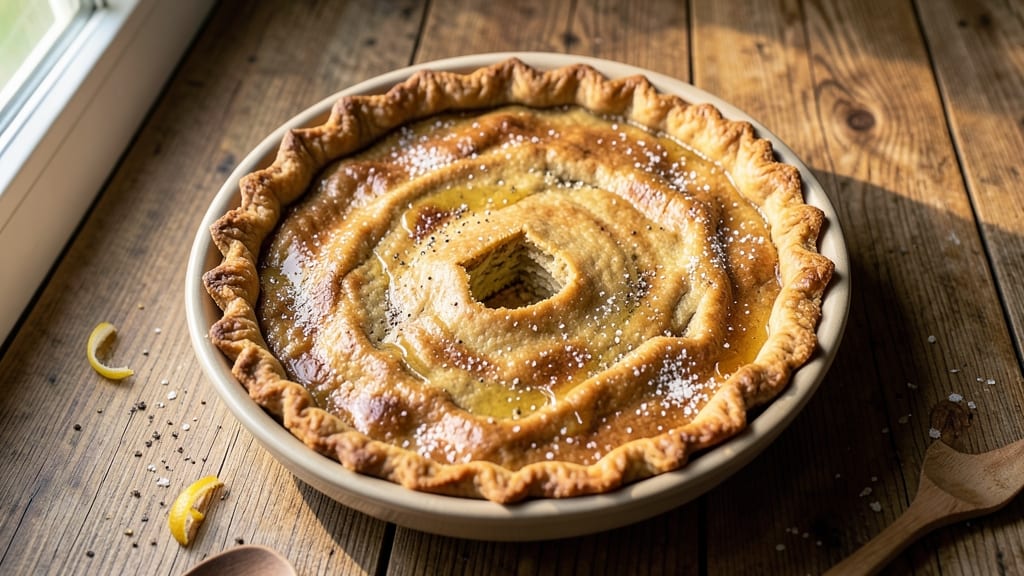
This brown rice flour pie crust recipe delivers the perfect flaky texture without butter, using nutty brown rice flour as its star. The secret lies in a clever binding method that creates a sturdy yet delicate crust—ideal for vegan desserts or savory pies.
I developed this recipe after years of perfecting plant-based baking, and it never fails to impress. The crust achieves its signature flakiness through a combination of cold water and vegetable oil, which mimics the fat content of traditional butter-based crusts.
Brown rice flour adds a subtle nutty flavor that pairs beautifully with both sweet and savory fillings. The process is straightforward: mix, chill, roll, and bake, ensuring a crisp edge and tender interior every time.
What sets this crust apart is its versatility—it works equally well with fruit fillings, custards, or even savory toppings like caramelized onions. The texture is light yet sturdy enough to hold its shape, making it perfect for both beginner bakers and experienced chefs looking for a reliable vegan option.
The crust bakes to a golden brown, creating that classic pie look without compromising on taste or texture. For best results, keep the dough chilled until rolling to prevent sticking, and avoid overworking the mixture.
This recipe proves that plant-based baking can achieve the same flaky perfection as traditional crusts, all while being nutritious and delicious.
Ingredients for brown rice flour pie crust
Nine simple ingredients transform into a flaky, nutty crust that rivals butter-based recipes—vegan perfection!
| Ingredient | Amount | Notes |
|---|---|---|
| Brown Rice Flour 🌾 | 2 cups | Fine grind for best texture |
| Cold Water 💧 | ¾ cup | Chilled for proper binding |
| Vegetable Oil 🫒 | ½ cup | Refined for neutral flavor |
| Nutritional Yeast 🧀 | 2 tbsp | For cheesy umami depth |
| Salt 🧂 | ½ tsp | Fine sea salt preferred |
| Ground Black Pepper 🌶️ | ¼ tsp | Freshly ground for flavor |
| Cold Vegetable Broth 💧 | ¼ cup | Vegan, unsalted preferred |
| Flaxseed Meal 🌿 | 1 tbsp | For binding, mixed with water |
| Cold Water 💧 | 3 tbsp | For flaxseed mixture |
| Icing Sugar 🍬 | 1 tbsp | Optional, for dusting edges |
Brown rice flour is the star here, but not all brands work equally. Bob's Red Mill or Anthony's Goods are my go-tos—their fine grind creates that signature flakiness. If you can only find coarse flour, pulse it briefly in a food processor first. The vegetable oil needs to be cold when mixed—refrigerate it for 30 minutes beforehand. Nutritional yeast adds that cheesy depth, so don't skip it. For the broth, Imagine or Pacific Foods brands are vegan-friendly and add extra richness without overpowering.
No flaxseed meal? Ground flaxseed works too—just mix with water like the recipe says. Short on vegetable oil? Coconut oil works in a pinch, but it adds a slight coconut flavor. The icing sugar is totally optional, but it gives that classic pie crust edge a beautiful golden finish. For a savory crust, skip the nutritional yeast and add 1 tsp dried thyme or rosemary instead. The crust handles both sweet and savory fillings beautifully—just adjust the seasoning in your filling to complement the nutty flour.
This dough needs to chill for at least 1 hour before rolling—don't rush it! Wrap tightly in plastic wrap and store in the fridge for up to 3 days or freeze for 3 months. For best results, let it sit at room temperature for 10 minutes before rolling. Leftover crust scraps? Crumble and bake at 350°F for 10 minutes to make crispy pie topping bits—perfect for garnishes!
Why You'll Love This Recipe
- No Fuss, No Mess: I mix it in a bowl—literally 5 minutes—no rolling pins, no stress. The cold water and oil bind it like magic, and my kids can "help" without making a disaster.
- Umami Magic: That nutritional yeast? It’s the secret weapon here. Gives it this deep, savory punch that makes it taste way more complex than a basic crust—like a cozy hug in flour form.
- Pie for Any Occasion: Use it for sweet pies (yes, really—add honey and cinnamon) or savory hand pies stuffed with veggies. I’ve even turned it into a quick galette crust when I’m lazy. Versatile enough to handle my chaotic schedule.
- Budget-Friendly Staple: Brown rice flour is cheap, lasts forever, and this crust uses almost none of it. Plus, the leftovers freeze perfectly—just reheat and roll out. My wallet (and my freezer) thank me every time.
Step-by-step instructions for brown rice flour pie crust
Here's how to create a nutty, flaky crust without butter—it's easier than you think!
Mix the Flaxseed Egg Replacement
In a small bowl, whisk together 1 tablespoon flaxseed meal and 3 tablespoons cold water. Let it sit for 5 minutes until it thickens into a gel-like consistency—this will replace eggs for binding. The mixture should resemble raw egg whites in texture. If it's too runny after 5 minutes, add another ½ teaspoon flaxseed meal and stir.
This step is crucial for achieving that classic pie crust texture without animal products. The flaxseed mixture will hold everything together while keeping the crust tender. I like to use a small bowl here so I can easily stir and check the consistency without making a mess.
Combine Wet and Dry Ingredients
In a large mixing bowl, combine 2 cups brown rice flour, 2 tablespoons nutritional yeast, ½ teaspoon salt, and ¼ teaspoon ground black pepper. In a separate small bowl, mix ½ cup vegetable oil, ½ cup cold water, and the flaxseed egg mixture. Pour the wet ingredients into the dry ingredients and stir with a fork until just combined.
You'll notice the dough will be slightly sticky—this is normal. The goal is to create a cohesive dough without overmixing, which can make the crust tough. I press the dough together gently with my hands until it forms a rough ball. If it feels too dry, add 1 teaspoon cold water at a time until it comes together.
Chill the Dough for Easier Handling
Divide the dough into two equal portions and flatten each into a disk. Wrap each disk tightly in plastic wrap and refrigerate for at least 30 minutes (or up to 24 hours). Chilling firms up the dough, making it easier to roll out and preventing it from shrinking in the pie dish. This step is non-negotiable for a flaky crust—don't skip it!
While the dough chills, I like to set up my rolling area. I use a clean kitchen counter dusted with a little brown rice flour to prevent sticking. The colder the dough, the less it will stick to surfaces. If you're short on time, you can chill the dough for just 20 minutes, but it might be slightly more difficult to handle.
Roll and Transfer to Pie Dish
On a lightly floured surface, roll out one disk of dough into a 12-inch circle, about ⅛-inch thick. I use a pie dish as my guide to ensure the perfect size. If the dough cracks or tears, gently press it back together—it's normal for this to happen with gluten-free crusts. Transfer the rolled dough to a 9-inch pie dish, pressing it gently into the corners to create the sides.
Repeat with the second disk. For extra flakiness, I like to brush the bottom crust lightly with ¼ cup cold vegetable broth before adding the filling. This adds moisture without making the crust soggy. Trim any excess dough hanging over the edge of the pie dish with a sharp knife, leaving about ½-inch overhang for crimping later.
Crimp and Bake for a Golden Crust
Brush the overhanging edges with cold water and sprinkle with 1 tablespoon icing sugar (if using). Press the edges together firmly to create a decorative crimp. Place the pie crust on a baking sheet lined with parchment paper to catch any drips. For a pre-baked crust, bake at 375°F for 12-15 minutes until the edges are light golden brown and the crust is set.
If you're making a filled pie, you can also blind-bake the crust by covering it with parchment paper and pie weights or dried beans. Bake for 10 minutes at 375°F, then remove the weights and bake for another 5 minutes until the crust is firm. The key is to achieve that beautiful golden color without burning—watch it closely during the last few minutes of baking.
Pro Tips For Making Brown Rice Flour Pie Crust
- Chill the Dough Properly: I learned this the hard way—skipping the 30-minute fridge rest makes the crust brittle. Wrap it in plastic and let it sit flat on a baking sheet (not stacked) so it doesn’t warp when you roll it out.
- Use Cold Water, Not Ice Water: Brown rice flour crusts hate heat. Cold water (straight from the tap) keeps the gluten from over-developing, but ice water makes it gummy. Fill a glass with water, let it sit out for 10 minutes, then use it—just cold enough to chill your fingers when you touch it.
- Preheat the Pan First: This isn’t just about the oven. Heat your pie dish for 5 minutes before adding the crust—it helps the oil in the dough melt evenly and prevents soggy spots. I used to skip this, and the edges would always stick no matter how much oil I brushed on.
- Brush with Oil Twice: One coat of vegetable oil won’t cut it. After pressing the dough into the pan, brush the bottom and sides with oil, then let it sit for 2 minutes. Brush again right before baking—this seals the crust and gives it that crisp, golden edge you actually want. (Yes, it’s extra work, but it makes a real difference.)
Wine and beer pairings for brown rice flour pie crust
Sweet Wine Pairings
For fruit-filled pies like apple or berry, a dry Riesling from Germany or Alsace is my go-to—its crisp acidity cuts through the crust's nutty richness while complementing sweet-tart fillings.
I love Dr. Loosen Blue Slate or Trimbach Riesling, both of which balance the crust's earthiness with their citrus and stone fruit notes. 🍷
Sparkling Wine Magic
A vegan sparkling wine like Freixenet Eden or LaCroix Brut adds elegance to dessert pies, especially those with custard or caramel fillings. The bubbles cleanse your palate between bites, making the nutty crust taste even more refined. Serve slightly chilled for best results.
Beer for Savory Pies
For savory pies with fillings like mushrooms and caramelized onions, a Belgian-style witbier like Stella Artois Wit or Hoegaarden works beautifully. The coriander and citrus notes in these beers complement the crust's subtle nuttiness while enhancing the umami flavors in the filling. 🍺
Cider Pairing
An unsweetened apple cider like Woodchuck Hard Cider or Angry Orchard pairs surprisingly well with both sweet and savory pies. The apple notes echo the crust's natural flavors while adding a refreshing contrast. Serve slightly chilled for a crisp finish.
Dessert Wine Options
For a more decadent pairing, try a Moscato d'Asti or Prosecco with berry pies—their light sweetness and effervescence make the nutty crust taste even more luxurious. I recommend La Marca Prosecco for its balance of sweetness and acidity. 🍇
Non-Alcoholic Pairings
Don't overlook sparkling water with lemon or hibiscus iced tea for a refreshing contrast. For a creamy pairing, try vanilla almond milk—its subtle sweetness complements the crust's nutty depth without overpowering the filling. Perfect for brunch pies!
Nutrition facts
Frequently asked questions
Why does this crust need flaxseed instead of eggs?
The flaxseed mixture acts as a perfect egg substitute, binding the ingredients without adding animal products. When mixed with water, it creates a gel-like consistency that mimics egg's binding properties while keeping the crust tender. Brown rice flour lacks gluten, so the flaxseed is essential for holding everything together during baking.
Can I make this crust without nutritional yeast?
Yes, but you'll lose that cheesy umami depth that makes the crust so flavorful. For a substitute, try 1 tbsp white miso paste or ½ tsp garlic powder + ½ tsp onion powder for a savory option. For sweet pies, skip it entirely—the crust will still work, just with a more neutral flavor profile.
How do I prevent the crust from shrinking in the pie dish?
Chilling the dough for at least 1 hour is key—this prevents shrinkage when baking. Roll the dough directly on parchment paper, then transfer it to your pie dish with the paper intact. Remove the paper before adding filling. Another trick: brush the bottom crust with cold vegetable broth before baking to help it set properly.
What's the best filling for this nutty crust?
The crust's subtle nuttiness pairs beautifully with spiced apple or pear fillings, as well as savory mushroom and caramelized onion combinations. For extra flakiness, try a custard filling—the crust's texture holds up perfectly. Avoid overly wet fillings like fresh berries unless you pre-bake the crust first.
Can I make this crust ahead of time?
Wrap the chilled dough disks tightly in plastic wrap and store them in the fridge for up to 3 days or freeze for 3 months. Thaw in the fridge overnight before rolling. For pre-baked crusts, freeze them after baking (without filling) and reheat at 350°F for 5 minutes before adding your filling.