
Main Courses
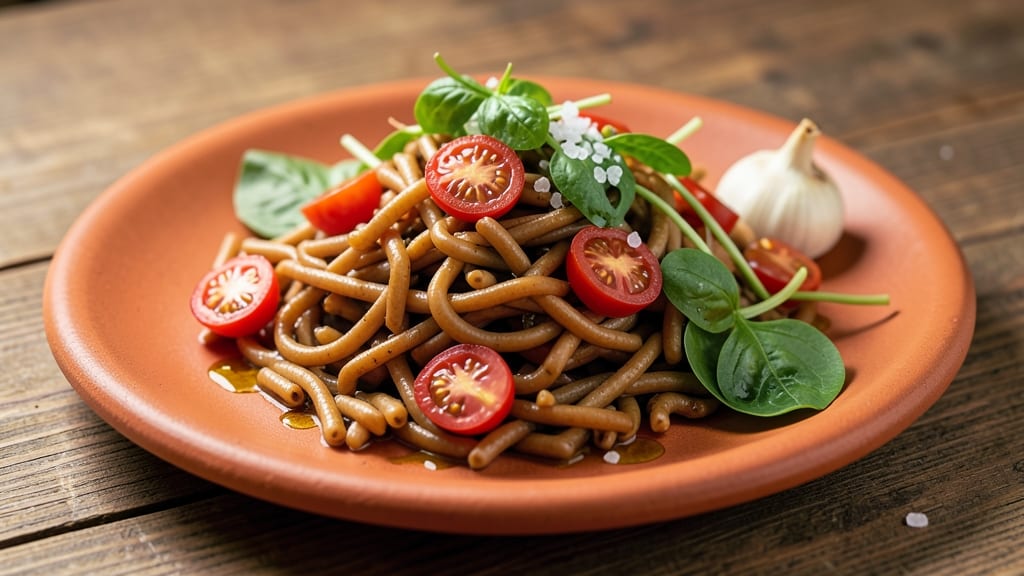
This brown rice fusilli pasta recipe transforms classic comfort into a nutty, earthy masterpiece that satisfies both cravings and nutritional goals. 💛 The secret lies in the pasta itself—brown rice fusilli delivers a chewy texture with a subtle nutty flavor that pairs perfectly with bold sauces and fresh vegetables.
Perfectly cooked to al dente in just 10-12 minutes, this pasta absorbs flavors beautifully while maintaining its structure. Whether tossed with vibrant tomato sauce, creamy pesto, or grilled tofu for a vegetarian twist, it becomes the heart of any meal—simple yet deeply satisfying.
Ingredients for brown rice fusilli pasta
Eight essential ingredients transform brown rice fusilli into a nutty, earthy masterpiece with vibrant flavors and satisfying texture.
| Ingredient | Amount | Notes |
|---|---|---|
| Brown Rice Fusilli Pasta 🍝 | 8 oz | Dry, uncooked, whole grain preferred |
| Extra-Virgin Olive Oil 🫒 | ¼ cup | High quality, fruity flavor profile |
| Garlic Cloves 🧄 | 4 cloves | Fresh, peeled, minced |
| Kosher Salt 🧂 | 1 ½ tsp | Diamond Crystal preferred |
| Cherry Tomatoes 🍅 | 1 pint | OR 12 oz fresh, halved |
| Baby Spinach 🌿 | 4 cups | Fresh, loosely packed |
| Red Bell Pepper 🧅 | 1 whole | Medium size, sliced |
| Fresh Basil Leaves 🌿 | ½ cup | Packed, chopped |
| Parmesan Cheese 🧀 | ¼ cup | Freshly grated, aged |
| Lemon Juice 🍋 | 1 tbsp | Freshly squeezed |
| Toasted Pine Nuts 🥜 | ¼ cup | OR walnuts for budget option |
| Vegetable Broth 💧 | 1 cup | Low sodium preferred |
| Freshly Ground Black Pepper 🌶️ | ½ tsp | Cracked peppercorns preferred |
The brown rice fusilli is the foundation—look for whole grain varieties with a chewy bite, not mushy. Barilla or De Cecco brands deliver consistent quality, but any reputable brand works. Fresh basil and cherry tomatoes should be vibrant and firm—avoid wilted leaves or soft tomatoes. For the pine nuts, Trader Joe's offers the best price per ounce, but walnuts or cashews make excellent budget-friendly substitutes without sacrificing flavor. The Parmesan should be aged at least 24 months for optimal umami depth—skip the pre-grated kind, it's a game-changer when freshly grated.
No cherry tomatoes? Grape tomatoes or sun-dried tomatoes work beautifully—just adjust the quantity to maintain balance. Fresh basil wilting? Dried basil at one-third the amount keeps the flavor, though texture will differ. Short on pine nuts? Toasted pecans or almonds add richness while cutting costs. The vegetable broth can be swapped for white wine or additional water, though the wine adds subtle complexity. For a gluten-free adaptation, ensure your pasta is certified gluten-free—Jovial or Banza brands are excellent choices. If you prefer a creamier texture, stir in 2 tablespoons of vegan cream cheese at the end, but it's not necessary for the authentic flavor profile.
Store uncooked pasta in a cool, dry place for up to 12 months, but once opened, transfer to an airtight container to prevent moisture absorption. Fresh basil lasts 5-7 days wrapped in damp paper towels, while cherry tomatoes keep 5 days in the fridge. The cooked pasta reheats beautifully—simply add a splash of water and cover for 2-3 minutes in the microwave. For meal prep, store portions in glass containers with a thin layer of olive oil on top to prevent drying. This dish freezes well for 3 months if you want to prepare ahead, though texture may slightly soften upon thawing.
Why You'll Love This Recipe
- No-Chop Needed: I swear by this—halve cherry tomatoes with my knife, toss them in, and they burst with sweetness while the pasta cooks. No dicing, no stress, just that perfect pop of freshness.
- Garlic Kiss: Two cloves, sizzled in olive oil until fragrant, transform this into something special. That nutty brown rice pasta soaks up the aroma like a sponge—simple, but ridiculously satisfying.
- Leftover Hero: Make a big batch on Sunday, and you’ve got lunch sorted all week. Toss with roasted veggies or a fried egg later—it’s that adaptable, and the texture stays perfect even reheated.
- Budget Bright Spot: Brown rice fusilli costs pennies compared to regular pasta, and cherry tomatoes are cheap when in season. Honestly? This is my go-to when I’m pinching pennies but still want something that tastes like I cared.
Step-by-step instructions for brown rice fusilli pasta with nutty earthy flavors
Transform simple ingredients into a restaurant-worthy dish with this elevated pasta technique.
🍳 Step 1: Cook the Brown Rice Fusilli to Al Dente Perfection
Bring a large pot of water to a rolling boil and add 1.5 teaspoons kosher salt. Add the 8 oz brown rice fusilli pasta and cook for 1 minute less than the package directions (usually 12-13 minutes total). Brown rice pasta benefits from slightly undercooking to maintain its nutty texture and prevent mushiness.
Reserve 1 cup of pasta water before draining—this starchy liquid is essential for creating a silky sauce later. Drain the pasta and return it to the pot. Toss immediately with 2 tablespoons of the extra-virgin olive oil to prevent sticking and enhance flavor absorption. The pasta should be tender but still offer slight resistance when bitten—this is the al dente standard we're aiming for.
🍳 Step 2: Build the Flavor Base with Garlic and Vegetables
In a large skillet, heat the remaining 0.25 cup extra-virgin olive oil over medium heat. Add the 4 minced garlic cloves and sauté for 30 seconds until fragrant—don't let them brown or they'll turn bitter. Add the 1 whole red bell pepper (sliced into strips) and cook for 4-5 minutes until slightly softened but still vibrant in color.
Add the 1 pint halved cherry tomatoes and cook for another 3 minutes until they begin to blister slightly. Stir in the 4 cups baby spinach and cook just until wilted—about 1-2 minutes. The vegetables should retain their bright colors and crisp texture, not turn mushy. This quick sauté preserves their freshness while building flavor depth.
🥘 Step 3: Create the Nutty Earthy Sauce
Pour in the 1 cup vegetable broth and bring to a gentle simmer. Add the cooked pasta along with 0.5 teaspoon freshly ground black pepper and toss everything together. The broth will help create a light, velvety sauce that clings beautifully to the fusilli. Cook for 2-3 minutes on medium heat, stirring frequently, until the pasta absorbs just enough liquid to become glossy.
Remove the skillet from heat and stir in the 0.5 cup chopped fresh basil leaves and 0.25 cup toasted pine nuts. The pine nuts add a delightful crunch and nutty complement to the brown rice pasta's earthy profile. Taste and adjust seasoning—you might need a pinch more salt to balance the fresh vegetables and herbs.
🍽️ Step 4: Finish with Bright Acid and Rich Cheese
Return the skillet to low heat and stir in the 0.25 cup freshly grated Parmesan cheese and 1 tablespoon fresh lemon juice. The acidity brightens the dish while the cheese adds richness and umami depth. Cook for just 1 minute to let the cheese melt completely and the lemon juice integrate evenly.
Taste and make final adjustments—perhaps a touch more lemon for brightness or a sprinkle of additional Parmesan for richness. The sauce should coat the pasta beautifully without being overly thick. Serve immediately while the pasta is hot, garnished with extra pine nuts and fresh basil if desired. Each forkful delivers the perfect balance of nutty earthiness, fresh vegetables, and bright acidity.
Pro Tips For Making Brown Rice Fusilli Pasta
- Boil the Garlic First: Toss 2-3 minced garlic cloves into the boiling pasta water for 30 seconds before draining—it infuses the water with flavor without burning. I used to add it at the end, but this step guarantees the garlic’s aroma clings to every strand of fusilli, especially the nutty brown rice kind that soaks up flavors like a sponge.
- Halve Those Tomatoes: Cherry tomatoes burst easily—cut them in half before adding them to the pan. Whole ones turn mushy and release too much liquid, diluting the sauce and making the dish soggy. (Yes, even if you’re in a hurry, this takes 10 seconds and makes a real difference.)
- Salt the Pasta Water Aggressively: Throw in 1.5 tablespoons of kosher salt per 4 quarts of water—more than you think, especially for brown rice pasta, which needs that seasoning to catch up. I learned this the hard way when my fusilli tasted bland no matter how much I tossed it with olive oil later.
- Toss with Oil While Hot: Drain the fusilli, then immediately return it to the pot off the heat and add 2 tablespoons of extra-virgin olive oil. Stir like you’re angry—this coats every strand and prevents sticking. Skipping this step leaves you with dry, clumpy pasta, and nobody wants that.
Essential equipment for this dish
Pasta Pot Essentials
Start with a large, deep pot that can hold at least 8 quarts of water—I recommend a stainless steel pot like the All-Clad Stainless Steel Dutch Oven for even heat distribution.
This prevents temperature fluctuations that can cause uneven cooking. A pasta strainer with large holes is a must; I love the OXO Good Grips Pasta Server for both draining and serving. 🍲
Skillet for Sautéing
For the vegetable sauté, use a 12-inch cast iron skillet like the Lodge Pre-Seasoned Cast Iron—it retains heat beautifully and adds natural iron to your dish. If cast iron isn't your thing, a non-stick stainless steel skillet from Made In works perfectly.
The wide surface area ensures even cooking of your bell peppers and tomatoes.
Knife & Cutting Tools
A sharp chef's knife (I use the Wüsthof Classic 8-inch) is essential for mincing garlic and slicing bell peppers efficiently. Pair it with a cutting board—I prefer Teakhaus bamboo for its gentle surface that protects your knife's edge.
A microplane comes in handy for zesting lemon or grating Parmesan quickly. 🔪
Measuring Tools
Precision matters when cooking pasta! Use a stainless steel measuring cup (like the OXO Good Grips) for your pasta water and broth. For spices, a small spice scoop ensures accurate measurements—Diamond Crystal kosher salt should be measured by volume, not weight.
A digital kitchen scale (such as the Escali Primo) is optional but helpful for perfecting your pasta-to-water ratio.
Optional Upgrades
For pine nuts, a small skillet or dry pan is perfect for toasting them—just keep them moving to avoid burning. A mortar and pestle can crush fresh peppercorns for that freshly ground black pepper flavor.
If you love fresh herbs, a herb scissors makes chopping basil effortless. These extras elevate the dish without being essential.
Budget-Friendly Swaps
No fancy equipment? No problem! A large pot with a lid, a wooden spoon, and a sharp knife work just fine. For measuring, use standard measuring cups and a teaspoon from your spice rack.
The key is technique—boil water vigorously and taste your pasta frequently. Even basic tools can deliver restaurant-quality results with the right approach. 💪
Nutrition facts
Frequently asked questions
Why does brown rice fusilli taste different from regular wheat pasta?
Brown rice fusilli has a naturally nutty, earthy flavor and chewier texture because of its whole grain composition. Unlike wheat pasta, it lacks gluten, so it holds sauce differently but absorbs flavors beautifully. The toasted pine nuts in this recipe enhance that nutty profile, creating a unique taste experience.
Can I make this recipe vegan?
Yes! Simply omit the Parmesan cheese and use vegan butter or nutritional yeast for a cheesy flavor. Ensure your pasta is certified vegan (like Banza brand) and check that your vegetable broth contains no animal products. The dish remains just as delicious with these simple swaps.
How do I prevent brown rice fusilli from sticking together?
Always toss freshly cooked pasta with olive oil immediately after draining to create a protective layer. Use plenty of water (at least 8 quarts for 8 oz pasta) and stir frequently while cooking. A pasta fork or wooden spoon helps prevent clumping during the process.
What's the best way to reheat leftover brown rice fusilli?
Add a splash of water or broth to the pasta and cover for 2-3 minutes in the microwave. For stovetop reheating, use low heat with a splash of water and toss constantly to prevent drying. Avoid overcooking—brown rice pasta can become mushy when reheated too long.
Can I substitute other vegetables in this recipe?
Swap cherry tomatoes for zucchini, bell peppers, or mushrooms. Use kale instead of spinach, or add roasted broccoli for extra nutrition. The key is maintaining a balance of colors and textures while keeping the cooking time similar.