
Main Courses
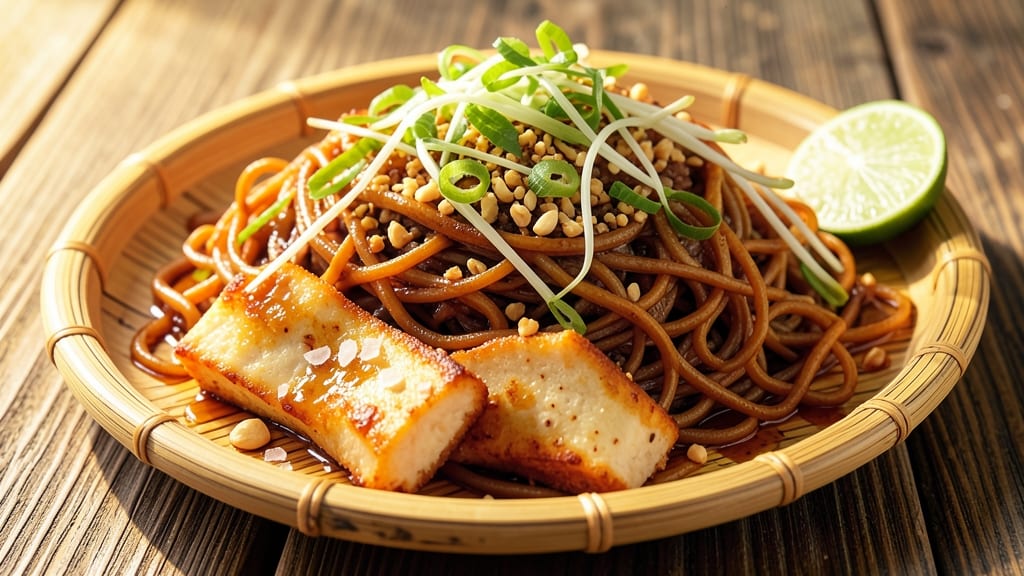
This brown rice Pad Thai noodles recipe transforms classic flavors into a nutritious, vegetarian-friendly twist with chewy, toasted grains and a tangy tamarind sauce. 🌟 The secret lies in balancing sweet, salty, and umami notes—using soy sauce for depth and a touch of maple syrup to mimic traditional caramelized richness.
I developed this version after craving the bold, savory-sweet harmony of Pad Thai without the meat, and it delivers every time.
The key is stir-frying the brown rice noodles just until tender yet still slightly firm, so they hold up to the sauce and toppings. Crispy tofu or mushrooms add protein, while bean sprouts and crushed peanuts bring texture and crunch.
The sauce—tamarind, lime, and garlic—creates that signature tangy zing that makes this dish unforgettable. Ready in under 30 minutes, it’s perfect for weeknights or meal prep.
Ingredients for brown rice pad thai noodles
Toasted brown rice noodles meet tangy tamarind and crispy tofu in this vegetarian Pad Thai transformation.
| Ingredient | Amount | Notes |
|---|---|---|
| Brown Rice Pad Thai Noodles 🍜 | 8 oz | Dried, uncooked, toasted for nutty flavor |
| Extra-Firm Tofu 🥜 | 14 oz | Pressed, cubed, pan-fried crispy |
| Bean Sprouts 🌱 | 2 cups | Fresh, rinsed, trimmed |
| Crushed Peanuts 🥜 | ½ cup | Toasted, for garnish |
| Green Onions 🧅 | 4 whole | Thinly sliced, white and green parts |
| Lime Wedges 🍋 | 3 whole | Fresh, for serving |
| Tamarind Paste 🍯 | 3 tbsp | Unadulterated, for tangy base |
| Soy Sauce 🍶 | 3 tbsp | Low-sodium preferred |
| Maple Syrup 🍁 | 2 tbsp | Grade B for depth |
| Rice Vinegar 🍶 | 2 tbsp | Seasoned preferred |
| Sesame Oil 🫒 | 1 tbsp | Toasted, for aroma |
| Garlic Cloves 🧄 | 4 cloves | Minced, for umami depth |
| Vegetable Oil 🫒 | 2 tbsp | High smoke point |
| Diamond Crystal Kosher Salt 🧂 | ½ tsp | Adjust to taste |
| Fresh Chili Peppers 🌶️ | 1 piece | Thai or serrano, minced |
The brown rice noodles are the foundation—look for ones labeled specifically for Pad Thai or stir-fry. Thai Kitchen or Three Ladies brand are reliable choices, and they toast beautifully for that nutty flavor. If you can't find pre-toasted, dry-fry them in a pan with a touch of oil for 2-3 minutes before cooking. The extra-firm tofu needs pressing to remove excess water; wrap it in a towel and place a heavy pan on top for 20 minutes. For the tamarind paste, Mae Ploy is the gold standard, but any unadulterated brand works—just avoid the sweetened versions.
No tamarind paste? Substitute lime juice with a pinch of sugar (1 tbsp lime + 1 tsp sugar = 3 tbsp tamarind). Want more protein? Swap half the tofu for shredded carrots or mushrooms. The Grade B maple syrup adds caramel notes—don’t use Grade A, which is too mild. For extra crunch, toast your peanuts in a dry pan until fragrant. The Thai chili peppers are essential for heat; if unavailable, use a pinch of cayenne or red pepper flakes, but start small—this sauce packs a punch.
Store cooked noodles in an airtight container with a paper towel pressed on top to absorb moisture—keeps 3-4 days in the fridge. For longer storage, freeze the sauce separately and toss with fresh noodles when reheating. The tofu reheats best in a dry pan over medium heat to restore crispiness. Garnish with lime wedges and fresh herbs just before serving—cilantro or Thai basil if you have them, but green onions work too. This dish tastes even better the next day as flavors meld.
Why You'll Love This Recipe
- Noodles in Minutes: I swear by this—those pre-cooked brown rice noodles just need hot water and a quick rinse. No boiling, no waiting, no stress. Honestly, I’ve made it while my coffee brewed.
- Crunchy-Creamy Magic: The tofu gets that perfect crispy sear, then melts into the tangy sauce, while the bean sprouts add that fresh snap. Between us, the crushed peanuts on top? Pure satisfaction every time.
- Lunchbox Hero: I pack leftovers for days—it reheats like a dream and keeps its texture. My kids actually ask for it, even though I tell them it’s “just noodles.”
- Budget Flex: Tofu and brown rice noodles stretch so far, and the toppings cost pennies. I’ll be real: this feeds four for under $10, and I still feel like I’m dining out.
Step-by-step instructions for brown rice pad thai noodles
Here's the method to create restaurant-quality brown rice pad thai with nutty depth and perfect texture.
🍳 Step 1: Cook and Toast the Brown Rice Noodles
Bring a large pot of water to a rolling boil. Add the 8 oz brown rice pad thai noodles and cook for 4-5 minutes until al dente - they should still have a slight bite. Drain immediately and rinse under cold water to stop the cooking process and remove excess starch.
Transfer the noodles to a clean bowl and toss with 1 tbsp sesame oil. Let them sit for 5 minutes while you prepare the remaining ingredients. This step is crucial - the sesame oil enhances the nutty flavor of the brown rice and prevents the noodles from sticking together.
🍳 Step 2: Create the Tangy Tamarind Sauce Base
In a small saucepan, combine 3 tbsp tamarind paste, 3 tbsp soy sauce, 2 tbsp maple syrup, 2 tbsp rice vinegar, and 4 cloves minced garlic. Bring to a gentle simmer over medium heat for 3-4 minutes, stirring constantly until the mixture thickens slightly and becomes fragrant.
Remove from heat and let cool for 2 minutes. I like to taste at this stage - the sauce should be tangy with a subtle sweetness. If it needs more balance, add a pinch of diamond crystal kosher salt (up to 0.5 tsp). This sauce forms the flavor foundation of your pad thai.
🔥 Step 3: Pan-Fry the Crispy Tofu
Heat 2 tbsp vegetable oil in a large skillet over medium-high heat until shimmering. Add the 14 oz cubed extra-firm tofu and cook for 5-6 minutes per side until golden brown and crispy. Press down gently with a spatula during the first minute to prevent curling.
Remove the tofu from the skillet and set aside. Leave the rendered oil in the pan - it contains valuable flavor. If the oil starts to smoke excessively, reduce the heat slightly. The tofu should be crisp enough to hold its shape but still tender inside.
🥘 Step 4: Assemble and Toss the Pad Thai
Return the skillet with tofu oil to medium heat. Add the cooked noodles and toss to coat in the oil for 1 minute. Pour in the tamarind sauce and stir vigorously for 2 minutes until everything is well combined and heated through.
Add 2 cups bean sprouts and 1 minced fresh chili pepper, tossing everything together for another 1 minute. The bean sprouts should brighten the dish with freshness while the chili adds a subtle heat. Taste and adjust seasoning if needed - you might need a touch more soy sauce or maple syrup depending on your preference.
🍽️ Step 5: Finish and Serve Immediately
Divide the pad thai among 4 serving plates. Garnish each portion with 0.5 cup crushed peanuts and 1 whole green onion, sliced thinly. Drizzle with sesame oil and serve with 3 lime wedges on the side for a bright finishing touch.
This dish tastes best served immediately when the noodles are still warm and the peanuts are crisp. The brown rice noodles provide a satisfying chew while the tamarind sauce delivers that signature tangy flavor. Each bite should balance crispy tofu, tender noodles, fresh sprouts, and nutty peanuts.
Pro Tips For Making Brown Rice Pad Thai Noodles
- Cook Tofu Until Crisp: I learned this the hard way—extra-firm tofu needs a good sear in a screaming-hot pan with 1 tablespoon of oil for 4-5 minutes per side. Press it first (wrap in a towel, place a heavy pan on top for 15 minutes), then cut into cubes after cooking. That crispy exterior makes all the difference when it hits the tamarind sauce.
- Soak Noodles Just Enough: Brown rice noodles turn mushy if you over-soak, but they also stick together like glue if you don’t. Test for doneness at 2 minutes—drain immediately, rinse with cold water, and toss with a splash of oil. They’ll finish cooking in the wok, and you’ll avoid that sad, gummy texture.
- Save Bean Sprouts for Last: Tossing bean sprouts in with everything else turns them to mush in seconds. Keep them separate until the very end, then stir-fry them for 30 seconds max—just enough to warm through. They should stay bright green and crunchy, not soggy.
- Toast Peanuts Fresh: Store-bought crushed peanuts taste stale no matter how much lime juice you add. Dry-toast ¼ cup of whole peanuts in a pan over medium heat for 3-4 minutes until golden, then crush them yourself. The nutty aroma alone elevates the dish—trust me.
Make-ahead tips for this recipe
Prep Ahead Sauce
Make the tamarind sauce 2 days ahead—it actually improves as flavors meld. Store in an airtight container in the fridge. When ready to cook, simply reheat in a small saucepan over medium-low heat for 3-4 minutes, stirring occasionally.
This saves time and ensures the sauce is ready when you need it. 💡
Noodle Prep Shortcut
Cook the brown rice noodles 1 day ahead and store them in the fridge in sesame oil (as in Step 1). When reheating, rinse with cold water to remove excess oil, then toss with fresh sesame oil before assembling.
This keeps them from becoming mushy. I do this when prepping for busy weeknights!
Tofu Make-Ahead Trick
Pan-fry the tofu up to 3 days ahead and store it in a single layer on a wire rack in the fridge. This prevents sogginess. Reheat in a dry skillet over medium heat for 2-3 minutes to restore crispiness before adding to the pad thai.
Pro tip: Sprinkle with ½ tsp cornstarch before reheating for extra crunch. 🍳
Garnish Prep Station
Set up a garnish station the night before: Toast and store peanuts in a sealed container, slice green onions, and portion lime wedges. Keep everything in small bowls near your serving area.
This makes plating quick and keeps toppings fresh. I even pre-measure the crushed peanuts into ¼ cup portions for each serving. ✨
Freezer-Friendly Sauce
For long-term storage, freeze the tamarind sauce in ice cube trays. Once frozen, transfer cubes to a freezer bag for easy portioning. Thaw overnight in the fridge before reheating. This works perfectly if you're meal prepping for the week. Just add 1-2 cubes to your saucepan when reheating. ❄️
Portion Control Tips
Divide cooked noodles into 4 equal portions right after cooking and store in airtight containers. When reheating, add fresh tofu, sauce, and toppings to maintain texture. I like to keep the sauce separate until reheating to prevent soggy noodles. This ensures every serving tastes fresh and crispy. 💪
Nutrition facts
Frequently asked questions
Why use brown rice noodles instead of traditional rice noodles?
Brown rice noodles add a nutty, earthy flavor and extra fiber compared to white rice noodles. They hold up better during stir-frying, giving your pad thai a heartier texture while keeping that classic chew. Plus, they're a great gluten-free option for those avoiding wheat-based noodles.
Can I make this recipe without tofu?
Swap the tofu for crispy chickpeas (tossed in oil and baked until golden) or mushrooms (sautéed with garlic and soy sauce). For extra protein, add shredded carrots or bell peppers—they absorb the sauce beautifully. The key is keeping ingredients that hold their shape for texture contrast.
How do I prevent the noodles from getting mushy?
Cook the brown rice noodles al dente (just 4-5 minutes) and rinse immediately in cold water to stop cooking. Toss them with sesame oil while prepping other ingredients to keep them separate. When reheating, always add sauce and toppings fresh—never store them together. For extra insurance, store cooked noodles in airtight containers with a paper towel pressed on top.
What if I don't have tamarind paste?
Mix 1 tbsp lime juice + 1 tsp sugar for 3 tbsp tamarind paste, or use 1 tbsp soy sauce + 1 tbsp rice vinegar + ½ tsp maple syrup. For deeper flavor, add a pinch of fish sauce (if not vegetarian) or miso paste. The sauce needs that tangy-sweet balance, so adjust to taste.
Can I make this gluten-free?
Yes! Ensure your soy sauce is tamari (gluten-free), use certified gluten-free brown rice noodles, and check that tamarind paste has no wheat additives. All other ingredients (tofu, peanuts, etc.) are naturally gluten-free. Double-check labels, especially for sauces and seasonings.