
Main Courses
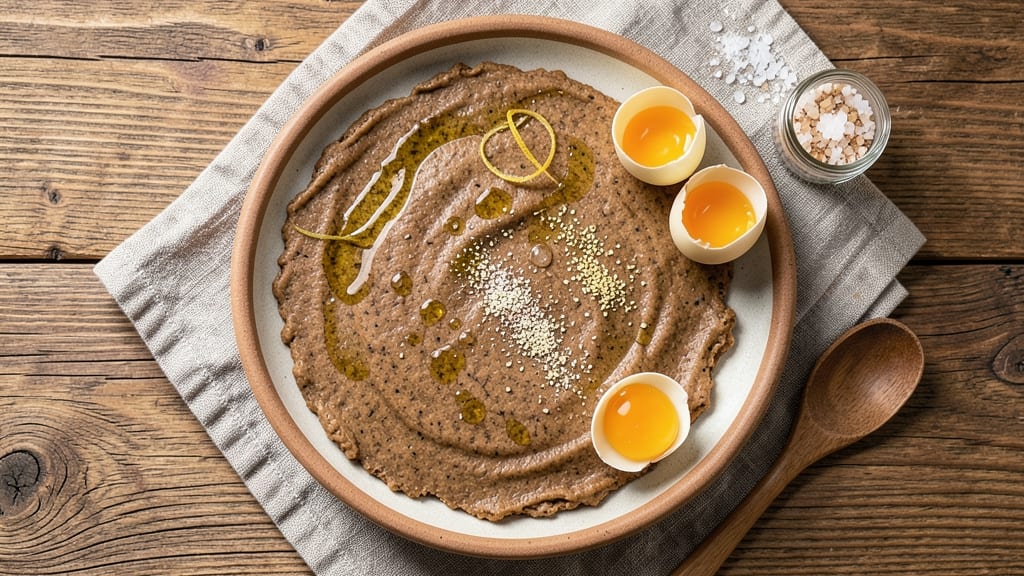
This brown rice pasta dough delivers nutty, elastic noodles that rival traditional wheat pasta—without the gluten. The secret lies in proper hydration and a slow kneading process that develops the dough's natural elasticity, creating strands that hold their shape beautifully when cooked.
For those seeking a plant-based alternative, this recipe proves homemade pasta can be just as satisfying as the classic version.
With just brown rice flour, water, and a pinch of salt, you’ll craft a dough that’s rich in fiber and nutrients while maintaining that satisfying chew. The key is resting the dough for at least 30 minutes before rolling, which relaxes the gluten-free structure and prevents breakage.
Whether you shape it into tagliatelle or fettuccine, the result is a pasta that pairs perfectly with robust sauces like pesto or marinara, offering a heartier, more flavorful bite.
Ingredients for brown rice pasta dough
Just six core ingredients transform into nutty, elastic pasta dough that rivals traditional wheat versions.
| Ingredient | Amount | Notes |
|---|---|---|
| Brown Rice Flour 🌾 | 2 cups | Finely milled, gluten-free preferred |
| Large Eggs 🥚 | 1 whole | OR 1 flax egg (1 tbsp ground flaxseed + 3 tbsp water) |
| Extra-Virgin Olive Oil 🫒 | ¼ cup | High-quality, fruity variety |
| Water 💧 | ¾ cup | Room temperature preferred |
| Sea Salt 🧂 | ½ tsp | Fine grain preferred |
| White Vinegar 🍶 | 1 tbsp | OR apple cider vinegar |
| Ground Flaxseed 🌰 | 1 tbsp | For flax egg substitute |
| Semolina Flour 🌾 | 2 tbsp | For dusting rolling surface |
| Nutritional Yeast 🧀 | 1 tbsp | Optional, for cheesy flavor |
The brown rice flour is non-negotiable here—Bob's Red Mill or Anthony's Goods are my go-tos for consistent texture. Look for finely milled flour; coarser grinds can make the dough gritty. The olive oil matters too—California Olive Ranch or Bertolli add that fruity depth. If you're making a big batch, Costco carries bulk brown rice flour at a great price. Freshness is key: if your flour smells musty, toast it lightly in a dry pan to revive it.
No eggs? No problem. The flax egg substitution works perfectly—just mix the ground flaxseed with water and let it sit for 5 minutes to thicken. Vinegar adds elasticity, but if you're out, a splash of lemon juice works in a pinch. For extra flavor, toss in nutritional yeast—it gives that cheesy tang without dairy. The dough needs to rest, so don't skip that step. If you're short on time, chill it in the fridge for 30 minutes instead of letting it sit at room temperature.
This dough keeps beautifully—wrap tightly in plastic and store in the fridge for up to 5 days or freeze for 3 months. For best results, let it come to room temperature before rolling. If you're making ahead, shape the noodles and freeze them on a floured tray before bagging. When reheating, boil for just 1-2 minutes less than fresh pasta—it's already cooked through from the dough stage.
Why You'll Love This Recipe
- No-Fuss Mixing: I swear by this dough—just toss the brown rice flour, eggs, olive oil, and water in a bowl. No food processor, no kneading, no stress. The eggs bind it all while the olive oil keeps it tender, and honestly? It’s harder to mess up than store-bought.
- Nutty Earthy Richness: That brown rice flour gives it a depth you won’t find in regular pasta. It’s got a subtle toasty note that pairs perfectly with garlic, tomato sauce, or even a simple olive oil drizzle. (Yes, even on a Tuesday night.)
- Meal Prep Hero: This dough keeps like a dream—wrap it in plastic, stash it in the fridge for up to 5 days, or freeze it for months. Need lunch? Toss a sheet of it in boiling water, top with pesto and roasted veggies. Done.
- Budget-Friendly Staple: Brown rice flour is cheaper than almond flour, and eggs stretch further than you’d think. A single batch feeds four, and the leftovers? Perfect for quick lunches or a last-minute dinner. My wallet (and my kids) thank me every time.
Step-by-step instructions for brown rice pasta dough
Here's how to craft nutty, elastic brown rice pasta from scratch—no fancy equipment needed.
Combine Dry Ingredients for Perfect Texture
In a large mixing bowl, whisk together the 2 cups brown rice flour, 1 tablespoon nutritional yeast, and ½ teaspoon sea salt. The nutritional yeast adds a subtle cheesy depth while the salt enhances all flavors. I like to sift the flour lightly through a fine-mesh strainer first—this prevents lumps and ensures a smoother dough later. Set this mixture aside for now.
In a separate small bowl, mix the 1 tablespoon ground flaxseed with 3 tablespoons water if using the flax egg substitute. Let it sit for 5 minutes while you prepare the other ingredients—this gives the flax time to thicken into a gel-like consistency that mimics eggs perfectly. If using regular eggs, crack 1 large egg into the same bowl and whisk lightly.
Create the Dough with Wet Ingredients
To the dry flour mixture, add the ¼ cup extra-virgin olive oil, ¾ cup water, and the prepared egg mixture (either flax gel or whole egg). I use my hands for this step—it's more tactile and helps distribute the oil evenly. Work the ingredients together until a shaggy dough forms, about 2-3 minutes. The dough should be soft but not sticky, though it might feel slightly dry at first.
Here's the thing—brown rice flour absorbs moisture differently than wheat flour. If the dough feels too dry, add 1 teaspoon water at a time until it comes together when pressed. If it's too sticky, sprinkle in 1 tablespoon more brown rice flour and knead gently. The ideal dough should be pliable but not tacky, similar to playdough consistency.
Knead and Rest for Maximum Elasticity
Turn the dough onto a lightly floured surface (I use the 2 tablespoons semolina flour for dusting) and knead for 5-7 minutes until smooth and elastic. Brown rice dough develops gluten differently than wheat, so don't worry if it doesn't look perfectly smooth. The key is to work it until it springs back when pressed—this indicates proper gluten formation for chewy pasta.
Shape the dough into a ball, wrap it tightly in plastic wrap, and let it rest at room temperature for 30 minutes. This resting period relaxes the gluten strands, making rolling and cutting much easier. I place my dough between two layers of plastic wrap to prevent sticking—this is especially important with brown rice flour which can be more adhesive than wheat flour.
Roll and Cut for Perfect Noodles
After resting, divide the dough into 4 equal portions (about ¼ pound each) and work with one piece at a time. Using a rolling pin, roll each portion into a thin sheet about ⅛-inch thick. For even thickness, I roll from the center outward, rotating the dough as I go. If it resists rolling, let it rest another 5 minutes—this prevents tearing.
Cut the rolled dough into ¼-inch wide strips using a sharp pasta cutter or a knife. For traditional fettuccine, fold the strips in half lengthwise and cut again. Immediately toss the cut pasta with 1 tablespoon white vinegar to prevent sticking. The vinegar also adds a pleasant tang that complements the nutty flavor of the brown rice.
Cook to Al Dente Perfection
Bring a large pot of well-salted water to a rolling boil—it should taste like the sea. Add the pasta and cook for 2-3 minutes until al dente. Brown rice pasta cooks faster than wheat pasta, so start checking at the 1-minute mark. You'll know it's done when it floats to the surface and has a slight bite in the center.
Drain immediately and toss with a little olive oil to prevent sticking. Serve with your favorite sauce—this pasta pairs beautifully with rich tomato sauces, creamy Alfredo, or simple garlic butter. The nutty flavor shines through while maintaining that satisfying chew you crave in homemade pasta.
Pro Tips For Making Brown Rice Pasta Dough
- Mix by Hand First: Brown rice flour clumps like a stubborn toddler. Wet your fingers and mix the flour, olive oil, and eggs by hand for 3–4 minutes before adding water—this breaks up lumps and ensures even hydration. I learned this the hard way after kneading a dough that still had dry pockets.
- Use Room-Temp Eggs: Cold eggs make the dough fight you. Let your eggs sit out for 30 minutes before mixing—they’ll blend smoother and help the gluten-free flour bind better. (Yes, even if you’re impatient like me.)
- Rest the Dough Twice: Wrap the dough in plastic and let it sit for 20 minutes before rolling, then another 10 minutes after shaping. This relaxes the fibers and prevents cracking when you cut it. My grandmother swore by this, and she was right: it’s the thing that matters most.
- Add Water Gradually: Brown rice flour absorbs water like a sponge. Start with ½ cup and add 1 tablespoon at a time—you’ll need less than the recipe suggests. Overdoing it turns your dough into a sticky mess that won’t hold shape. (Your future self will thank you.)
Essential equipment for great brown rice pasta dough
Rolling Pin Essentials
For rolling out this brown rice pasta dough, a marble rolling pin is my top recommendation—its weight ensures even pressure and prevents tearing. I use the OXO Good Grips model because it's lightweight yet effective, and the non-slip handle makes it easy to control.
If you're on a budget, a wooden rolling pin works well too, but avoid plastic—the heat from your hands can warp it over time. For extra thickness control, I mark my rolling pin with a ¼-inch tape measure wrapped around the handle so I can gauge thickness without guessing. 💫
Pasta Machine Power
A hand-crank pasta machine like the Imperia Atlas 85 changes the game for consistency. These machines handle brown rice dough better than wheat because they provide even pressure without requiring excessive strength. Start with the widest setting (usually 1) and gradually decrease to achieve your desired thickness.
For a no-machine approach, use a sharp chef's knife—place the rolled dough on a floured tray, then slice while keeping the knife at a 30-degree angle for clean cuts. I also keep a pasta cutter (like the OXO Good Grips set) handy for quick, uniform shapes. ✨
Cutting Tools Matter
A sharp pasta cutter or knife is critical for clean edges. I swear by the Marcato Atlas 120 cutter for its precision, but a sharp chef's knife works in a pinch—just
Storage Containers
After cutting, store your pasta in an airtight container to prevent drying. I use glass Pyrex containers with snap-on lids—they keep moisture in and prevent freezer burn. For short-term storage (up to 3 days), place a damp paper towel in the container to maintain freshness. When freezing, spread the pasta on a floured tray first to prevent clumping, then transfer to a ziplock bag with excess air squeezed out. Label with the date—fresh pasta freezes beautifully for up to 3 months without texture loss. ❄️
Dough Resting Surface
A lightly floured surface is non-negotiable for resting dough. I prefer semolina flour over all-purpose because it's coarser and prevents sticking better. For extra protection, use plastic wrap or a dough scraper to handle sticky sections.
If your kitchen counter isn't level, a rolling rack (like the OXO Good Grips model) elevates the dough for even rolling. For large batches, I divide the dough into 4 portions and work on separate sections of the counter to avoid crowding. 🛠️
Sauce Pairing Tools
While not essential for making the dough, a fine-mesh strainer and wooden spoon are handy for sauce prep. Brown rice pasta pairs well with tomato-based sauces, so I keep a garlic press and microplane nearby for fresh aromatics.
For creamy sauces, a hand mixer (like the Cuisinart SM-50) whips up quick Alfredo or pesto in minutes. A small saucepan with a tight-fitting lid is perfect for simmering marinara—just don't boil it dry, or the sauce will thicken too much. 🍝
Nutrition facts
Frequently asked questions
Can I substitute brown rice flour with other gluten-free flours?
You can experiment with buckwheat flour (for a richer flavor) or sorghum flour (for a lighter texture), but brown rice flour is ideal for its neutral taste and binding properties. Mix up to 50% with white rice flour if you're concerned about texture—this helps create a more elastic dough. Just remember, the nutty flavor will change with different flours.
Why does my brown rice pasta dough tear when rolling?
Brown rice dough tears easily if it hasn't rested long enough or if it's too dry. Always let the dough rest for 30 minutes before rolling, and add 1 teaspoon water at a time if it feels crumbly. Using a lightly oiled rolling pin and working in a cool kitchen also helps prevent tearing. If it still resists, let it rest another 10 minutes—patience is key!
How do I make this dough egg-free for vegan diets?
The recipe already includes a flax egg substitute (1 tbsp ground flaxseed + 3 tbsp water), but you can also use 1 tbsp chia seeds mixed with 3 tbsp water for a similar effect. Let the flax or chia "egg" sit for 5 minutes to thicken before mixing. The dough will be slightly denser but still holds together beautifully when rolled and cut.
Can I add other flavors to this pasta dough?
Try adding 1 tbsp dried herbs (like basil or oregano) or ½ tsp garlic powder to the dry ingredients for infused flavor. For a pop of color, mix in 1 tbsp turmeric or beetroot powder—just note it may slightly alter the texture. Keep additions to 1-2 tablespoons total to avoid overpowering the dough's natural taste.
How long can I keep uncooked pasta made from this dough?
Fresh pasta keeps in an airtight container in the fridge for 3-4 days and freezes beautifully for up to 3 months. For best results, freeze on a floured tray first to prevent clumping. When reheating, cook from frozen for 1-2 minutes less than fresh pasta—it's already partially cooked from the dough stage.