
Side Dishes
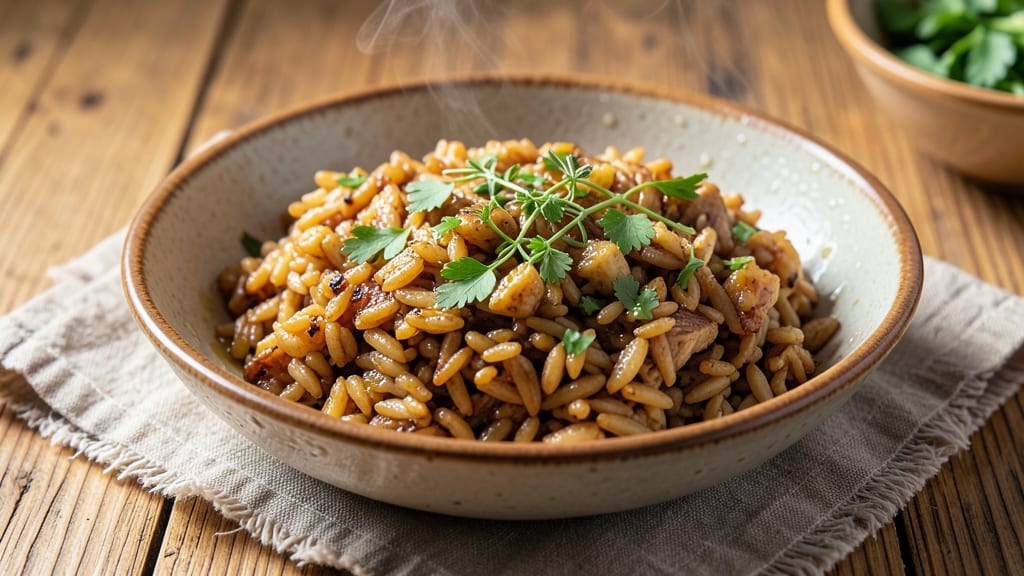
This brown rice pilaf with orzo transforms simple grains into a nutty, toasty medley that’s perfect for weeknight dinners or elegant gatherings. The key? Toasting the grains until golden for that irresistible crunch, then simmering them in aromatic broth until tender.
I’ve perfected this technique to balance earthy brown rice with the delicate bite of orzo—no complicated steps, just layers of flavor.
The beauty of this pilaf lies in its versatility. You can keep it classic with herbs like thyme and parsley, or add roasted vegetables for extra depth.
The grains absorb the savory broth beautifully, creating a dish that’s hearty enough to stand alone or light enough to pair with grilled meats and fresh salads. It’s the kind of side that elevates any meal without stealing the spotlight.
What makes this recipe foolproof is the toasting step—it’s where the magic happens. A few minutes in the pan develop those nutty flavors, while the broth cooks the grains evenly.
The result? A pilaf with toasted crunch on the outside and tender, fluffy centers. It’s simple, satisfying, and packed with texture.
Ready in about 30 minutes, this pilaf is perfect for meal prep or last-minute gatherings. Serve warm with a sprinkle of fresh herbs or a drizzle of olive oil for extra brightness. Let’s get cooking!
Ingredients for brown rice pilaf recipe with orzo
Simple grains and aromatic broth create a nutty, toasted pilaf perfect for any meal.
| Ingredient | Amount | Notes |
|---|---|---|
| Long-Grain Brown Rice 🌾 | 1 cup | Uncooked, rinsed thoroughly |
| Orzo Pasta 🍝 | ½ cup | Uncooked, standard shape |
| Chicken Broth 💧 | 2 cups | Low-sodium preferred |
| Extra-Virgin Olive Oil 🫒 | ¼ cup | For toasting grains |
| Fresh Thyme Leaves 🌿 | 1 tbsp | Or 1 tsp dried thyme |
| Fresh Parsley Leaves 🌿 | ¼ cup | Chopped for garnish |
| Garlic Cloves 🧄 | 3 cloves | Minced for aroma |
| Yellow Onion 🧅 | 1 whole | Diced finely |
| Salt 🧂 | 1 ½ tsp | Kosher or sea salt |
| Black Pepper 🌶️ | ½ tsp | Freshly ground |
| Butter 🧈 | 2 tbsp | Unsalted, for finishing |
| Lemon Zest 🍋 | 1 tbsp | Brightens flavor |
The brown rice and orzo are the stars here—look for long-grain brown rice (like Basmati) for even cooking, and standard orzo from Barilla or De Cecco for reliable texture. Freshly toasted grains develop that signature nutty crunch, so don’t skip this step. For broth, low-sodium chicken broth keeps the flavor balanced without adding extra salt. If you’re using dried herbs, measure them precisely—dried thyme is potent and should be used at one-third the amount of fresh. The garlic and onion form the aromatic base, so take your time mincing them finely for even distribution.
No fresh thyme? Dried works perfectly—just reduce to 1 teaspoon. Running low on parsley? Fresh cilantro or basil adds a nice twist, though parsley’s bright flavor is classic. Substituting vegetable broth for chicken broth works beautifully for a vegetarian version, though the flavor profile shifts slightly. The olive oil matters here—extra-virgin with good fruity notes enhances the toasting process. If you’re short on time, you can skip the lemon zest, but it adds a bright contrast that ties everything together. For extra depth, consider adding a pinch of smoked paprika during the toasting step.
Toasted grains keep their texture best when stored in an airtight container at room temperature for up to 3 days. For longer storage, refrigerate for 5 days or freeze for 3 months. Reheat gently with a splash of broth to restore moisture. The pilaf reheats beautifully—it’s even better the next day as flavors meld. If prepping ahead, store the grains and broth separately, then combine and reheat before serving. Garnish with fresh parsley and a drizzle of olive oil right before eating for that restaurant-quality finish.
Why You'll Love This Recipe
- One-Pot Magic: I swear by this recipe because it’s actually one-pan—no rice cooker, no separate pot for the orzo. Just toss everything in, let it simmer, and walk away. The orzo soaks up the broth while the brown rice cooks through, and honestly? That’s my kind of effortless.
- Thyme for Adventure: Between us, the thyme in this dish is everything. I snip fresh leaves right into the oil before anything else hits the pan, and that aroma? It’s like a warm hug for your taste buds. The nutty brown rice and chewy orzo get this bright, herby lift that makes it feel fancy without trying.
- Lunchbox Hero: This pilaf is my go-to for meal prep because it actually reheats well. Pack it cold for lunches or microwave it for quick dinners—no soggy rice here. I’ll be real: my kids grab seconds because it’s not just boring brown rice. The orzo adds that fun texture they love.
- Budget Booster: Brown rice and orzo are cheap staples, and chicken broth stretches for multiple meals. I make a big batch, use half for this pilaf, and save the rest for soups or sauces. Not the prettiest, but the taste makes up for it—plus, my wallet thanks me every time.
Step-by-step instructions for brown rice pilaf with orzo
This method delivers perfectly toasted grains with nutty depth and a satisfying crunch.
Toast the Grains in Olive Oil
Heat the 0.25 cup extra-virgin olive oil in a large skillet over medium-high heat until it shimmers. Add the 1 cup long-grain brown rice and 0.5 cup orzo pasta, stirring constantly for 3-4 minutes until the grains turn a golden brown color and become fragrant. This toasting step develops rich, nutty flavors that set this pilaf apart from basic versions.
Watch the grains carefully—they'll cook quickly. You're aiming for a light golden hue, not dark brown. If you see the oil smoking, reduce the heat slightly. Remove the skillet from heat and set aside for now—we'll return to it after prepping the aromatics.
Sauté Aromatics Until Fragrant
In the same skillet (no need to clean it—the toasted bits add flavor), add the 1 whole yellow onion and 3 cloves garlic cloves that you've minced. Cook over medium heat for 4-5 minutes until the onion softens and becomes translucent, and the garlic releases its aromatic oils. You should smell sweet onion and pungent garlic throughout your kitchen.
Add the 1 tbsp fresh thyme leaves and cook for another 30 seconds until the thyme becomes fragrant. Sprinkle with 1 tsp salt and 0.25 tsp black pepper, stirring to coat the aromatics evenly. This step builds the flavor foundation for your pilaf, so don't rush it—properly developed aromatics make all the difference.
Simmer with Broth and Butter
Pour in the 2 cups chicken broth and bring to a gentle boil. Reduce heat to low, cover the skillet, and let it simmer for 30 minutes. After 15 minutes, stir in the 2 tbsp butter and 1 tbsp lemon zest, which will melt into the grains and add richness and brightness. The butter should be fully incorporated by the end of the cooking time.
Check the liquid level after 20 minutes. If it's absorbed too quickly, add 2-3 tablespoons of water to maintain moisture. Brown rice needs time to absorb liquid gradually—rushing this step results in dry, chewy grains. The pilaf is done when the rice is tender and the liquid is completely absorbed, typically around 30 minutes total.
Rest and Garnish for Perfect Texture
Remove the skillet from heat and let the pilaf rest, covered, for 5 minutes. This resting period allows the grains to finish absorbing any remaining liquid and develop their final texture. During this time, chop the 0.25 cup fresh parsley leaves finely for garnish.
After resting, fluff the pilaf gently with a fork, then transfer to a serving dish. Sprinkle with the chopped parsley and any remaining 0.5 tsp black pepper. The finished pilaf should have a beautiful golden hue with visible nutty grains and a bright, citrusy aroma from the lemon zest. Serve immediately while warm for the best texture and flavor.
Pro Tips For Making Brown Rice Pilaf Recipe With Orzo
- Toast the Orzo First: I learned this the hard way—skipping the toast step means your orzo will turn mushy instead of chewy. Sear the orzo in olive oil over medium-high heat for 2-3 minutes until it’s golden in spots before adding broth. (Yes, even if you’re impatient like me.)
- Use Two Broth Batches: Brown rice needs more liquid than you’d think, and orzo drinks it up fast. Start with 2 cups of broth, simmer until mostly absorbed, then add another ½ cup. If you’re nervous about overcooking, err on the side of more broth—you can always thicken it later with a splash of olive oil or a pinch of cornstarch.
- Rinse the Brown Rice: Unrinsed brown rice releases starch like a broken faucet, turning your pilaf into glue. Give it a quick cold-water rinse before cooking to cut down on gummy texture. I dump it in a fine-mesh strainer, swirl it around, and repeat until the water runs clear. (Two rinses usually does it.)
- Finish with Thyme Late: Fresh thyme burns faster than you’d expect, and adding it too early means it’ll turn bitter. Tear the leaves off the stems and stir them in during the last 5 minutes of cooking. If you’re using stems, tie them in a bundle with kitchen twine and remove it before serving—it’ll infuse flavor without overpowering.
Troubleshooting this recipe
Grain Toasting Gone Wrong
If your grains burn before turning golden, you’re likely using too high heat. Start with medium-high heat and watch closely—they should toast in 3-4 minutes, not seconds. I’ve seen this happen when using a small skillet or overcrowding the pan.
Use a 10-inch skillet for this recipe and stir constantly. If the oil starts smoking, immediately reduce heat to medium and keep stirring. 🔥
Mushy Orzo Texture
Orzo absorbs liquid faster than brown rice, so if yours turns mushy, you likely added too much broth. The 2 cups called for is perfect for this recipe—don’t exceed it. If your mixture looks dry after 20 minutes, add just 2-3 tablespoons of water, not more.
For extra insurance, use low-sodium broth (like Swanson or Pacific Foods) to avoid over-salting, which can make grains gummy.
Broth Absorbed Too Fast
This usually means your grains weren’t toasted long enough or the heat was too low during simmering. Next time, toast the grains until they’re golden brown (not just pale) and simmer at a gentle boil—you should see tiny bubbles but not a rolling boil.
If this keeps happening, try reducing the broth by ¼ cup and adding it in two batches: 1 cup initially, then another ½ cup after 10 minutes.
Uneven Cooking
Brown rice and orzo cook at different rates, so if some grains are undercooked while others are mushy, stir the pilaf once after 15 minutes of simmering. This redistributes heat and moisture.
For extra even cooking, spread the grains in a single layer on a baking sheet and toast them separately before combining in the skillet. I’ve also had success using a rice cooker for the simmering step—set it to white rice mode and add the grains and broth together.
Flat, Bland Flavor
This is almost always from skipping the toasting step or using stale herbs. Always toast the grains until fragrant and golden, and use fresh thyme and parsley—dried herbs can’t replace their bright, fresh notes.
For extra depth, add a pinch of smoked paprika during toasting or a splash of white wine (like Sauvignon Blanc) when adding the broth. A squeeze of lemon juice at the end also brightens the dish. 💡
Sticky or Gummy Pilaf
Overcooking or insufficient stirring causes this texture problem. The pilaf is done when all liquid is absorbed and the grains are tender but not mushy. If it’s still sticky after 30 minutes, uncover the skillet and let it simmer uncovered for 2-3 minutes to evaporate excess moisture.
For prevention, stir the pilaf once after 15 minutes of simmering to break up any clumps forming at the bottom of the pan.
Nutrition facts
Frequently asked questions
Can I substitute white rice for brown rice in this pilaf?
While you can use white rice, the texture and flavor will differ significantly. Brown rice provides that signature nutty taste and chewy bite that pairs perfectly with orzo. If you must use white rice, reduce the cooking time to 20 minutes since it cooks faster. For a middle ground, try using half brown and half white rice—this keeps some of the nutty flavor while speeding up cooking slightly.
How can I make this pilaf vegetarian?
Swap the chicken broth for vegetable broth and add extra flavor with roasted vegetables like bell peppers, zucchini, or mushrooms. For depth, stir in 1 teaspoon soy sauce or 1 tablespoon nutritional yeast when adding the broth. The lemon zest and fresh herbs will still brighten the dish beautifully.
Can I make this pilaf ahead of time?
This pilaf actually tastes even better the next day as the flavors meld. Cook it as directed, then store in an airtight container in the refrigerator for up to 4 days. Reheat gently with a splash of broth or water to restore moisture—just 2-3 minutes in the microwave or on the stovetop over low heat. For best texture, fluff with a fork before serving.
What's the best way to reheat leftover pilaf?
Spread the pilaf in a single layer on a baking sheet and warm in a 350°F oven for 10-12 minutes—this prevents drying out. For stovetop reheating, use a skillet with a splash of broth and cover for 3-4 minutes on low heat. Microwave reheating works too, but the texture suffers more—cover with a damp paper towel and heat in 30-second intervals, stirring between each. Always add moisture when reheating!
Can I add protein to this pilaf?
Yes! Stir in 1 cup cooked chicken, ½ cup chickpeas, or ½ cup crumbled feta during the final 5 minutes of simmering. For extra richness, fold in ½ cup sautéed shrimp or ½ cup roasted tofu right before serving. The protein will absorb the flavors beautifully while keeping the dish light.