
Main Courses
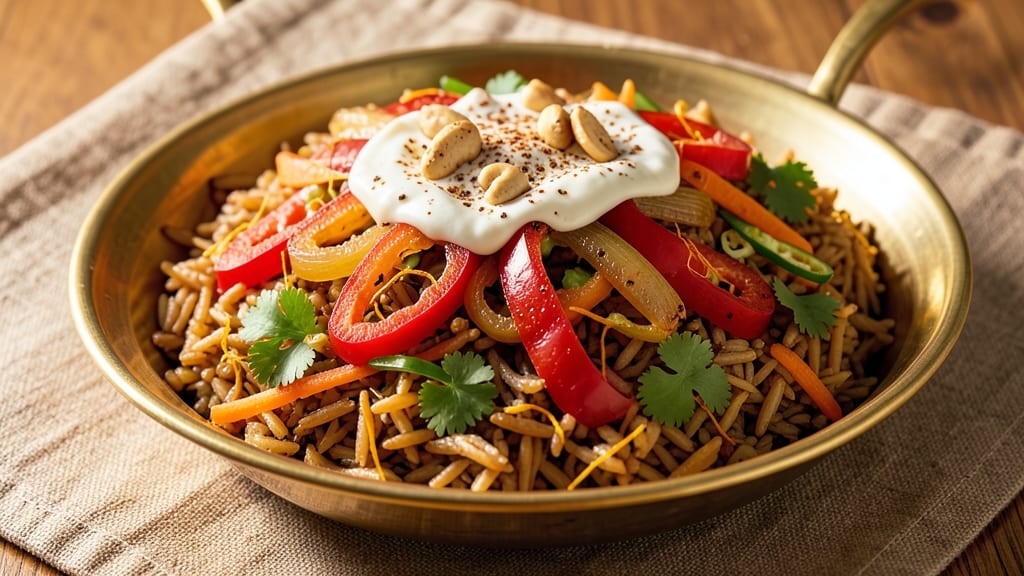
This brown rice veg biryani recipe transforms traditional techniques into a vibrant, plant-based masterpiece where fragrant saffron-infused rice meets tender spiced vegetables in perfectly layered harmony.
The secret lies in partially cooking the rice separately, then layering it with marinated vegetables and aromatic spices—a method that ensures each bite delivers explosive flavor without compromise.
What makes this biryani truly special is how it adapts classic techniques for a vegan diet: the rice is cooked al dente in vegetable broth, while the vegetables absorb rich, earthy spices like cumin, cardamom, and turmeric.
The final dum cooking under foil creates steam that infuses every layer with an irresistible aroma and tender texture. Every mouthful becomes a celebration of bold flavors and aromatic complexity.
Ingredients for brown rice veg biryani
Fragrant saffron threads and aromatic spices transform simple brown rice into this vibrant vegan biryani masterpiece.
| Ingredient | Amount | Notes |
|---|---|---|
| Long-Grain Brown Rice 🌾 | 1 ½ cups | Uncooked, rinsed thoroughly |
| Vegetable Broth 💧 | 2 ½ cups | Low-sodium preferred |
| Saffron Threads 🌼 | ⅛ tsp | High-quality, soaked in 1 tbsp warm water |
| Yellow Onions 🧅 | 1 ½ cups | Finely diced, about 2 medium |
| Red Bell Peppers 🌶️ | 1 whole | Deseeded, sliced into strips |
| Carrots 🥕 | 1 cup | Julienned, about 2 medium |
| Russet Potatoes 🥔 | 1 lb | Peeled, cubed into 1-inch pieces |
| Fresh Cauliflower 🥬 | 1 head | Cut into small florets |
| Cumin Seeds 🌿 | 1 ½ tsp | Toasted until fragrant |
| Ground Cumin 🌿 | 1 tbsp | Freshly ground preferred |
| Ground Coriander 🌿 | 1 tbsp | Freshly ground preferred |
| Turmeric Powder 🧂 | 1 tsp | Bright yellow preferred |
| Garam Masala 🌶️ | 1 ½ tsp | Freshly ground preferred |
| Fresh Ginger 🧄 | 1 tbsp | Finely grated, about 1-inch piece |
| Lemon Juice 🍋 | 2 tbsp | Freshly squeezed |
| Fresh Cilantro 🌿 | ¼ cup | Chopped, for garnish |
| Coconut Oil 🫒 | 3 tbsp | Refined for neutral flavor |
| Sea Salt 🧂 | 1 ½ tsp | Diamond Crystal preferred |
Saffron is non-negotiable here—look for high-quality threads at Indian specialty stores or reputable spice merchants like Burlap & Barrel. The vegetable broth should be rich and flavorful; Imagine brand or homemade works best. For the vegetables, freshness matters most—cauliflower and potatoes should be firm, with no soft spots. The brown rice? Jasmine or basmati blends well, but stick with brown for the nutty depth. Toasting the cumin seeds in a dry pan until fragrant unlocks their full potential—don't skip this step.
No saffron? Turmeric plus a pinch of paprika mimics the color, though the flavor won't be identical. Substituting bell peppers? Zucchini or eggplant work beautifully, but adjust cooking times. The garam masala blend is crucial—store-bought works, but a homemade mix of cumin, coriander, cardamom, cinnamon, and cloves elevates everything. For extra richness, add 1 tbsp cashew cream when layering. The ginger should be freshly grated—bottled paste lacks the bright, zesty punch.
Prep the rice and vegetables separately to streamline assembly. The saffron infusion can be made a day ahead—store in the fridge. Layered biryani keeps 3-4 days in the fridge, though flavor deepens overnight. For reheating, cover with foil and warm gently on low heat to preserve moisture. Freezes beautifully for up to 3 months—portion into single servings before freezing for easy meals.
Why You'll Love This Recipe
- Here’s what sold me: those tiny saffron threads turn the broth into liquid sunshine. You don’t need much—just a pinch—but it transforms the whole thing. The rice soaks up that floral, honeyed depth, and the onions caramelize into sweet, sticky pockets. (Yes, even on a Tuesday night.)
- One-Pot Magic: I swear by this—just brown rice, veggies, and broth in one pot. No fancy layers, no stressing over dum cooking. The saffron steeps right into the broth while everything simmers, and honestly? That golden hue and nutty rice flavor make it feel like a restaurant dish without the fuss.
- Saffron Luxe: Here’s what sold me: those tiny saffron threads turn the broth into liquid sunshine. You don’t need much—just a pinch—but it transforms the whole thing. The rice soaks up that floral, honeyed depth, and the onions caramelize into sweet, sticky pockets. (Yes, even on a Tuesday night.)
- Meal Prep MVP: Between us, this is my go-to for lunches. Cook a big batch, and it keeps for days—better than takeout, honestly. The brown rice stays firm, the veggies don’t get soggy, and reheating? Just a splash of water, microwave, and boom. My daughter picks out the bell peppers first, but still asks for seconds.
Step-by-step instructions for brown rice vegetable biryani
Aromatic layers of spiced brown rice and vibrant vegetables create a restaurant-quality biryani at home.
Prepare the Saffron and Toast the Spices
Soak the 0.125 tsp saffron threads in 1 tablespoon warm water for 10 minutes to release their vibrant color and floral aroma. This infusion will become the biryani's signature golden hue and delicate perfume.
In a dry skillet over medium heat, toast the 1.5 tsp cumin seeds for 1-2 minutes until they release their deep, earthy fragrance and begin to sizzle. Immediately transfer them to a small bowl and set aside. This quick toasting prevents bitterness and enhances their flavor profile.
Sauté the Aromatics and Vegetables
Heat 2 tablespoons coconut oil in a large pot over medium heat. Add the 1.5 cups finely diced yellow onions and cook for 5-6 minutes until they turn a rich golden brown. This caramelization builds the biryani's deep, complex flavor foundation.
Add the 1 tbsp finely grated fresh ginger, 1 tbsp ground cumin, 1 tbsp ground coriander, and 1 tsp turmeric powder. Stir continuously for 1 minute until the spices bloom and fill your kitchen with their warm, earthy aroma. Then add the 1 whole red bell pepper sliced into strips, 1 cup julienned carrots, 1 lb cubed russet potatoes, and 1 head cauliflower florets. Toss to coat evenly with the spice mixture.
Parboil the Vegetables and Rice
Pour in the 2.5 cups vegetable broth and bring to a gentle boil. Reduce heat to medium-low and simmer uncovered for 10-12 minutes until the vegetables are tender but not mushy. The potatoes should be fork-tender with slight resistance.
Drain the vegetables in a colander, reserving the cooking liquid. In the same pot, rinse the 1.5 cups long-grain brown rice thoroughly under cold water until the water runs clear. Add the drained vegetables back to the pot with the rice, along with 1.5 tsp sea salt and 1.5 tsp garam masala. Stir gently to combine.
Layer and Steam the Biryani
Pour 1 cup of the reserved vegetable broth over the rice-vegetable mixture. Cover the pot tightly with a lid and cook on low heat for 25 minutes. This gentle steaming allows the rice to absorb moisture evenly without becoming mushy.
After 25 minutes, carefully remove the lid and gently fluff the biryani with a fork. Drizzle the soaked saffron infusion and 2 tbsp lemon juice evenly over the surface. Replace the lid and let it steam for an additional 5 minutes to allow the saffron to infuse throughout.
Rest and Serve
Remove the biryani from heat and let it rest covered for 10 minutes. This resting period allows the flavors to meld and the rice to absorb any remaining moisture, resulting in perfectly cooked grains.
Garnish with 0.25 cup chopped fresh cilantro just before serving. The biryani should have fragrant layers of spiced rice and tender vegetables, with a delicate saffron aroma wafting from every bite. Serve warm with a side of raita or a simple cucumber salad for a complete meal.
Pro Tips For Making Brown Rice Veg Biryani
- Parboil the Rice First: Brown rice takes forever to cook—so give it a 10-minute head start in boiling broth before layering. I learned this the hard way after staring at a pot for 45 minutes wondering why my biryani was still crunchy. The broth jumpstarts the cooking while keeping the grains intact.
- Bloom the Saffron: Steep those saffron threads in 2 tablespoons warm broth for 15 minutes—no skipping this. I used to just toss them in, and the dish smelled amazing but tasted like nothing. Warm liquid extracts the flavor without bitterness, and it’s the thing that actually changes the outcome.
- Char the Onions: Cook the onions until they’re deep golden and slightly crispy—this isn’t about softness. I was skeptical until I tried it, and now I can’t imagine biryani without that caramelized depth. Use medium heat and stir often; burnt onions ruin everything.
- Layer Wet and Dry: After parboiling, drain the rice but leave it in the pot—then alternate layers of rice, veggies, and broth. Sounds weird, but it works: the rice absorbs flavor evenly without turning mushy. Skip the crowding, or you’ll end up with a sad, gluey mess.
Flavor customization for this recipe
Spice Level Control
Adjust the heat by controlling the spices. For a mild version, reduce the garam masala to 1 tsp and skip the red bell peppers (use zucchini instead). For medium heat, add ½ tsp cayenne pepper with the other spices.
For spicy, include 1 tsp Kashmiri red chili powder and ½ cup chopped green chilies. Always toast your spices fresh—they pack more punch when freshly ground! 🌶️
Citrus Variations
Swap lemon juice for lime juice (use 2 tbsp) for a tangier kick that pairs perfectly with the earthy spices. For a sweet-tart twist, add 1 tbsp orange zest when drizzling the saffron infusion. I love this combo—it brightens the dish without overpowering the delicate saffron aroma.
Herb Infusions
Boost freshness with mint leaves—chop ¼ cup and mix into the final layers before steaming. For a Mediterranean fusion, add 1 tbsp dried oregano with the ground spices.
Both herbs complement the biryani’s warmth while adding a refreshing contrast. Garnish with extra herbs before serving for a pop of color. 🌿
Creamy Additions
For richness, stir in 2 tbsp cashew cream (blend ¼ cup soaked cashews with 2 tbsp water) when layering. A yogurt-based raita (mix ½ cup coconut yogurt with 1 tbsp roasted cumin powder) on the side balances the spice beautifully.
These additions make the biryani feel even more indulgent. 🥛
Smoky Depth
Add 1 tsp smoked paprika to the spice blend for a subtle smokiness. For a bolder effect, char ½ cup onions in a dry pan until blackened, then blend into a paste with 1 tbsp water and add to the vegetable mix.
This technique mimics traditional biryani’s smoky layers without needing a grill. 🔥
Texture Contrasts
Toss in ½ cup toasted cashews or pumpkin seeds during the final steaming for crunch. For a crispy topping, sprinkle ½ cup breadcrumbs mixed with 1 tsp garam masala on top before the last 5 minutes of steaming. These textures elevate each bite to restaurant-quality. 🌟
Nutrition facts
Frequently asked questions
Why does this recipe use brown rice instead of white?
Brown rice adds a nutty depth and chewy texture that complements the aromatic spices beautifully. The longer cooking time also helps absorb more of the vegetable broth's flavor, creating a richer, heartier biryani. Plus, it's packed with fiber and nutrients while keeping the dish satisfyingly substantial.
Can I make this biryani ahead of time?
This dish actually tastes better the next day as the flavors meld together. Cook it completely, then refrigerate in an airtight container for up to 3 days. Reheat gently with a splash of water or broth to restore moisture. For serving, you may want to fluff it lightly with a fork before reheating.
What's the best way to store leftovers?
Store leftovers in an airtight container in the refrigerator for up to 4 days. For longer storage, portion into single servings and freeze for up to 3 months. When reheating, cover with foil and warm on low heat with a splash of water to prevent drying out. The texture will be slightly softer but still delicious.
How can I make this recipe gluten-free?
This recipe is naturally gluten-free, but check your garam masala and vegetable broth for hidden gluten. Use certified gluten-free spice blends and ensure your broth doesn't contain wheat additives. The coconut oil and all other ingredients are inherently gluten-free, so no other substitutions are needed.
Can I use frozen vegetables instead of fresh?
While fresh vegetables work best for texture, you can use frozen vegetables in a pinch. Thaw them completely first and drain any excess water. Frozen veggies will release more moisture during cooking, so you may need to reduce the vegetable broth by ¼ cup. The flavor will be slightly less vibrant but still delicious.