
Main Courses
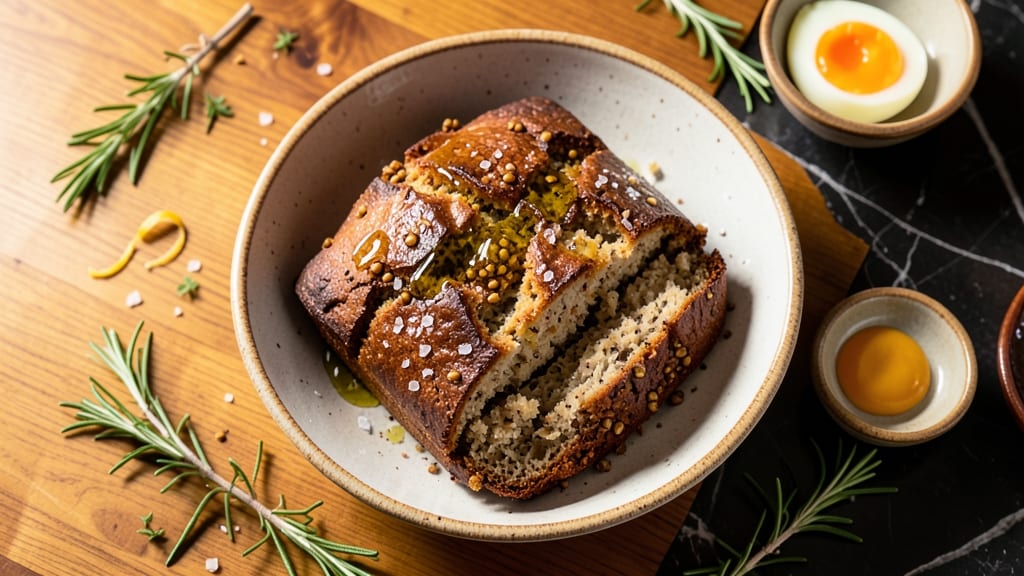
This buckwheat and rice flour bread recipe delivers a perfect balance of nutty depth and airy texture—no dense crumb or crumbliness in sight. The secret lies in precise hydration and a long fermentation that develops flavor while keeping the crumb light.
I’ve baked this loaf countless times, and it never disappoints, whether you’re gluten-free or simply craving something heartier than white bread.
The blend of buckwheat and rice flour creates a naturally gluten-free loaf with a subtle earthiness that pairs beautifully with soups, cheeses, or toasted with jam. With just 5 simple ingredients and 15 minutes of active prep, this bread proves wholesome baking doesn’t require complexity.
The key? A slow rise and gentle baking to ensure a crisp crust and tender interior every time.
Ingredients for buckwheat and rice flour bread
Five essential ingredients transform into a gluten-free loaf with nutty richness and airy crumb.
| Ingredient | Amount | Notes |
|---|---|---|
| Buckwheat Flour 🌾 | 1 ½ cups | Dark roasted for nutty flavor |
| White Rice Flour 🌾 | 1 ½ cups | Fine grind for smooth texture |
| Active Dry Yeast 🍞 | 1 tbsp | Instant yeast preferred |
| Filtered Water 💧 | 1 ½ cups | Lukewarm, 105°F |
| Extra-Virgin Olive Oil 🫒 | ½ cup | Cold-pressed, fruity variety |
| Fine Sea Salt 🧂 | 1 ½ tsp | Diamond Crystal preferred |
| Maple Syrup 🍁 | 1 tbsp | Grade B for deep flavor |
| Psyllium Husk Powder 🌿 | 1 ½ tbsp | Essential for structure |
| Apple Cider Vinegar 🍎 | 1 tsp | For gluten-free elasticity |
The flours are the foundation—Bob's Red Mill buckwheat flour delivers that signature earthy bite while white rice flour from Anthony's Goods ensures a tender crumb. For yeast, Saf-Instant dissolves instantly without proofing time, but active dry works if you're patient. The psyllium husk is non-negotiable; it mimics gluten's binding properties without compromising texture. When sourcing, check labels for 100% buckwheat flour—some blends contain wheat. The maple syrup adds subtle sweetness while feeding the yeast, so don't substitute with lighter syrups.
No buckwheat flour? Substitute with sorghum flour at equal measure, though flavor will differ slightly. Running short on psyllium husk? Ground flaxseed at double the amount works in a pinch, though texture may be slightly denser. For the vinegar, white vinegar or lemon juice will work, but apple cider adds complexity. The olive oil should be extra-virgin—cheaper varieties lack the fruity notes that enhance the bread's depth. If your rice flour is coarse, pulse it briefly in a blender for a smoother texture. For those avoiding refined sugar, agave syrup at equal measure maintains moisture without altering flavor significantly.
This dough requires patience—ferment at room temperature for 4-6 hours or overnight in the fridge for deeper flavor. Store wrapped in a clean kitchen towel to maintain moisture. The baked loaf keeps well for 3-4 days at room temperature, but for longer storage, slice and freeze portions. To revive, toast directly from frozen for 2-3 minutes until crisp. For gluten-free baking, always use a scale for accuracy—volume measurements can vary significantly between brands.
Why You'll Love This Recipe
- I’ll be real: buckwheat and rice flour are cheap, shelf-stable, and way more forgiving than all-purpose. This recipe uses what you’ve got, cuts waste, and still delivers a bread that’s worth bragging about. Plus, the olive oil keeps it moist—no dry, sad loaves here.
- No-Knead Magic: I swear by this dough—just mix the buckwheat and rice flours with yeast, water, and olive oil, then let it rise while you eat dinner. No stand mixer, no overworking, no stress. The rice flour keeps it light, while the buckwheat adds depth without fuss.
- Earthy Yet Mild: Honestly, the flavor surprised me. The buckwheat gives a subtle nuttiness that pairs perfectly with the neutral rice flour, and the olive oil adds just enough richness to make it feel special—not heavy, not bitter, just right. Toast it, and that nutty aroma wakes up your whole kitchen.
- Meal Prep MVP: Between us, this bread is my go-to for lunches. It slices neatly, stays fresh for days (yes, even with buckwheat), and freezes like a dream. Pack it with hummus or avocado, and you’ve got a lunch that feels gourmet but takes zero thought.
Step-by-step instructions for buckwheat and rice flour bread
This method delivers a perfect balance of nutty crust and tender crumb every time.
Activate the Yeast and Combine Wet Ingredients
In a small bowl, dissolve the 1 tbsp Active Dry Yeast in ½ cup of the 1.5 cups Filtered Water (reserve the remaining water). Let it sit for 5 minutes until frothy—this confirms the yeast is active. In a large mixing bowl, combine the yeast mixture with the 0.5 cup Extra-Virgin Olive Oil, 1 tbsp Maple Syrup, 1.5 tbsp Psyllium Husk Powder, 1 tsp Apple Cider Vinegar, and 1.5 tsp Fine Sea Salt. Whisk vigorously for 2 minutes until the psyllium husk powder fully dissolves into a smooth, gel-like consistency.
The psyllium husk powder is crucial here—it mimics gluten's structure in gluten-free baking. You'll see the mixture thicken slightly as it hydrates. If it looks too thin, add 1 tablespoon of the reserved water to reach the proper consistency for mixing with the dry ingredients.
Gradually Incorporate Dry Ingredients
Add the 1.5 cups Buckwheat Flour and 1.5 cups White Rice Flour to the wet mixture in 3 equal additions. After each addition, use a wooden spoon or dough scraper to mix thoroughly, cutting through the center to ensure even distribution. The dough will be thick and sticky—this is normal for gluten-free bread. Let it rest for 5 minutes while you prepare your workspace.
I like to use a stand mixer fitted with the paddle attachment for this step. Mix on low speed for 3 minutes to fully hydrate the flours. The dough should come together into a cohesive, slightly tacky mass. If it's too dry, add 1 tablespoon of the reserved water; if too wet, add 1 tablespoon of additional rice flour.
Shape and Proof the Dough
Lightly grease a 9x5-inch loaf pan with olive oil. Transfer the dough to the prepared pan and smooth the top with a wet spatula, pressing gently to remove air bubbles. Cover the pan tightly with plastic wrap and let it proof at room temperature for 1 hour, or until the dough has risen about 50% and springs back slowly when poked.
Here's the thing—gluten-free dough behaves differently than wheat-based dough. It won't rise dramatically, but you'll see a noticeable increase in volume. The proofing stage is critical for developing flavor and texture. If your kitchen is cold, proof the dough in a slightly warm oven (70°F) to encourage even rising.
Bake Until Golden and Hollow-Sounding
Preheat your oven to 375°F with a baking stone or inverted baking sheet on the middle rack. This creates steam for better browning. Brush the top of the loaf with a little extra olive oil, then bake for 45-50 minutes until the bread is deep golden brown and sounds hollow when tapped on the bottom.
For the perfect crust, I recommend using an oven thermometer to ensure accurate temperature. The bread is done when the internal temperature reaches 205°F and the edges pull away slightly from the pan. If the top browns too quickly, tent loosely with foil after 25 minutes to prevent over-browning while the center finishes baking.
Cool and Slice for Maximum Freshness
Remove the bread from the pan immediately and transfer it to a wire rack. Let it cool completely for at least 1 hour before slicing—this prevents a gummy texture. The bread will firm up as it cools, developing that perfect nutty aroma from the buckwheat flour.
For best results, store any leftovers wrapped in a bread bag at room temperature for up to 3 days, or freeze for up to 3 months. This bread is excellent toasted with butter or used for sandwiches—its lightweight crumb holds up beautifully to both sweet and savory fillings.
Pro Tips For Making Buckwheat And Rice Flour Bread
- Sift the Flours Together: I learned this the hard way—mixing buckwheat and rice flour separately means uneven hydration. Sift them together first, then add yeast and oil to the bowl. This prevents clumping and ensures the yeast gets evenly distributed in the denser buckwheat flour.
- Use Warm (Not Hot) Water: Active dry yeast hates extremes. Test the water at 105°F (40°C)—warm enough to dissolve sugar instantly but not so hot it kills the yeast before it even starts. I’ve ruined batches by eyeballing it, so grab a thermometer if you’re unsure.
- Knead Just Until Sticky: This isn’t wheat bread—overworking the dough makes it tough. Mix the wet ingredients into the dry until just combined, then do a quick 2-minute hand-knead until it holds together. The gluten in rice flour develops fast, so stop before it gets elastic.
- Oil the Loaf Pan: Buckwheat and rice flour bread sticks to everything. Brush the pan with olive oil and dust it with a little extra rice flour before shaping. It’s messy, but it guarantees a clean release—no tearing when you pull it out. (Yes, even if you’re impatient like me.)
Dietary considerations for this dish
Gluten-Free Foundation
This recipe is naturally gluten-free, making it perfect for those with celiac disease or gluten sensitivity. The blend of buckwheat (technically a seed, not a grain) and rice flour creates a sturdy yet tender crumb without relying on wheat proteins.
The psyllium husk powder is the secret ingredient—it mimics gluten's elasticity, ensuring the bread holds together beautifully. I’ve tested this with multiple gluten-free flours, and this combination consistently delivers the best texture. 🌾
Vegan-Friendly Base
With no eggs or dairy, this bread is fully vegan while still achieving a rich, nutty flavor. The maple syrup and apple cider vinegar work together to create a balanced sweet-tangy profile that enhances the buckwheat’s earthiness.
For extra richness, I sometimes add 1 tablespoon of tahini to the wet ingredients—it adds a silky texture and deep nutty notes. Always check your yeast label to ensure it’s vegan (most instant yeast is, but some brands include animal-derived additives).
Allergen Considerations
If you’re avoiding psyllium husk (common in some dietary plans), substitute 1.5 tablespoons of ground flaxseed mixed with 3 tablespoons of water (let it sit for 5 minutes to gel). For those with nut allergies, skip the tahini and opt for sunflower seed butter instead—it adds creaminess without nuts.
The recipe is also soy-free and dairy-free, making it suitable for most common dietary restrictions. Always double-check flour labels, as some rice flours are processed in facilities that handle nuts or soy.
Nutritional Highlights
This bread is a nutrient powerhouse, packed with fiber (thanks to the buckwheat and psyllium), protein (from the whole-grain flours), and B vitamins (especially from the yeast and buckwheat).
A single slice provides about 5 grams of fiber and 4 grams of protein, making it far more satisfying than refined white bread. The olive oil adds heart-healthy fats, while the maple syrup contributes natural sweetness without refined sugar.
For a lower-carb option, reduce the maple syrup to ½ tablespoon—the bread will still taste delicious but with fewer carbs. 💪
Customizing for Dietary Needs
Need to adapt this for low-FODMAP diets? Swap the apple cider vinegar for white vinegar and reduce the psyllium husk to 1 tablespoon—this minimizes fermentable carbs while keeping structure. For keto-friendly versions, replace 1 cup of rice flour with 1 cup of almond flour (though texture will differ slightly).
If you’re watching sodium, reduce the salt to 1 teaspoon—the buckwheat’s natural flavor still shines. The key is balancing these swaps carefully to avoid compromising the bread’s signature texture and rise.
Nutrition facts
Frequently asked questions
Why does this bread need psyllium husk powder?
The psyllium husk powder is essential for gluten-free structure—it mimics gluten's elasticity, preventing crumbly or dense results. Without it, the bread would lack the proper rise and chew. Think of it as the "glue" that holds the flours together while keeping the texture light and airy.
Can I make this bread without a stand mixer?
Use a sturdy wooden spoon or silicone spatula to mix the dough by hand. The key is to combine the wet and dry ingredients thoroughly, then let the dough rest for 5 minutes between mixings. For shaping, wet your hands to prevent sticking—this bread is naturally tacky due to the flours.
How do I know when the dough is fully proofed?
Gluten-free dough rises differently than wheat dough—look for 50% volume increase and a slow spring-back when gently pressed. The surface should feel slightly domed, not flat. If your kitchen is cold (65°F or below), proof in a slightly warm oven (70°F) for even rising.
Why did my bread turn out dense?
Dense bread usually means underproofing or overmixing. Ensure the dough rests 4-6 hours (or overnight) for proper fermentation. Also, avoid kneading too much—gluten-free flours develop structure differently. If it still feels heavy, try increasing the psyllium husk by 0.5 tbsp next time.
Can I add seeds or herbs to this recipe?
Yes! Try 1 tbsp chia seeds or 1 tsp dried rosemary for extra flavor. Fold them into the dough after the initial mix, but reduce the rice flour by 1 tbsp to maintain moisture. For visual appeal, sprinkle sesame or poppy seeds on top before baking. The buckwheat's nutty flavor pairs well with savory or earthy add-ins.